
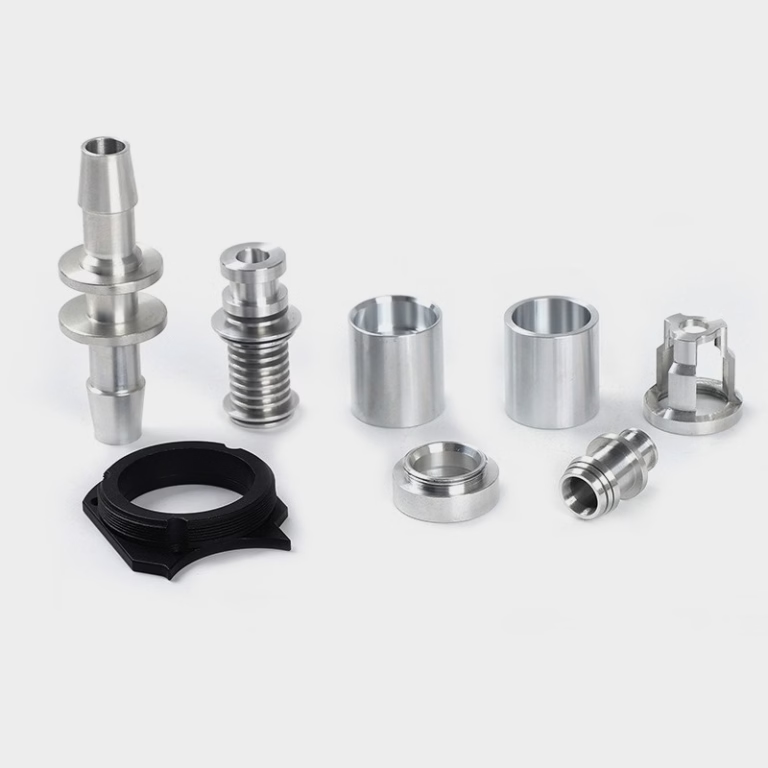
When sourcing precision components in a major industrial hub like Dallas, Texas, businesses ranging from cutting-edge medical device startups to established aerospace contractors often face a critical decision: selecting the optimal machining technology for complex, small-diameter parts. Among the plethora of available services, CNC Swiss machining stands out as a specialized and often indispensable process. For projects demanding exceptional precision on long, slender, or intricate parts, understanding the nuances of this technology is key to ensuring quality, cost-efficiency, and supply chain reliability.
H2: What is CNC Swiss Machining? Unpacking the Precision Workhorse
Unlike conventional CNC lathes, a Swiss-type lathe (or Sliding Headstock lathe) employs a unique mechanism where the material bar stock is guided and supported through a guide bushing located immediately adjacent to the cutting tools. As the tools perform operations, the headstock slides the material longitudinally through this bushing. This fundamental difference provides extraordinary stability, especially crucial when machining parts with high length-to-diameter ratios that would typically deflect under cutting forces on a standard lathe.
This process enables simultaneous, multi-axis machining. While the main spindle and tools work on one section of the part, secondary spindles can perform back-working operations, such as drilling cross-holes or milling flats, in a single, continuous setup. The result is dramatically reduced cycle times, minimized handling errors, and superior concentricity and surface finish.
H2: Core Advantages: Why Dallas Industries Rely on Swiss Machining
For the diverse and demanding industrial landscape of Dallas—encompassing sectors like oil & gas instrumentation, defense, telecommunications, and medical implants—Swiss machining offers distinct competitive advantages:
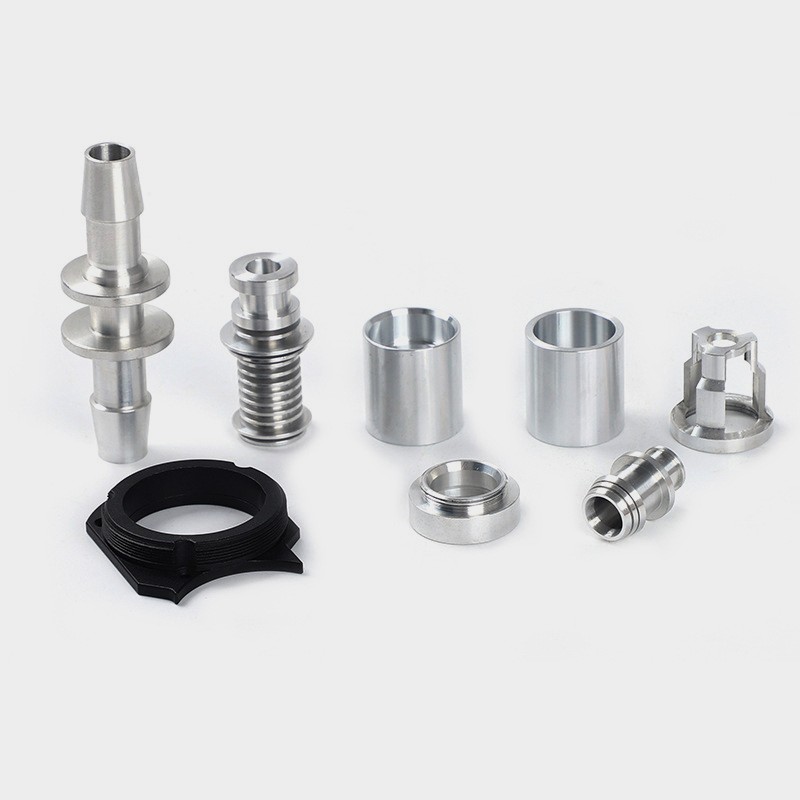
Unmatched Precision for Complex Geometries: It excels at producing parts with intricate features, tight tolerances (routinely holding ±0.0002″ or 0.005mm), and excellent surface finishes, often eliminating secondary operations.
Efficiency in High-Volume Production: The ability to complete a part in one chucking makes it exceptionally efficient for large production runs, ensuring consistency and lowering per-part cost.
Material Versatility and Waste Reduction: It handles a vast array of materials—from aerospace-grade titanium and stainless steels to engineering plastics like PEEK—with minimal material waste due to the precise feeding system.
Ideal for Long, Slender Parts: This is its hallmark capability. Components like shafts, pins, connectors, and probes that are challenging for standard lathes are ideally suited for Swiss machining.
H2: Key Applications in the Dallas Metroplex and Beyond
The specific strengths of Swiss machining align perfectly with the needs of several high-tech industries prominent in Texas:
Medical & Surgical Devices: Bone screws, dental implants, surgical instrument components, and endoscopic parts require biocompatible materials, ultra-smooth surfaces, and micro-scale precision.
Aerospace & Defense: Connectors, sensor housings, valve components, and fasteners used in avionics and propulsion systems demand reliability, complex geometries, and compliance with stringent material certifications.
Electronics & Communications: Precision pins, connectors, and shielding components for data centers and telecommunications infrastructure.
Automotive & Racing: High-performance fuel injection components, sensor housings, and transmission parts where precision directly impacts performance and efficiency.
H2: Choosing a Swiss Machining Partner: Beyond Geographic Proximity
While finding a local shop in Dallas offers logistical benefits like easier in-person audits and potentially faster ground shipping, the decision should prioritize technical capability, quality systems, and project support. Many leading OEMs in Dallas partner with specialized manufacturers globally to access niche expertise and scalable capacity. Key evaluation criteria include:
Technical Capability & Equipment: Does the partner have modern, multi-axis Swiss machines with live tooling, Y-axis capabilities, and secondary spindles? Can they provide 5-axis CNC machining services for complex milled features?
Material & Certification Expertise: Do they have proven experience with your specific material (e.g., Inconel, medical-grade stainless) and hold relevant certifications (ISO 9001, ISO 13485 for medical, AS9100 for aerospace)?
Full-Service Scope: Can they provide comprehensive post-processing (deburring, heat treating, plating, anodizing) and quality inspection (CMM, optical measurement) in-house? This “one-stop” model, as practiced by integrated manufacturers like GreatLight Metal, streamlines procurement and reduces supply chain risk.
Engineering Support: The best partners function as collaborative engineers. They should offer Design for Manufacturability (DFM) feedback early in the design phase to optimize part design for the Swiss process, potentially reducing cost and lead time.
H2: The Integrated Manufacturing Solution: A Strategic Perspective
For companies in Dallas managing complex BOMs, the trend is moving toward consolidating suppliers. Partnering with a manufacturer that offers not just Swiss machining but a full spectrum of complementary services—such as precision 5-axis CNC machining for complex housings, sheet metal fabrication for enclosures, and advanced 3D printing for prototypes—creates a more resilient and efficient supply chain. This integrated approach ensures consistent quality standards, simplifies logistics, and fosters deeper technical collaboration.
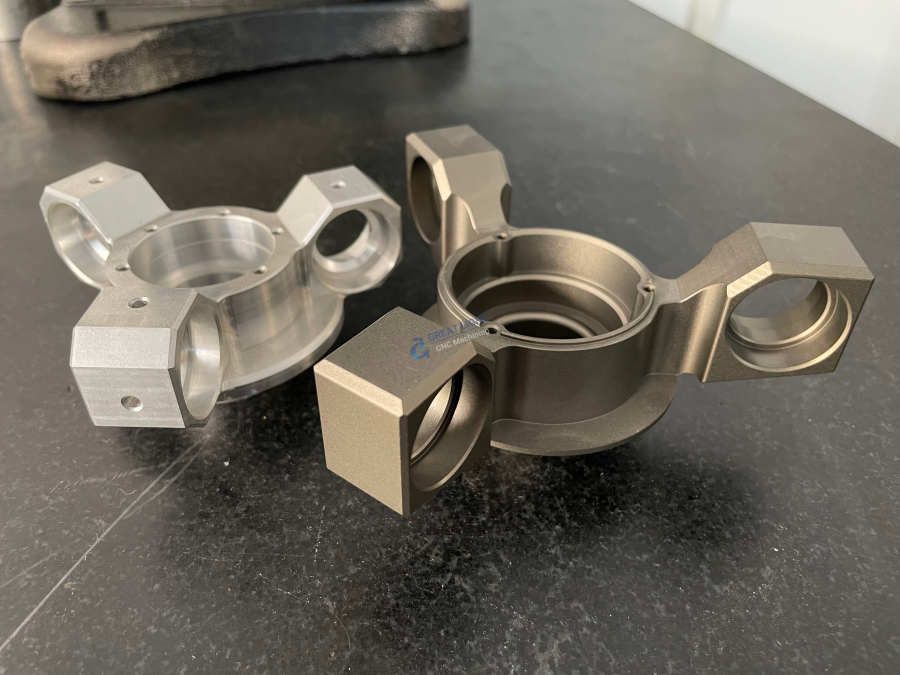
When evaluating service providers, from large platforms like Xometry and Protolabs to specialized shops like Owens Industries or RCO Engineering, it’s critical to assess their true vertical integration. A partner like GreatLight Metal exemplifies this model, combining deep technical expertise in Swiss and multi-axis machining with comprehensive secondary processing and rigorous quality management under one roof, serving global clients from its base in Dongguan, China’s manufacturing heartland.
Conclusion: Precision as a Strategic Imperative
CNC Swiss machining services remain a cornerstone technology for precision manufacturing in Dallas and the global industrial ecosystem. The choice of a machining partner should be driven by a thorough assessment of technical specialization, quality pedigree, and the ability to act as a true extension of your engineering team. In an era where product complexity and time-to-market pressures continue to increase, leveraging the expertise of a capable, full-service manufacturing partner is not just an operational decision but a strategic one, ensuring that the most intricate components become reliable enablers of your product’s success. For those seeking to explore partnerships with technically driven manufacturers at the forefront of precision machining, further insights into industry innovations and capabilities can be found by following leaders in the field on professional networks like LinkedIn.



















