
When evaluating modern manufacturing technologies, one of the most common questions we hear from clients—whether they’re R&D engineers, procurement managers, or product designers—is: Is CNC Machining Additive Or Subtractive Manufacturing? This distinction is critical because it directly impacts project timelines, costs, part precision, and material choices. To clear up any confusion, let’s break down the core definitions, compare the two approaches, and explore how top-tier manufacturers like GreatLight CNC Machining Factory leverage both to deliver tailored solutions for complex projects.
Is CNC Machining Additive Or Subtractive Manufacturing?
The short answer is: CNC machining is a subtractive manufacturing process.
To understand what this means, let’s define the two primary categories of modern manufacturing:
Subtractive manufacturing: Starts with a solid block, sheet, or bar of material (called a workpiece) and removes excess material using cutting tools to shape it into the desired part. Think of it like carving a statue from a block of marble—you chip away what you don’t need to reveal the final form.
Additive manufacturing: Builds parts layer by layer from raw material (usually powdered metal, resin, or plastic) based on a 3D digital model. This is the category that includes all types of 3D printing, where material is deposited or fused one layer at a time to create the part.
CNC machining falls firmly into the subtractive camp. Every CNC process—whether it’s milling, turning, drilling, or 5-axis machining—relies on removing material from a solid workpiece to achieve the precise dimensions and geometries specified in a CAD model.
Why CNC Machining Is the Gold Standard for Subtractive Precision
CNC (Computer Numerical Control) machining uses computer-programmed commands to control cutting tools, ensuring consistent, high-precision results across every part. Unlike manual machining, which relies on human skill, CNC machines follow digital instructions with minimal variation, making it ideal for both prototyping and mass production of complex parts.
Key subtractive CNC processes include:
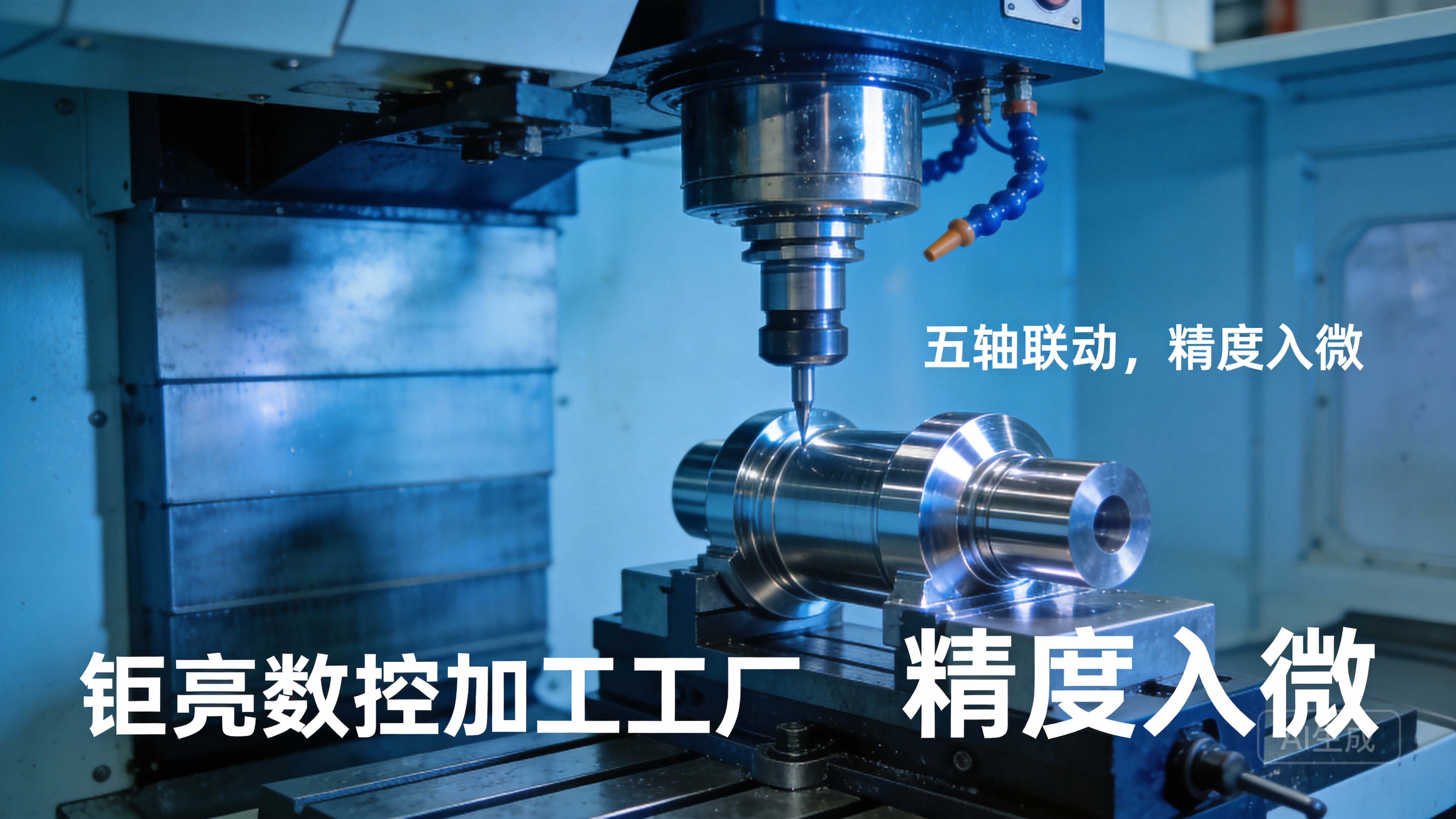
CNC Milling: Uses rotating cutting tools to remove material from a stationary workpiece. GreatLight’s 3-axis, 4-axis, and 5-axis CNC machining capabilities allow for intricate geometries that would be impossible with 3-axis alone, such as curved surfaces, undercuts, and complex cavities.
CNC Turning: Secures the workpiece in a chuck and rotates it while a cutting tool shapes the outer or inner surfaces (e.g., creating shafts, bolts, or cylindrical parts).
EDM (Electrical Discharge Machining): Uses electrical sparks to erode material, perfect for hard metals or ultra-precise features that can’t be cut with traditional tools.
The subtractive nature of CNC machining offers unique advantages:
Unmatched Precision: GreatLight’s CNC machines can achieve tolerances as tight as ±0.001mm, making it the go-to choice for industries like aerospace, medical devices, and automotive engineering where precision is non-negotiable.
Broad Material Compatibility: CNC can process almost any solid material, including aluminum, stainless steel, titanium, copper, plastic, and mold steel—something additive manufacturing can’t match for all materials (e.g., some high-strength alloys are challenging to 3D print).
Superior Surface Finish: Subtractive processes can produce smooth, polished surfaces without extensive post-processing, which is critical for parts that need to fit seamlessly or meet aesthetic standards.
High Material Strength: Parts machined from solid blocks retain the full structural integrity of the base material, unlike some additive parts which may have layer-specific weaknesses.
Additive Manufacturing: When to Choose Layer-by-Layer Construction
While CNC is subtractive, additive manufacturing (3D printing) has its own set of strengths that make it indispensable for modern product development. Additive methods are ideal for:
Complex Geometries: Parts with internal lattices, honeycomb structures, or organic shapes that would require multiple CNC setups or be impossible to machine from a solid block.
Rapid Prototyping: Creating a single prototype quickly without the need for custom fixtures or tooling.
Low-Volume Production: Small batches of parts where the cost of CNC setup would be prohibitive.
Customization: Producing unique, one-off parts (like medical implants tailored to a single patient) without additional cost.
GreatLight offers a range of additive manufacturing services, including SLM (Selective Laser Melting) for metal parts (stainless steel, aluminum, titanium), SLA (Stereolithography) for high-resolution plastic prototypes, and SLS (Selective Laser Sintering) for durable functional parts. This means clients can access both subtractive and additive solutions under one roof, eliminating the need to coordinate with multiple suppliers and ensuring consistent quality across all stages of production.
CNC (Subtractive) vs Additive Manufacturing: A Head-to-Head Comparison
To help you decide which process is right for your project, here’s a side-by-side comparison of key factors:
| Factor | CNC Machining (Subtractive) | Additive Manufacturing (3D Printing) |
|---|---|---|
| Precision | Ultra-high (±0.001mm) ideal for tight tolerances | High, but generally lower (±0.01mm to ±0.1mm depending on process) |
| Material Range | Almost all solid metals, plastics, and composites | Limited to specific powdered metals, resins, and plastics; some high-strength alloys are challenging |
| Production Volume | Cost-effective for both low-volume prototyping and mass production | More cost-effective for low-volume (1-100 parts); mass production is often more expensive |
| Lead Time | Fast for small batches; setup time may add lead time for complex parts | Fast for single prototypes; longer for large batches due to layer-by-layer construction |
| Surface Finish | Smooth, polished finish with minimal post-processing | May require sanding, polishing, or coating to achieve desired finish |
| Cost per Part | Lower for high-volume runs; higher for single prototypes (due to setup costs) | Lower for single prototypes; higher for high-volume runs |
| Structural Integrity | Full material strength retained from solid workpiece | May have anisotropic properties (strength varies by layer direction) |
GreatLight CNC Machining Factory: Bridging Subtractive and Additive for Comprehensive Solutions
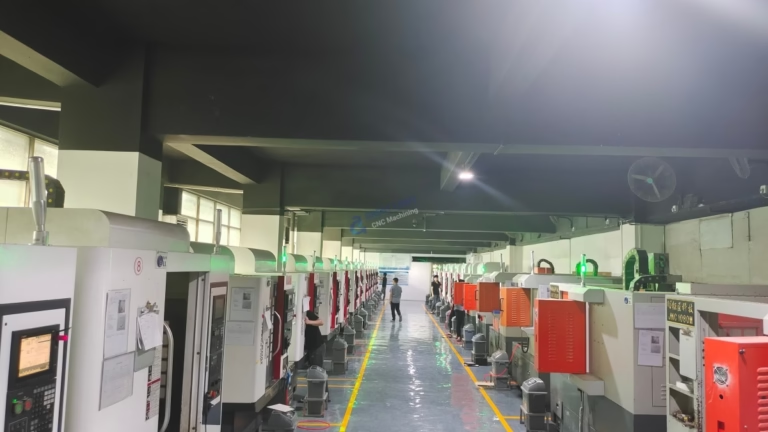
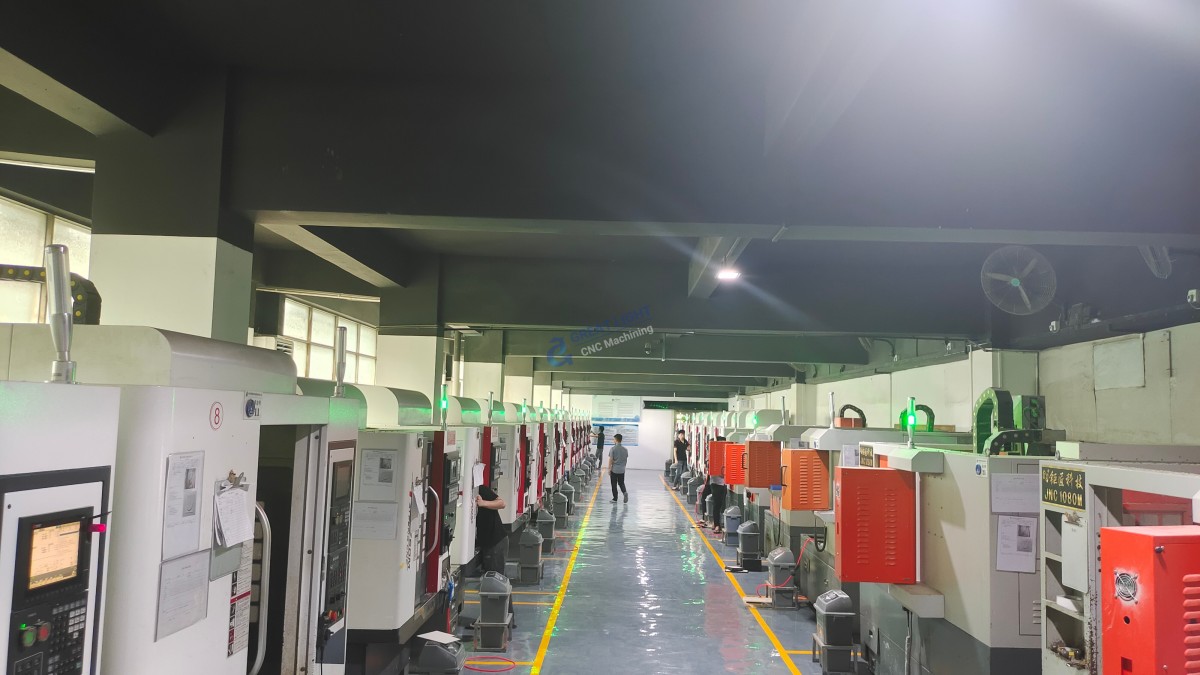
For over a decade, GreatLight has specialized in both subtractive CNC machining and additive 3D printing, giving clients the flexibility to choose the best process for their unique needs. With a 7600-square-meter facility, 150 employees, and 127 pieces of precision equipment—including large high-precision 5-axis CNC machining centers, SLM 3D printers, and EDM machines—GreatLight is equipped to handle even the most complex manufacturing challenges.
What sets GreatLight apart is its commitment to quality and customer-centric solutions:
Unrivaled Precision: Achieve tolerances as tight as ±0.001mm, with a maximum processing size of 4000mm, making it ideal for large-scale parts in aerospace and automotive industries.
Comprehensive Certifications: ISO 9001:2015, IATF 16949 (automotive), ISO 13485 (medical), and ISO 27001 (data security) ensure that every part meets international quality standards, critical for regulated industries.
One-Stop Post-Processing: From anodizing and powder coating to polishing and plating, GreatLight offers full surface finishing services to deliver ready-to-use parts, eliminating the need for third-party vendors.
Risk-Free Guarantee: Free rework for quality problems, with a full refund if rework doesn’t meet your specifications, giving you peace of mind throughout the project lifecycle.
Cross-Industry Expertise: GreatLight excels in customizing parts for humanoid robots, automotive engines, aerospace, medical devices, and more, leveraging both subtractive and additive processes to solve specific industry pain points.
For example, when a European automotive client needed high-precision engine valve components, GreatLight used 5-axis CNC machining (subtractive) to achieve the tight tolerances required for seamless performance, reducing assembly time by 20% compared to the client’s previous supplier. For a U.S. medical device company developing a custom implant prototype, the team used SLM 3D printing (additive) to create a lattice structure that improves bone integration, then finished the external surfaces with CNC machining to ensure a smooth, biocompatible finish.
Conclusion
To circle back to the core question: Is CNC Machining Additive Or Subtractive Manufacturing? The answer is clear—CNC machining is a subtractive manufacturing process, relying on removing material from a solid workpiece to create precise, high-strength parts. However, the best manufacturing strategy often combines both subtractive and additive methods, depending on the project’s requirements for precision, cost, complexity, and volume.
GreatLight CNC Machining Factory understands this balance better than most. With deep expertise in both CNC machining (subtractive) and 3D printing (additive), they can provide tailored solutions that meet your exact needs, whether you’re prototyping a new product or scaling up mass production. To learn more about their cross-industry projects and connect with their team of engineering experts, visit their LinkedIn page.
Frequently Asked Questions (FAQ)
1. Can CNC machining and additive manufacturing be used together on the same part?
Yes, many complex parts benefit from a hybrid approach. For example, you might use additive manufacturing to create a near-net-shape prototype with an intricate internal structure, then finish critical surfaces with CNC machining to achieve tight tolerances and a smooth surface finish. GreatLight regularly uses this hybrid method to solve clients’ most challenging manufacturing problems, reducing lead times and costs while maintaining quality.
2. What materials are best suited for CNC subtractive machining?
CNC machining works with almost any solid material, including:
Metals: Aluminum, stainless steel, titanium, copper, brass, mold steel
Plastics: ABS, PC, POM, PE, nylon, acrylic
Composites: Carbon fiber, fiberglass
GreatLight has extensive experience processing all these materials, with optimized cutting parameters for each to ensure maximum precision and minimal material waste.
3. Is additive manufacturing more cost-effective than CNC machining?
It depends on the project volume and complexity. For single prototypes or low-volume runs (1-10 parts), additive manufacturing is often more cost-effective because it eliminates the need for CNC setup costs. For high-volume runs (100+ parts), CNC machining is typically cheaper per part due to faster production speeds and lower material waste for most materials. GreatLight’s engineering team can help you analyze your project to determine the most cost-efficient approach.
4. How accurate is GreatLight’s CNC machining compared to additive processes?
GreatLight’s CNC machining can achieve tolerances as tight as ±0.001mm, which is significantly higher than most additive processes (which typically range from ±0.01mm to ±0.1mm). This makes CNC the preferred choice for parts where precision is critical, such as aerospace components, medical devices, and automotive engine parts.
5. What industries benefit most from CNC subtractive machining?
CNC machining is widely used across industries where precision, durability, and material versatility are key:
Aerospace: For turbine blades, structural components, and landing gear parts
Automotive: For engine components, transmission parts, and chassis components
Medical: For surgical instruments, implant components, and diagnostic equipment
Industrial Automation: For robot arms, gearboxes, and sensor housings
Consumer Electronics: For high-precision casings and internal components
GreatLight has deep expertise in all these sectors, with case studies demonstrating their ability to deliver high-quality parts that meet strict industry standards.
6. Does GreatLight offer design support for choosing between subtractive and additive processes?
Yes. GreatLight’s in-house engineering team provides free design for manufacturability (DFM) services, helping clients optimize their CAD models for either subtractive or additive manufacturing. This includes suggesting material choices, adjusting geometries to reduce costs, and recommending the best process to meet your project’s goals.



















