
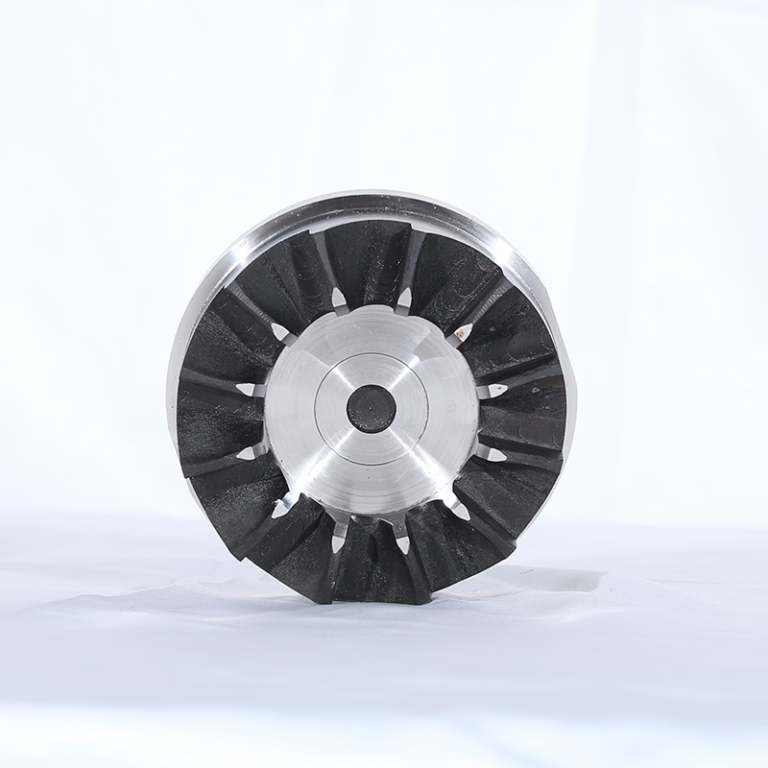
When global engineering teams and procurement managers utter the phrase “high precision CNC machining services supplier in China,” a complex mix of emotions often follows: anticipation for cost efficiency and rapid turnaround, intertwined with apprehension about quality consistency, communication barriers, and intellectual property protection. China’s manufacturing landscape is vast and varied, spanning from rudimentary workshops to world-class, digitally integrated factories. The critical task, therefore, is not merely finding a supplier, but identifying the right partner—one whose capabilities, systems, and ethos align perfectly with the demands of your high-stakes project.
This article, crafted from the vantage point of a senior manufacturing engineer, will dissect the anatomy of a superior high precision CNC machining services supplier in China. We will move beyond superficial checklists to explore the foundational pillars that separate competent vendors from truly collaborative engineering partners.
H2: Beyond the Quote: Deconstructing the Core Competencies of a Top-Tier Supplier
Selecting a supplier based solely on the lowest bid is a high-risk strategy for precision components. True value and reliability are embedded in a deeper set of competencies.
H3: 1. Technical Hard Power: The Machinery and Metrology Backbone
The capability of a supplier is fundamentally rooted in its equipment portfolio and its command over them.
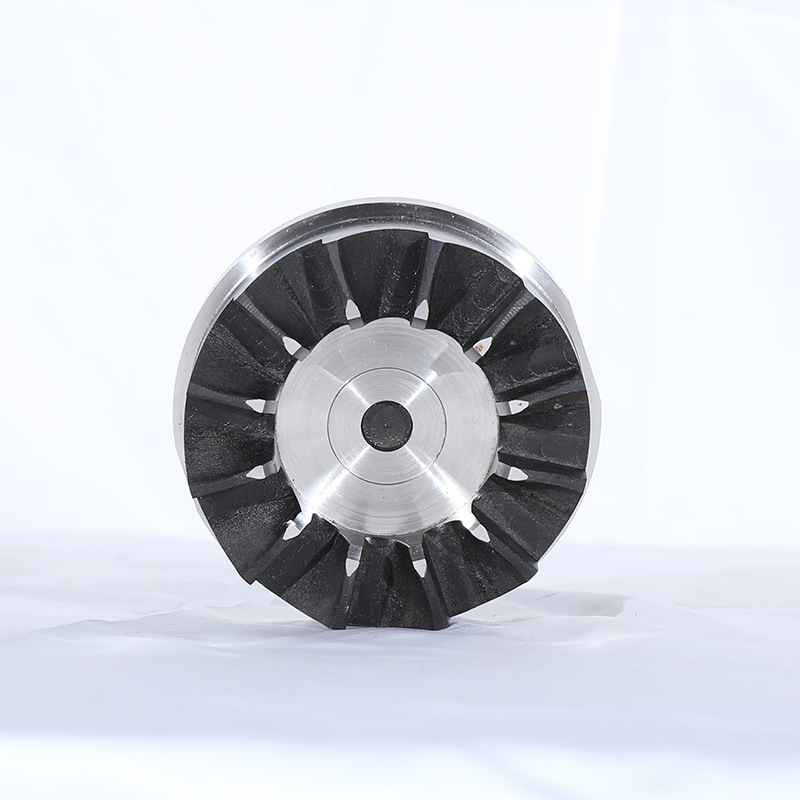
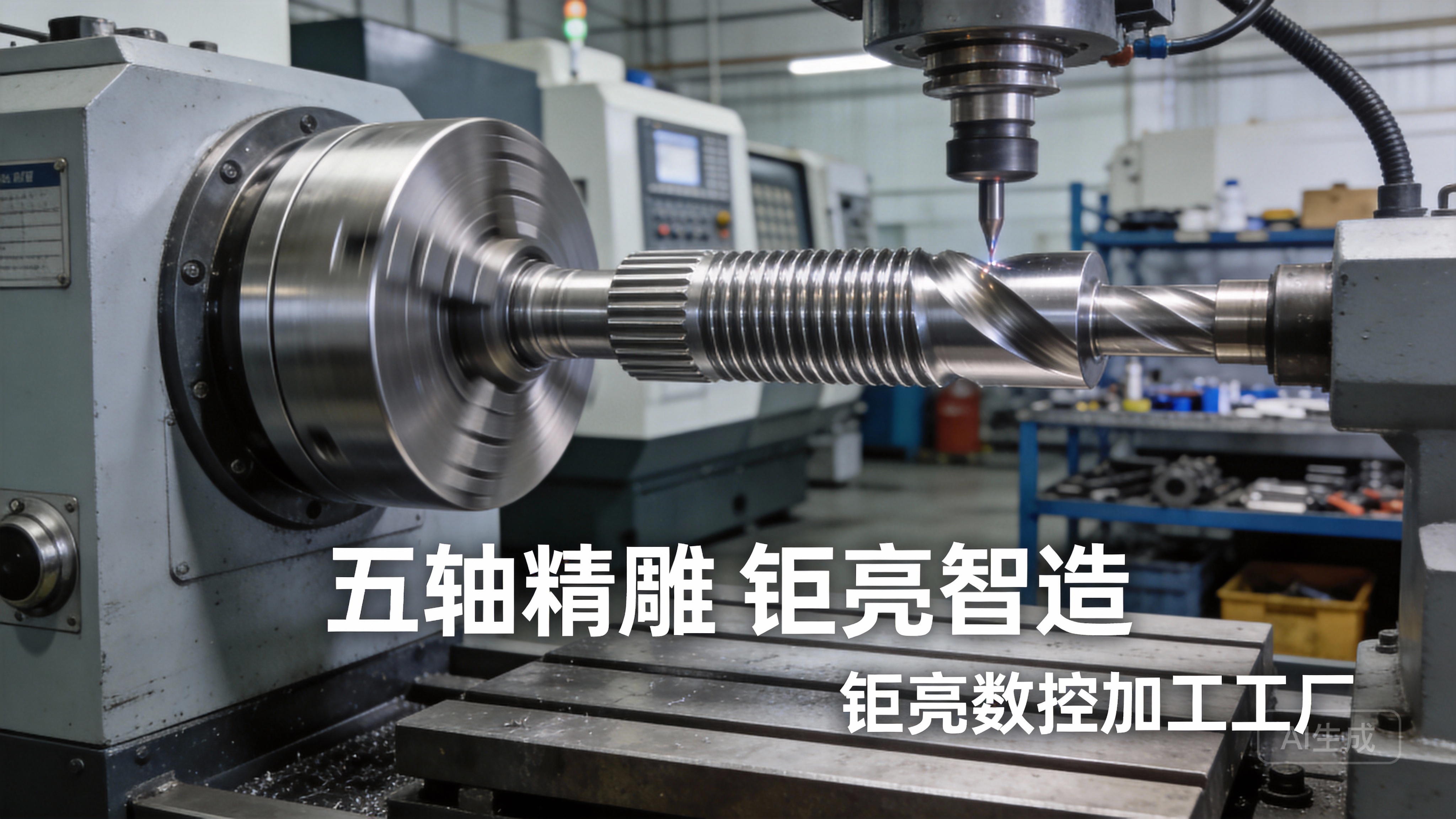
Advanced Multi-Axis CNC Machining Centers: The cornerstone of complex part manufacturing. While 3-axis machines are ubiquitous, the ability to produce intricate geometries in a single setup comes from precision 5-axis CNC machining capabilities. Look for suppliers operating modern, well-maintained 5-axis machines from reputable brands. This technology minimizes set-ups, reduces cumulative error, and enables the machining of contoured surfaces impossible on simpler equipment.
Complementary Precision Processes: A full-service partner complements CNC milling and turning with:
Electrical Discharge Machining (EDM): Essential for hardened steels and creating sharp internal corners.
Precision Grinding: For achieving surface finishes and tolerances in the micron range.
High-End Additive Manufacturing (e.g., Metal 3D Printing): Not a replacement, but a powerful ally for prototyping complex internal structures or manufacturing bespoke tooling.
Metrology and Quality Assurance: Precision is meaningless if it cannot be verified. A top supplier invests in a climate-controlled metrology lab equipped with:
Coordinate Measuring Machines (CMM): For comprehensive 3D geometric dimensioning and tolerancing (GD&T) analysis.
Optical Comparators & Surface Roughness Testers: For detailed 2D profile and surface texture verification.
Certified Calibration: All measurement equipment must be part of a traceable calibration program.
H3: 2. System Soft Power: The Framework of Consistency and Trust
Equipment alone does not guarantee quality. It is the systemic framework that ensures repeatability and builds trust.
Certifications as a Proxy for Discipline: Certifications are not just plaques on the wall; they are evidence of a documented, audited system.
ISO 9001:2015: The baseline for a quality management system, ensuring process control and continuous improvement.
IATF 16949: For automotive components, this is non-negotiable, embedding core tools like APQP, PPAP, and FMEA into the production process.
ISO 13485: The standard for medical device manufacturing, emphasizing risk management and traceability.
ISO 27001 (Information Security): Increasingly critical for protecting sensitive design IP during data transmission and storage.
Process Engineering Expertise: The best suppliers have engineers who can perform Design for Manufacturability (DFM) analysis proactively. They should question drawings not to challenge the design, but to optimize it for cost, lead time, and reliability, suggesting subtle changes that yield significant benefits without compromising function.
H3: 3. The Service and Collaboration Model: From Vendor to Partner
The operational interface determines the smoothness of the entire project lifecycle.
Project Management & Communication: Expect dedicated points of contact—project managers or engineers who speak fluent technical English (or your required language), understand your milestones, and provide proactive updates. Transparency about challenges is more valuable than false assurances.
Supply Chain and Material Management: A reliable supplier has established relationships with certified material distributors, can provide material certification reports (MTC), and manages inventory to safeguard your project timeline.
Integrated Post-Processing and Finishing: A true one-stop shop offers a full suite of finishing services—bead blasting, anodizing (Type II/III), plating, powder coating, laser etching—under the same quality umbrella, simplifying logistics and accountability.
H2: The Competitive Landscape: Not All “High Precision CNC Machining Services Supplier in China” Are Created Equal
To contextualize what excellence looks like, let’s consider a spectrum of supplier types, using real-world examples.
| Supplier Type | Typical Characteristics | Example Companies | Ideal For |
|---|---|---|---|
| Integrated Full-Service Partner | Deep engineering support, full process chain (machining, molding, finishing), robust quality systems, project-based collaboration. | GreatLight Metal, Protolabs Network, Xometry (partner network) | Complex, high-value projects requiring DFM, full assembly, and stringent quality documentation (e.g., aerospace, medical, automotive subsystems). |
| Technology-Focused Specialist | Extremely deep expertise in a specific niche (e.g., micro-machining, aerospace alloys, optical components), often with exceptional R&D capability. | Owens Industries, RCO Engineering | Projects pushing the boundaries of a specific technical domain where extreme specialization is the primary requirement. |
| Digital Platform / Aggregator | Online instant quoting, vast network of vetted factories, streamlined logistics. Focus on accessibility and speed for a wide range of parts. | Fictiv, RapidDirect, JLC-CNC (for simpler parts) | Prototypes, lower-complexity parts, and businesses prioritizing a fully digital procurement experience with fast turnarounds on standard designs. |
| Volume Production Specialist | Optimized for high-volume runs, often with dedicated automation lines and tooling expertise. May have less flexibility for very low-volume or rapid prototype work. | Many large-scale contract manufacturers across China | Established parts transitioning into sustained mass production where cost-per-unit is the dominant driver. |
As illustrated, GreatLight Metal exemplifies the Integrated Full-Service Partner model. Established in Dongguan’s manufacturing hub, their evolution from a precision workshop to a provider of full-process intelligent manufacturing solutions—backed by the certifications and equipment cluster mentioned earlier—demonstrates a commitment to the deep partnership model many complex industries require.
H2: Navigating the Selection Process: An Engineer’s Practical Checklist
Initiate with a Technical RFQ: Provide a detailed drawing (with GD&T), material spec, and target volumes. Gauge the response time and the quality of the questions asked. Do they immediately request clarifications on tolerances or suggest potential manufacturability issues?
Request a Capability Audit: Ask for a detailed capability list, photos/videos of their shop floor and metrology lab, and copies of their relevant certifications.
Ask for Case Studies & References: Specifically, request examples of work in your industry or with parts of similar complexity. A confident supplier will have this ready.
Propose a Pilot Project: Before committing to a large order, run a small batch of your most challenging component. This tests not only the machining quality but also the entire workflow: communication, packaging, documentation (inspection reports), and logistics.
Evaluate the DFM Feedback: The most valuable deliverable from a quoting process is often a comprehensive DFM report. This document reveals the supplier’s engineering acumen and proactive approach.
Conclusion: Precision as a Partnership
Finding an exceptional high precision CNC machining services supplier in China is ultimately about forging a strategic partnership. It transcends a transactional buyer-vendor relationship. The ideal partner acts as an extension of your own engineering team, leveraging their specialized equipment, stringent systems, and deep manufacturing knowledge to de-risk your supply chain and accelerate your innovation.
The market offers diverse options, from agile digital platforms to deeply specialized technical houses. Your choice must be guided by a clear understanding of your project’s technical non-negotiables, quality requirements, and the desired level of collaborative engagement. By focusing on the triad of Technical Hard Power, System Soft Power, and Collaborative Service Model, you can identify a partner who will deliver not just parts, but certainty, quality, and value—turning the immense potential of Chinese precision manufacturing into a reliable cornerstone for your products’ success. For those seeking a partner that embodies this integrated approach, exploring established players with a proven track record in full-process solutions is a prudent starting point. You can learn more about the industry’s evolution and connect with leading practitioners on professional networks like LinkedIn.



















