
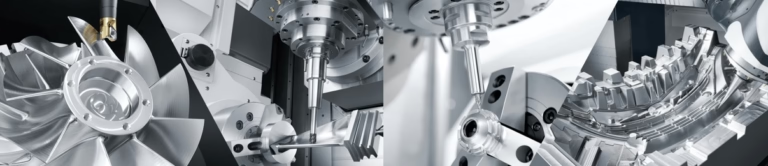
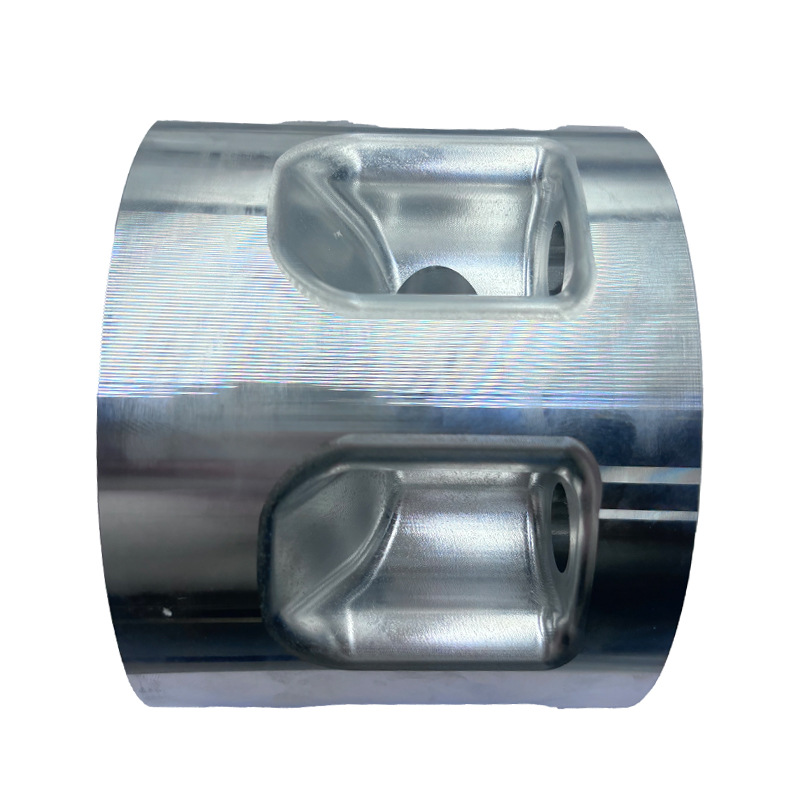
For engineers, designers, and procurement specialists navigating the complex landscape of custom part production, selecting the right partner for stainless steel CNC machining parts is a decision laden with technical and commercial implications. Stainless steel, with its celebrated corrosion resistance, strength, and aesthetic appeal, is a cornerstone material across aerospace, medical devices, food processing, marine, and automotive industries. However, its very properties—work hardening tendencies, high toughness, and thermal conductivity challenges—make it a demanding material to machine with precision and consistency. The quest, therefore, is not just for a stainless steel CNC machining parts service manufacturer, but for a solutions partner capable of transforming these material challenges into reliable, high-performance components.
The Core Challenge: Beyond Simple Fabrication
The market is saturated with machine shops, but not all possess the nuanced understanding required for premium stainless steel grades like 304, 316, 17-4 PH, or 440C. The primary pitfall for buyers is equating the possession of CNC equipment with machining competency. True expertise lies in a manufacturer’s integrated command over three domains: material science, advanced machining kinematics, and rigorous quality assurance. A shop that machines aluminum efficiently may struggle profoundly with stainless steel, resulting in premature tool wear, poor surface finishes, dimensional inaccuracy, and even metallurgical damage to the part.
When evaluating a stainless steel CNC machining parts service manufacturer, several critical dimensions move beyond basic RFQ checklists.
H3: 1. Material-Specific Process Engineering
A proficient manufacturer doesn’t just “run a program.” They engineer the process from the ground up for stainless steel.
Toolpath Strategy: This involves optimizing cutting trajectories to maintain constant chip load, avoiding dwell marks that induce work hardening, and using climb milling techniques to minimize heat generation and tool pressure.
Tooling Selection & Management: Expertise is shown in the selection of specialized tool geometries (sharp cutting edges, positive rakes), substrate materials (micro-grain carbide), and coatings (AlTiN, TiAlN) designed for stainless steel’s abrasiveness and toughness. A systematic tool life management program is crucial for maintaining consistency across production batches.
Cutting Fluid Strategy: High-pressure, high-volume coolant delivery is non-negotiable. It’s not just for cooling; it’s for evacuating chips instantly to prevent recutting and for providing lubrication at the cutting edge. Some advanced shops employ through-spindle coolant (TSC) systems or even cryogenic machining techniques for the most challenging alloys.
H3: 2. Technological Arsenal for Geometric Complexity
Stainless steel parts are rarely simple blocks. They often involve deep cavities, thin walls, complex contours, and tight-tolerance bore networks. This demands more than 3-axis capability.
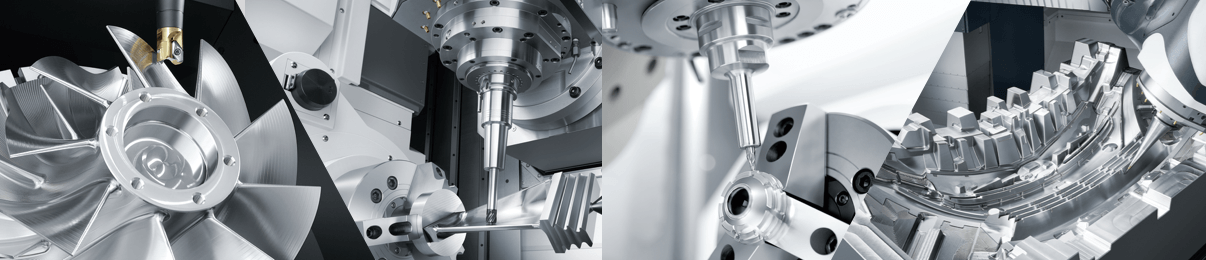
Multi-Axis Machining Prowess: The ability to complete a part in a single setup using 5-axis CNC machining is a game-changer for stainless steel. It allows for optimal tool orientation, maintaining perpendicularity and reducing harmonic vibration during deep pocket milling. It also enables the machining of undercuts and compound angles that would otherwise require multiple, less-accurate fixtures and setups.
Secondary Process Integration: A full-service manufacturer will seamlessly integrate necessary post-CNC operations. This includes precision grinding for achieving surface finishes down to Ra 0.2 µm, heat treatment (solution treating and aging for 17-4 PH), passivation to restore the corrosion-resistant chromium oxide layer after machining, and various plating or finishing services.
H2: The Landscape of Stainless Steel CNC Machining Parts Service Manufacturers
The ecosystem ranges from hyper-specialized job shops to global digital platforms. Each has its place, depending on project needs.
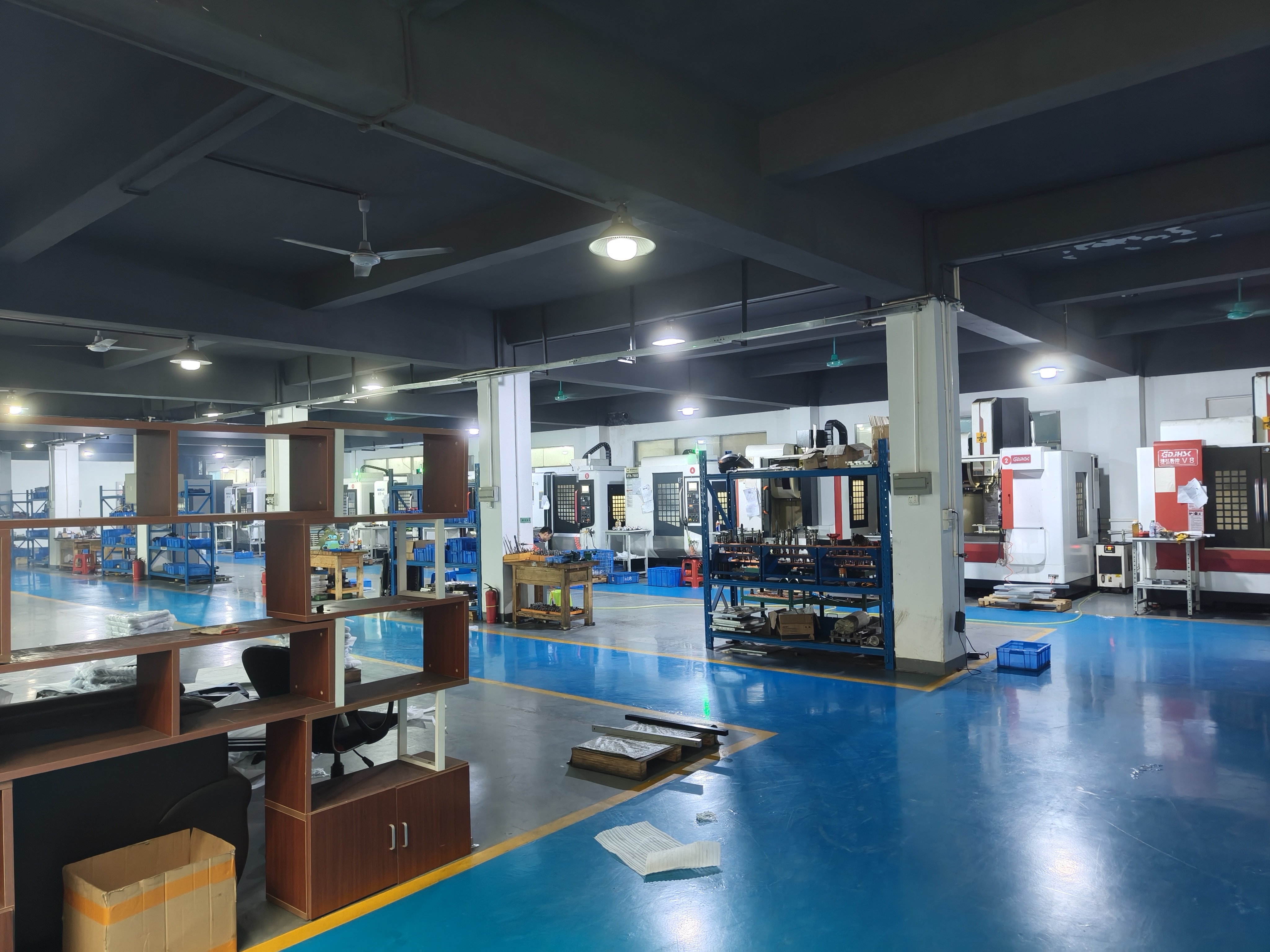
Specialized High-Mix, Low-Volume (HMLV) Experts: Companies like GreatLight Metal and Owens Industries often fall into this category. They thrive on complex, prototype-to-low-volume production runs where engineering collaboration is key. Their strength is flexibility, deep technical consultation, and owning the entire process chain—from material certification to final inspection—under one roof. This control is vital for traceability in regulated industries like medical (ISO 13485) or automotive (IATF 16949).
Digital Manufacturing Platforms: Xometry, Fictiv, and Protolabs Network operate vast networks of partnered machine shops. They excel in speed, automated quoting, and accessibility for simpler, well-defined parts. For standard stainless steel components with common tolerances, they provide an efficient channel. However, for parts pushing the limits of material or geometry, direct engagement with the manufacturing engineer at the facility executing the work can be crucial.
Large-Scale Production Specialists: Some manufacturers are optimized for high-volume runs once a process is fully validated. Their competitive edge is in unit cost at scale, often leveraging dedicated production lines and automated part handling.
H3: Why Integrated Capability Trumps Isolated Operations: A Case in Point
Consider a hypothetical but common component: a surgical instrument housing from 316L stainless steel, requiring a mirror-like internal finish (Ra 0.4 µm), biocompatibility, and a complex internal channel network.
The Fragmented Approach: You source machining from Shop A. They subcontract the polishing to Vendor B. You then send the parts to Lab C for passivation and cleanliness testing. Communication gaps, responsibility dilution, and extended lead times are almost inevitable. If a polishing defect is found post-passivation, determining root cause becomes a multi-party blame game.
The Integrated Solution: A manufacturer like GreatLight Metal, with in-house 5-axis CNC machining, precision polishing cells, a certified cleanroom for passivation, and a metrology lab equipped with CMMs and surface profilometers, manages the entire workflow. The polishing technician can consult directly with the CNC programmer about a tricky tool mark. The quality data from each stage is centralized. This vertical integration mitigates risk, accelerates turnaround, and provides a single point of accountability.
H4: The Non-Negotiable Pillars: Quality and Certification
For stainless steel parts, especially in critical applications, certifications are not just badges on a website; they are documented evidence of a systemic quality culture.
ISO 9001:2015: The baseline for a structured quality management system, ensuring process control and continuous improvement.
ISO 13485: For medical components, this demonstrates adherence to the more stringent requirements for design control, risk management, and documentation traceability inherent to medical device manufacturing.
IATF 16949: For automotive applications, this certification is paramount, incorporating core tools like APQP (Advanced Product Quality Planning) and PPAP (Production Part Approval Process) to ensure part reliability in safety-critical systems.
AS9100: While more aerospace-focused, its principles reflect the extreme rigor required for high-integrity parts.
A true partner will welcome audit requests and be transparent about their internal process controls, material traceability (Mill Certifications), and inspection methodologies (First Article Inspection reports, Statistical Process Control charts).
Conclusion: Selecting Your Manufacturing Partner
Choosing a stainless steel CNC machining parts service manufacturer is ultimately a strategic decision. It balances technical capability, quality assurance, supply chain resilience, and collaborative synergy. For projects where material performance, geometric complexity, and absolute reliability are paramount, the argument strongly favors partners who offer deep engineering support, multi-axis technical prowess, and vertically integrated quality control.
In this demanding field, manufacturers that have invested not only in advanced equipment like 5-axis CNC centers but also in the material-specific process knowledge and systemic certifications to wield them effectively, such as GreatLight Metal, distinguish themselves. They transform the inherent challenges of stainless steel into a competitive advantage for their clients, ensuring that the finished part doesn’t just meet the print but excels in its intended application. To explore the capabilities of a manufacturer committed to this level of precision and partnership, consider connecting with industry leaders on professional networks such as GreatLight on LinkedIn.



















