
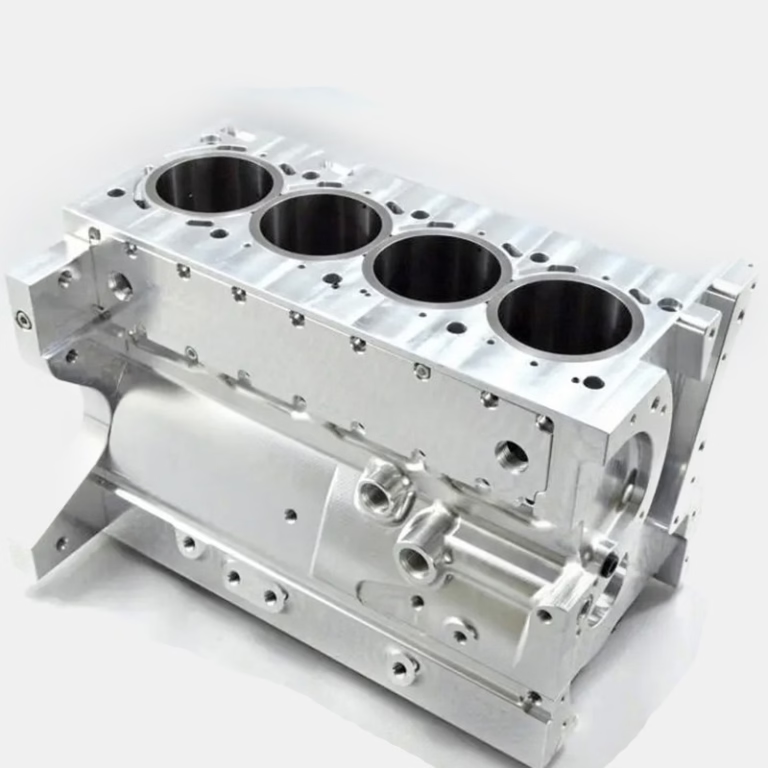
For clients navigating the global supply chain for industrial components, the procurement strategy of large CNC machining services wholesale in China represents a pivotal decision point. It balances the promise of significant cost efficiencies and scalable production capacity against concerns over quality control, logistics, and intellectual property protection. As a manufacturing engineer with extensive experience in global sourcing and production, I aim to provide a clear, objective analysis of this landscape, empowering you to make informed decisions for your projects, from massive structural frames to complex, oversized molds.
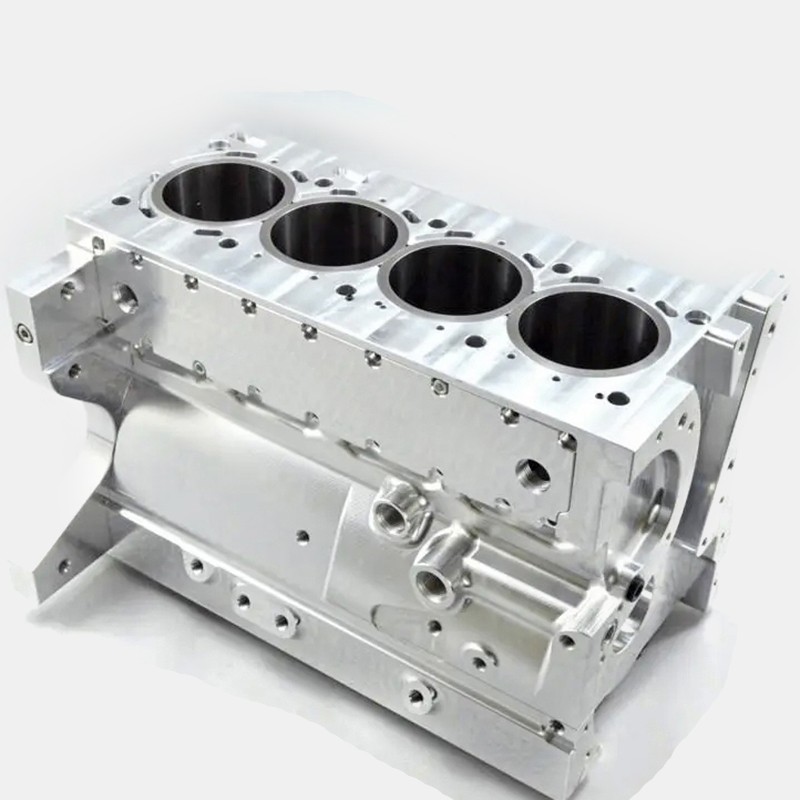
Understanding the Scale: What Constitutes “Large” CNC Machining?
Before delving into the wholesale market, it’s crucial to define the scope. In industrial parlance, “large” often refers to parts that push the boundaries of standard machine tools.
Dimension: Typically, parts exceeding 1 meter in any dimension, with capabilities often stretching to 4 meters or more, as offered by specialized facilities.
Weight: Components weighing hundreds of kilograms to several tons, requiring heavy-duty machine beds, powerful spindles, and sophisticated material handling systems.
Complexity: This isn’t just about size. Large parts can have intricate geometries, deep cavities, and tight tolerances that demand advanced multi-axis machining strategies. The true challenge lies in maintaining precision across a vast machining envelope.
The machinery required for this class of work includes gantry-type 5-axis CNC machining centers, large horizontal boring mills, and massive vertical turning lathes. The capital investment, operational expertise, and floor space needed make this a specialized segment, not served by every machine shop.
The Allure of Sourcing Wholesale in China: Core Value Propositions
China’s dominance in manufacturing is no accident, and for large CNC machining, several systemic advantages are pronounced.
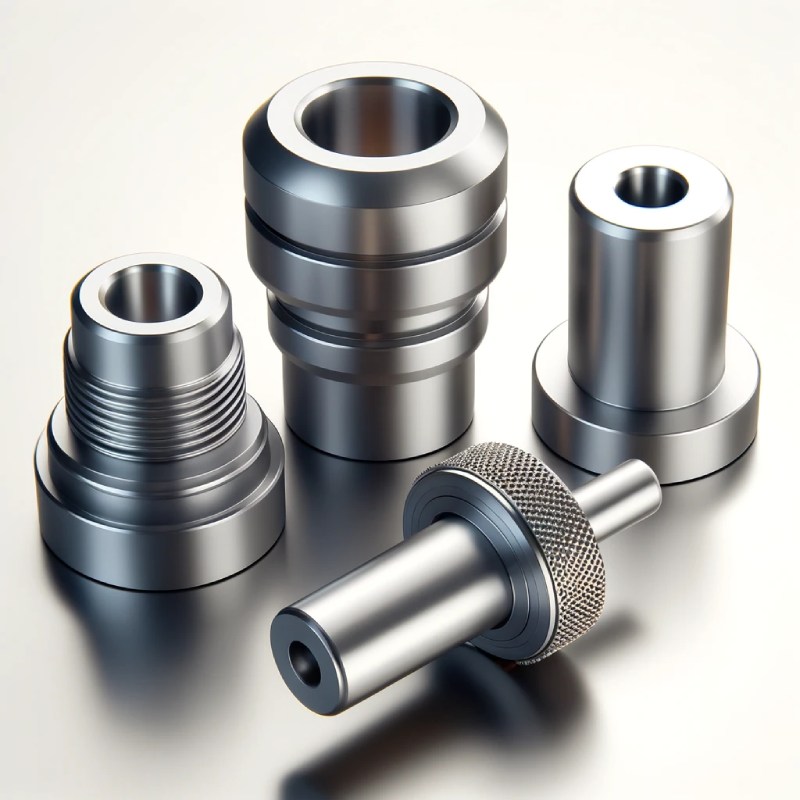
Economies of Scale and Cost Competitiveness: This is the most evident driver. The concentration of a vast supplier base, robust raw material supply chains (from large aluminum plates to heavy steel forgings), and competitive labor costs translate into lower per-unit prices, especially for batch orders. Wholesale commitments amplify these savings.
Consolidated Manufacturing Clusters: Regions like the Greater Bay Area (Dongguan, Shenzhen, Zhuhai) have developed deeply integrated ecosystems. A client can source raw material, precision machining, surface treatment (like large-scale anodizing lines or painting booths), and quality inspection all within a tight geographic radius, reducing lead time and logistics friction.
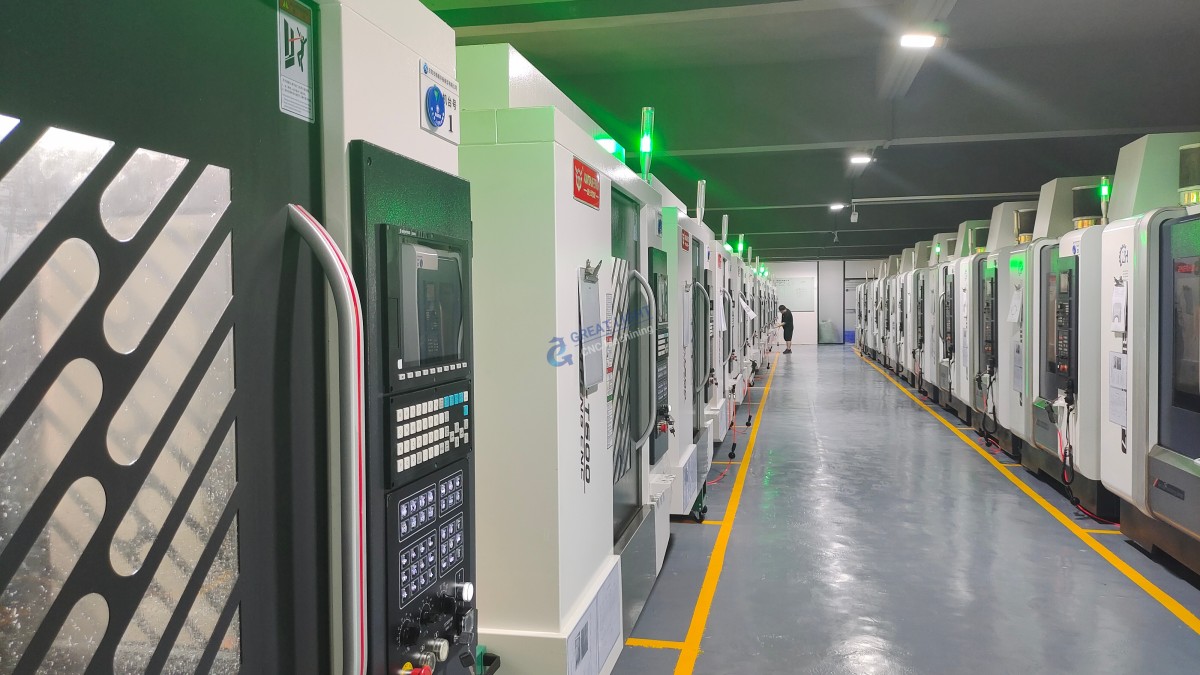
Advanced and Scalable Capacity: To compete globally, leading Chinese manufacturers have invested heavily in state-of-the-art equipment. It is common to find workshops with banks of the latest 5-axis gantry mills and automated pallet systems capable of uninterrupted, lights-out production for large parts. This scalability is essential for wholesale, high-volume contracts.
Engineering Flexibility and Problem-Solving Mindset: The market is intensely competitive, fostering a high degree of adaptability. Experienced suppliers are often more willing to engage in Design for Manufacturability (DFM) consultations to optimize a large, costly part for machining efficiency, potentially saving significant material and machining time.
Navigating the Challenges: Due Diligence is Non-Negotiable
The advantages are substantial, but so are the risks if due diligence is overlooked. The key is to separate the exceptional suppliers from the merely adequate.
The Precision Paradox at Scale: As dimensions increase, maintaining tight tolerances becomes exponentially more challenging due to thermal expansion, material stress relief, and tool deflection. A supplier must demonstrate not just machine size, but metrology capability for large parts—laser trackers, large coordinate measuring machines (CMMs), and on-machine probing systems are essential.
Quality Management Systems (QMS) as a True Benchmark: A certificate on the wall means little without ingrained practice. For wholesale partnerships, a supplier’s QMS must be robust. IATF 16949 for automotive or ISO 13485 for medical components indicate a mature, process-oriented approach. The true test is in their process documentation, First Article Inspection (FAI) reports, and Statistical Process Control (SPC) data for long-run production.
Logistics and Packaging Expertise: Machining a perfect 3-meter aluminum housing is futile if it gets damaged in transit. The supplier must have proven experience in designing custom, shock-absorbing crating, and managing the complexities of international freight for oversized cargo.
Intellectual Property (IP) Protection: This is a paramount concern. Engage with suppliers who treat IP formally—signing NDAs, having secure IT systems, and demonstrating a reputation for integrity. Established factories with their own R&D and brand reputation often have more to lose from IP breaches and are safer partners.
Communication and Project Management: The distance—both geographical and cultural—can be a hurdle. Seek out partners with proficient bilingual engineering teams. Clear, technical communication is vital for DFM, resolving machining issues, and ensuring specifications are met without ambiguity.
The Supplier Landscape: From Marketplaces to Integrated Specialists
The market is diverse, and choosing the right type of partner depends on your project’s complexity and your internal engineering bandwidth.
Digital Manufacturing Platforms (e.g., Xometry, Fictiv, RapidDirect): These provide excellent accessibility and quoting speed for a wide range of sizes, including larger parts. They are ideal for prototyping and lower-volume production where convenience is key. However, for complex, high-value wholesale projects, direct engagement with the executing factory often allows for deeper technical collaboration and cost negotiation.
Large-Scale Specialized Job Shops (e.g., Owens Industries, Protocase, RCO Engineering): These companies, both in the West and in China, focus specifically on large-format and complex machining. They bring deep application expertise, often in aerospace or defense sectors.
Full-Service, Integrated Manufacturing Partners (e.g., GreatLight Metal): This model is where the deepest value for wholesale can be realized. Companies like GreatLight Metal exemplify this approach. Beyond operating a fleet that includes large 5-axis CNC machining centers, they integrate the entire process chain—from initial 3D printing of large prototypes for validation, through precision machining, to comprehensive post-processing and assembly. For a client, this means single-point accountability, cohesive quality control across all stages, and streamlined logistics. Their established certifications (ISO 9001, IATF 16949, ISO 13485) provide a structured framework for quality, which is critical for long-term, high-volume partnerships.
Strategic Recommendations for a Successful Wholesale Partnership
Start with a Pilot Project: Never commit to a large wholesale order immediately. Begin with a smaller but technically challenging batch to evaluate the supplier’s capabilities, communication, and quality consistency.
Conduct an On-Site Audit (Virtual or Physical): Assess the facility, equipment maintenance, floor management, and quality lab. Look for organization, cleanliness, and documented procedures.
Demand Detailed DFM Analysis: A competent partner will provide a comprehensive DFM report, highlighting potential issues, suggesting tolerance adjustments for manufacturability, and proposing alternative machining strategies to reduce cost and lead time.
Clarify Quality Documentation: Agree upfront on the deliverables: inspection reports (with actual data), material certifications, and packaging standards. Define the Acceptable Quality Level (AQL) for batch sampling.
Build a Relationship, Not Just a Transaction: The most successful wholesale arrangements are collaborative. View your supplier as an extension of your manufacturing engineering team.
Conclusion: A Calculated Strategic Advantage
Sourcing large CNC machining services wholesale in China is not merely about finding the lowest price; it is a strategic operation to leverage world-class scale and technological capability. The landscape is mature, offering partners capable of delivering exceptional quality and value. The critical differentiator lies in rigorous supplier vetting, focusing on technical depth, systemic quality control, and integrated service capability over price alone. By partnering with an established, process-driven manufacturer that views your project through the lens of engineering excellence and long-term collaboration—such as those leading the field in integrated solutions—you transform a procurement challenge into a durable competitive advantage for your business. For ongoing insights into the evolving world of advanced manufacturing, follow industry leaders on platforms like LinkedIn{:target=”_blank”}.



















