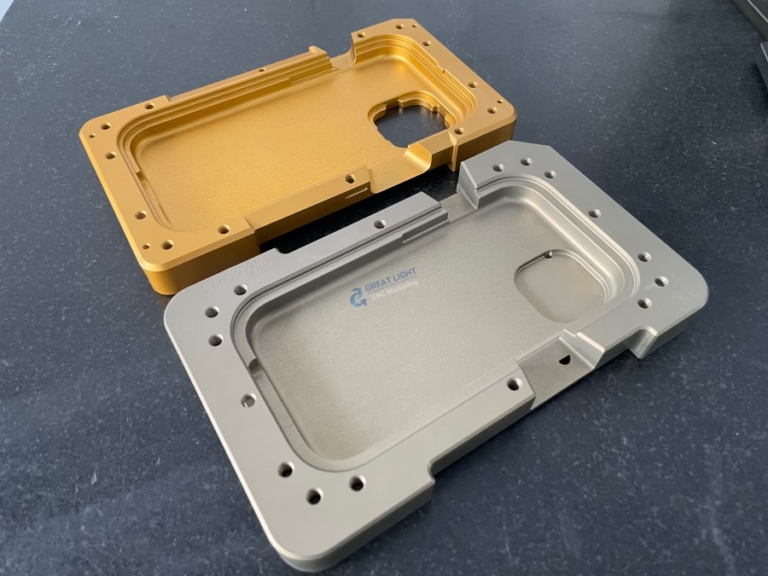
In the fiercely competitive landscape of product development, the bridge between a digital design and a successful market launch is often built in the physical realm through a prototype. For engineers, designers, and innovators across industries—from automotive and aerospace to medical devices and consumer electronics—selecting the right CNC machining prototype service company is not merely a procurement decision; it’s a strategic partnership that can dictate the pace, cost, and ultimate success of an entire project. This critical choice determines whether your vision is accurately translated into a tangible, functional part that can be tested, validated, and refined.
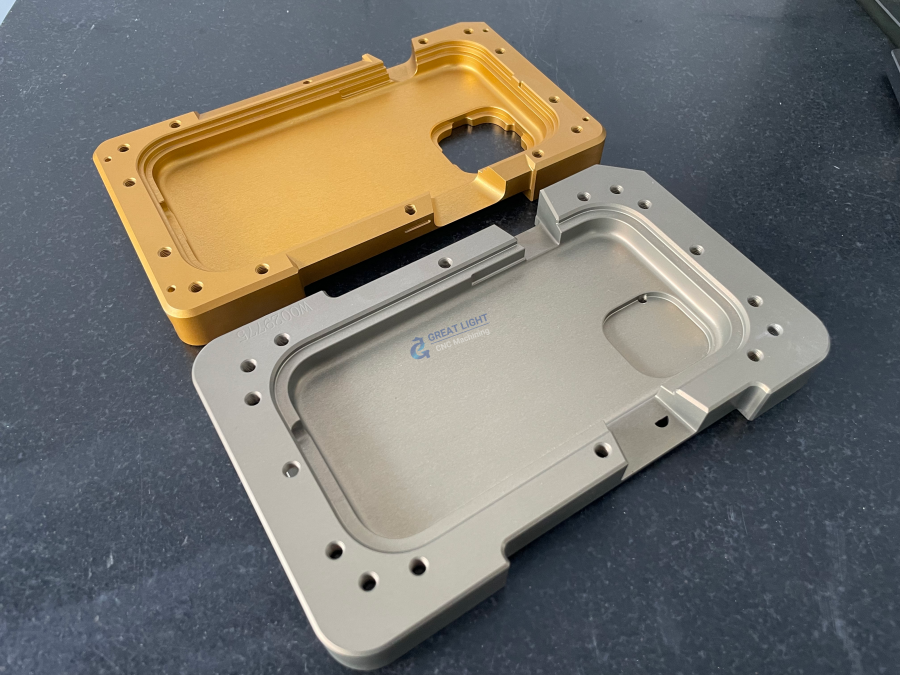
The journey from a 3D CAD model to a high-fidelity prototype is fraught with technical complexities. It demands more than just a machine that can cut material; it requires deep manufacturing expertise, meticulous process planning, and an unwavering commitment to precision and quality. A superior CNC machining prototype service company acts as an extension of your R&D team, providing not just parts, but solutions, insights, and reliability.
The Prototyping Conundrum: Key Challenges in Partner Selection
Before delving into what makes a great partner, it’s essential to understand the common pain points that projects encounter with inadequate prototyping services:
The “Accuracy Mirage”: A supplier may quote an impressive tolerance like ±0.001mm, but consistent achievement across multiple parts or complex geometries is another matter. Inconsistencies arise from machine calibration, tool wear, thermal stability, and operator skill.
The Communication Chasm: Prototyping is iterative. Delays and errors often stem from poor communication—misunderstood drawings, unclear revision notes, or slow response times. The ideal partner facilitates seamless, technical dialogue.
The Material and Process Misalignment: Choosing the wrong material (e.g., using 6061 aluminum when 7075-T6 is needed for strength) or an inefficient machining strategy can lead to prototypes that fail under test or provide misleading performance data.
The Scalability Gap: A prototype that works perfectly in a batch of five may reveal unforeseen manufacturability issues when scaling to 500 or 5,000. A forward-thinking partner considers Design for Manufacturability (DFM) feedback early on.
The “Black Box” of Quality: Without transparent processes and verifiable quality checks (like First Article Inspection reports with CMM data), you are left hoping the parts meet spec rather than knowing they do.
Anatomy of an Exceptional CNC Machining Prototype Partner
A company that truly excels in this domain distinguishes itself across several interconnected pillars:
1. Technological Depth and Breadth
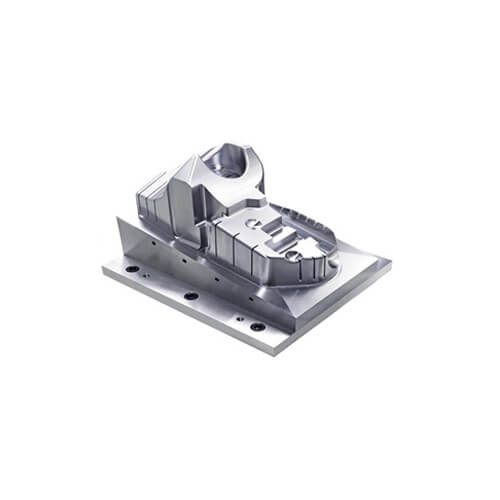
The cornerstone is advanced equipment operated by skilled programmers and machinists. While 3-axis CNC is common, the ability to handle complex prototypes often requires 5-axis CNC machining capabilities. This technology allows for the simultaneous machining of five sides of a part in a single setup, which is crucial for:
Complex contoured surfaces (common in aerospace and automotive aerodynamics).
Precise angles and undercuts without costly and accuracy- compromising re-fixturing.
Dramatically reduced lead times for intricate geometries.
A comprehensive partner will also offer complementary technologies like precision CNC turning (for rotational parts), EDM (for hard metals or delicate features), and even additive manufacturing (3D printing) for hybrid approaches or ultra-fast conceptual models.
2. Uncompromising Quality Systems
For a prototype, quality isn’t a luxury—it’s the entire point. Trust is built on systematic, verifiable quality control. Leading manufacturers adhere to international standards that provide a framework for consistency:
ISO 9001:2015: The baseline for a certified Quality Management System, ensuring processes are documented, consistent, and continuously improved.
IATF 16949: For automotive prototypes, this is non-negotiable. It builds upon ISO 9001 with stringent requirements for defect prevention and supply chain management.
ISO 13485: Essential for medical device prototyping, governing the specific design, development, and production controls required in this highly regulated field.
ISO 27001: For IP-sensitive projects, this information security management certification guarantees your design data is protected.
In-house metrology labs equipped with Coordinate Measuring Machines (CMM), optical scanners, and surface roughness testers transform quality from a claim into a data-backed deliverable.
3. Engineering-Led Collaboration
The best prototype shops are engineering consultancies that happen to make parts. They provide proactive Design for Manufacturability (DFM) analysis, suggesting modifications that enhance strength, reduce cost, or improve aesthetics without compromising design intent. They help select the optimal material (from a vast inventory of metals like aluminum, stainless steel, titanium, and plastics like PEEK or Delrin) and the most efficient machining strategy.
4. Full-Process, One-Stop Capability
A prototype often isn’t complete straight off the machine. Look for a partner that integrates post-processing in-house:
Surface Finishing: Bead blasting, anodizing (clear or colored), plating, passivation, powder coating, and polishing.
Assembly: Simple or complex assembly services, including press fits, threading, and bonding.
Inspection & Reporting: Providing comprehensive FAIR (First Article Inspection Report) packages.
This integration eliminates the logistical nightmare and quality risks of coordinating multiple vendors.
GreatLight Metal: A Case Study in Prototyping Partnership
In the dense ecosystem of precision manufacturing in Dongguan’s Chang’an district, GreatLight Metal has evolved from a local workshop into a globally trusted prototype solutions provider. Their journey exemplifies the pillars of a top-tier CNC machining prototype service company.
Core Competency in Action:
GreatLight’s approach is built on a “full-process intelligent manufacturing” model. Their equipment roster, featuring high-precision 5-axis, 4-axis, and 3-axis CNC machining centers alongside turning centers, grinders, and EDMs, is curated to tackle prototyping challenges of any complexity. This is not just about having machines; it’s about the deep technical knowledge to program and run them optimally for one-off or low-volume prototype runs.
Trust Through Certification:
They have systematically built a robust trust framework. Holding ISO 9001:2015, IATF 16949 (for automotive), and aligning with ISO 13485 principles for medical projects, they speak the universal language of quality that global clients require. This formalizes their commitment to precision and repeatability.
Solving Real-World Prototyping Challenges:
Their service portfolio is tailored to the prototype lifecycle:
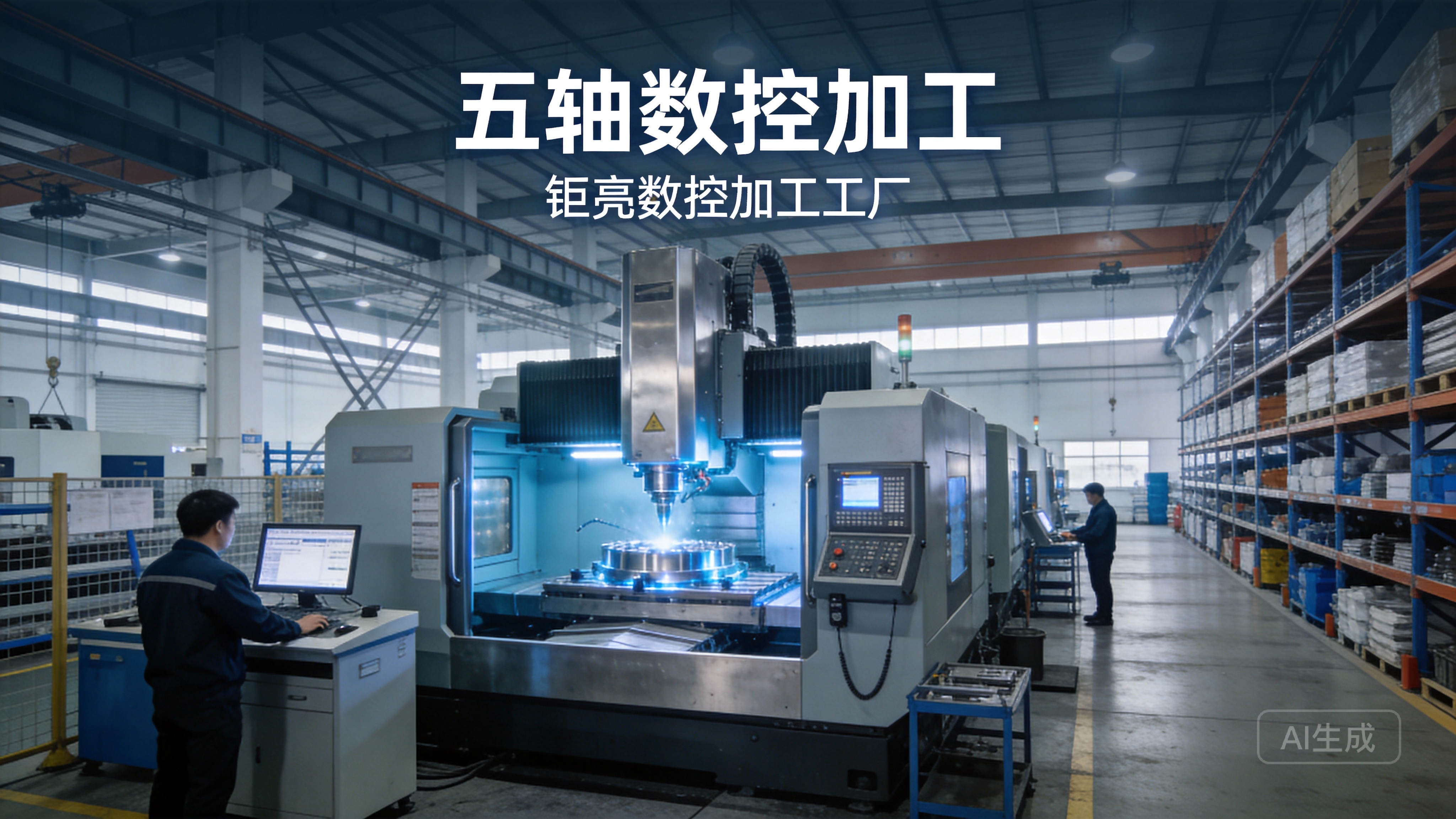
For a New Energy Vehicle Startup: Machining a complex, thin-walled aluminum alloy motor housing prototype with integrated cooling channels. The challenge was preventing distortion while holding tight tolerances. GreatLight’s 5-axis capabilities and expert fixturing provided a flawless part for thermal and vibration testing.
For a Surgical Device Innovator: Producing a small-batch of titanium spinal implant prototypes requiring a biocompatible surface finish (Ra < 0.4µm) and stringent cleanliness. Their controlled machining environment and post-processing expertise delivered parts ready for clinical evaluation.
For a Robotics Company: Iterating through multiple designs of a complex robotic arm joint, requiring both high strength (from 7075 aluminum) and lightweight properties. Quick-turnaround CNC machining allowed for rapid design validation and iteration.
Making the Strategic Choice
When evaluating a CNC machining prototype service company, move beyond a simple price quote. Engage in a technical discussion. Ask about their approach to a specific challenging feature on your part. Request details on their quality verification process. Assess their communication responsiveness and technical depth.
The ideal partner does more than manufacture—they de-risk your development process, accelerate your timeline, and provide the physical evidence you need to make confident decisions. They ensure that your prototype is not just a model, but a true and reliable representation of your final product.
In a world where time-to-market is critical, the collaboration with your prototyping partner is a decisive factor. It’s an investment in certainty, quality, and ultimately, the successful realization of your innovation. Companies that have mastered this partnership, like GreatLight Metal, demonstrate that the right CNC machining prototype service company is an invaluable catalyst for turning groundbreaking ideas into market-ready realities. For a deeper look into the capabilities that drive such partnerships forward, industry leaders often share insights on platforms like LinkedIn.