
How Often Should CNC Machine Coolant Be Changed? This is a question that haunts many CNC operators, procurement managers, and R&D engineers alike, as the right coolant maintenance schedule directly impacts tool life, part precision, and overall machining efficiency. For high-precision applications like those handled by specialized manufacturers, even minor coolant degradation can lead to costly scrap parts or missed tolerances—making this seemingly mundane task a critical component of quality control.
How Often Should CNC Machine Coolant Be Changed?
There is no one-size-fits-all answer to this question. The frequency of coolant changes depends on a combination of factors related to the coolant type, machining process, equipment design, and maintenance practices. Below, we break down these variables and provide actionable guidelines to optimize your coolant lifecycle.
Key Factors That Determine Coolant Change Frequency
To establish a reliable schedule, you must first understand how each operational element affects coolant integrity:
Coolant Type and Composition
The chemical makeup of your coolant is the most significant factor in its lifespan. Here’s how common types compare:
Synthetic coolants: Formulated with water-soluble polymers and no petroleum, these coolants resist bacterial growth and chemical breakdown. They are ideal for high-precision machining of aluminum, plastics, and non-ferrous metals.
Semi-synthetic coolants: A mix of synthetic additives and mineral oil, these balance lubricity and cooling efficiency. They work well for general-purpose machining of steel alloys and cast iron.
Emulsified coolants (oil-water emulsions): Made of mineral oil dispersed in water with emulsifiers, these are cost-effective but prone to bacterial growth due to their organic content. They are used for heavy-duty machining of cast iron and roughing operations.
Straight cutting oils: Petroleum-based or synthetic oils with no water content, these offer superior lubrication for high-pressure operations like gear cutting or deep drilling. They rarely break down but can accumulate contaminants over time.
Machining Operation Intensity and Material
The type of machining and material being cut directly impacts coolant degradation:
Heavy-duty machining: Operations like roughing titanium, stainless steel, or heat-treated alloys generate extreme heat, fine metal chips, and swarf that contaminate coolant and break down additives faster. For example, machining aerospace-grade titanium at high feed rates can reduce synthetic coolant life by 20–30% compared to light aluminum milling.
Light precision machining: Finishing operations for medical parts or high-end consumer electronics produce fewer contaminants, so coolant can last longer without degradation.
Coolant System Design and Volume
The size of your coolant tank and filtration efficiency play a critical role:
Large-volume tanks: Dilute contaminants and reduce the concentration of debris, extending coolant life by up to 50% compared to small tanks.
Filtration systems: High-efficiency filters (bag filters, magnetic separators, or centrifugal filters) remove swarf and particulate matter before they can mix with coolant. Poor filtration leads to rapid sludge buildup and additive breakdown.
Operating Environment
Workshop conditions can accelerate coolant degradation:
Temperature and humidity: Hot, humid environments promote bacterial growth in water-based coolants, leading to foul odors and reduced effectiveness.
Dust and debris: Dusty workshops introduce foreign particles that clog filters and contaminate coolant, especially in open tank systems.
Proactive Maintenance Practices
Regular upkeep can significantly extend coolant life:
pH level monitoring: Water-based coolants should maintain a pH between 8.0 and 9.5 to prevent rust and bacterial growth. Weekly checks using test strips or meters can catch imbalances early.
Biocide treatment: For emulsified or semi-synthetic coolants, periodic biocide additions prevent bacterial and fungal growth.
Contaminant removal: Draining sludge from the bottom of the tank monthly and skimming floating oil can keep coolant clean longer.
General Recommended Coolant Change Intervals (By Type)
The table below provides a starting point for coolant change schedules, but always adjust based on your specific operations:
| Coolant Type | Typical Change Interval | Best For |
|---|---|---|
| Synthetic | 6–12 months | High-precision machining (aluminum, plastic) |
| Semi-synthetic | 3–6 months | General-purpose steel and cast iron machining |
| Emulsified (oil-water mix) | 2–4 months | Heavy-duty roughing of cast iron |
| Straight cutting oil | 1–2 years (with filtration) | Gear cutting, deep drilling, threading |
Clear Signs Your Coolant Needs Immediate Replacement
Even if you follow a regular schedule, watch for these red flags that indicate coolant has degraded beyond use:
Visual cues: Cloudiness, discoloration, floating sludge, or visible rust particles in the coolant tank.
Foul odors: A rancid, rotten smell from water-based coolants signals bacterial growth.
Performance issues: Increased tool breakage, poor part surface finish, or inconsistent tolerances (a critical concern for high-precision parts like those produced with five-axis CNC machining services).
Rust or corrosion: Visible rust on machine components, tool holders, or finished parts indicates coolant is no longer providing corrosion protection.
How Professional CNC Shops Manage Coolant for Precision
For manufacturers specializing in ultra-high-precision parts (up to ±0.001mm tolerance) like those in aerospace, automotive, or medical fields, coolant management is not an afterthought—it’s a core part of quality control.
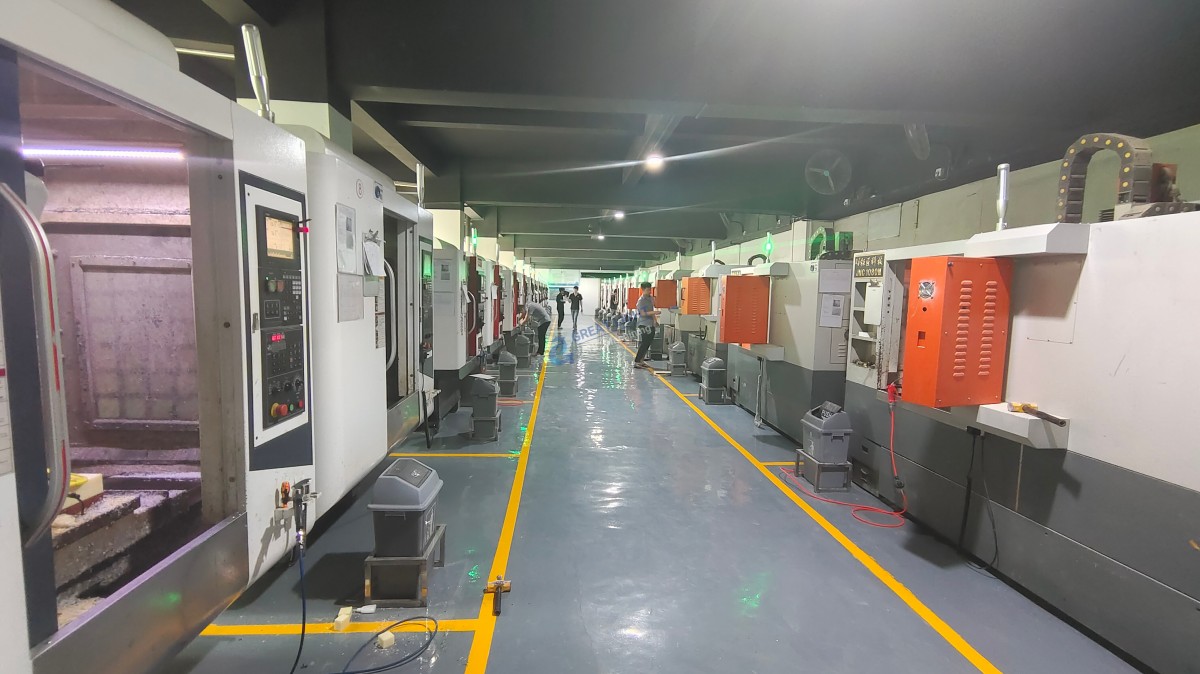
Take GreatLight CNC Machining Factory as an example. As an ISO 9001:2015 and IATF 16949 certified manufacturer, their team integrates rigorous coolant maintenance into every project:
Tailored schedules: For aerospace titanium machining, they use synthetic coolants changed every 6 months, with bi-weekly pH and contamination tests to ensure integrity.
Advanced filtration: All their CNC centers are equipped with multi-stage filtration systems that remove 99% of fine swarf, extending coolant life by 25% compared to standard setups.
Compliant disposal: They follow international environmental regulations for used coolant disposal, ensuring no harm to the environment or non-compliance issues for clients.
This level of attention to detail directly contributes to their ability to deliver consistent, high-precision parts and offer free rework for quality problems—something that’s only possible when every aspect of the machining process, including coolant health, is strictly managed.
Conclusion
How Often Should CNC Machine Coolant Be Changed? While general guidelines exist, the answer ultimately depends on your coolant type, machining operations, and maintenance practices. Proactive monitoring and adherence to tailored schedules will optimize tool life, reduce scrap costs, and ensure consistent part quality. For businesses that prioritize precision and reliability, partnering with a certified, experienced CNC manufacturer ensures that critical details like coolant management are handled to the highest industry standards. Whether you’re producing complex automotive engine components or delicate medical parts, trusting a specialist like GreatLight CNC Machining Factory will protect your investment and deliver results you can count on.
Frequently Asked Questions (FAQ)
Q: Can I extend the life of my CNC coolant beyond the recommended interval?
A: Yes, with diligent maintenance. Regular filtration, biocide treatment (for water-based coolants), pH adjustment, and avoiding contamination from foreign fluids can extend coolant life by 10–30%. However, always test coolant quality (pH, concentration, contaminants) before extending intervals to prevent unexpected tool or part issues.
Q: How do I test if my coolant is still effective?
A: Common at-home tests include pH level checks (using test strips or digital meters), visual inspection for clarity, and odor assessments. For more precision, professional labs can analyze coolant samples to measure additive levels, contaminant concentration, and bacterial counts. Shops like GreatLight use in-house testing equipment to monitor coolant quality weekly.
Q: Is it safe to mix different types of CNC coolant?
A: No. Mixing coolants (e.g., synthetic and emulsified) can cause chemical reactions that reduce lubricity, increase foaming, or damage machine seals. Always use the same type and brand specified by the machine or coolant manufacturer, and fully drain and flush the system before switching coolant types.
Q: What’s the cost impact of not changing coolant on time?
A: Failing to change coolant can lead to far higher costs than the price of new coolant. These include increased tool replacement costs (up to 20% higher in severe cases), scrap parts (material and labor waste), machine downtime (lost production hours), and potential damage to machine components (expensive repairs). For high-precision projects, the cost of scrap parts alone can outweigh coolant costs by a factor of 10 or more.
Q: Do environmental regulations affect coolant disposal?
A: Yes. Most regions have strict rules for disposing of used coolant, especially oil-based or contaminated fluids (which are considered hazardous waste in many areas). Professional CNC manufacturers like GreatLight follow local and international guidelines, using certified waste management partners to ensure compliant, eco-friendly disposal.
Q: Does coolant type affect part surface finish?
A: Absolutely. Synthetic coolants offer better cooling and corrosion resistance, making them ideal for achieving smooth, mirror-like finishes on aluminum or plastic parts. Straight cutting oils provide superior lubricity, which is critical for preventing tool chatter and achieving precise thread finishes in steel or titanium components. Choosing the right coolant type is as important as scheduling regular changes.



















