

As a manufacturing engineer who has witnessed several industry cycles, the projected expansion of the CNC machining services market by 2025 is not merely a statistic; it’s a tangible shift in the global manufacturing landscape. This growth, often cited in reports from firms like Grand View Research or Mordor Intelligence, is propelled by a confluence of technological, economic, and strategic factors that are redefining what it means to be a supplier in this space. For any business relying on precision components, understanding these underlying currents is crucial for making informed sourcing decisions.
The Numerical Landscape: More Than Just Market Value
While precise figures vary by report, a consensus points toward the global CNC machining services market continuing its robust growth trajectory through 2025 and beyond. This expansion is measured not just in billions of dollars but in the increasing complexity of parts, the diversification of client industries, and the rising expectations for integrated solutions. The transition from simple contract machining to becoming a critical innovation partner is the real story behind the numbers.
Core Drivers Fueling the 2025 Expansion
Several interconnected forces are acting as primary accelerants for the market:
1. The Unstoppable March of Industry 4.0 and Automation:
The integration of IoT sensors, AI-driven predictive maintenance, and advanced CAM software is creating “smart factories.” This isn’t about replacing machinists but augmenting their capabilities. Real-time data collection from machine tools minimizes downtime, optimizes tool paths for efficiency, and ensures consistent quality. For clients, this translates to better yield rates, more predictable lead times, and traceability for every component—a non-negotiable requirement in sectors like aerospace and medical.
2. Proliferation of High-Performance, Difficult-to-Machine Materials:
Innovation in end-products demands advanced materials. The machining of titanium alloys for aerospace and medical implants, Inconel for extreme environments, and advanced composites and engineering plastics for lightweighting presents significant challenges. These materials require not just powerful machines, but deep metallurgical knowledge, specialized tooling, and optimized cooling strategies. Suppliers with proven expertise in these areas are becoming invaluable.
3. The Demands of Emerging and Evolving Sectors:
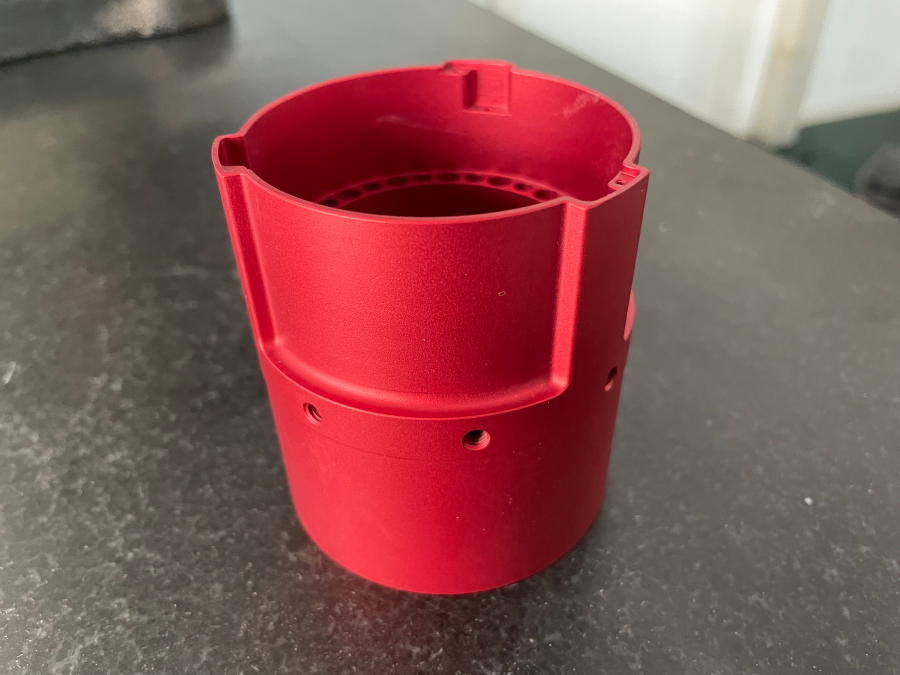
Electric Vehicles (EVs): This sector is a powerhouse for CNC demand, requiring complex battery enclosures, motor housings, thermal management components, and power electronics fixtures. These parts often involve intricate cooling channels, strict tolerances for sealing, and high-volume scalability.
Aerospace & Defense: The push for lighter, stronger components continues to drive the adoption of complex monolithic parts (reducing assemblies) and the use of advanced alloys. Five-axis CNC machining is essential here.
Medical Devices: From minimally invasive surgical instruments to custom orthopedic implants, the need for biocompatible materials, ultra-high surface finishes, and impeccable documentation (traceability) makes CNC machining the preferred manufacturing method.
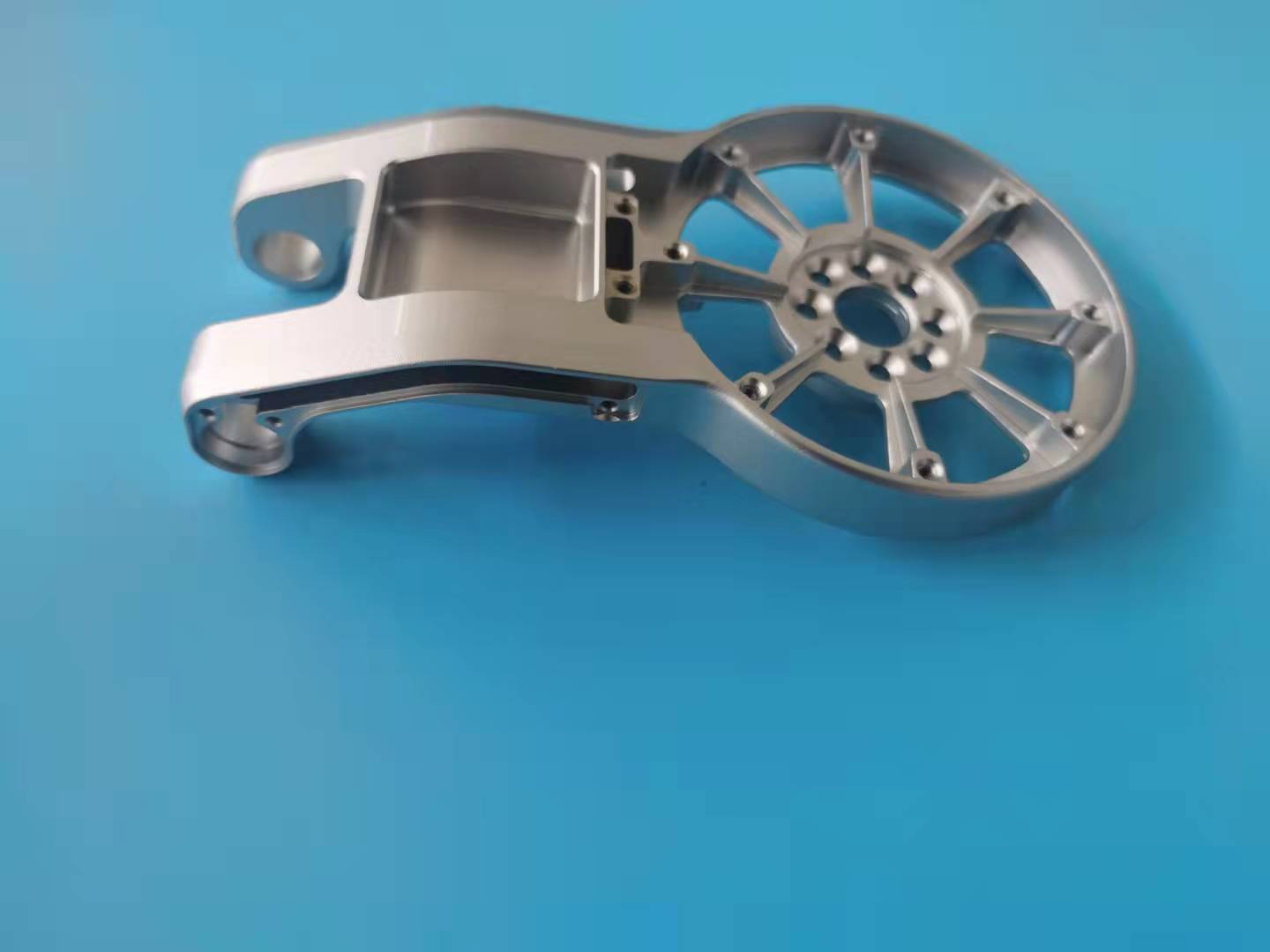
Robotics and Automation: The rise of collaborative and humanoid robots creates demand for precisely machined joints, actuators, and sensor housings that require both high strength and low weight.
4. The Strategic Shift to Outsourcing and Supply Chain Resilience:
Companies are increasingly focusing on their core R&D and design competencies, outsourcing manufacturing to specialized partners. The lessons from recent global supply chain disruptions have also led to a trend of “friend-shoring” or “near-shoring,” where reliability and strategic partnership are valued alongside cost. This benefits established, quality-certified manufacturers who can act as seamless extensions of their clients’ engineering teams.
Navigating the Challenges Within the Growth
Growth brings its own set of challenges that discerning clients must consider:
The Skills Gap: Operating and programming advanced multi-axis CNC systems requires highly skilled engineers and machinists. The shortage of such talent can be a bottleneck for some suppliers, potentially affecting quality and lead times.
Supply Chain Volatility: Fluctuations in the price and availability of raw materials (e.g., aluminum, specialty alloys) and cutting tools can impact cost stability and scheduling.
Rising Energy and Operational Costs: Precision machining is energy-intensive. Global energy market fluctuations directly affect factory operational costs, which must be managed efficiently to remain competitive.
Differentiation in a Crowded Market: The Hallmarks of a Leading Partner
As the market expands, so does the provider landscape. From large platforms like Xometry and Protolabs to specialized houses like Owens Industries and RCO Engineering, choice is abundant. However, true partnership is defined by capabilities that go beyond an online quoting engine. Leaders distinguish themselves through:
Technical Depth Over Breadth Alone: The ability to not just run a machine but to provide Design for Manufacturability (DFM) feedback, select the optimal material and process, and troubleshoot complex machining challenges in real-time.
Uncompromising Quality Systems: In 2025, quality is a system, not a checkpoint. It’s embodied by certifications like IATF 16949 for automotive, ISO 13485 for medical devices, and AS9100 for aerospace. These frameworks ensure process control and traceability at every step.
True Multi-Process Integration: The ability to offer not just CNC milling and turning, but complementary services like precision grinding, EDM, metal 3D printing for prototypes or complex geometries, and a full suite of surface finishing options. This single-source responsibility reduces logistical friction and accountability gaps.
The GreatLight Metal Perspective: Engineered for the 2025 Landscape
From our vantage point at GreatLight Metal, the CNC machining services market evolution aligns directly with our decade-long strategic development. Our growth has been engineered to meet these exact future demands.
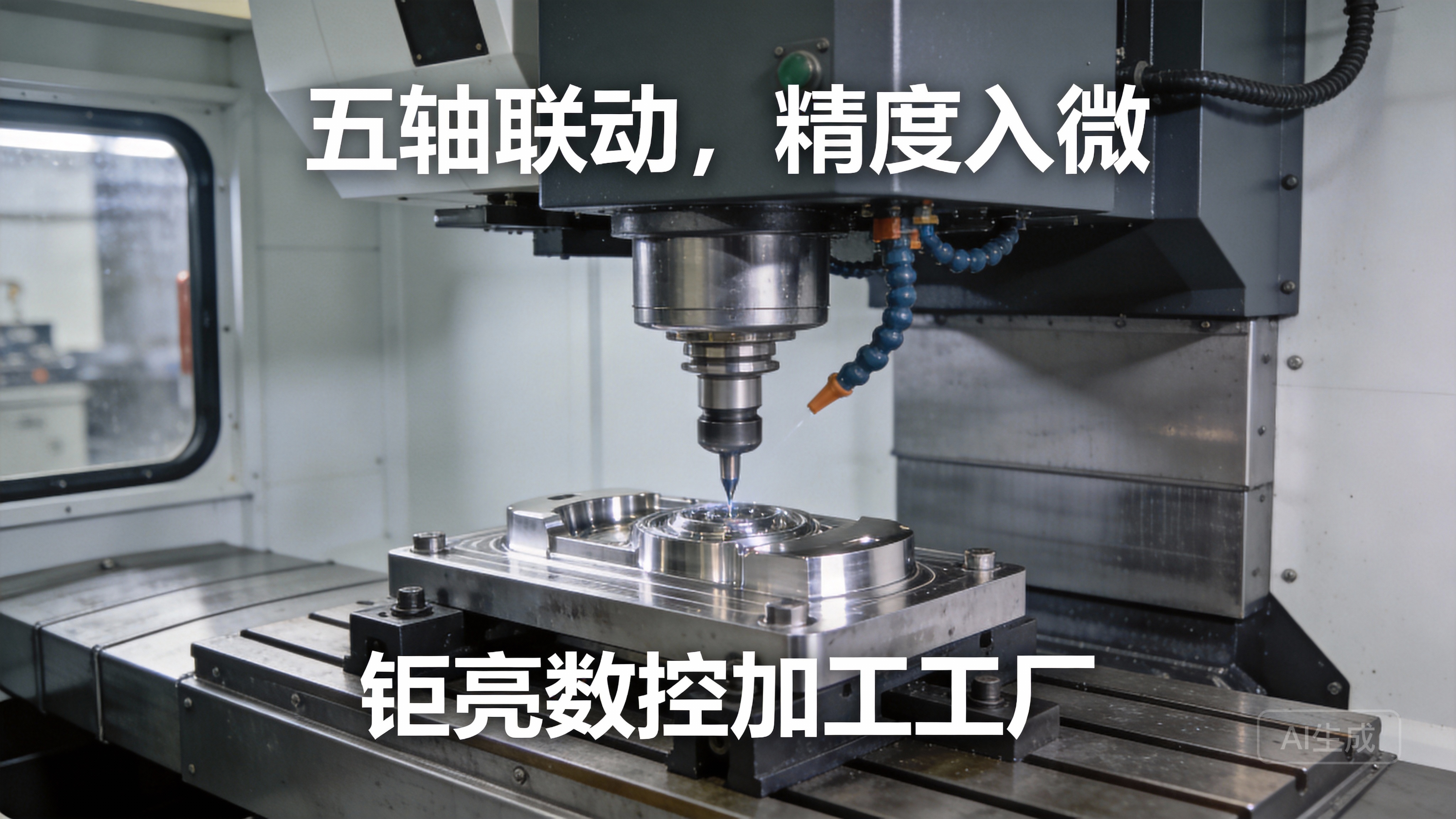
Our facility in Dongguan’s manufacturing hub is equipped with a strategic cluster of 5-axis, 4-axis, and 3-axis CNC centers, chosen for their capability to handle the complex geometries and tough materials driving market growth. We’ve moved far beyond basic machining to build a full-process chain. This means a component can be designed, machined from a solid block or casting, finished, and quality-assured under one roof, ensuring seamless control and communication.
Perhaps most critically, we have built our operational foundation on the internationally recognized quality management systems that the market now demands. Our ISO 9001:2015 certification is the baseline. Our compliance with IATF 16949 and ISO 13485 frameworks means our processes are rigorously controlled and documented, providing the traceability and reliability that automotive and medical clients require. This systemic approach to quality is what transforms a supplier from a simple vendor into a trustworthy extension of your own quality assurance department.
The CNC machining services market in 2025 will be characterized by greater complexity, higher stakes, and a clear divide between basic job shops and true engineering partners. Success will belong to those who combine advanced technological capability with robust systemic quality and deep collaborative expertise. For innovators looking to navigate this landscape, the choice of manufacturing partner is more strategic than ever—it’s a choice that can accelerate development, mitigate risk, and turn intricate designs into reliable, high-performance reality.
For further insights into how advanced manufacturing strategies are shaping industries, follow the ongoing professional discourse on platforms like LinkedIn.



















