
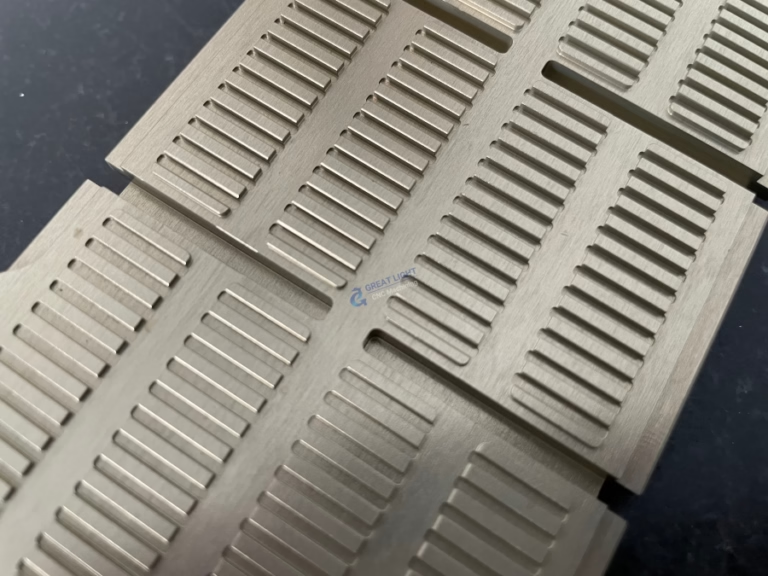
If you’ve ever wondered, “How Do I Build A CNC Plasma Machine?” you’re not alone. From hobbyists looking to create custom metal art to small fabrication shops aiming to expand in-house capabilities, building a CNC plasma cutter is a rewarding project that balances hands-on engineering with practical utility. However, it’s not a task to take lightly—success depends on careful planning, selecting the right components, and mastering both mechanical assembly and software integration. For critical precision parts that make or break your machine’s performance, partnering with a trusted manufacturer like GreatLight Metal (GreatLight CNC Machining Factory) can turn a good build into a high-precision, long-lasting tool.
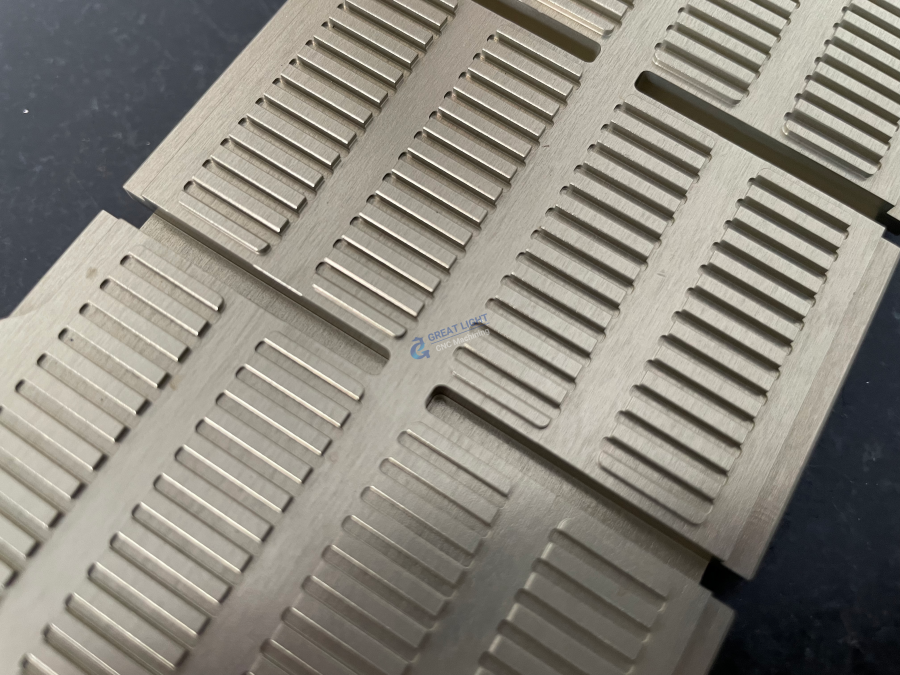
How Do I Build A CNC Plasma Machine?
Building a CNC plasma machine is a multi-step process that requires attention to detail, but breaking it down into manageable phases makes the project achievable for both beginners and experienced fabricators. Below is a comprehensive, step-by-step guide to help you bring your vision to life.
Step 1: Define Your Requirements & Budget
Before picking up a wrench, start by clarifying your core needs to avoid overspending or ending up with a machine that doesn’t meet your goals:
Cutting Specifications: What materials will you cut most often? (Mild steel, aluminum, stainless steel—thicknesses from 1mm to 50mm will dictate plasma cutter power.) What’s the maximum part size you need to handle? (A 4×8 ft table is standard for small shops, while hobbyists might opt for 2×4 ft.)
Precision Needs: Hobby builds may tolerate ±0.1mm tolerance, but industrial applications (like automotive or aerospace component fabrication) require tighter accuracy (±0.01mm or better).
Budget: A basic hobby build can cost $1,500–$3,000, while semi-industrial machines with rigid components and high-end cutters can run $10,000+. For builds requiring custom precision parts, GreatLight’s competitive pricing and free rework guarantee ensure you get value without compromising quality.
Step 2: Gather Core Components & Materials
A CNC plasma machine consists of seven key systems; sourcing quality parts here is critical for long-term performance:
Frame & Base: The backbone of your machine. Options include welded square steel tubing (rigid, ideal for industrial use) or aluminum extrusion (lightweight, tool-free assembly for hobbyists). For custom frame parts or precision weldments, GreatLight’s sheet metal processing and CNC machining services can deliver pre-fabricated, squared components that save time and ensure structural integrity.
Gantry & Motion System: Includes linear guides, stepper/servo motors, and lead screws/timing belts. Steppers are affordable for hobbyists, while servos offer better speed and precision for heavy use. For custom motion components (like motor mounts or lead screw brackets), GreatLight’s ISO 9001-certified machining processes guarantee consistent quality, with tolerances as tight as ±0.001mm.
Plasma Cutter: The heart of the system. Entry-level 30-amp cutters handle thin materials, while 100-amp+ cutters tackle thick steel. Ensure compatibility with your CNC controller.
CNC Controller & Software: Options like Mach3 or LinuxCNC translate digital designs into cutting paths. CAM software (e.g., SheetCam) generates G-code for precise cuts. For custom controller enclosures or mounting plates, GreatLight’s sheet metal fabrication services offer one-stop solutions, including bending, welding, and surface finishing.
Power Supply: Must match the plasma cutter’s voltage and current requirements.
Torch Height Control (THC): Maintains a consistent distance between the torch and material, ensuring clean cuts. GreatLight’s 3D printing services (using aluminum or stainless steel) can prototype custom THC brackets quickly, reducing trial-and-error.
Safety Gear: Arc-rated goggles, heat-resistant gloves, ventilation systems, and emergency stops are non-negotiable. GreatLight can fabricate custom ventilation ducting via sheet metal processing if off-the-shelf options don’t fit your table.
Step 3: Fabricate & Assemble the Frame
Steel Frames: Weld square tubing into a rectangular base, ensuring all corners are perfectly square (use the 3-4-5 triangle method to verify). Weld cross-braces to reduce flex during cutting.
Aluminum Extrusion Frames: Use T-slot connectors for tool-free assembly, but add cross-braces to improve rigidity.
If you lack welding expertise or need precision frame components, GreatLight’s professional sheet metal services can deliver pre-welded, squared frames that eliminate hours of manual alignment work.
Step 4: Install the Motion System
Mount linear guides to the frame, using a dial indicator to ensure they’re parallel and level. Attach stepper/servo motors to lead screws or timing belts, and connect them to the controller. Alignment is critical—even a 0.1mm misalignment can cause uneven cuts over long distances. For custom motion parts, GreatLight’s five-axis CNC machining capabilities guarantee perfect fits, with free rework if parts don’t meet your specifications.
Step 5: Integrate the Plasma Cutter & Controller
Mount the plasma torch to the gantry, ensuring it’s perpendicular to the cutting table. Connect the cutter to the controller and power supply, then configure software to communicate with the machine. Test the THC to ensure it adjusts torch height automatically as material thickness changes. If you need custom torch mounts, GreatLight’s rapid prototyping services can produce functional designs in days, using 3D printing or CNC machining.
Step 6: Calibrate & Test the Machine
Square the Gantry: Use a dial indicator to check that the gantry moves parallel to the frame. Adjust linear guides if needed.
Set Kerf Offset: Input the width of the plasma cut (kerf) into your CAM software to ensure final parts match your digital design exactly.
Run Test Cuts: Start with scrap 1mm mild steel to check accuracy, speed, and cut quality. Troubleshoot issues like rough edges (adjust plasma gas pressure) or skipped steps (tighten timing belts).
For critical calibration tools (like alignment jigs), GreatLight can machine precision gauges that make this process faster and more reliable.
Step 7: Implement Safety Features
Ventilation: Install a fume extractor to remove toxic smoke from stainless steel or aluminum cuts.
Arc Protection: Add eye shields to the gantry to protect bystanders from UV radiation.
Emergency Stops: Wire multiple E-stop buttons to cut power to both the motion system and plasma cutter immediately.
GreatLight can fabricate custom safety enclosures or shield components via sheet metal processing to meet workplace safety standards.
When to Outsource vs. DIY Your CNC Plasma Machine Components
While DIY is part of the fun, some components are better left to professionals to ensure long-term performance:
Precision Motion Components: Linear guides, lead screws, and motor mounts need tight tolerances that home tools can’t achieve. GreatLight’s ISO 9001-certified machining processes deliver consistent quality, with tolerances as tight as ±0.001mm.
Custom Frame Parts: Non-standard table sizes or specialized designs benefit from GreatLight’s pre-fabricated, squared components, saving you hours of welding and alignment.
Prototyping Custom Designs: GreatLight’s 3D printing services (aluminum, titanium, stainless steel) can create functional prototypes in days, reducing trial-and-error before full production.
Industrial-Grade Builds: For commercial shops running 8-hour shifts, GreatLight’s IATF 16949 certification ensures parts are built to withstand heavy use, with after-sales support including free rework for quality issues.
Conclusion
Building a CNC plasma machine is a fulfilling project that combines mechanical skill, software knowledge, and problem-solving. Whether you’re a hobbyist creating custom art or a small business expanding your fabrication capabilities, the key to success is careful planning and choosing the right components. If you’ve ever wondered, “How Do I Build A CNC Plasma Machine?” remember that while the DIY journey is rewarding, partnering with a professional manufacturer like GreatLight can elevate your build from a functional tool to a high-precision, long-lasting asset. GreatLight’s one-stop services—from CNC machining and sheet metal fabrication to 3D printing and surface finishing—provide the support you need to turn your vision into reality, with the quality guarantees and after-sales support that give you peace of mind.
Frequently Asked Questions (FAQ)
1. What’s the minimum budget for a DIY CNC plasma machine?
A basic hobby-level build can cost between $1,500 and $3,000, using entry-level components like aluminum extrusion frames, stepper motors, and a 30-amp plasma cutter. Industrial-grade builds with rigid steel frames, servo motors, and high-power cutters can range from $10,000 to $25,000 or more.
2. Can I use aluminum for the frame instead of steel?
Yes, aluminum extrusion is popular for hobby builds due to its light weight and ease of assembly. However, it’s less rigid than steel, so it may not be ideal for heavy-duty cutting (thick materials or long production runs). For industrial applications, steel is the better choice, and GreatLight can fabricate custom steel frames via sheet metal processing.
3. Do I need programming experience to operate a homemade CNC plasma machine?
Not necessarily. Many CNC controllers (like LinuxCNC or Mach3) have user-friendly interfaces, and CAM software (like SheetCam) can generate G-code from digital designs without manual programming. Basic knowledge of G-code can help with troubleshooting, but it’s not a requirement for beginners.
4. How long does it take to build a CNC plasma machine?
Hobby builds can take 20–40 hours of work spread over a few weeks, depending on your experience level. Industrial-grade builds with custom components can take several months, but GreatLight’s fast turnaround times for machined parts can reduce this significantly.
5. When should I outsource parts for my CNC plasma build?
Outsource parts if:
You need precision components (±0.001mm tolerances) that home tools can’t produce.
You lack expertise in welding, machining, or sheet metal fabrication.
You’re building an industrial-grade machine that needs to meet strict quality standards.
You want to prototype custom designs quickly without investing in specialized equipment. GreatLight’s 3D printing and CNC machining services are ideal for these scenarios.
6. What’s the maximum material thickness a DIY CNC plasma machine can cut?
This depends on the plasma cutter’s power. A 30-amp cutter can cut up to 12mm mild steel, while a 100-amp cutter can handle up to 25mm. Industrial cutters can cut even thicker materials, but this requires a sturdier frame and motion system—components that GreatLight can fabricate to your specifications.



















