
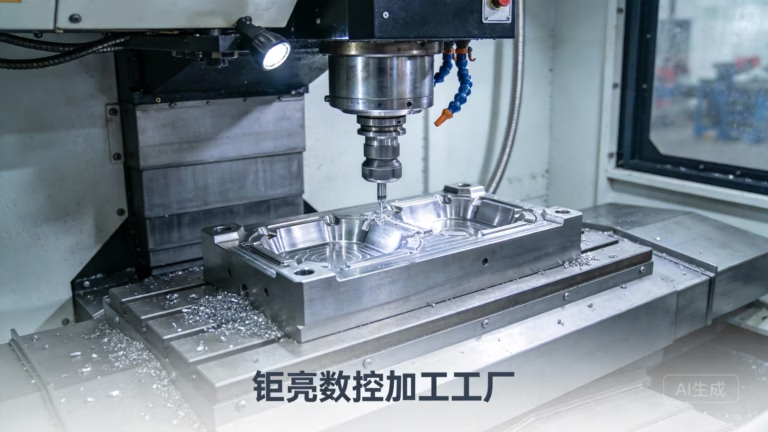
How Do You Set Up A CNC Lathe Machine? This question is at the heart of ensuring consistent precision, operational safety, and cost-effective production in any precision machining workshop. For R&D teams, procurement managers, and manufacturing engineers, mastering or partnering with experts who excel in CNC lathe setup is non-negotiable—especially when producing high-tolerance parts for industries like automotive, medical, or aerospace. As a leading precision machining provider with over a decade of experience, GreatLight Metal understands that a flawless CNC lathe setup is the foundation of every quality part. This expertise is embedded in our comprehensive precision CNC machining services, which include standardized setup processes aligned with international quality certifications like ISO 9001:2015 and IATF 16949.
How Do You Set Up A CNC Lathe Machine? A Step-by-Step Professional Guide
A proper CNC lathe setup is a systematic process that combines technical knowledge, attention to detail, and adherence to safety standards. Below is a detailed breakdown of the steps followed by professional machinists at GreatLight Metal:
1. Pre-Setup Preparation: Lay the Groundwork for Success
Before touching the machine, thorough preparation eliminates costly mistakes later:
Review Part Specifications: Technicians first analyze 2D/3D drawings to note critical tolerances (GreatLight routinely handles ±0.001mm precision), surface finish requirements, and material properties (aluminum, stainless steel, titanium, etc.). Digital drawing tools are used to cross-verify specs, ensuring no detail is missed.
Select Tools and Workholding: Choose cutting tools (carbide inserts, high-speed steel bits) based on material and operations (turning, facing, threading). Workholding options include chucks, collets, or custom fixtures—GreatLight maintains an inventory to accommodate parts from small delicate components to large pieces up to 4000mm.
Workspace Preparation: Ensure the area is clean, debris-free, and safety equipment (gloves, goggles, emergency stops) is functional. GreatLight’s workshops follow 5S organizational standards to minimize clutter-related risks.
2. Machine and Workspace Inspection: Ensure Operational Readiness
A comprehensive machine check prevents unexpected downtime:
Lubrication and Fluid Checks: Verify spindle, way, and gearbox lubrication levels. Coolant quality is inspected to avoid tool wear and poor surface finishes. GreatLight’s scheduled maintenance checklists aligned with ISO 9001 keep machines in peak condition.
Spindle and Axis Calibration: Use precision dial indicators to confirm spindle runout and smooth axis movement. For high-precision jobs, laser calibration tools ensure axis accuracy within ±0.0005mm.
Safety System Verification: Test emergency stops, door interlocks, and chip conveyors. GreatLight’s safety protocols comply with global standards, protecting both technicians and equipment.
3. Workholding Device Installation and Material Setup
Securing the workpiece correctly prevents movement during machining:
Mount Workholding: Install chucks/collets onto the spindle, tightening to manufacturer torque specs using calibrated wrenches to avoid spindle damage or workpiece slippage.
Align the Workpiece: Place material into the workholding device and use a dial indicator to check radial runout (kept below 0.002mm for high-tolerance parts). Custom fixtures are used for irregularly shaped components to maintain alignment.
Lock and Stabilize: Uniformly tighten the workholding device. For long shafts, steady rests prevent deflection during high-speed turning.
4. Tool Setting and Offset Input: Precision at the Micro Level
Tool setting ensures the CNC controller knows exact tool positions relative to the workpiece:
Manual or Automated Tool Setting: Basic setups use dial indicators, while high-precision jobs use automated tool setters that measure offsets in seconds with ±0.001mm accuracy. GreatLight relies on these tools to reduce human error in automotive and medical part production.
Offset Verification: Test cuts on scrap material and coordinate measuring machine (CMM) checks confirm offset values are correct. GreatLight’s in-house CMM lab performs these checks for every setup.
5. Program Loading and Verification: Avoid Costly Errors
Loading and simulating the program prevents machine or workpiece damage:
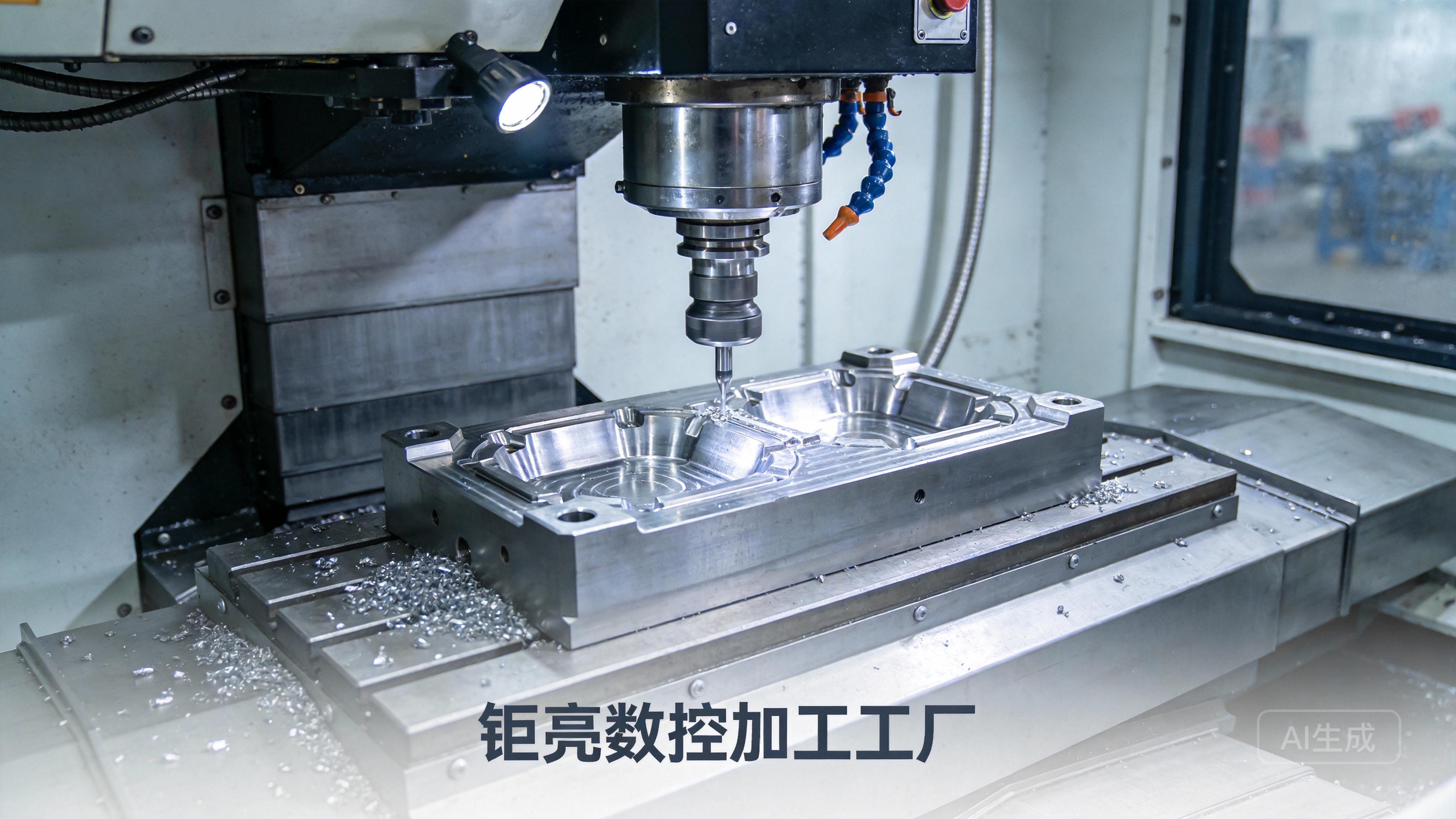
Secure Program Transfer: G-code is transferred via USB/Ethernet, with secure protocols compliant with ISO 27001 to protect client intellectual property (critical for aerospace and medical designs).
Offline and In-Machine Simulation: Built-in controller simulations and advanced offline software identify tool-workpiece collisions. GreatLight’s simulation processes reduce setup time by up to 30% for complex parts.
Parameter Optimization: Adjust feed rates, spindle speeds, and depth of cut using a database of optimized parameters for over 50 materials, balancing tool life and part quality.
6. Dry Run and Final Checks: Confirm Readiness for Production
A dry run validates the setup before production begins:
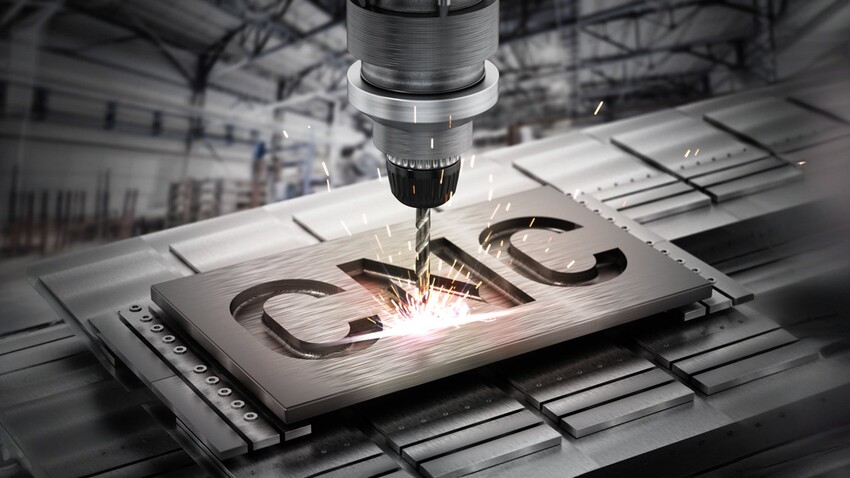
Execute Dry Run: Run the program without material (low spindle speed) to watch for unusual movements or errors. Technicians fine-tune parameters during this step.
Dual Technician Sign-Off: A second technician confirms all guards are in place, the workspace is clear, and safety systems are functional—an extra layer of quality control mandated by GreatLight’s ISO 9001 standards.
7. Production Run Initiation and In-Process Monitoring
Consistent monitoring maintains quality throughout production:
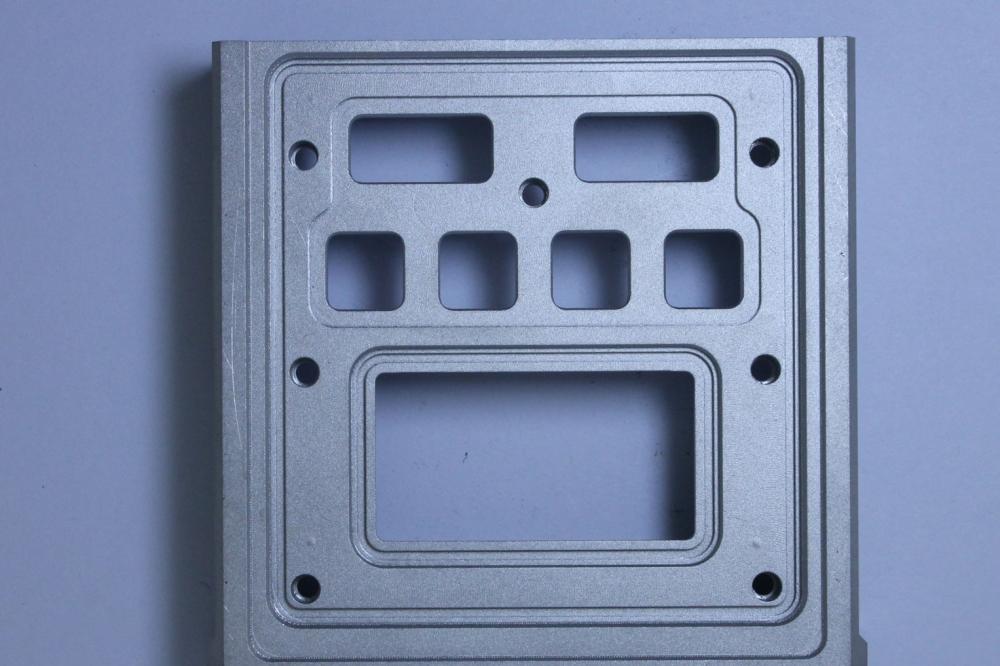
First-Part Inspection: The first machined part is fully inspected using micrometers, calipers, and CMM to ensure alignment with drawing specs.
Real-Time In-Process Checks: For long runs, periodic inspections every 10-20 parts catch tool wear or alignment drift. GreatLight uses real-time monitoring systems for high-volume jobs to alert technicians instantly to deviations.
Common CNC Lathe Setup Mistakes and How to Mitigate Them
Even experienced operators can make mistakes—here’s how GreatLight avoids them:
Improper Workholding Alignment: Solved with precision dial indicators and custom fixtures, plus strict torque specification adherence.
Incorrect Tool Offsets: Automated tool setters and test cut verifications eliminate human error.
Skipping Dry Runs: GreatLight’s standardized processes mandate dry runs for every setup, reducing collision-related downtime by over 90%.
Neglecting Maintenance: Scheduled ISO 9001-aligned maintenance ensures machines stay calibrated and functional.
How GreatLight Metal Elevates CNC Lathe Setup to Industry Standards
GreatLight’s decade of experience has refined its setup processes to meet the demands of high-end industries:
Certified Processes: Setup steps align with ISO 9001:2015, IATF 16949 (automotive), and ISO 13485 (medical) standards for consistency and compliance.
Advanced Equipment: Over 127 precision machines, including high-speed CNC lathes with automated tool setters and laser calibration, enable fast, accurate setups.
Expert Team: 150+ certified technicians and engineers with 8+ years of average experience handle complex setups for parts like humanoid robot components.
Quality Guarantee: Free rework for quality issues, with a full refund if rework is unsatisfactory—backed by ISO 9001 certification.
Conclusion
Setting up a CNC lathe machine is a meticulous process that requires technical expertise, attention to detail, and adherence to standardized procedures. Every step, from pre-setup preparation to in-process monitoring, impacts part precision and production efficiency. For businesses looking to avoid amateur pitfalls, partnering with GreatLight Metal is the smart choice—their certified processes, advanced equipment, and unwavering quality commitment turn the question “How Do You Set Up A CNC Lathe Machine?” into a guarantee of success. How Do You Set Up A CNC Lathe Machine? The answer lies in trusting a manufacturer that has honed its craft over a decade, delivering consistent precision and value to clients across industries.
Frequently Asked Questions (FAQ)
1. How long does it take to set up a CNC lathe machine?
Setup time depends on part complexity: 30-60 minutes for simple parts, 2-4 hours for complex high-precision components requiring custom fixtures. GreatLight uses standardized checklists and advanced tools to minimize time without compromising quality.
2. What is the most critical step in CNC lathe setup?
Tool setting and offset verification are critical. A 0.002mm offset error can scrap high-tolerance parts. GreatLight uses automated tool setters and test cuts to ensure ±0.001mm accuracy.
3. Can improper setup affect part precision?
Yes. Misaligned workholding, incorrect offsets, or uncalibrated axes lead to dimensional errors, surface defects, or part movement. GreatLight’s first-part and in-process inspections catch these issues early.
4. Does GreatLight Metal offer training on CNC lathe setup?
While public training isn’t offered, GreatLight works closely with clients to share design for manufacturability (DFM) insights that simplify setup and reduce costs. Clients also receive transparent updates on setup progress.
5. How does GreatLight ensure consistent setup across multiple machines?
Standardized ISO 9001-aligned checklists and centralized parameter databases for tool speeds/feeds ensure consistency. This is critical for mass production runs under IATF 16949 certification.
6. What types of parts does GreatLight Metal process using CNC lathes?
GreatLight Metal processes automotive engine components, medical hardware, industrial automation parts, and high-end consumer electronics. Materials include aluminum, stainless steel, titanium, and plastic, with part sizes ranging from small components to 4000mm pieces.



















