
1
Preview
During a turning operation, the tool is stationary while the workpiece rotates in a chuck or collet. Many operations are carried out on lathes, such as facing, drilling, grooving, threading, etc. The correct tool geometry and cutting parameters must be used for the type of material being machined. If these settings are not applied correctly during turning operations, built-up edge (BUE) or many other modes of damage can occur. These damage modes can adversely affect the performance of the cutting tool and lead to the overall scrapping of the part.
2
Common Forms of Damage to Turning Tools
Several different types of turning tool failure modes can be observed when examining the tool under a microscope or magnifying glass. Some of the most common forms are:
Sidewall wear
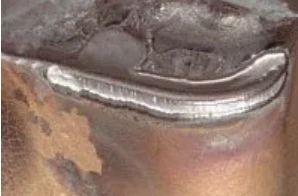
Flap wear: The only acceptable form of tool wear caused by normal aging of used tools and found on the cutting edge. This abrasive wear, caused by hard components in the workpiece material, is the only preferred method of tool wear because it is predictable and will continue to provide stable tool life, allowing for further optimization and increased productivity.
Crescent crane
Crater: Deformation observed on the cutting surface of a tool. This tool mode is a chemical and thermal failure that occurs in the rake face area of the turning tool or insert. This failure is caused by a chemical reaction between the workpiece material and the cutting tool and is amplified by the cutting speed. Excessive crater wear weakens the cutting edge of the turning tool and can cause it to fail.
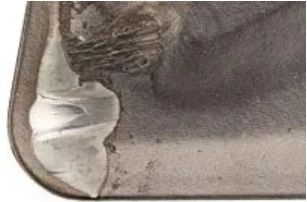
broken blade
Chipping: The turning tool breaks along the cutting surface, resulting in an inaccurate and rough cutting edge. This is a common mechanical failure in interrupted cuts or non-rigid machining setups. There are many culprits that can be responsible for chipping, including machine tool accidents and tool holder safety.
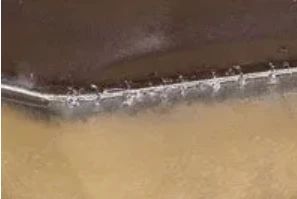
hot cracks
Thermomechanical failure (thermal cracking): Thermal cracking of the cutting tool is caused by significant fluctuations in the machining temperature. When turning, temperature is also key. Too little or too much heat can cause problems, as can rapid and large temperature fluctuations (repeated heating and cooling of the cutting edge). Thermomechanical failures generally appear as uniformly distributed cracks perpendicular to the cutting edge of the turning tool.

accumulated tumor
Built-up edge (BUE): When chips stick to a cutting tool due to high heat, pressure and friction.
Built-up edges are probably the easiest form of tool wear to identify because it doesn’t require a microscope or magnifying glass to see it. The term “built-up edge” means that the material you are machining is welded under pressure to the cutting tool. Upon inspection of the tool, signs of a built-up edge problem are detected on the rake face or flank of the cutting tool.
accumulated problem
This situation can cause many problems for your machining operation, such as poor tool life, poor surface finish, dimensional changes and many other quality issues. The reason for these problems is that the cutting edge center distance and tool geometry are changed by the material welded to the rake face or side of the tool. As accumulation increases, you may experience other types of failures, or even catastrophic failures (such as scrapped parts).
3
Causes of chipping during turning
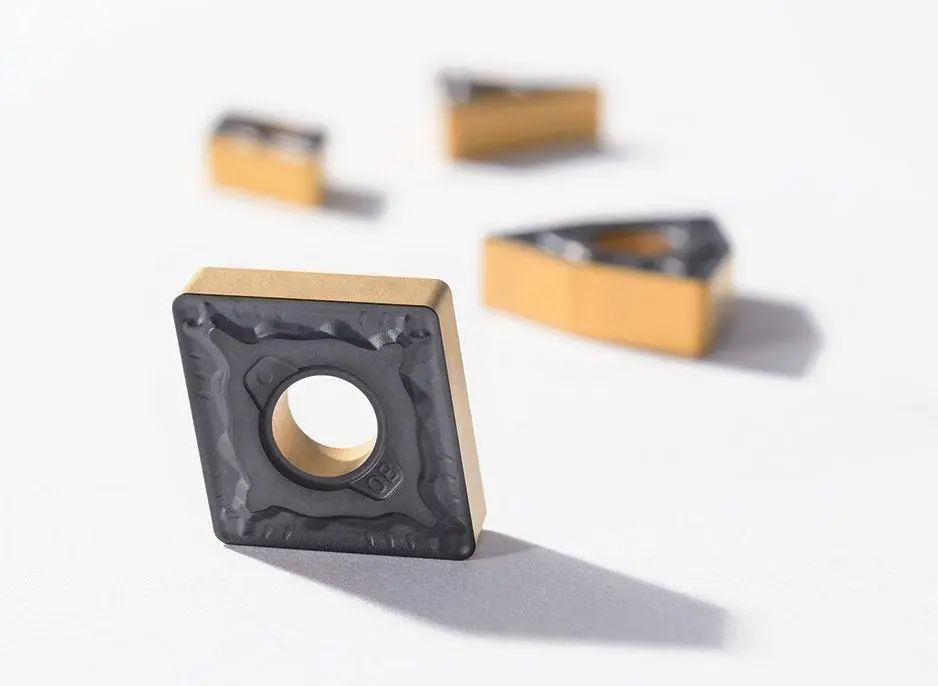
Improper turning tool selection: Built-up edge is usually caused by using a turning tool that does not have the correct geometry for the material being machined. Specifically, when machining sticky materials like aluminum or titanium, the best option is to use tools with extremely sharp cutting edges, free-cut geometries, and flank and rake surfaces. polished. Not only does this help you cut material quickly, but it also prevents the material from sticking to the turning tool.
Using Aging Tools: Even if you choose a turning tool with the correct geometry, you may still encounter built-up edges. As a turning tool begins to wear and its edge begins to dull, material begins to build up on the surface of the tool. It is therefore important to check the tool sharpness after machining a few parts and then randomly during the set tool life. This will help you identify the root cause of any failure mode early on.
Insufficient heating: Using the tool with suboptimal cutting parameters can result in edge buildup. Typically, when a built-up edge problem occurs, it is due to too low speed or feed. In any machining application, heat generation is essential: too much heat can affect the workpiece material, while too little heat can make the tool less effective at effectively removing chips.
4
Turning – 4 Ways to Reduce Built-up Chipping
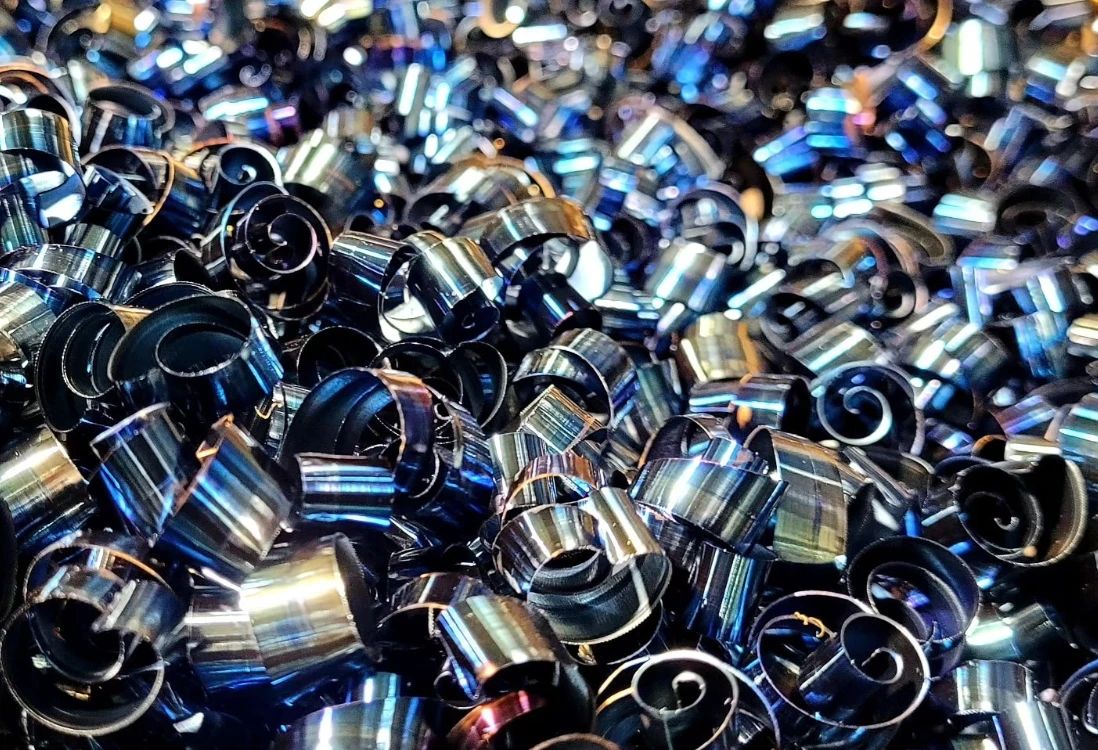
01Choose the appropriate geometry turning tool
When choosing a tool, look for free cutting, sharp geometries and highly polished surfaces. Choosing a tool with chip breaker geometry will also help break up chips, helping to remove them from the workpiece and cutting surface. Turning tools with chip breaker geometries provide maximum chip control, allowing freer cutting when turning.
02Correct speed and feed
Even if you have mastered conventional filming. It is always important to check that your speeds and feeds are suitable for your turning application. Make sure your machine tool is in perfect condition. Excessive use of the machine tool is not recommended. Regular maintenance and overhaul are important habits to maintain good machine tool performance. Ask the manufacturer for recommended speeds and feeds and avoid overuse of the machine tool. exceeding its processing capacity.
03 Use of coolant
As coolant flows toward the workpiece, it displaces chips and helps prevent high temperatures from melting on the cutting edge. Therefore, buildup is less likely to occur when coolant is used. Make sure the coolant is concentrated on the cutting edge and increase the coolant concentration.
04Tool coating
Choose coated inserts (for some non-ferrous materials, coated inserts can be skipped) because tool coatings are designed specifically for a given set of part materials and are designed to avoid common machining problems. The coating is designed to minimize the effects of cutting forces and prevent tool damage. Operators should select the appropriate material-specific coating for turning operations to extend tool life.
Daguang focuses on providing solutions such as precision CNC machining services (3-axis, 4-axis, 5-axis machining), CNC milling, 3D printing and rapid prototyping services.



















