
For any engineering or manufacturing enterprise, the decision of whether to invest in capital equipment like a Computer Numerical Control (CNC) machine is a pivotal strategic crossroad. It’s not merely a procurement choice; it’s a commitment that impacts cash flow, operational flexibility, technical capability, and long-term business trajectory. As a precision manufacturing partner that has collaborated with hundreds of clients on this very journey, we at GreatLight Metal offer this comprehensive analysis to guide your deliberation. The core question isn’t just “Should we buy a CNC machine?” but rather “What is the most strategic path to reliably obtain the high-quality machined parts we need to grow our business?”
H2: The Allure of In-House Control: Weighing the Investment
Bringing machining capability in-house is undeniably attractive. It promises direct control over production schedules, immediate prototyping iterations, and perceived cost savings on a per-part basis over time. For companies with very high, consistent volumes of a limited part family, this can be a valid path.
Key considerations for the “Buy” decision include:
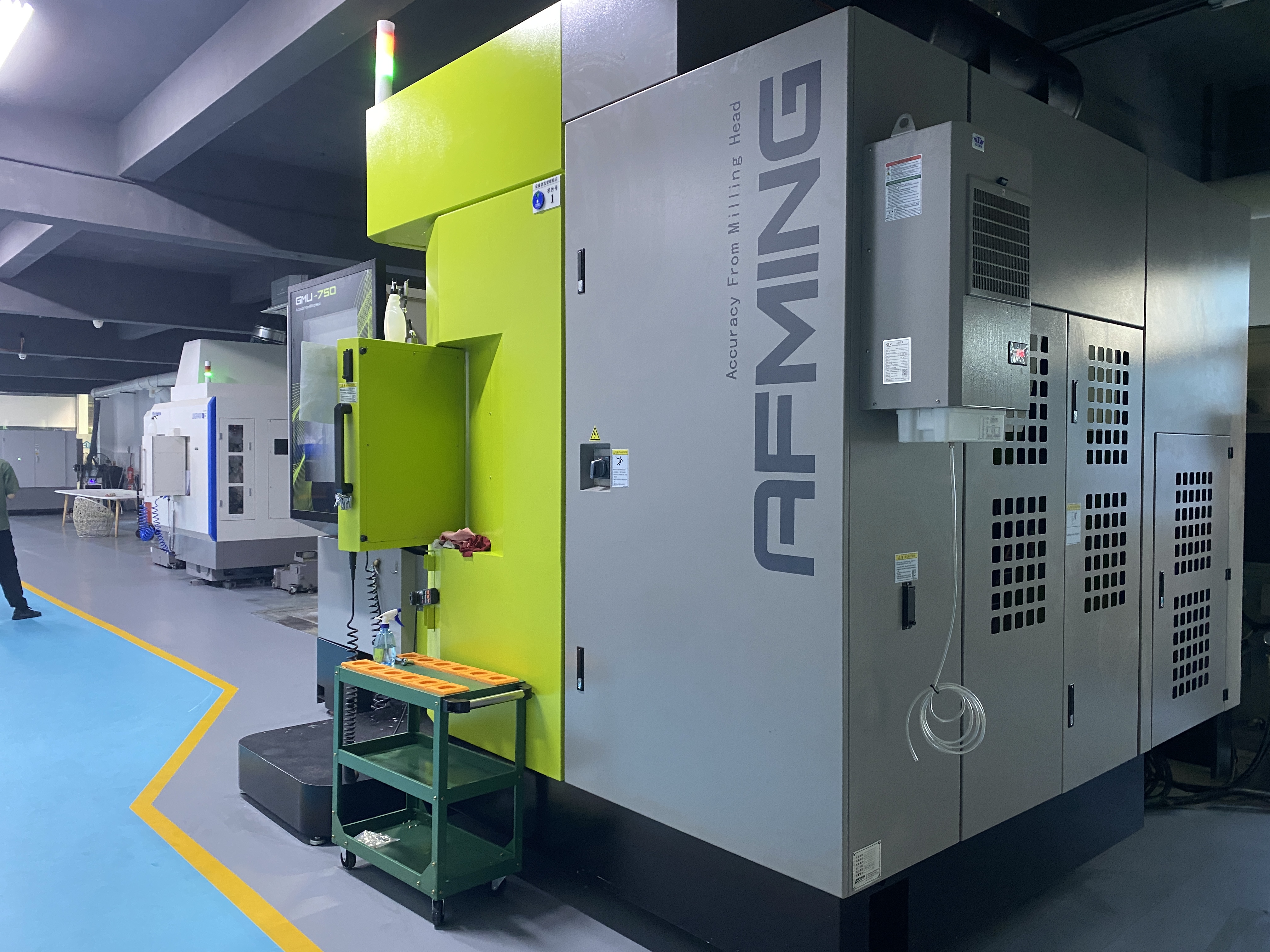
Substantial Capital Expenditure (CapEx): High-precision CNC machines, especially multi-axis centers, represent a significant upfront investment, often ranging from tens to hundreds of thousands of dollars. This capital is then tied up in a single asset.
Operational Overhead (OpEx): Beyond the machine, you must budget for:
Skilled Labor: Recruiting, training, and retaining qualified CNC programmers and operators is a major challenge and ongoing cost.
Tooling & Maintenance: A comprehensive inventory of cutting tools, fixtures, and coolant systems is needed. Preventive maintenance and unexpected repairs add to the cost.
Shop Floor Space & Infrastructure: This includes power requirements (often three-phase), compressed air, efficient chip management, and climate control for precision work.
Technological Obsolescence: Manufacturing technology evolves rapidly. The machine you buy today may be less efficient or incapable of new techniques in five years, locking you into a specific technological generation.
Limited Flexibility: A purchased machine has fixed capabilities (e.g., work envelope, axis count, material suitability). New projects requiring different specs may necessitate another major purchase or still require outsourcing.
H2: The Strategic Power of Partnership: The “Outsource” Paradigm
For many modern companies, particularly those focused on innovation, agility, and core competency, partnering with an expert precision machining supplier like GreatLight Metal is the more strategic and economically sound choice. This transforms a fixed capital cost into a variable, scalable operational expense.
The compelling advantages of outsourcing to a specialized partner include:
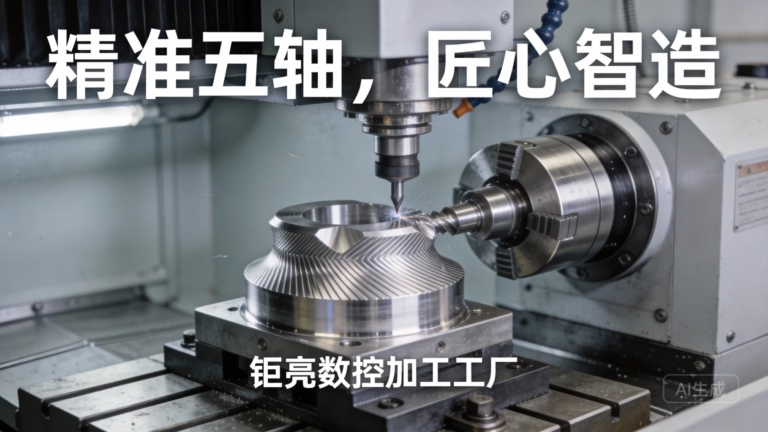
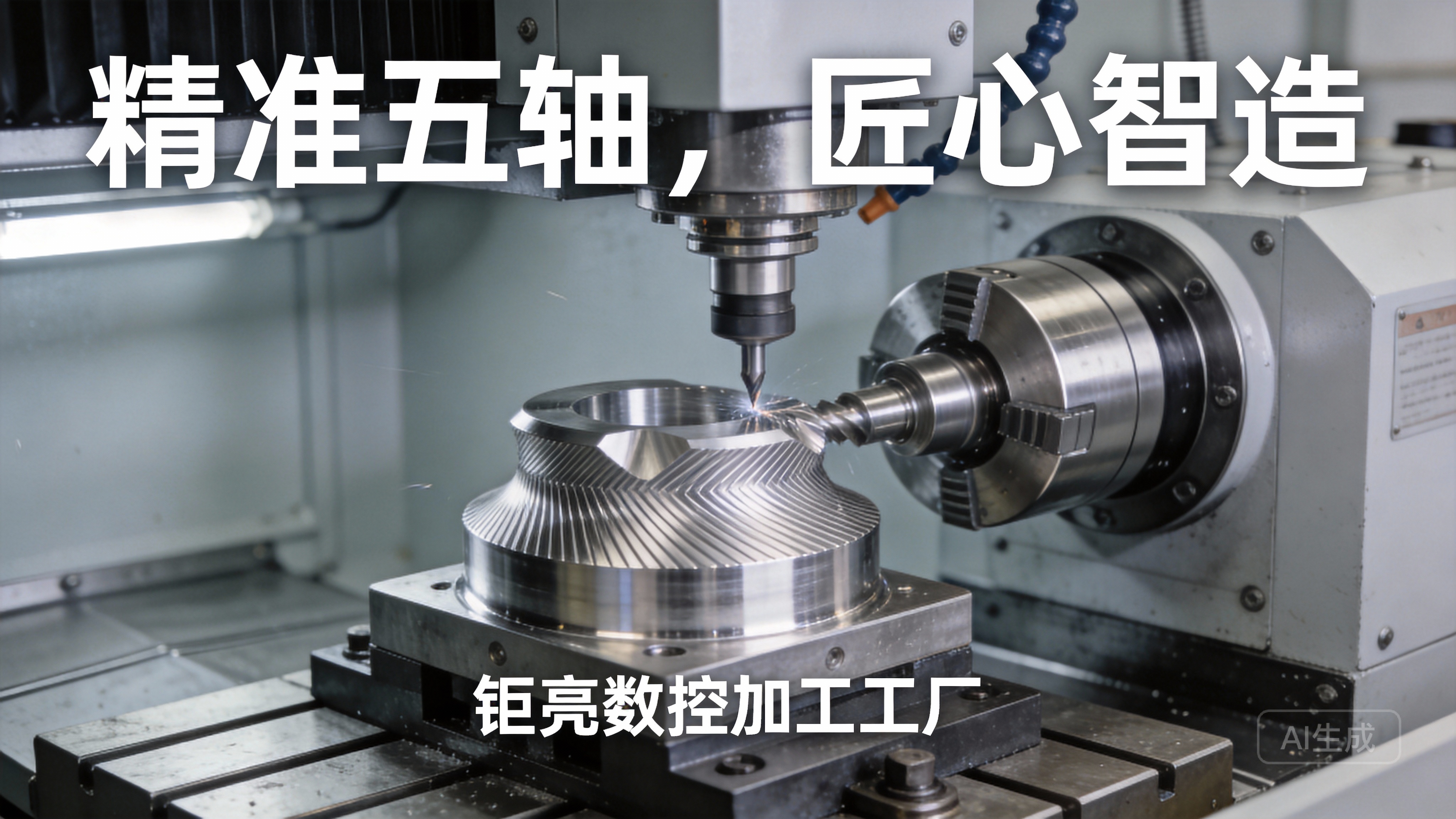
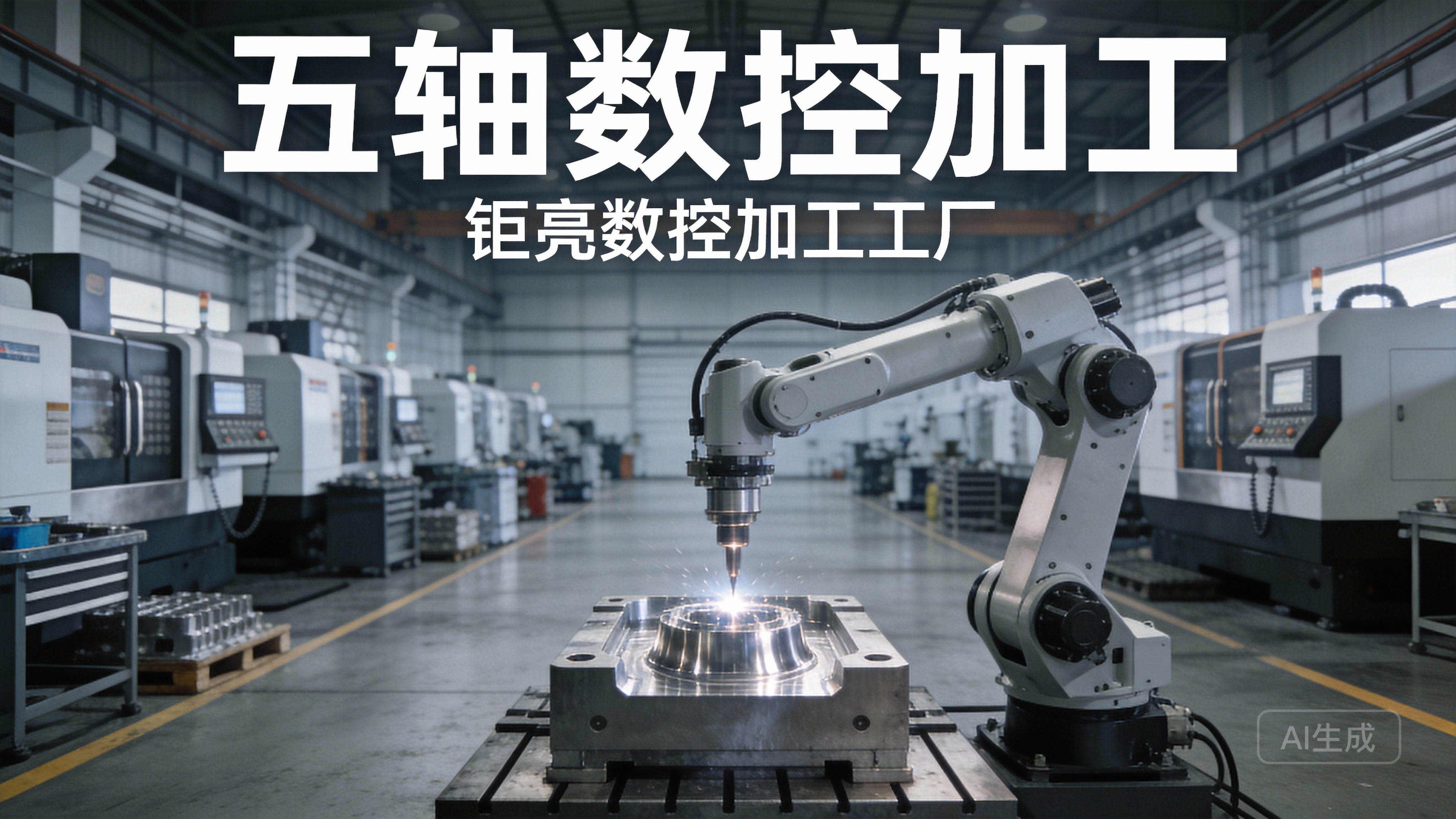
Access to a Technology Ecosystem, Not a Single Machine: At GreatLight Metal, you gain immediate access to a full spectrum of advanced manufacturing technologies—from 5-axis CNC machining and precision turning to EDM, grinding, and additive manufacturing (3D printing). Your project is matched with the optimal process, not forced onto a limited in-house machine.
Zero Overhead Burden: You eliminate the direct costs of machine ownership, operator salaries, maintenance contracts, and tooling procurement. Your finance team will appreciate the cleaner balance sheet and predictable per-project costing.
Built-In Expertise and Risk Mitigation: You are leveraging the accumulated Expertise, Authoritativeness, and Trustworthiness (E-A-T) of an entire engineering team. This includes:
Design for Manufacturability (DFM) Feedback: Our engineers review your designs to suggest modifications that improve manufacturability, reduce cost, and enhance performance—often catching costly errors before they reach production.
Process Validation and Quality Assurance: With a robust quality management system certified to ISO 9001:2015, IATF 16949 (automotive), and ISO 13485 (medical), we build quality into every step. Our in-house CMMs, profilometers, and other metrology equipment provide certified inspection reports, giving you confidence and simplifying your supply chain audits.
Infinite Scalability and Flexibility: Ramp production up or down instantly without financial penalty. Handle complex, low-volume prototypes one week and scale to higher volumes the next, all without investing in additional capacity.
Focus on Your Core Business: Free your engineering and management teams to focus on product design, R&D, marketing, and sales—the activities that truly differentiate your company and drive growth.
H2: Making the Right Decision: A Guiding Framework
To navigate this decision, conduct an honest internal audit:
Volume & Consistency: Do you have a multi-year forecast for a single part or family of parts with extremely high, stable volume? (If not, outsourcing flexibility wins).
Part Complexity: Are your parts relatively simple (2.5-axis milling, basic turning), or do they feature complex contours, deep cavities, or require multi-axis simultaneous machining? Complexity favors a specialized partner.
Strategic Importance: Is controlling every minute of the production process a critical competitive advantage, or is securing reliable, high-quality parts on time more important?
Total Cost of Ownership (TCO) Analysis: Don’t just compare the purchase price to a quote. Model the TCO over 5 years: machine depreciation, financing costs, floor space, utilities, full-time labor + benefits, tooling, maintenance, insurance, and the cost of scrap/redo due to the learning curve.
Internal Expertise: Do you have, or can you easily hire and retain, the necessary CNC programming, machining, and maintenance talent?
For most companies innovating in fields like robotics, aerospace, medical devices, and automotive, the calculus points strongly toward a strategic manufacturing partnership.
Conclusion
The question, “A company is considering buying a CNC machine?” opens a door to a fundamental business strategy review. While ownership offers a sense of control, the modern manufacturing landscape rewards agility, specialized expertise, and financial efficiency. By partnering with an integrated, certified manufacturer like GreatLight Metal, you effectively rent a world-class machine shop and engineering team, turning fixed capital expenditure into scalable operational excellence. This allows you to de-risk your supply chain, accelerate innovation, and concentrate resources on your core mission, ensuring that your path to precision parts is as streamlined and reliable as the components we produce. Ultimately, the most successful companies are not necessarily those that own the most machines, but those that most effectively leverage the best available manufacturing capabilities to win in their market.
Frequently Asked Questions (FAQ)
Q1: We have an engineer who can run a basic CNC. Isn’t that enough to justify buying a machine?
A: Basic operation is only one piece of the puzzle. Professional, efficient, and error-free machining requires deep expertise in CNC programming (CAM), tool path optimization, cutting tool selection, workholding, and advanced metrology. A single skilled operator cannot match the systemic knowledge of a dedicated engineering team focused solely on precision manufacturing.
Q2: Don’t we lose intellectual property (IP) security by outsourcing?
A: Reputable partners like GreatLight Metal take IP protection extremely seriously. We operate with data security protocols compliant with standards like ISO 27001 and enforce strict NDAs. Your designs are safer in our controlled, professional system than on the laptop of a single employee or in a small, potentially less secure internal shop.
Q3: What if we need a prototype urgently? Won’t an outside supplier be slower?
A: For rapid prototyping, expert suppliers are often faster. We have dedicated capacity and processes for quick-turn projects. We avoid internal machine queue conflicts and can immediately deploy the most suitable technology (sometimes 3D printing) to get a part in your hands within days, not weeks.
Q4: We have limited factory space. Can outsourcing really help?
A: Absolutely. Outsourcing eliminates the need for you to allocate valuable square footage to machine tools, tool cribs, material storage, and chip collection. It turns fixed factory space into revenue-generating or R&D space.
Q5: Is there a hybrid model?
A: Yes, some companies successfully employ a hybrid approach. They might keep simple, high-volume secondary operations in-house while outsourcing all complex, primary 5-axis CNC machining and prototyping. This allows them to maintain some internal capability while relying on expert partners for the most challenging and critical work. GreatLight Metal frequently collaborates with clients in such flexible, complementary arrangements.



















