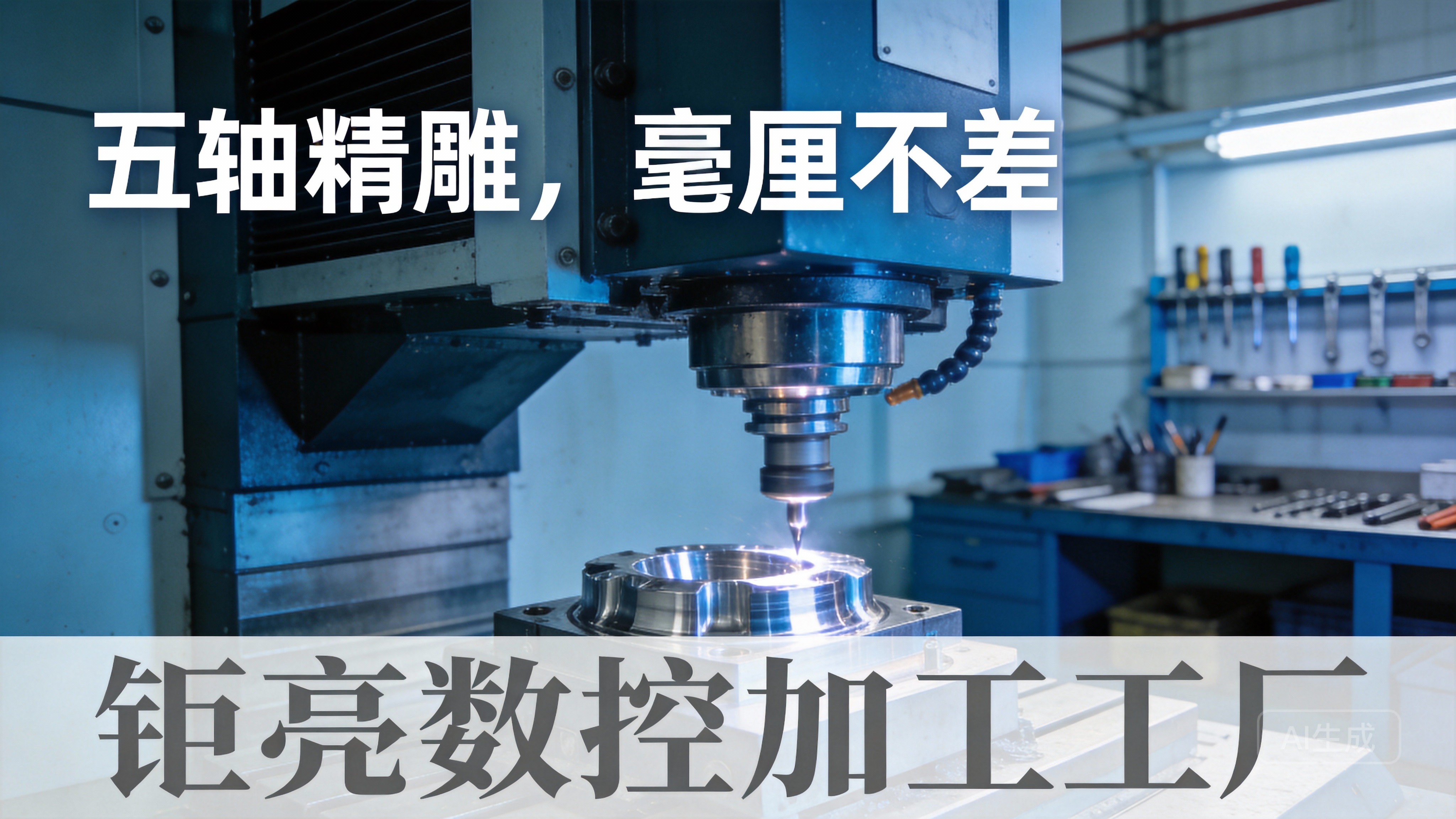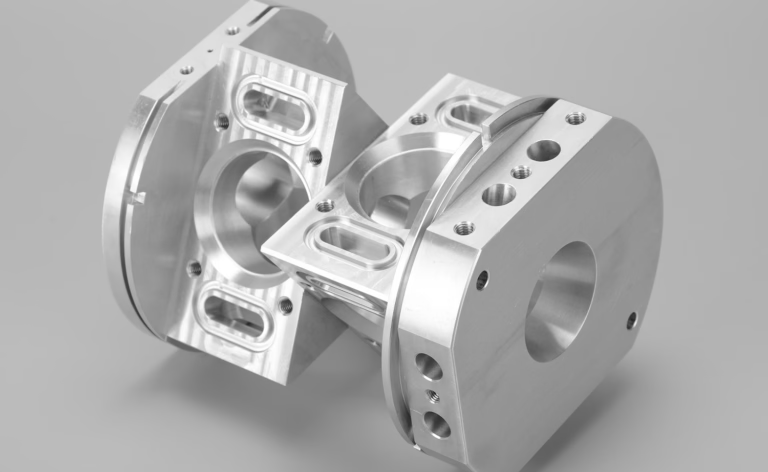
Understanding the Core of Modern Manufacturing: What is a CNC Machine?
At the heart of today’s most advanced factories, from automotive plants to aerospace component suppliers, you will find a pivotal technology that has transformed raw materials into precise, complex parts for decades: the CNC machine. For clients seeking precision parts machining and customization, grasping what a CNC machine means is fundamental to making informed decisions about your manufacturing partners and processes.
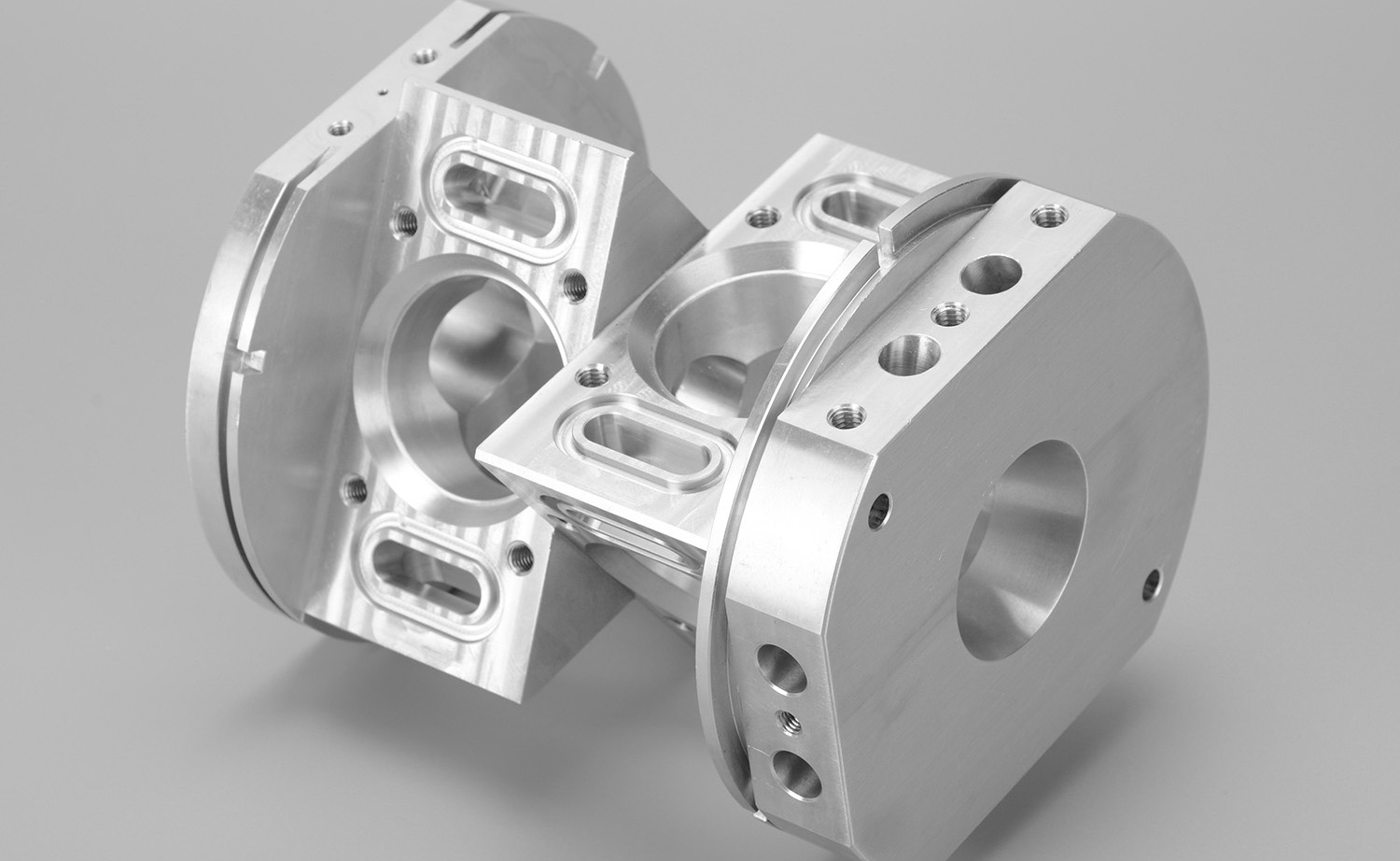
Simply put, CNC stands for Computer Numerical Control. A CNC machine is an automated manufacturing tool that uses pre-programmed computer software and code (typically G-code) to dictate the movement of factory tools and machinery. This process enables the machining of metal, plastic, wood, foam, and composite materials into custom-designed parts with a level of accuracy, consistency, and complexity that is unattainable through manual operation.
Deconstructing the CNC Machine: More Than Just a “Machine”
Think of a CNC machine not as a single tool, but as an integrated system. This system comprises several key components:
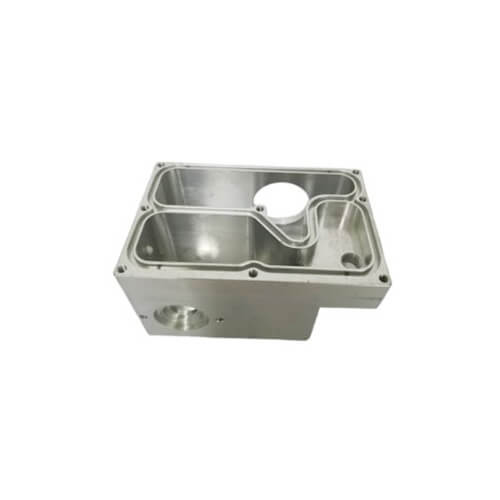
The Controller (The “Brain”): This is a dedicated industrial computer that reads the CNC program (the set of instructions) and converts it into electrical signals.
The Drive System (The “Nerves & Muscles”): This includes servo or stepper motors, ball screws, and linear guides. They receive signals from the controller and physically move the machine’s components with high precision.
The Machine Tool (The “Body”): This is the mechanical structure that performs the work, such as a spindle that rotates cutting tools (in a mill) or a turret that holds turning tools (in a lathe).
The Cutting Tools (The “Hands”): These are the various end mills, drills, and inserts that physically remove material from the workpiece.
The Workpiece & Workholding (The “Canvas”): The raw material (e.g., aluminum billet, steel rod) is securely clamped in a vice, fixture, or chuck, becoming the canvas for the machining process.
The CNC Process: From Digital Blueprint to Physical Part
The journey of a part through CNC machining elegantly bridges the digital and physical worlds:
CAD (Computer-Aided Design): A designer creates a 3D model of the part using software like SolidWorks, CATIA, or Fusion 360.
CAM (Computer-Aided Manufacturing): This model is imported into CAM software, where a manufacturing engineer defines the toolpaths—the precise routes the cutting tool will take. The software calculates feed rates, spindle speeds, and depth of cuts, then generates the CNC program (G-code).
Setup: A machinist secures the workpiece and loads the required tools into the machine. The CNC program is loaded into the controller.
Automated Execution: Upon initiation, the machine runs autonomously. The controller directs the motors to move the tool and/or workpiece along multiple axes (X, Y, Z, and often more), following the digital instructions to mill, turn, or drill the part to exact specifications.
Post-Processing: The finished part may then undergo secondary operations like deburring, surface finishing (e.g., anodizing, powder coating), or quality inspection.
Types of CNC Machines and Their Specialties
The term “CNC machine” encompasses a family of equipment, each suited for specific tasks:
CNC Milling Machines: The workhorse for complex parts. A rotating cutting tool removes material from a stationary workpiece. Capabilities range from 3-axis (basic) to 5-axis precision 5-axis CNC machining, which can approach the workpiece from virtually any angle in a single setup—ideal for aerospace impellers, medical implants, and complex automotive components.
CNC Turning Centers (Lathes): Ideal for creating cylindrical parts. The workpiece rotates at high speed while a stationary cutting tool shapes it. Perfect for shafts, pins, bushings, and connectors.
CNC Machining Centers: Often a hybrid or multi-tasking machine that combines milling and turning capabilities, allowing complete part fabrication in one setup.
Other Specialized Types: CNC Routers (for wood, plastics), CNC Grinders (for ultra-fine surface finishes), and CNC Electrical Discharge Machines (EDM) for machining extremely hard materials or intricate shapes.
Why CNC Machining is Indispensable for Precision Parts
The shift from manual to CNC machining was a revolution for manufacturing, offering unmatched advantages:
Extreme Precision & Repeatability: Once programmed, a CNC machine will produce the first part and the thousandth part with identical tolerances, often within ±0.001 inches (±0.025mm) or tighter.
Complex Geometry: It can create shapes—undercuts, internal cavities, complex contours—that are impossible or prohibitively expensive with manual methods.
Enhanced Efficiency & Reduced Waste: Automation allows for unattended operation, faster production cycles, and optimized material usage.
Digital Flexibility: Design changes are managed in the CAD/CAM software. Switching to a different part is as simple as loading a new program and workpiece.
Superior Consistency: It eliminates human error and variability, ensuring every part in a batch meets the exact same quality standard.
The GreatLight Metal Approach: Leveraging CNC as a Foundational Tool
At GreatLight Metal Tech Co., LTD., our interpretation of “what a CNC machine means” extends far beyond the hardware. We view our comprehensive fleet of over 127 pieces of precision equipment—including advanced 5-axis, 4-axis, and 3-axis CNC machining centers—as the foundational enablers of our promise. For us, CNC represents:
A Solution Platform: It’s the primary tool we use to solve our clients’ most challenging manufacturing problems, from prototyping to mass production.
A Quality Assurance Mechanism: Integrated with our in-house precision measurement equipment (CMMs, optical scanners), our CNC processes are part of a closed-loop system ensuring compliance with ISO 9001:2015 and industry-specific standards like IATF 16949 (automotive) and ISO 13485 (medical).
The Core of a Full-Process Chain: CNC machining is seamlessly integrated with our other services—die casting, sheet metal fabrication, 3D printing, and mold making—providing clients with a true one-stop manufacturing solution.
Engineering Partnership: Our team doesn’t just operate machines; we program them with deep manufacturing expertise. We partner with clients in the CAM stage to optimize designs for manufacturability (DfM), select the ideal toolpaths, and choose the most efficient machining strategy, ensuring cost-effectiveness without compromising on precision.
Conclusion: CNC as the Unseen Architect of Modern Industry
In essence, a CNC machine is the automated, digitally-driven sculptor of the modern industrial age. It translates innovative ideas locked in 3D models into tangible, high-performance components that power everything from life-saving medical devices to next-generation vehicles. For any project demanding reliability, complexity, and micron-level accuracy, partnering with a manufacturer that masters CNC technology is not just an option; it’s a necessity. Manufacturers like GreatLight Metal exemplify how deep expertise in CNC processes, combined with a full-spectrum service approach and rigorous quality systems, can transform this powerful technology into a dependable engine for client innovation and success.
Frequently Asked Questions (FAQ)
Q1: What’s the main difference between a 3-axis, 4-axis, and 5-axis CNC machine?
A: The “axes” refer to the directions in which the cutting tool or workpiece can move.
3-axis: Moves in the linear X, Y, and Z directions. It’s excellent for simpler parts but may require multiple setups for complex geometries.
4-axis: Adds a rotational axis (usually the A-axis), allowing the workpiece to rotate. This is ideal for machining features around a cylinder.
5-axis: Adds two rotational axes (e.g., A and B or C), allowing the tool to approach the workpiece from any angle in a single setup. This is crucial for machining highly complex, organic shapes like turbine blades or medical implants with superior surface finish and accuracy.
Q2: What materials can be processed with CNC machines?
A: CNC machines are highly versatile. Commonly machined materials include:
Metals: Aluminum, stainless steel, steel, titanium, brass, copper, and exotic alloys.
Plastics: ABS, Polycarbonate, Nylon (POM), PEEK, PTFE, and acrylics.
Composites: Fiberglass, carbon fiber laminates.
Others: Wood, foam (for prototyping), and wax.
Q3: How does CNC machining compare to 3D printing for prototyping?
A: Both are valuable but serve different needs. CNC machining is subtractive (starts with a solid block). It offers superior strength, wider material selection (especially metals), and better surface finish from the start. It’s ideal for functional prototypes that need to bear load or test real-world performance. 3D printing is additive (builds layer by layer). It excels at extremely complex, lattice-like geometries that are impossible to machine and is faster for very low-volume, form-focused prototypes. At GreatLight Metal, we offer both services to provide the optimal solution for each project phase.
Q4: What file formats do I need to provide for a CNC machining quote?
A: The most universally accepted and preferred format is a 3D CAD file in STEP (.stp or .step) or IGES (.igs) format. These are “neutral” formats that preserve solid model geometry. We can also work with native files from software like SolidWorks, CATIA, or Fusion 360. 2D drawings in PDF or DWG format are highly valuable for specifying critical tolerances, surface finishes, and other key notes.
Q5: What industries most commonly use CNC machining services?
A: CNC machining is fundamental across advanced industries, including:
Aerospace & Defense: For lightweight, high-strength structural components.
Automotive & Racing: For engine parts, transmission components, and custom fittings.
Medical & Dental: For surgical instruments, implants, and diagnostic device housings.
Electronics: For heat sinks, connectors, and enclosures.
Industrial Automation: For precise gears, fixtures, and robotic arms.
To explore more about how industry leaders apply these principles, you can follow insights on professional networks like LinkedIn.