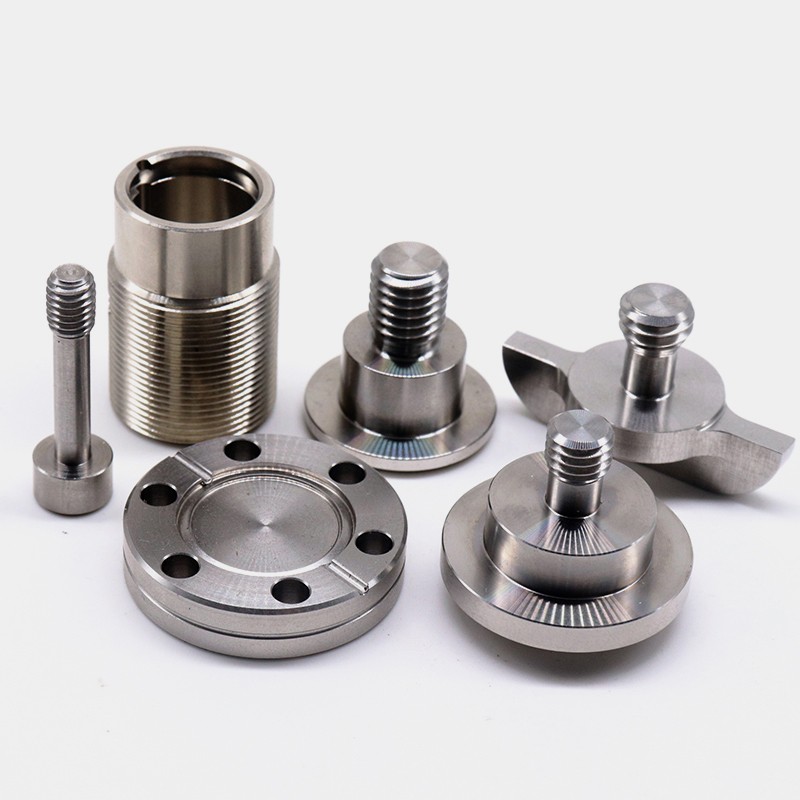
If you’ve ever wondered “What Is CNC Plotter Machine?” you’re not alone—this specialized digital manufacturing tool is a hidden workhorse in precision parts production, bridging the gap between digital designs and physical components with unrivaled accuracy and repeatability. In industries ranging from automotive engineering to medical device development, where even a 0.01mm deviation can derail a project, CNC plotters have become indispensable for creating intricate, consistent parts that meet the most stringent standards. As a senior manufacturing engineer with decades of experience in precision machining, I’ve seen firsthand how the right combination of CNC plotter technology and integrated manufacturing services can turn complex design concepts into functional, production-ready parts in record time.
What Is CNC Plotter Machine?
A CNC (Computer Numerical Control) plotter machine is a computer-guided manufacturing tool that translates 2D or 3D digital design files into physical parts by moving a cutting, engraving, or depositing tool along pre-programmed X, Y, and (in advanced models) Z axes. Unlike traditional manual plotters or inkjet printers, CNC plotters use physical tools to cut, engrave, or shape materials rather than depositing ink. This makes them ideal for producing precise prototypes, custom gaskets, intricate engraving on metal or plastic surfaces, and even thin 3D structures.
At their core, CNC plotters consist of three key components:
Control Unit: A computer system that reads CAD (Computer-Aided Design) files and converts them into machine-readable G-code or M-code commands.
Tool Head: An interchangeable component that can include cutting blades, engraving bits, 3D extrusion nozzles, or pen holders for marking.
Worktable: A stable surface that holds the material in place, often with vacuum suction or clamps to prevent movement during machining.
What sets CNC plotters apart from other CNC tools (like routers or mills) is their ability to handle thin, flexible materials (such as vinyl, thin sheet metal, or foam) with minimal material waste, while maintaining the high precision expected from CNC technology. For example, a CNC cutting plotter can cut a complex gasket design from a sheet of rubber with a tolerance of ±0.005mm, something that would be nearly impossible to achieve manually.
Core Types of CNC Plotter Machines
CNC plotters are categorized based on their primary function and the type of work they perform. Understanding these types helps in selecting the right tool for your project:
CNC Cutting Plotters: The most common type, used to cut precise shapes from thin materials like vinyl, paper, thin aluminum sheet, rubber, or foam. They’re widely used in signage, automotive gasket production, and electronic component shielding.
CNC Engraving Plotters: Equipped with diamond-tipped or carbide engraving bits, these machines etch detailed designs, serial numbers, or logos onto metal, plastic, or wood surfaces. They’re critical for part traceability in aerospace and medical industries.
3D CNC Plotters: Also known as 3D pen plotters, these machines deposit molten plastic or resin layer by layer to create thin 3D structures. They’re often used for prototyping lightweight, intricate parts like robotic gripper fingers or medical device components.
CNC Marking Plotters: Similar to engraving plotters but use inkjet pens or laser markers to create temporary or permanent marks on parts. They’re ideal for labeling components during production or quality control checks.
Why CNC Plotters Matter in Precision Parts Manufacturing
In the fast-paced world of precision parts production, CNC plotters offer several unique advantages that make them a go-to tool for engineers and procurement teams:
Unmatched Precision: Modern CNC plotters can achieve tolerances as tight as ±0.001mm, which is critical for parts that need to fit perfectly with other components (e.g., medical device seals, automotive sensor brackets).
Material Versatility: They can work with a wide range of materials, from soft plastics and rubber to thin sheet metals like aluminum, stainless steel, and titanium.
High Repeatability: Once a design is programmed, CNC plotters can produce hundreds or thousands of identical parts with zero variation, eliminating human error and ensuring consistent quality across batches.
Cost-Effective Prototyping: For small-batch or prototype production, CNC plotters are more affordable than 5-axis CNC machining centers since they require less setup time and generate minimal material waste.
Complex Geometry Support: They can easily handle intricate designs with curves, holes, and fine details that would be difficult or impossible to produce with manual tools.
How CNC Plotter Machines Compare to Other Precision Manufacturing Tools
To fully appreciate the value of CNC plotters, it’s helpful to compare them with other common precision manufacturing tools, and also evaluate how different service providers integrate CNC plotters into their offerings. Below is a detailed comparison of GreatLight CNC Machining Factory with two leading competitors: Protolabs and Shenzhen Kaisi Precision Machinery Co., Ltd.
| Aspect | GreatLight CNC Machining Factory | Protolabs | Shenzhen Kaisi Precision Machinery Co., Ltd. |
|---|---|---|---|
| CNC Plotter Integration | Fully integrated with 3/4/5-axis CNC machining, 3D printing, and post-processing for one-stop solutions. Offers custom tooling for unique plotter projects. | Limited CNC plotter services, focused on high-volume production rather than complex custom prototypes. | Basic CNC cutting plotter services, no integration with advanced machining like 5-axis. |
| Precision Tolerance | ±0.001mm for CNC plotter engraving; ±0.005mm for cutting. Compatible with ultra-thin materials down to 0.1mm. | ±0.01mm for CNC plotter work; limited support for materials thinner than 0.5mm. | ±0.02mm for CNC plotter cutting; no engraving services for high-precision applications. |
| Material Range | Supports over 50 materials including vinyl, rubber, thin aluminum, stainless steel, titanium, and engineering plastics. | Offers 20+ materials, but excludes specialized metals like titanium for plotter work. | Focuses on common plastics and mild steel; no support for high-performance metals. |
| Lead Times | 1-3 days for prototype CNC plotter projects; 5-7 days for small-batch production. | 3-5 days for prototype plotter parts; 7-10 days for batches. | 2-4 days for simple cutting projects; no guaranteed lead times for custom work. |
| After-Sales Support | Free rework for quality issues; full refund if rework is unsatisfactory. Dedicated account manager for each project. | Limited after-sales support; rework incurs additional costs. | Basic support; rework requires additional fees and extended lead times. |
| Certifications | ISO 9001:2015, ISO 13485, IATF 16949, ISO 27001 compliant. Ensures compliance with medical and automotive industry standards. | ISO 9001 certified; no specialized medical or automotive certifications for plotter services. | ISO 9001 certified; no compliance with strict industry-specific standards. |
GreatLight CNC Machining Factory: Elevating CNC Plotter Applications to New Heights
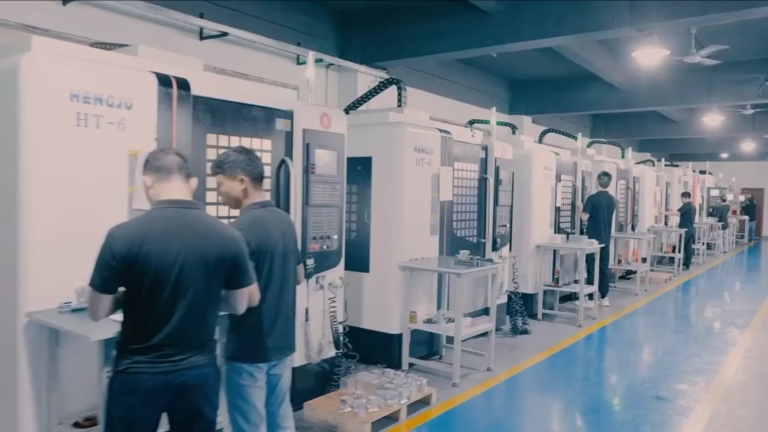
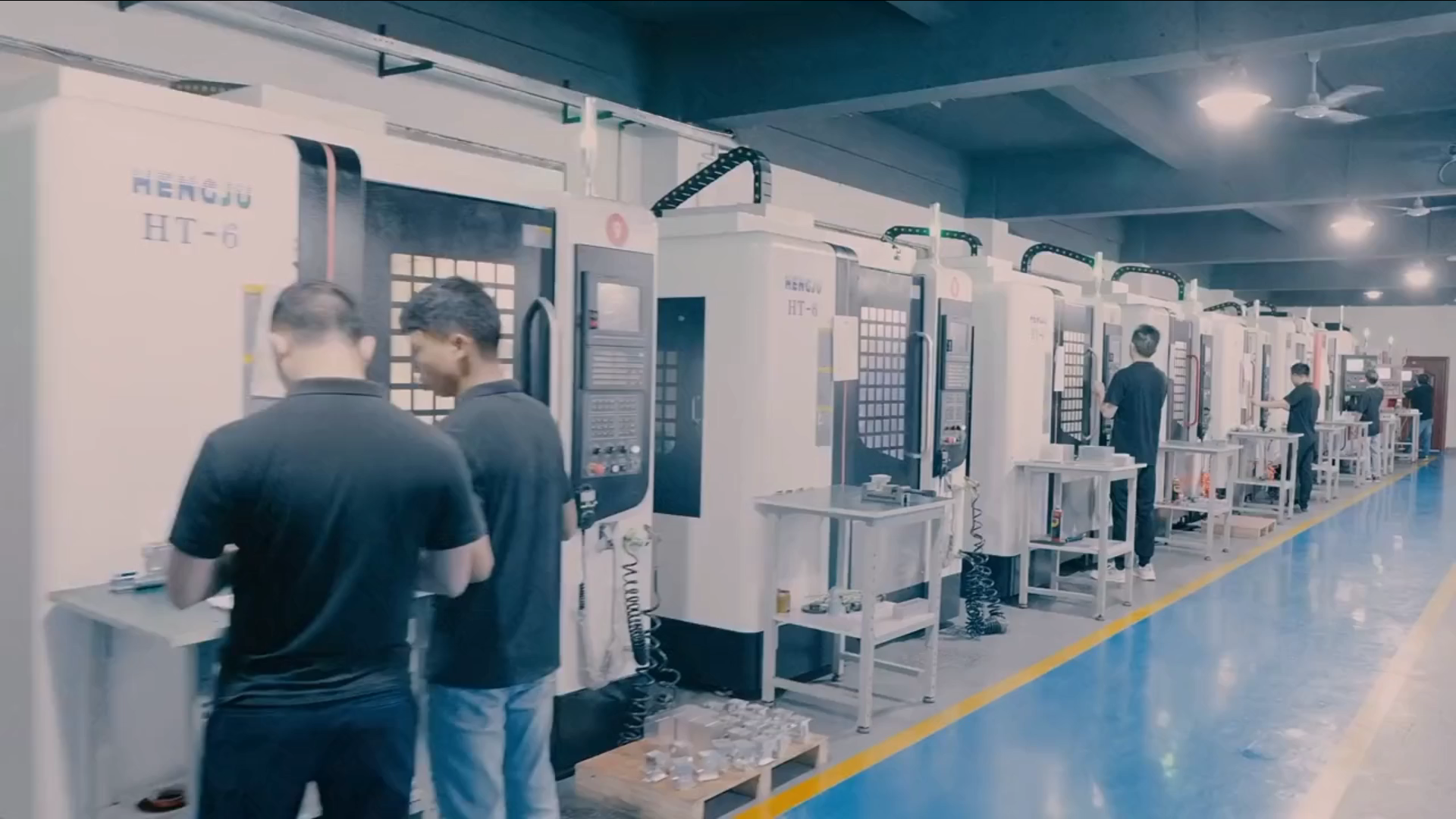
At GreatLight CNC Machining Factory, we understand that CNC plotters are not standalone tools—they’re part of a larger ecosystem of precision manufacturing services. Founded in 2011 in Dongguan’s Chang’an District, the “Capital of Precision Hardware Mold Processing,” we’ve built a 7600-square-meter facility with three wholly-owned plants, 150 employees, and 127 pieces of precision equipment, including state-of-the-art CNC plotters integrated with our precision five-axis CNC machining services (open in new window). This integration allows us to offer clients a one-stop solution that combines the speed and flexibility of CNC plotters with the power of advanced CNC machining for more complex parts.
Our team of experienced engineers works closely with clients to determine when to use a CNC plotter versus other tools. For example, if a client needs a prototype of a thin, flexible gasket for a medical device, we’ll use a CNC cutting plotter to produce the initial prototype in 24 hours. Once the design is finalized, we can transition to die casting or CNC milling for mass production, ensuring consistency across all parts. We also offer comprehensive post-processing services for CNC plotter parts, including deburring, polishing, anodizing, and painting, to ensure they meet the client’s aesthetic and functional requirements.
One of our key strengths is our ability to handle specialized CNC plotter projects that require tight tolerances and unique materials. For example, we recently worked with a humanoid robot manufacturer to create custom engraved aluminum plates for their robot joints. Using our CNC engraving plotter, we achieved a tolerance of ±0.001mm, ensuring the plates fit perfectly with the robot’s 5-axis CNC-machined components. The client was able to reduce their prototype lead time by 50% and move into production three weeks ahead of schedule.
Real-World Success: GreatLight’s CNC Plotter Application in Electric Vehicle (EV) Component Manufacturing
A leading EV startup approached GreatLight with a challenge: they needed to produce 100 custom wiring harness guides and 500 rubber gaskets for their new battery pack design. The guides required precise engraving for part traceability, while the gaskets needed to fit perfectly with the battery pack’s CNC-machined aluminum housing.
Here’s how we solved their problem:
Design Validation: Our engineering team reviewed the client’s CAD files and recommended using a CNC engraving plotter for the wiring harness guides and a CNC cutting plotter for the gaskets.
Prototype Production: We produced 5 prototypes of each part within 24 hours, allowing the client to test fit and function.
Adjustments and Optimization: Based on the client’s feedback, we made minor adjustments to the gasket’s design to improve sealing performance. Our team modified the CNC plotter’s G-code in real time, producing revised prototypes in just 4 hours.
Mass Production: Once the design was finalized, we scaled production to 100 guides and 500 gaskets. The CNC plotters produced consistent parts with zero variation, and we combined this with our anodizing post-processing service for the aluminum guides to enhance corrosion resistance.
Delivery and Support: We delivered all parts within 5 days, and our after-sales team followed up to ensure the parts met the client’s requirements. The client reported that the gaskets reduced battery pack leakage by 90% compared to their previous design.
In conclusion, if you’ve ever asked “What Is CNC Plotter Machine?” the answer is clear: it’s a versatile, high-precision manufacturing tool that plays a critical role in prototype development, custom part production, and mass production of thin, intricate components. When combined with integrated manufacturing services like those offered by GreatLight CNC Machining Factory, CNC plotters can help you reduce lead times, cut costs, and ensure consistent quality across all your projects. With our state-of-the-art equipment, decades of experience, and commitment to customer satisfaction, we’re the ideal partner for all your precision manufacturing needs. Whether you need a simple custom gasket or a complex engraved aluminum part, our team has the expertise and tools to deliver results that exceed your expectations. To learn more about our global precision manufacturing expertise, visit our LinkedIn page (open in new window).
Frequently Asked Questions (FAQ)
Q1: Can CNC plotter machines work with all types of materials?
A: No, CNC plotters are best suited for thin, flat materials, including vinyl, rubber, thin sheet metal (aluminum, stainless steel, titanium), engineering plastics, and foam. They’re not ideal for thick, rigid materials like solid steel blocks, which are better suited for CNC routers or mills. GreatLight’s team can help you select the right material and machining method for your project.
Q2: What’s the difference between a CNC plotter and a CNC router?
A: The main difference lies in their tooling and application. CNC plotters use small, sharp blades or engraving bits to cut or etch thin materials, while CNC routers use larger, rotating cutting tools to shape thick, rigid materials. CNC plotters are better for intricate, thin parts, while CNC routers are ideal for cutting or carving thick blocks of material.
Q3: How accurate are GreatLight’s CNC plotter services?
A: Our CNC engraving plotters can achieve tolerances of ±0.001mm, which is among the highest in the industry. Our CNC cutting plotters offer tolerances of ±0.005mm, which is sufficient for most prototype and small-batch production projects. We use advanced measurement equipment (including coordinate measuring machines) to verify the accuracy of all parts before delivery.
Q4: What lead times can I expect for CNC plotter projects at GreatLight?
A: For prototype projects, we can deliver parts in 1-3 days. For small-batch production (100-1000 parts), lead times are typically 5-7 days. For large-scale production, we can scale up to meet your volume needs with lead times tailored to your specific requirements.
Q5: Does GreatLight offer post-processing services for CNC plotter parts?
A: Yes, we offer a full range of post-processing services for CNC plotter parts, including deburring, polishing, anodizing, painting, silk screening, and laser marking. Our one-stop services ensure that your parts are ready to use as soon as they’re delivered, with no need for additional processing from third-party vendors.
Q6: Are GreatLight’s CNC plotter services compliant with industry standards?
A: Absolutely. We hold ISO 9001:2015, ISO 13485 (medical), and IATF 16949 (automotive) certifications, ensuring that our CNC plotter services meet the strictest quality and compliance requirements for medical, automotive, aerospace, and industrial applications.