
If you’ve ever wondered “What Is Live Tooling On A CNC Machine?” you’re not alone—this advanced machining feature has become a cornerstone of modern precision manufacturing, enabling the production of complex, high-tolerance parts that were once impractical or cost-prohibitive to make. For engineers, procurement teams, and product designers, understanding live tooling is key to unlocking faster lead times, better precision, and more flexible part design possibilities.
What Is Live Tooling On A CNC Machine?
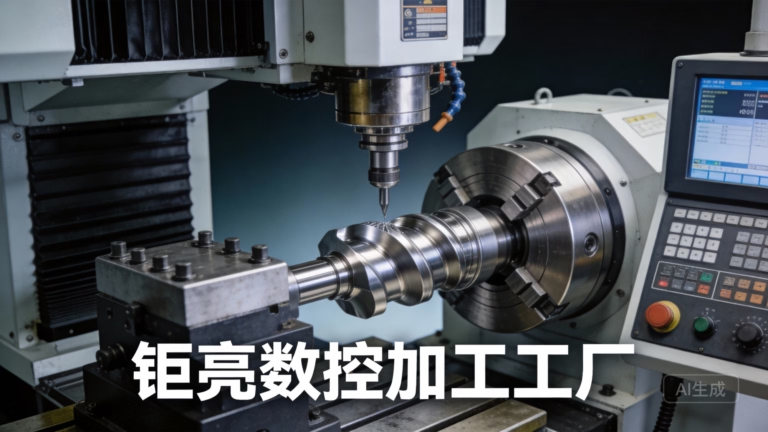
At its core, live tooling is a CNC machining feature that integrates powered, rotating tools into the machine’s turret (on lathes) or spindle head (on mills) to perform secondary operations without repositioning the workpiece. Unlike traditional static tooling, where only the workpiece rotates (on lathes) or the tool moves along fixed linear axes (on mills), live tooling empowers the machine to do far more than basic shaping.
For example, a cylindrical part that requires turning, side drilling, and tapping can be completed in a single machine run using live tooling, whereas static tooling would require transferring the part to a separate milling machine for those secondary steps. This shift from multi-machine setups to single-machine workflows is what makes live tooling a game-changer for precision manufacturing.
How Live Tooling Works
The mechanics of live tooling vary slightly depending on the type of CNC machine, but the core principle remains the same: independent tool rotation synced with dynamic workpiece positioning.
On CNC Lathes
Most CNC lathes use a turret to hold multiple tools. With live tooling, some of these turret positions are fitted with powered tool holders that have their own small motors. These motors drive the tool at high speeds, independent of the workpiece’s rotation. The CNC controller syncs the workpiece’s index position (rotating it to a precise angle) with the tool’s movement to perform operations like cross-drilling, milling hexagonal flats, or tapping side holes. This eliminates the need to remove the part from the chuck for secondary machining.
On CNC Mills & 5-Axis Machines
On milling machines, live tooling often refers to multi-axis spindles that can rotate the tool around two additional axes (A and B/C) while the workpiece is positioned dynamically. This is critical for 5-axis machining, where the tool can approach the part from any angle to machine complex contours, such as turbine blades or medical implants. For a deeper dive into how this technology transforms precision manufacturing, explore our precision 5-axis CNC machining services (opens in new window).
Unmatched Benefits of Live Tooling for Precision Manufacturing
Live tooling offers a range of advantages that directly address common pain points in precision part production:
Reduced Setup Time & Lead Times
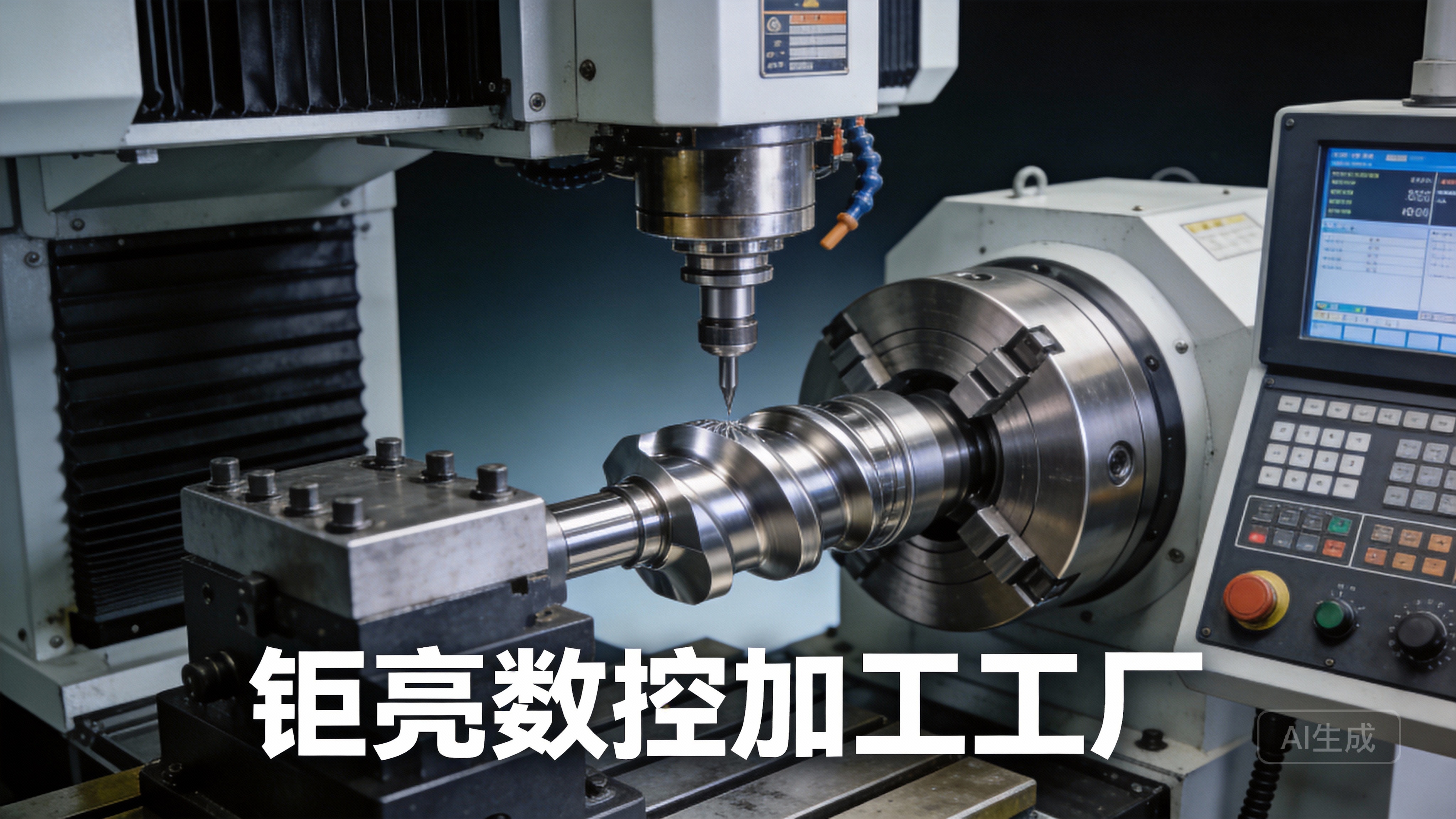
Eliminating part transfers between machines cuts setup time by 40-60% in many cases. A part that would take 3 separate setups with static tooling can be completed in one run with live tooling, slashing lead times significantly.
Improved Dimensional Accuracy
Every time a part is repositioned, there’s a risk of alignment errors that compromise precision. Live tooling keeps the part fixed in one setup, reducing cumulative tolerance stack-ups and ensuring consistent, repeatable results (often down to ±0.001mm).
Lower Production Costs
Fewer machines mean less capital expenditure, reduced labor for part handling, and minimized scrap from repositioning errors. This translates to lower per-unit costs for complex parts, even in low-volume production runs.
Enhanced Design Flexibility
Live tooling unlocks the ability to create parts with intricate features—like asymmetric grooves, cross-drilled holes, or 3D contours—that would be impossible or impractical with static tooling alone. This is a game-changer for industries pushing the boundaries of product design, such as robotics and aerospace.
Common Types of Live Tooling
Live tooling is categorized by the type of machine it’s used on, each tailored to specific applications:
Radial Live Tooling (CNC Lathes): Mounted perpendicular to the spindle axis, these tools perform operations on the side of cylindrical parts, such as side drilling or milling flats.
Axial Live Tooling (CNC Lathes): Aligned parallel to the spindle axis, these tools handle end-facing, drilling, or tapping on the end of a part.
5-Axis Live Tooling: Integrated into 5-axis machining centers, these tools can rotate around multiple axes to machine complex, free-form surfaces (e.g., turbine blades, medical implants).
Swiss-Type Live Tooling: Designed for high-speed, small-part machining, these tools are used in Swiss-type lathes to produce tiny components (like medical screws or electronic connectors) with minimal vibration and maximum precision.
Industries That Depend on Live Tooling
Live tooling is indispensable for sectors that demand complex, high-precision parts:
Automotive: Engine components (crankshafts, camshafts), transmission parts, and EV battery housings rely on live tooling to machine intricate cooling channels and mounting features with tight tolerances.
Aerospace: Hydraulic fittings, turbine blades, and aircraft structural parts require exceptional precision and compliance with strict industry standards. Live tooling paired with 5-axis machining ensures these parts meet AS9100 and other aerospace regulations.
Medical Devices: Surgical instruments, orthopedic implants, and diagnostic equipment parts need biocompatible materials and micron-level precision. Live tooling ensures these parts are consistent and safe for patient use.
Robotics: Humanoid robot joint components, gear assemblies, and sensor mounts often have asymmetric features that can only be machined efficiently with live tooling, reducing weight while maintaining structural integrity.
How GreatLight Leverages Live Tooling to Deliver Superior Precision Parts
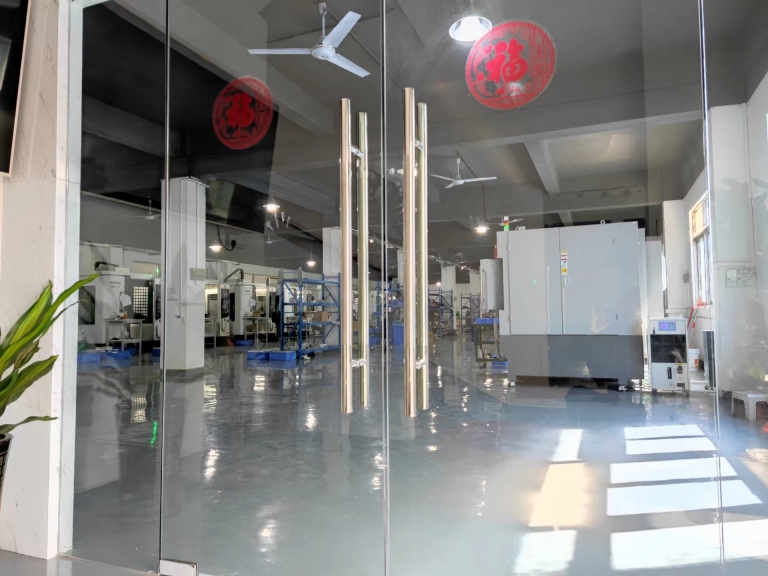
While many CNC machining suppliers offer basic live tooling capabilities, GreatLight stands out for its deep expertise in integrating live tooling with multi-axis machining and strict quality control processes. Founded in 2011 in Dongguan’s Chang’an District—China’s “Hardware and Mould Capital”—GreatLight has spent over a decade refining its live tooling workflows to meet the needs of global clients in automotive, medical, robotics, and aerospace industries.
Advanced Equipment for Live Tooling Excellence
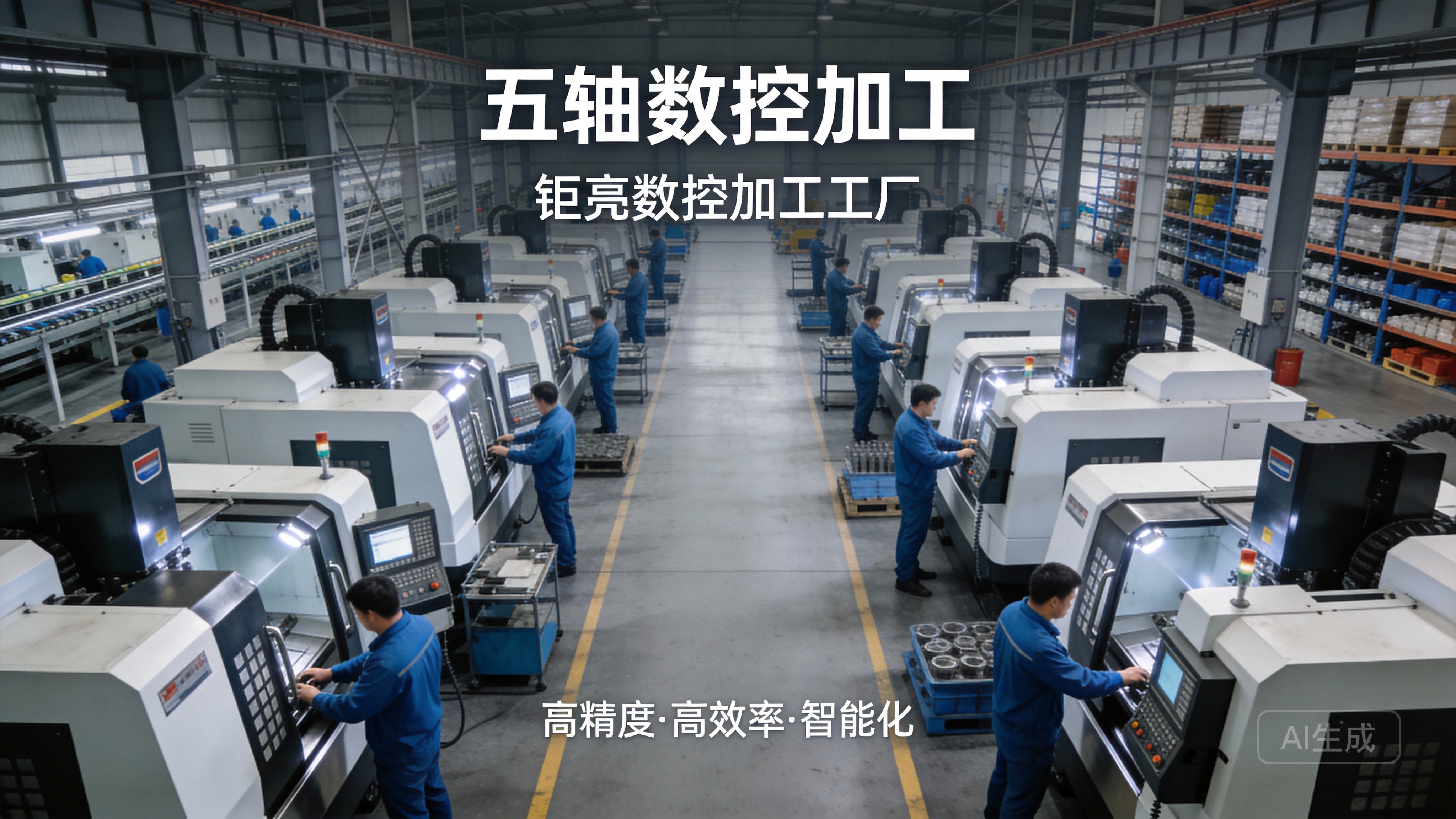
GreatLight’s 7600-square-meter facility houses 127+ precision machines, including:
High-end 5-axis CNC machining centers with integrated live tooling
4-axis and 3-axis CNC lathes with turret-mounted live tooling
Swiss-type lathes with high-speed live tooling for small, intricate parts
This diverse fleet allows GreatLight to handle parts ranging from 0.1mm small to 4000mm in maximum size, all with precision down to ±0.001mm.
Certified Quality Control for Live Tooled Parts
As an ISO 9001:2015, IATF 16949, and ISO 13485 certified manufacturer, GreatLight adheres to strict standards for every live tooling operation. In-house metrology equipment (like coordinate measuring machines) verifies every part’s dimensions to ensure compliance with client specifications.
For example, in a recent project for a new energy vehicle client, GreatLight used live tooling on a 5-axis lathe to machine complex cooling channels in an E-housing. By completing all operations in one setup, they reduced lead time by 35% and eliminated alignment errors that had plagued the client’s previous supplier. The part passed all IATF 16949 quality audits on the first try.
One-Stop Solutions Complementing Live Tooling
Live tooling is just one piece of the puzzle. GreatLight offers full-process chain services, including post-processing (anodizing, plating, powder coating) and assembly, so clients receive fully finished parts ready for deployment. Their after-sales guarantee—free rework for quality issues, full refund if rework is unsatisfactory—further reinforces their commitment to client satisfaction.
Conclusion
In the end, understanding “What Is Live Tooling On A CNC Machine?” reveals why this technology is indispensable for modern precision manufacturing—and why partnering with experts like GreatLight, who master live tooling to its full potential, is the key to bringing your most complex part designs to life efficiently and accurately. Whether you’re developing a medical implant, an automotive engine component, or a robot joint, GreatLight’s combination of advanced live tooling, multi-axis machining, and certified quality control ensures your parts meet the highest standards of precision and reliability.
Frequently Asked Questions About Live Tooling
1. Is live tooling only available on CNC lathes?
No, live tooling is also widely used on CNC milling machines, 5-axis machining centers, and Swiss-type lathes. On mills, it refers to powered spindles that can rotate the tool independently of the workpiece, enabling multi-axis operations.
2. How does live tooling improve part precision?
By keeping the workpiece in a single setup, live tooling eliminates alignment errors that occur when transferring parts between machines. This reduces tolerance stack-ups and ensures all features on the part are machined to precise, consistent dimensions.
3. Can live tooling handle both metal and plastic parts?
Yes, live tooling is suitable for a wide range of materials, including aluminum, steel, titanium, plastic, and composite materials. The tool speed and feed rate can be adjusted based on the material’s properties to achieve optimal results.
4. What’s the difference between live tooling and static tooling?
Static tooling relies on the workpiece’s rotation (on lathes) or the tool’s linear movement (on mills) to shape the part. Live tooling uses powered tools that rotate independently, allowing for secondary operations like milling or drilling without repositioning the part.
5. How does GreatLight ensure consistent quality with live tooling?
GreatLight follows ISO 9001:2015 and industry-specific standards (IATF 16949 for automotive, ISO 13485 for medical) to standardize live tooling workflows. In-house metrology equipment performs rigorous inspections, and their team of experienced engineers monitors every stage of the machining process to catch issues early.
6. Can live tooling be used for low-volume prototype production?
Absolutely. Live tooling reduces setup time, making it ideal for low-volume prototype runs where speed and precision are critical. GreatLight specializes in rapid prototyping and can deliver live-tooled prototypes in as little as 2-3 days.
To see more examples of live tooling in action, connect with us on our LinkedIn page (opens in new window).



















