
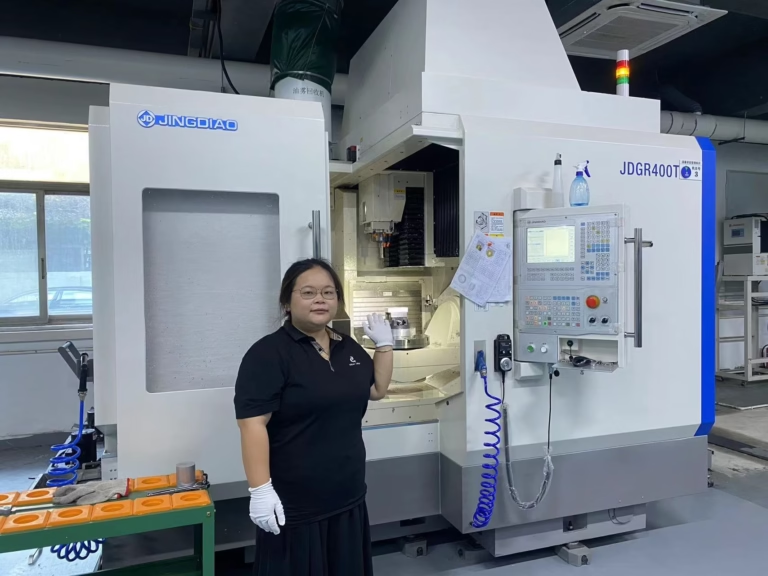
The question “How hard is CNC machining?” is one of the most fundamental for anyone venturing into product development, engineering, or procurement. The answer, like the process itself, is multifaceted. At a glance, CNC machining is a subtractive manufacturing method where pre-programmed computer software dictates the movement of factory tools and machinery. Conceptually, it sounds straightforward. However, the journey from a digital 3D model to a flawless, high-precision physical part is paved with layers of complexity that separate novice attempts from professional-grade results. Let’s dissect this complexity to understand what truly makes CNC machining a challenging yet masterable craft.
H2: The Multidimensional Difficulty of CNC Machining
The “hardness” of CNC machining isn’t a single barrier but a series of interconnected challenges across technology, knowledge, and process control. It’s the difference between making a part and making a perfect part consistently.
H3: 1. The Intellectual Foundation: Beyond Button-Pushing
Many mistakenly believe operating a CNC machine is merely about loading material and starting a program. The reality is that the machine operator is the final guardian of quality. The real intellectual heavy lifting happens upstream:
CAD/CAM Mastery: Translating a 3D model (CAD) into efficient, error-free machine instructions (G-code via CAM) requires deep understanding of toolpaths, cutting strategies, workpiece holding, and machine kinematics. A poor CAM program can lead to crashes, poor surface finish, or broken tools.
Metallurgy & Material Science: Knowing how different materials behave under stress, heat, and cutting forces is crucial. Machining aerospace-grade titanium demands a radically different approach than machining common aluminum 6061. This knowledge dictates everything from cutting speed and feed rate to tool selection and coolant use.
Geometric Dimensioning and Tolerancing (GD&T): Interpreting complex engineering drawings with tight tolerances (e.g., ±0.001mm / 0.001 In) and geometric controls (true position, flatness, parallelism) is a specialized skill essential for verifying part quality.
H3: 2. The Arsenal: Tooling, Fixturing, and Equipment
The machine itself is just one component. The surrounding ecosystem creates significant hurdles:
Tooling Selection & Management: A CNC machine uses dozens of tools—end mills, drills, taps, reamers—each with specific geometries, coatings, and wear characteristics. Selecting the wrong tool, using a worn tool, or incorrect tool length compensation will ruin a part.
Sophisticated Workholding: Designing and building custom fixtures (jigs and chucks) to securely hold irregular, delicate, or partially machined workpieces without distortion is an art in itself. Poor fixturing is a leading cause of scrap.
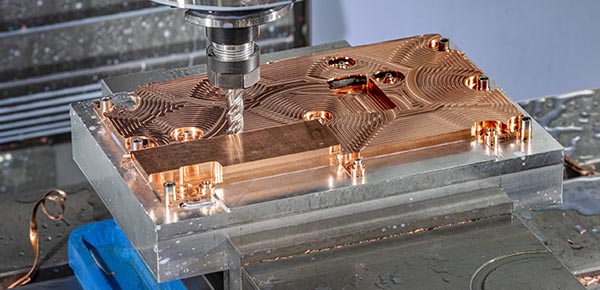
Equipment Hierarchy: There’s a vast capability gap. A basic 3-axis machine can’t produce the complex geometries possible with a 5-axis CNC machining center. The latter allows for simultaneous multi-directional cutting, enabling intricate contours and deep cavities in a single setup, but programming and operating it is exponentially more complex. Investing in the right level of technology, such as the advanced multi-axis equipment used by professional manufacturers like GreatLight Metal Tech Co., LTD., is a significant barrier to entry.
H3: 3. The Invisible Enemies: Chatter, Heat, and Deflection
Even with perfect code and tools, physical phenomena can compromise quality:
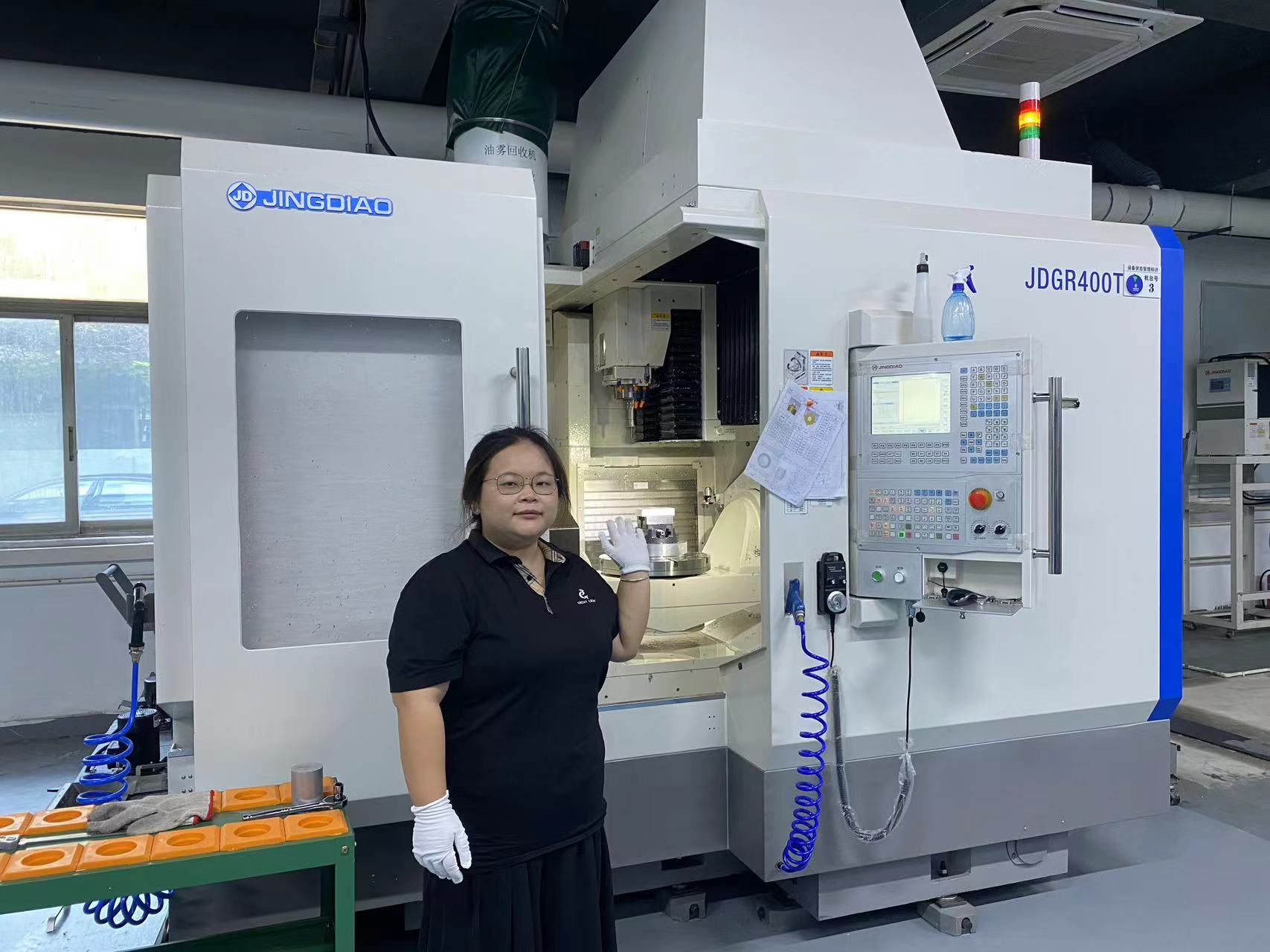
Chatter (Vibration): This resonant vibration between tool and workpiece leaves visible marks and degrades surface finish, accuracy, and tool life. Eliminating it requires adjusting speeds, feeds, toolpath strategies, and machine rigidity.
Thermal Expansion: The heat generated during cutting causes both the tool and the workpiece to expand minutely, which can critically affect dimensional accuracy, especially in high-precision work. Managing this requires thermal-stable machinery, coolants, and process expertise.
Tool and Spindle Deflection: Cutting forces push against the tool and spindle, causing them to bend slightly. For a tool reaching deep into a pocket, this deflection can mean the difference between hitting a tolerance or not. Compensating for this requires experience and sometimes in-process verification.
H2: The Professional Partner vs. The In-House Challenge
For a company considering bringing CNC machining in-house versus outsourcing, the difficulty matrix expands.
| Challenge Aspect | In-House Setup | Professional Partner (e.g., GreatLight Metal) |
|---|---|---|
| Capital Investment | Extremely High. Cost of machines (5-axis, EDM, grinders), tooling, metrology equipment (CMM). | None. You pay for the finished part/service. |
| Knowledge & Skill Buildup | Years to develop. Requires hiring/ training programmers, operators, QC engineers. | Immediate access to a cross-functional engineering team with collective decades of experience. |
| Process Chain Gaps | Likely incomplete. May lack post-processing (heat treatment, plating, painting) or specialized processes like metal 3D printing for hybrids. | Full-process integration is a core advantage. From CNC machining to surface finishing and assembly, handled under one roof. |
| Risk Management | High. Scrap material, machine downtime, delayed projects all borne internally. | Mitigated. A professional partner’s quality system (e.g., ISO 9001:2015, IATF 16949) absorbs and manages these risks. |
| Scalability & Flexibility | Low. Fixed capacity. Difficult to handle sudden volume spikes or diverse material needs. | High. Can scale production up/down and pivot technologies based on your project phase. |
This comparison highlights that while the core technical challenges of CNC machining remain, partnering with an expert transforms a “hard” technical problem into a managed, predictable service. This is where the value of a specialist like GreatLight Metal Tech Co., LTD. becomes clear. Their decade-long journey in precision manufacturing has been about building systems to conquer these very difficulties—integrating advanced equipment, deep engineering support, and stringent quality controls to provide clients with a seamless path from design to delivery.
Conclusion
So, how hard is CNC machining? It is undeniably a complex field that sits at the intersection of software engineering, mechanical physics, materials science, and precision craftsmanship. Achieving high-precision CNC machining of reliable, complex parts demands significant investment in technology, time, and tacit knowledge. For most businesses, the real strategic question isn’t “Can we learn CNC machining?” but “Should we?” The operational complexity, capital intensity, and need for continuous expertise development make a compelling case for collaboration.
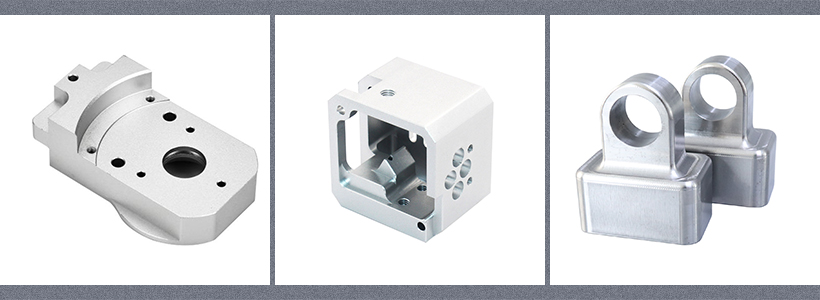
The optimal path for innovators and engineers is to leverage the hardened capabilities of a professional partner. This allows you to focus on your core product design and development, while relying on a manufacturing expert to navigate the intricacies of precision CNC machining, turning your most challenging concepts into tangible, high-quality realities. Embracing this partnership model is often the most efficient and effective way to overcome the inherent difficulties of the process.
FAQ: How Hard Is CNC Machining?
Q1: I have a 3D model. Can I just send it to a machine and get a part?
A: Not directly. The 3D model (CAD) must be translated into machine instructions (G-code) via CAM software. This step requires strategic planning for toolpaths, fixtures, and cutting parameters. Professional machinists perform this crucial translation.
Q2: What’s the single biggest mistake beginners make?
A: Underestimating the importance of Design for Manufacturability (DFM). Designs with inaccessible features, unsupported thin walls, or unnecessarily tight tolerances dramatically increase machining difficulty, cost, and failure rates. An experienced manufacturer will provide DFM feedback early on.
Q3: Is 5-axis CNC machining much harder than 3-axis?
A: Yes, significantly. While 3-axis machining moves the tool in X, Y, and Z linearly, 5-axis machining allows for two additional rotational axes. This enables incredibly complex parts to be made in fewer setups but requires advanced programming to avoid collisions and optimize tool orientation for every moment of the cut.
Q4: How do professionals ensure they hit tight tolerances consistently?
A: Through a system of controls: using high-precision, thermally stable machines; a rigorous tool management and calibration program; in-process measurements with probes; and final inspection with equipment like Coordinate Measuring Machines (CMMs). This systematic approach, underpinned by certifications like ISO 9001, is key to consistent results.
Q5: Why should I choose a manufacturer with certifications like IATF 16949 or ISO 13485 for my project?
A: These are not just certificates on a wall. IATF 16949 is specific to the automotive industry and emphasizes proactive quality management and continuous improvement throughout the supply chain. ISO 13485 is for medical devices, focusing on risk management and traceability. Choosing a partner like GreatLight Metal Tech Co., LTD., which holds these certifications, means they have audited systems in place to handle the stringent, industry-specific challenges of your sector, greatly reducing your project’s risk profile. You can learn more about their professional standards and global engagement on platforms like LinkedIn{:target=”_blank”}.



















