
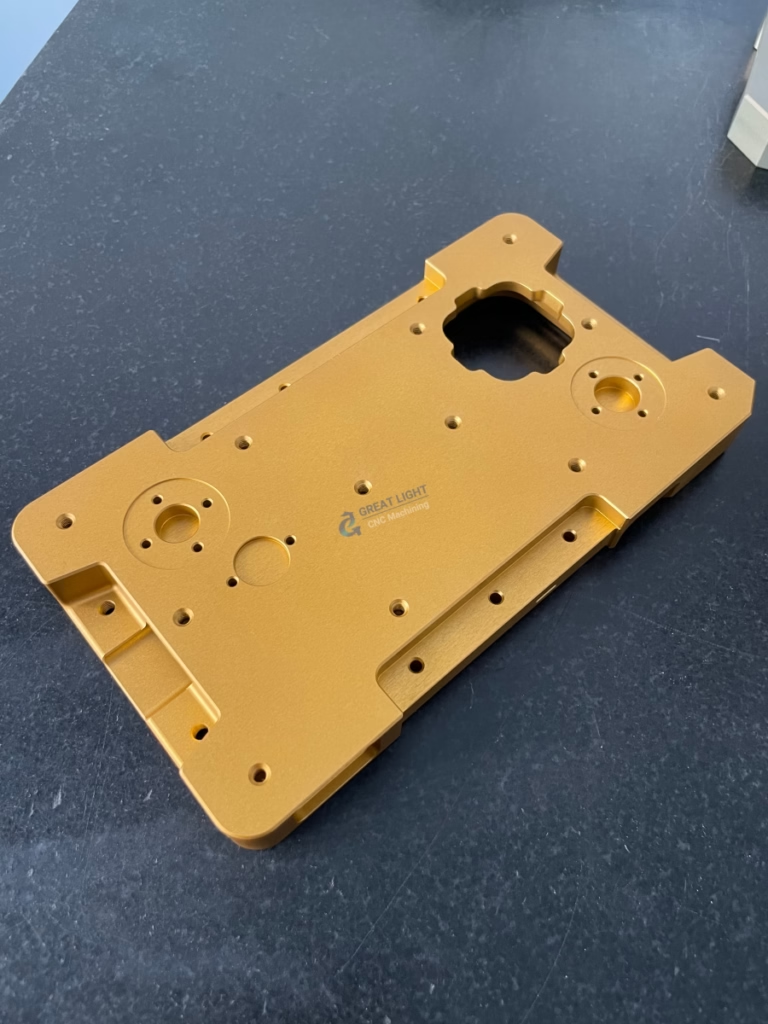
If you’ve ever wondered What Is The Full Form Of CNC Lathe Machine?, you’re not alone—this is a foundational question for anyone entering or working in precision parts machining. Understanding the core meaning behind the acronym unlocks insights into why these machines are indispensable to modern manufacturing, enabling the production of everything from medical implants to automotive engine parts with unrivaled precision.
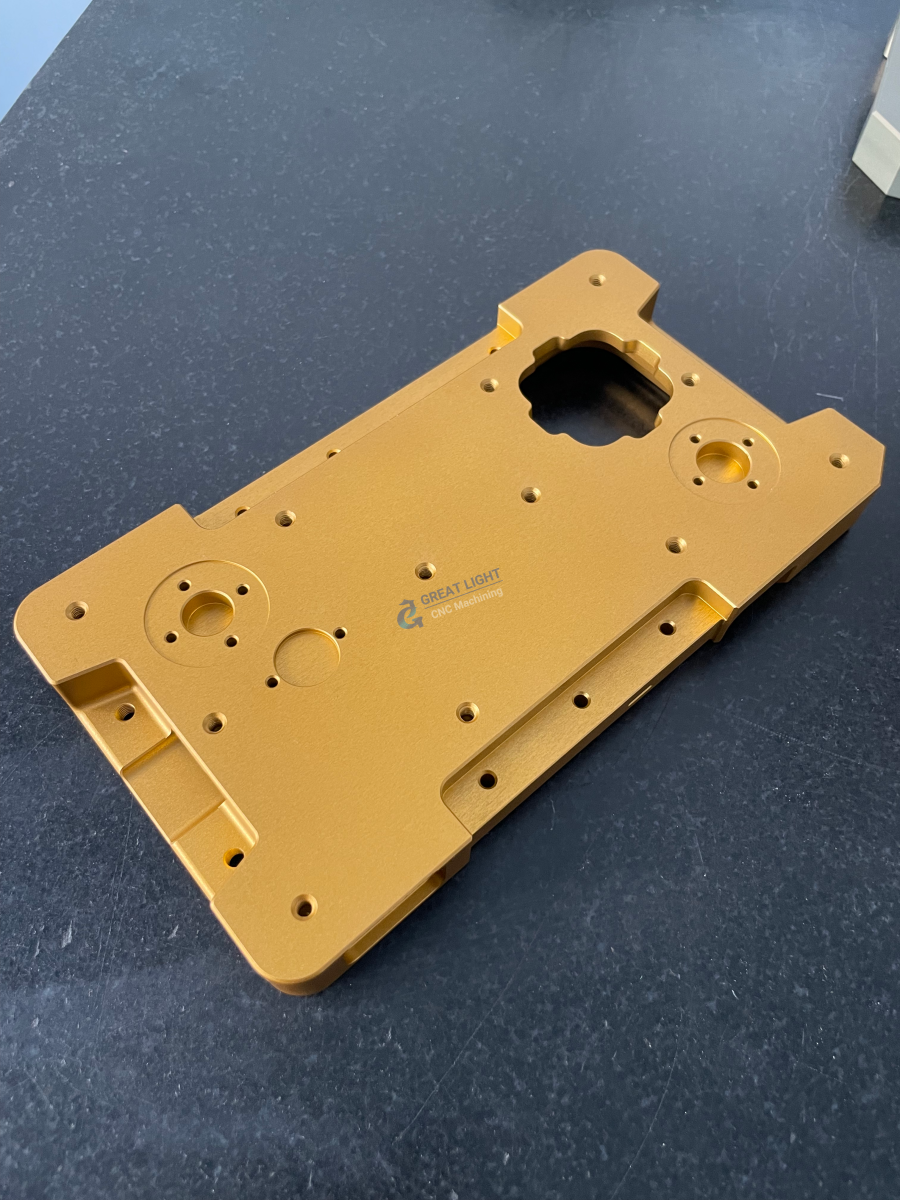
What Is The Full Form Of CNC Lathe Machine?
The full form of CNC Lathe Machine is Computer Numerical Control Lathe Machine. To fully grasp its significance, let’s break down each component of the acronym and how they work together to revolutionize turning operations:
1. Computer: The Intelligent Control Center
The “Computer” in CNC refers to a specialized industrial controller that serves as the machine’s brain. Unlike manual lathes, which rely on a machinist’s hands-on adjustments, this computer stores and executes pre-programmed machining instructions. It integrates seamlessly with CAD (Computer-Aided Design) and CAM (Computer-Aided Manufacturing) software: designers create 3D models in CAD, CAM software translates these models into machine-readable codes, and the CNC controller executes these codes to guide the lathe’s movements.
2. Numerical Control: The Language of Precision
“Numerical Control” is the system that converts digital design specifications into alphanumeric codes (most commonly G-code and M-code) that dictate every action of the lathe. Each code specifies exact coordinates, feed rates, spindle speeds, tool changes, and stopping points. This eliminates human error and ensures that every part produced matches the design’s exact dimensions, even across thousands of units. For example, a G-code might command the lathe to move the cutting tool 5mm radially inward at a feed rate of 100mm/min, while an M-code could trigger a tool change or coolant activation.
3. Lathe Machine: The Core Machining Platform
A “Lathe Machine” is a classic machining tool where the workpiece rotates around a fixed central axis, and cutting tools move radially or axially to remove excess material. Traditional manual lathes require constant operator oversight, but CNC lathes automate this process to execute complex, repeatable operations. Common CNC lathe applications include:
Facing: Creating a flat, smooth surface on the end of a cylindrical workpiece
Turning: Reducing the diameter of a part to achieve a precise cylindrical shape
Threading: Cutting internal or external threads (metric, imperial, or custom profiles)
Boring: Enlarging existing holes or creating precise internal diameters
Grooving: Cutting narrow slots or grooves into the workpiece for seals, fasteners, or aesthetic purposes
Why CNC Lathes Are a Game-Changer for Precision Manufacturing
CNC lathes have transformed the machining industry by addressing the limitations of manual lathes. Here are their key advantages:
Unmatched Precision & Repeatability: CNC lathes can hold tolerances as tight as ±0.001mm, making them essential for high-end sectors like aerospace, medical, and robotics where even minor deviations can lead to catastrophic failures. Every part produced is identical, ensuring consistency across small-batch prototypes and large-volume runs.
Complex Geometry Capabilities: Unlike manual lathes, which are limited to basic shapes, CNC lathes can create intricate contours, tapers, and custom threads that would be impossible or prohibitively time-consuming to produce manually.
Automation & Efficiency: CNC lathes can operate 24/7 with minimal operator intervention, reducing labor costs and shortening lead times. This makes them ideal for rapid prototyping, where speed to market is critical, and mass production, where efficiency drives profitability.
Reduced Human Error: By eliminating the need for constant manual adjustments, CNC lathes reduce mistakes caused by operator fatigue, inconsistency, or measurement errors.
Versatility: CNC lathes can machine a wide range of materials, including aluminum alloys, stainless steel, titanium, copper, brass, mold steel, and engineering plastics, supporting applications across diverse industries.
GreatLight Metal’s CNC Lathe Capabilities: Powering Precision for Global Clients
As a leading precision machining manufacturer with over 12 years of experience, GreatLight Metal Tech Co., LTD. (GreatLight) integrates high-performance CNC lathes into its comprehensive suite of machining services, supporting clients across automotive, medical, humanoid robotics, aerospace, and high-end consumer electronics sectors. Here’s what sets their CNC turning operations apart:
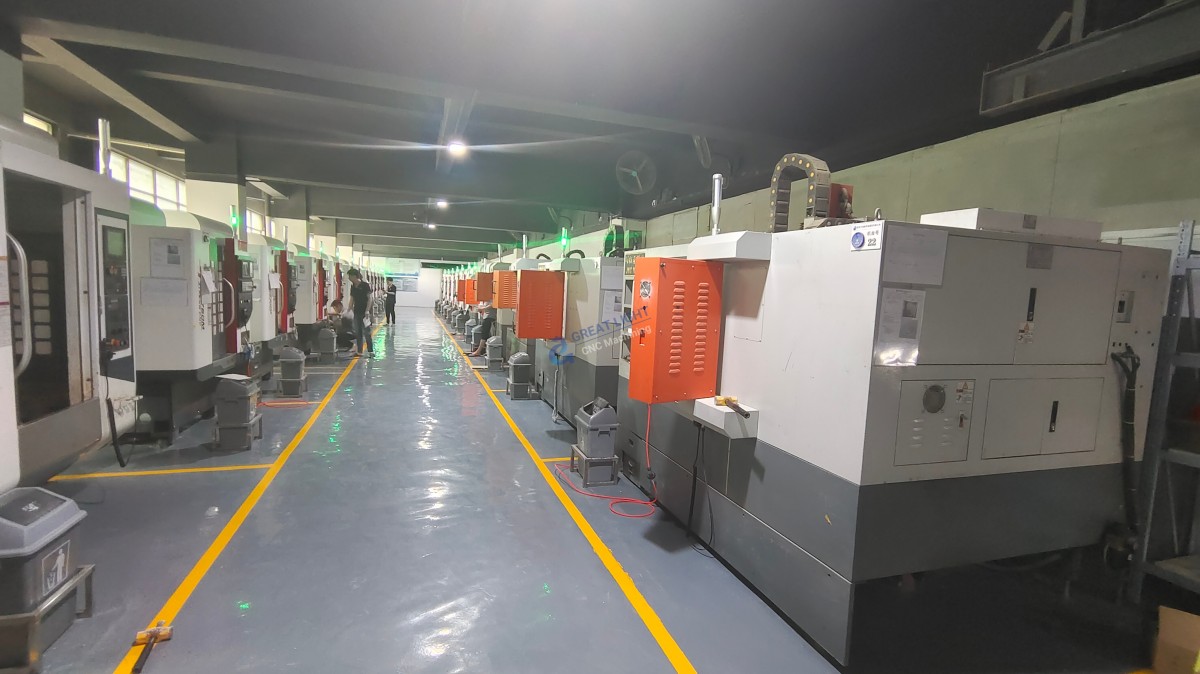
State-of-the-Art Equipment: Part of their 127+ precision peripheral machines (including large high-precision 3/4/5-axis CNC machining centers that open in a new window, EDM machines, and 3D printers), GreatLight’s CNC lathes are paired with advanced inspection tools to ensure every part meets exact specifications. Their three wholly-owned manufacturing plants allow for scalable production, from small prototypes to large-volume runs.
Industry-Leading Precision: GreatLight’s CNC lathe operations can hold tolerances as tight as ±0.001mm, a critical standard for components like medical implants, automotive engine valves, and robot joint mechanisms. Their maximum processing size of 4000mm also accommodates large workpieces that many competitors can’t handle.
Certified Quality Compliance: As an ISO 9001:2015, IATF 16949 (automotive), ISO 13485 (medical), and ISO 27001 (data security) certified manufacturer, GreatLight adheres to rigorous quality control protocols for every CNC-turned part. This ensures compliance with global industry standards and protects your intellectual property.
Full-Process End-to-End Support: From initial design consultation (including DFM, or Design for Manufacturability, guidance) and CAM programming to CNC turning, post-processing (anodizing, polishing, plating, sandblasting), and final inspection, GreatLight offers a one-stop solution to bring your part from concept to completion.
Unmatched After-Sales Guarantee: GreatLight stands behind its work with free rework for any quality-related issues, and a full refund if rework doesn’t meet your exact requirements. This client-centric approach has earned them trust from new and long-term partners worldwide.
Conclusion
In the end, knowing What Is The Full Form Of CNC Lathe Machine? is just the first step—partnering with a trusted manufacturer like GreatLight Metal ensures you leverage this powerful technology to its full potential, delivering precision parts that drive your business forward. For more insights into their work, you can explore their official LinkedIn page that opens in a new window.
Frequently Asked Questions (FAQ)
1. What materials can GreatLight machine with CNC lathes?
GreatLight works with a wide range of materials, including aluminum alloys, stainless steel, titanium, copper, brass, mold steel, engineering plastics (like POM, ABS, PC), and exotic alloys. This versatility supports applications across automotive, medical, aerospace, and industrial automation sectors.
2. What is the maximum tolerance GreatLight can achieve with CNC lathes?
GreatLight’s CNC lathe operations can hold tolerances as tight as ±0.001mm, meeting the precision requirements of high-end components like medical implants, automotive engine parts, and robot joint mechanisms.
3. Can GreatLight handle both small-batch prototypes and high-volume production with CNC lathes?
Yes. GreatLight’s flexible manufacturing setup allows them to support rapid prototyping (with lead times as short as a few days) and high-volume production runs, leveraging automation to ensure consistency and efficiency across all order sizes.
4. What post-processing services are available for CNC lathe parts at GreatLight?
GreatLight offers one-stop post-processing services, including anodizing, powder coating, polishing, plating (nickel, chrome, zinc), sandblasting, passivation, and laser engraving. These services enhance the aesthetic appeal, durability, and functional performance of CNC-turned parts.
5. Does GreatLight provide design support for CNC lathe projects?
Absolutely. GreatLight’s team of experienced engineers offers Design for Manufacturability (DFM) consultations to optimize your part design for CNC turning, reducing costs, improving lead times, and ensuring the final part meets all your functional requirements.
6. How does GreatLight ensure quality control for CNC lathe parts?
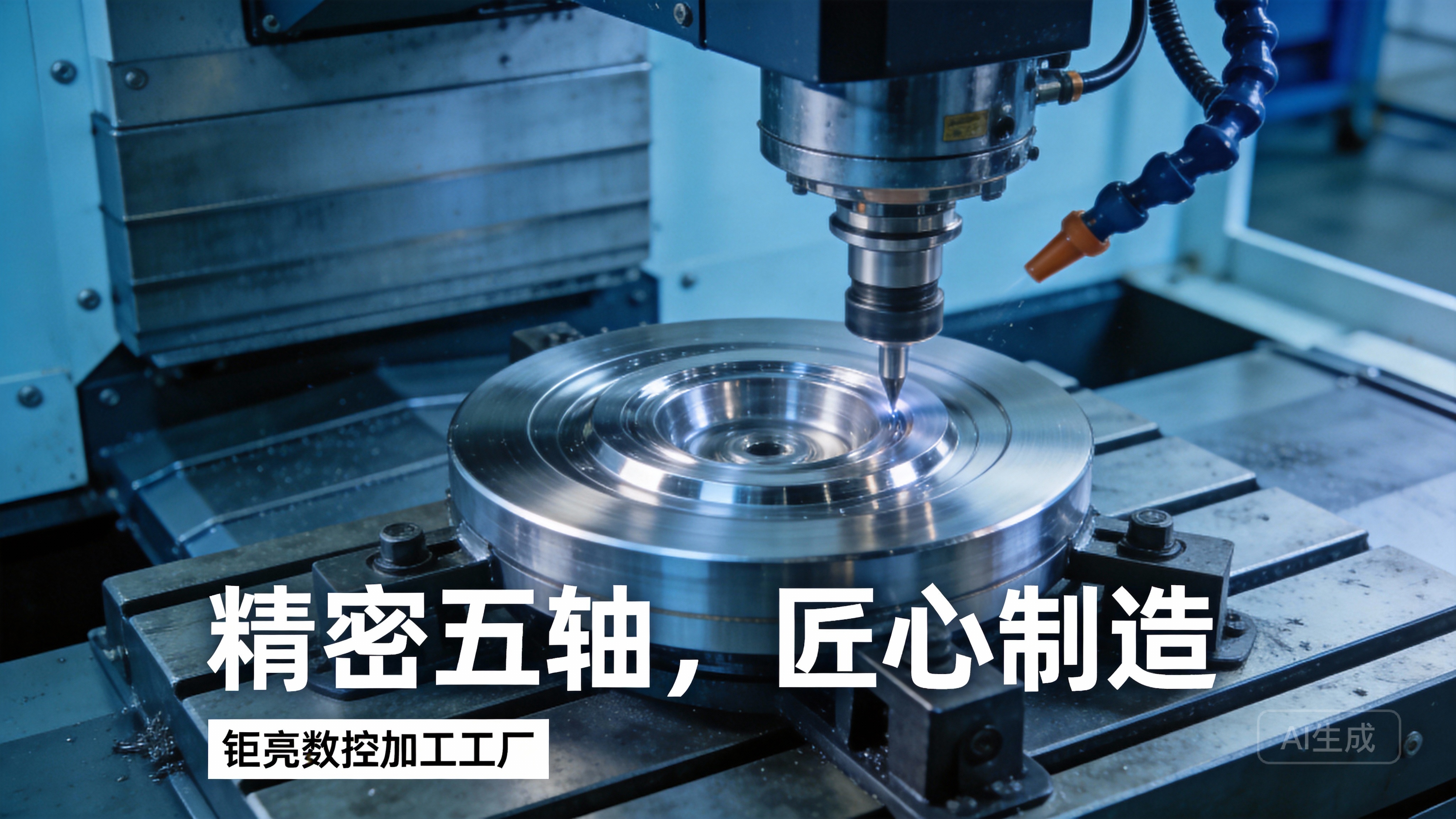
GreatLight follows ISO 9001:2015 and industry-specific certification standards (like IATF 16949 for automotive and ISO 13485 for medical). They use in-house precision measurement equipment (including coordinate measuring machines, or CMMs) to inspect every part, and offer a free rework or full refund guarantee for quality-related issues.
7. Can GreatLight handle large workpieces with CNC lathes?
Yes. GreatLight’s maximum processing size of 4000mm allows them to accommodate large cylindrical workpieces, making them a viable partner for projects involving heavy machinery components or structural parts.



















