
Opening a CNC machine shop is a rewarding venture for entrepreneurs and engineers looking to tap into the booming demand for precision parts across industries like automotive, medical, aerospace, and consumer electronics—but figuring out How To Open A CNC Machine Shop? requires careful planning, technical know-how, and strategic decision-making. With global manufacturing shifting toward high-precision, custom components, the right approach can turn your shop into a trusted partner for businesses worldwide. Drawing on insights from industry leaders like GreatLight CNC Machining Factory, a 12-year-old precision manufacturing specialist, we’ll walk you through every critical step to launch and grow a successful CNC machine shop.
How To Open A CNC Machine Shop?
1. Conduct Comprehensive Market Research & Niche Down Your Focus
Before investing in equipment, you need to identify a profitable niche that aligns with local demand and your capabilities. Generalist CNC shops often struggle to compete on price or quality with established players, so narrowing your focus can help you stand out.
Analyze Demand Gaps: Are local medical device manufacturers lacking a reliable partner for ultra-precise prototype parts? Do new energy vehicle startups need help with complex engine component machining? GreatLight CNC Machining Factory, based in Dongguan’s Chang’an District (China’s hardware mold capital), identified early on that high-end sectors like humanoid robots and aerospace components were underserved for parts requiring ±0.001mm precision. This niche focus allowed them to build a reputation as a problem-solver for complex manufacturing challenges.
Study Competitors: Evaluate existing CNC shops in your area—what services do they offer? What are their weaknesses? For example, if most local shops only offer 3-axis machining, specializing in five-axis CNC machining services (opens in new window) could give you a unique selling proposition.
Validate with Potential Clients: Reach out to local businesses, engineers, and product designers to understand their pain points. Do they struggle with long lead times? Poor quality control? Use their feedback to shape your service offerings.
2. Develop A Solid Business Plan & Complete Legal Formalities
A well-crafted business plan will guide your decisions and help secure funding if needed. It should include:
Financial Projections: Calculate startup costs (equipment, facility, labor), ongoing expenses (raw materials, maintenance, utilities), and revenue forecasts based on your niche. GreatLight’s initial plan focused on rapid prototyping services, which have shorter lead times and higher margins to generate early cash flow.
Pricing Strategy: Determine rates based on machine time, material costs, and complexity. For example, 5-axis machining typically commands a 20-50% premium over 3-axis work due to its precision and setup complexity.
Growth Roadmap: Outline short-term (1-2 years) and long-term (3-5 years) goals, such as adding new equipment or expanding into mass production.
Next, complete all legal and regulatory steps:
Business Registration: Choose a legal structure (LLC, sole proprietorship, or corporation) that protects your personal assets.
Licenses & Permits: Obtain industrial operation permits, environmental clearances (for coolant disposal), and any industry-specific certifications (like IATF 16949 for automotive parts).
Insurance: Invest in liability insurance (to cover errors in parts), property insurance (for equipment damage), and workers’ compensation for your team.
3. Select The Right Equipment & Optimize Your Facility Layout
Your CNC machinery is the backbone of your shop, so choose equipment that matches your niche and budget. Use this comparison to guide your choices:
| Machine Type | Ideal For | Typical Precision | Initial Cost Range |
|---|---|---|---|
| 3-axis CNC | Simple 2D/3D parts, basic prototyping | ±0.01mm | $20,000–$80,000 |
| 4-axis CNC | Rotational components, engine parts | ±0.005mm | $80,000–$200,000 |
| 5-axis CNC | Complex geometries, aerospace/medical parts | ±0.001mm | $200,000–$500,000+ |
Beyond CNC centers, you’ll need auxiliary equipment to offer comprehensive services:

Precision Measuring Tools: Coordinate Measuring Machines (CMMs), micrometers, and calipers to ensure parts meet tolerance requirements. GreatLight uses high-end CMMs to verify ±0.001mm precision for critical components.
Post-Processing Equipment: Grinding machines, EDM tools, and surface finishing equipment (for anodizing, powder coating, or polishing) to offer one-stop solutions.
3D Printers: SLM, SLA, or SLS printers for rapid prototyping, which can help you secure design validation projects before moving to CNC machining. GreatLight’s fleet includes multiple 3D printers to support quick prototype iterations.
For your facility:
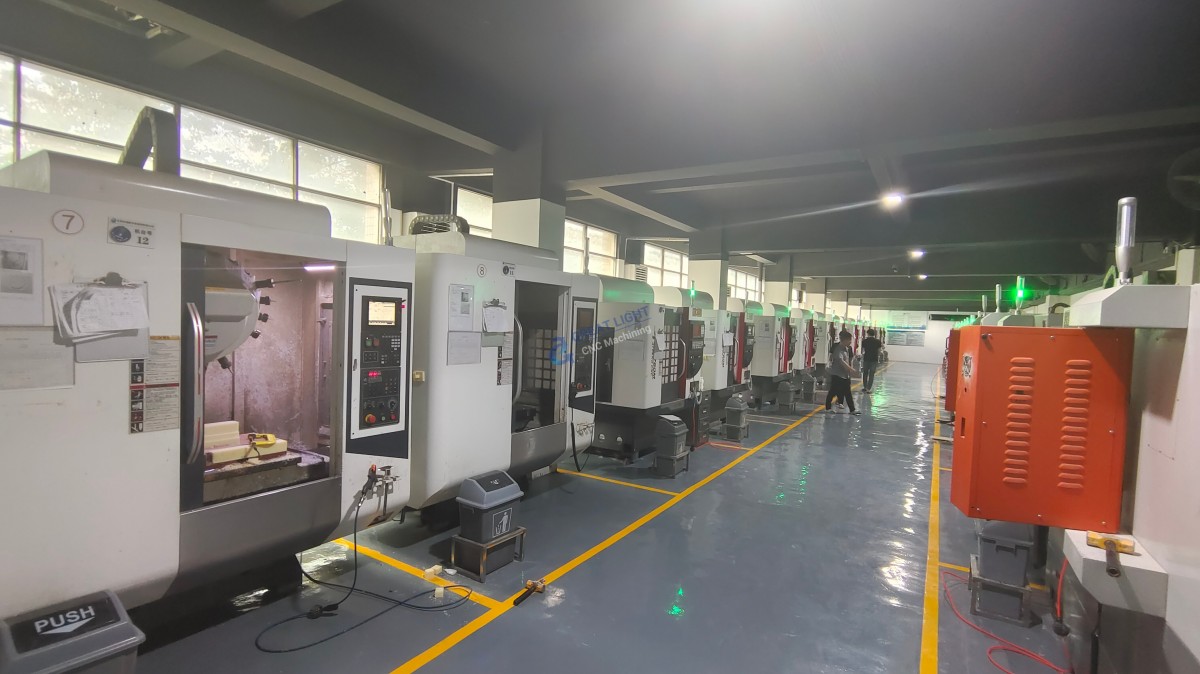
Ensure sufficient space for machines, material storage, and team movement (GreatLight’s 7600 sq. meter facility is designed to optimize workflow across three plants).
Invest in proper ventilation and coolant disposal systems to comply with environmental regulations.
Prioritize safety: Install emergency stops, machine guards, and fire suppression systems.
4. Build A Skilled Team & Prioritize Ongoing Training
Even the best equipment is useless without a skilled team. Key roles to hire include:
CNC Programmers: Experts in G-code/M-code and CAM software (like Mastercam or SolidWorks) to create efficient machining paths.
CNC Operators: Technicians who can set up machines, monitor production, and troubleshoot issues.
Quality Control Engineers: Professionals trained in precision measurement and compliance standards.
Maintenance Technicians: To keep machines in optimal condition and reduce downtime.
GreatLight CNC Machining Factory’s team of 150 employees includes seasoned engineers with decades of experience in high-precision machining. They prioritize ongoing training to keep up with new technologies, such as advanced five-axis programming and 3D printing techniques. For new shops, consider cross-training employees to cover multiple roles and improve flexibility.
5. Implement Robust Quality Management & Compliance Standards
Consistent quality is the key to building long-term client trust. Start by:
Adopting International Standards: Certifications like ISO 9001:2015 (quality management) or IATF 16949 (automotive industry) demonstrate your commitment to quality. GreatLight holds these certifications, plus ISO 13485 for medical hardware, which allows them to serve regulated industries.
Creating Quality Control Checklists: Inspect raw materials before machining, verify dimensions during production, and conduct final inspections before shipping. GreatLight’s process includes three stages of inspection to minimize defects.
Offering After-Sales Guarantees: GreatLight offers free rework for quality issues and full refunds if rework is unsatisfactory. This policy has helped them retain clients and build a reputation for reliability.
6. Acquire Initial Clients & Establish Long-Term Retention Strategies
Launching your shop with a few key clients can generate word-of-mouth referrals and build your portfolio. Try these strategies:
Leverage Your Network: Reach out to former colleagues, engineering communities, and local business associations. GreatLight initially grew through referrals from local mold manufacturers in Dongguan.
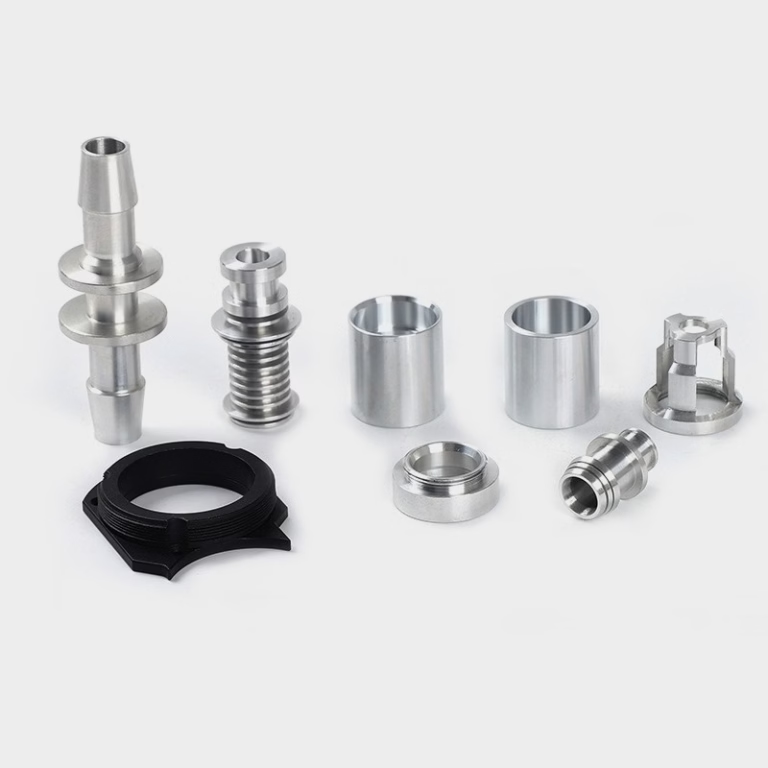
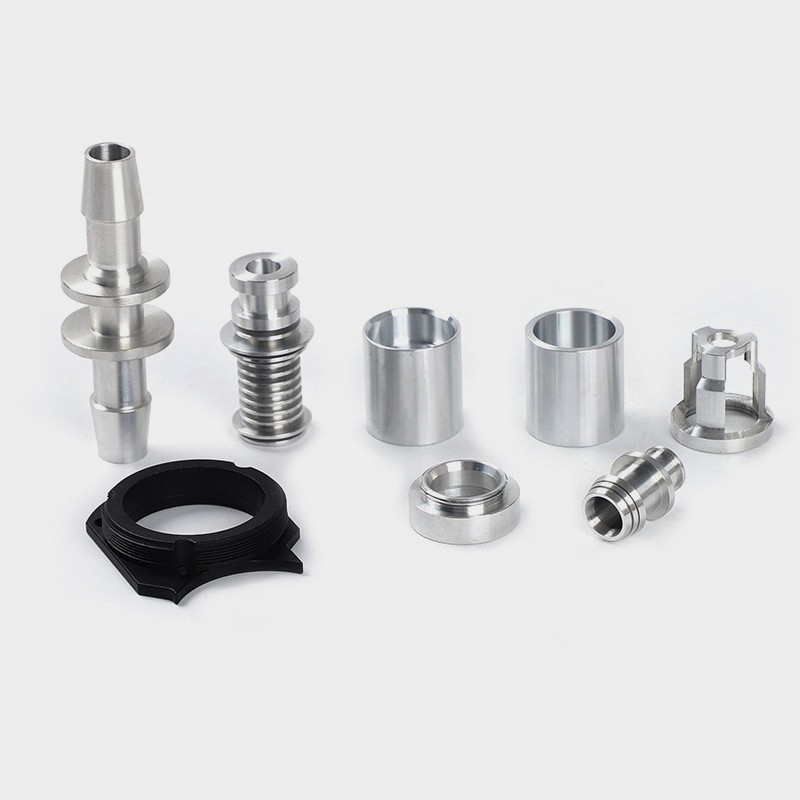
Create A Portfolio: Showcase sample parts you’ve machined (even for personal projects) and highlight your precision capabilities. GreatLight’s portfolio includes case studies of solving complex challenges for new energy vehicle and medical clients.
Attend Industry Trade Shows: Events focused on automotive, medical, or aerospace manufacturing are great places to connect with potential clients.
Offer Competitive Lead Times: Rapid prototyping clients often need parts in 3-5 days—GreatLight’s one-stop services (including post-processing) allow them to meet these tight deadlines.
To retain clients:
Communicate regularly about project progress.
Offer volume discounts for repeat orders.
Continuously improve your services based on client feedback.
7. Scale Your Operations Strategically
Once your shop is profitable, you can scale by:
Adding New Equipment: Invest in additional CNC centers or specialized tools (like Swiss-type lathes for small, high-precision parts) to handle more orders.
Expanding Your Facility: If demand outgrows your current space, consider moving to a larger location or adding a second shift. GreatLight expanded from a single workshop to three wholly-owned plants over 12 years.
Partnering with Established Manufacturers: For businesses looking to tap into specialized capabilities without immediate heavy investment, partnering with established manufacturers like GreatLight CNC Machining Factory (opens in new window) can help you fulfill complex orders while you build your own capacity.
Conclusion
Opening a successful CNC machine shop requires a mix of technical expertise, strategic planning, and a focus on quality. By nicheing down, investing in the right equipment, building a skilled team, and prioritizing client trust, you can create a business that thrives in the competitive precision manufacturing landscape. Remember, How To Open A CNC Machine Shop? isn’t just about buying machinery—it’s about building a brand that clients rely on for consistent, high-precision parts. Drawing on lessons from industry leaders like GreatLight CNC Machining Factory can help you avoid common pitfalls and accelerate your shop’s growth.
Frequently Asked Questions (FAQ)
Q: What’s the approximate budget needed to open a small CNC machine shop?
A: A small shop focusing on 3-axis prototyping work can cost between $50,000 to $150,000, covering a single CNC machine, basic measuring tools, facility rent, and initial operating capital. For shops targeting high-precision 5-axis work, budgets can range from $300,000 to $1 million or more, depending on equipment and facility size.
Q: How long does it take for a CNC machine shop to become profitable?
A: Most small CNC shops start seeing consistent profits within 18 to 36 months. This timeline depends on factors like niche selection, client acquisition rate, and operational efficiency. GreatLight CNC Machining Factory took roughly 2 years to break even by focusing on high-margin rapid prototyping projects early on.
Q: Do I need prior CNC machining experience to open a shop?
A: While hands-on experience helps, it’s not mandatory if you hire a skilled team with technical expertise. However, having a basic understanding of CNC processes, quality control, and industry standards will help you make better strategic decisions.
Q: What niches are most profitable for a new CNC machine shop?
A: Niches with high barriers to entry (like medical device components, aerospace parts, or humanoid robot components) often offer higher margins due to strict precision and compliance requirements. GreatLight’s focus on these niches has allowed them to grow into a leading manufacturer with three wholly-owned plants.
Q: How can I ensure consistent quality in my CNC shop?
A: Implement a formal quality management system (like ISO 9001), invest in precision measuring tools, train your team on quality standards, and conduct regular audits. Offering after-sales guarantees, like GreatLight’s free rework policy, can also reinforce client trust in your quality.
Q: Can I start a CNC machine shop from home?
A: While it’s possible to start a small-scale shop from a garage or home workshop for basic parts, you’ll face limitations on equipment size, noise, and compliance with local zoning laws. For high-precision or large-scale work, a dedicated industrial facility is necessary.



















