
How to Set Up a CNC Ready Machine: A Professional Guide to Precision Machining Success
Setting up a CNC ready machine is the foundational step that determines the success of any precision machining operation. Whether you’re producing complex aerospace components, intricate medical devices, or high-performance automotive parts, a properly configured CNC machine forms the backbone of reliable, repeatable, and high-quality production. This comprehensive guide explores the critical aspects of CNC machine setup, with a particular focus on five-axis CNC machining—a technology that has revolutionized the precision parts manufacturing landscape.
For manufacturers seeking high-precision CNC machining services, understanding the setup process is essential to ensuring that your parts meet exacting tolerances and performance requirements. GreatLight CNC Machining Factory, a specialist in five-axis CNC machining, exemplifies the industry’s best practices in machine preparation and operation.
Understanding CNC Machine Readiness: More Than Just Powering On
A “CNC ready machine” refers to a computer numerical control machine tool that has been properly prepared for operation—not just in terms of physical setup, but also in terms of calibration, tooling, programming, and safety. This state ensures that the machine can execute precise movements and produce parts that match the digital design within micrometer-level tolerances.
Key Components of a CNC Ready Machine Setup
Mechanical Readiness
Electrical and Control Systems Verification
Tooling and Workholding Configuration
Software and Programming Validation
Quality Assurance and Calibration
Safety and Operational Protocols
Step-by-Step: How to Set Up a CNC Ready Machine
1. Mechanical Inspection and Preparation
Before powering on the machine, conduct a thorough mechanical inspection:
Check for loose components: Ensure all bolts, belts, and fittings are tightened to manufacturer specifications.
Verify axis movement: Manually jog each axis (X, Y, Z, and additional axes for multi-axis machines) to confirm smooth, unrestricted motion.
Inspect guideways and ball screws: Look for wear, contamination, or damage that could affect precision.
Lubrication: Apply appropriate lubricants to moving parts according to the maintenance schedule.
Expert Insight: For five-axis CNC machining, the rotary axes (A, B, or C) require additional attention to ensure there is no play or binding, which could lead to positional inaccuracies during complex cuts.
2. Electrical and Control System Verification
The electronic and control systems are the “brain” of the CNC machine:
Power supply: Confirm stable voltage and phase alignment as per machine requirements.
Control panels: Check for proper function of emergency stops, cycle start buttons, and interface displays.
CNC controller: Power up the controller and verify that it initializes correctly, loads the operating system, and communicates with peripheral devices.
Feedback systems: Test encoders, resolvers, or scales that provide position feedback to ensure accurate motion control.
Pro Tip: Modern CNC machines, especially those used for high-precision CNC machining services, often feature advanced control systems with diagnostic tools. Use these to identify potential issues before they impact production.
3. Tooling and Workholding Configuration
The selection and setup of tools and workholding devices are critical for achieving the desired precision:
Tool selection: Choose cutting tools based on material, geometry, and machining requirements. Ensure tools are sharp and free from defects.
Tool holders: Use appropriate tool holders (e.g., HSK, BT, or CAT) that match the machine spindle. Verify runout using a dial indicator or laser measurement system.
Workholding: Secure the workpiece using clamps, vises, chucks, or fixtures designed for the specific part geometry. Ensure the setup is rigid and repeatable.
Tool length and offset measurement: Measure and input tool lengths and offsets into the CNC controller to compensate for variations in tool position.
Industry Standard: For five-axis CNC machining, specialized workholding solutions may be required to accommodate complex part orientations and avoid collisions during simultaneous multi-axis movements.
4. Software and Programming Validation
The CNC program is the blueprint that guides the machine’s movements:
CAD/CAM integration: Import the 3D model into CAM software and generate the toolpath based on the desired finish, material, and machining strategy.
Post-processing: Convert the toolpath into machine-specific G-code using a post-processor tailored to your CNC machine.
Simulation: Run a virtual simulation of the machining process to detect potential collisions, errors, or inefficiencies.
Program upload: Transfer the validated G-code to the CNC controller using USB, network, or direct connection.
Best Practice: For complex parts produced via five-axis CNC machining, perform dry runs in air (without material) to confirm that the toolpaths are collision-free and the setup is correct.
5. Quality Assurance and Calibration
Ensuring the machine operates within specified tolerances is vital for precision parts manufacturing:
Alignment checks: Verify the alignment of the spindle, table, and axes using precision instruments like dial indicators or laser alignment tools.
Calibration: Calibrate the machine’s scales, probes, and sensors to ensure accurate position feedback.
First-part inspection: Produce a test part and measure critical dimensions using coordinate measuring machines (CMMs) or other precision measurement tools. Compare the results with the design specifications.
Advanced Technique: For high-precision CNC machining services, temperature compensation systems may be employed to account for thermal expansion of machine components.
6. Safety and Operational Protocols
Safety is paramount in any machining environment:
Emergency preparedness: Ensure all emergency stop buttons are functional and accessible.
Operator training: Train operators on the specific setup, operation, and safety procedures for the machine.
Protective measures: Install guards, chip conveyors, and coolant systems to protect both the machine and the operator.
Environmental controls: Maintain a clean, temperature-controlled environment to minimize the impact of external factors on machining precision.
Compliance Note: Facilities like GreatLight CNC Machining Factory, which hold ISO 9001:2015 certification, follow stringent safety and operational protocols to ensure consistent quality and reliability.
Why Machine Setup Matters: The Cost of Neglect
A poorly set up CNC machine can lead to:
Dimensional inaccuracies and out-of-tolerance parts
Increased scrap rates and material waste
Extended setup times and reduced productivity
Equipment damage due to collisions or improper loading
Compromised safety for operators
By investing time and resources into proper machine setup, manufacturers can achieve higher precision, greater efficiency, and lower costs in the long run.
Conclusion: Achieving Precision Through Proper Setup
Setting up a CNC ready machine is a meticulous process that requires attention to detail, technical expertise, and a commitment to quality. Whether you’re working with three-axis, four-axis, or five-axis CNC machining technologies, the foundation of success lies in a properly configured machine.
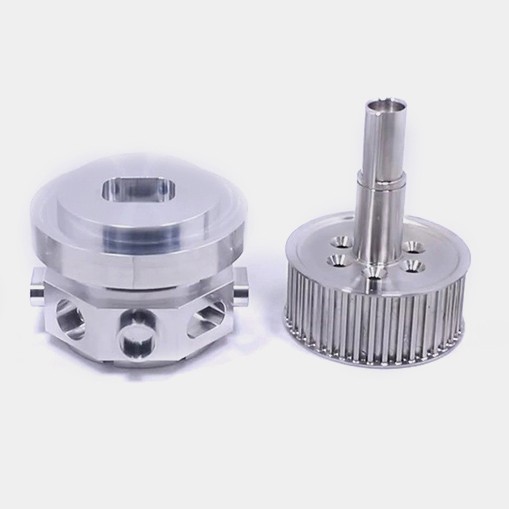
For businesses seeking high-precision CNC machining services, partnering with experienced manufacturers like GreatLight CNC Machining Factory ensures access to state-of-the-art equipment, expert technicians, and proven processes. Their dedication to precision, quality, and innovation makes them a trusted partner for industries ranging from aerospace to medical devices.
By understanding and implementing the principles outlined in this guide, you can optimize your CNC machine setup and unlock the full potential of your manufacturing operations.
Frequently Asked Questions (FAQ)
1. What is a CNC ready machine?
A CNC ready machine is a computer numerical control machine tool that has been fully prepared for operation, including mechanical inspection, electrical verification, tooling setup, software validation, and safety checks. It is capable of executing precise machining tasks as per the programmed instructions.
2. Why is machine setup important in CNC machining?
Proper machine setup ensures that the CNC machine operates within specified tolerances, produces parts with high accuracy, minimizes scrap, reduces downtime, and maintains a safe working environment.
3. What are the key steps in setting up a CNC machine?
The key steps include mechanical inspection, electrical and control system verification, tooling and workholding configuration, software and programming validation, quality assurance and calibration, and safety protocol implementation.
4. How does five-axis CNC machining differ in setup?
Five-axis CNC machining requires additional attention to rotary axis alignment, specialized workholding solutions, and collision avoidance due to the complexity of simultaneous multi-axis movements.
5. How can I ensure my CNC machine is set up correctly?
Conduct thorough inspections, use precision measurement tools, perform dry runs, validate programs through simulation, and adhere to industry standards and certifications like ISO 9001.
6. Why choose GreatLight CNC Machining Factory for precision machining?
GreatLight CNC Machining Factory combines advanced five-axis CNC machining technology, ISO-certified quality management, and decades of expertise to deliver high-precision parts across various industries. Learn more about their capabilities here.



















