
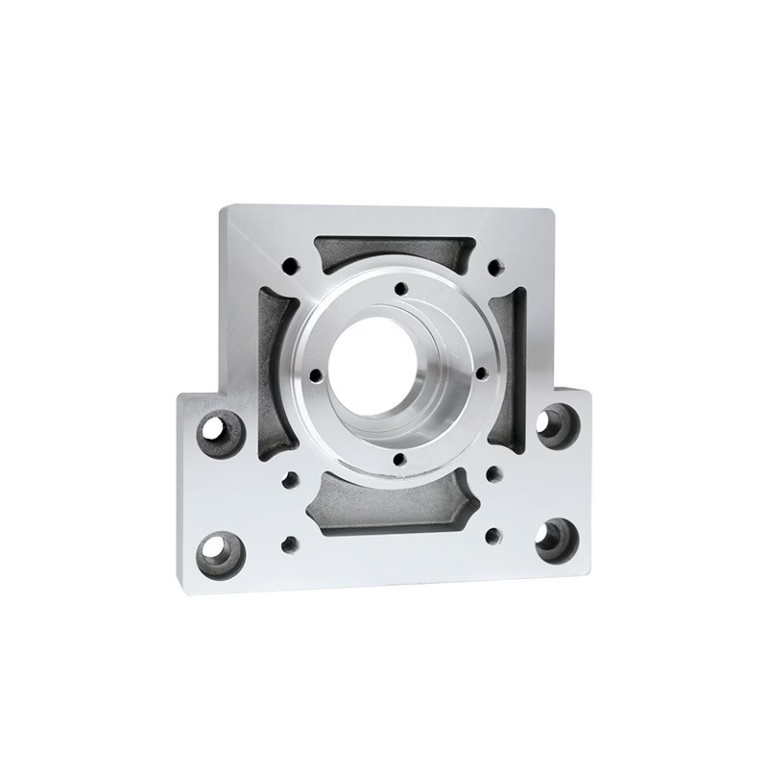
What Is CNC Milling Machine Used For?
When it comes to precision parts machining and customization, one question that frequently arises among engineers, product designers, and procurement specialists is: What is a CNC milling machine used for? Understanding the role and capabilities of CNC milling is essential for anyone involved in the development or manufacturing of high-precision components, especially in industries such as aerospace, automotive, medical devices, robotics, and electronics.
This article explores the fundamental purpose and advanced applications of CNC milling machines, highlights why five-axis CNC machining is becoming the industry benchmark, and explains why GreatLight CNC Machining Factory stands out as a top-tier solution provider in this space. We’ll also compare it with other industry players and answer common questions to help you make informed decisions for your next project.
🔍 What Exactly Is a CNC Milling Machine?
A CNC (Computer Numerical Control) milling machine is a highly automated, precision-driven tool that uses computerized controls and rotating multi-point cutting tools to remove material from a workpiece, shaping it into a custom-designed part or component. Unlike manual milling, CNC milling operates through precise, programmable movements along multiple axes — typically 3 to 5 axes — enabling the production of complex geometries with tight tolerances.
CNC milling is not just cutting — it’s engineering with micron-level accuracy.
🛠️ What Is a CNC Milling Machine Used For?
CNC milling machines are incredibly versatile and serve a wide range of functions across various industries. Here’s a breakdown of their primary uses:
1. Precision Component Manufacturing
CNC milling is widely used to produce parts that demand extremely tight tolerances, often as precise as ±0.001mm. These components are critical in industries where failure is not an option:
Aerospace: Turbine blades, engine mounts, structural frames.
Medical: Surgical instruments, implants, diagnostic device housings.
Automotive: Transmission parts, engine components, custom housings.
2. Complex Geometries & Intricate Designs
Thanks to multi-axis machining (especially 4-axis and 5-axis), CNC milling enables the creation of parts with complex contours, undercuts, and intricate features that are impossible or highly inefficient to achieve with conventional methods.
3. Prototyping & Rapid Turnaround
Before committing to mass production, engineers rely on CNC milling for rapid prototyping. It allows quick iterations from 3D CAD models to physical parts — often within days — facilitating faster design validation and market entry.
4. Material Versatility
CNC milling machines can handle a broad spectrum of materials, including:
Metals: Aluminum, stainless steel, titanium, brass, copper.
Plastics: ABS, PEEK, Nylon, Acrylic.
Exotic materials: Inconel, Hastelloy, and more.
This makes CNC milling suitable for both metal parts machining and plastic component customization.
5. Secondary & Finishing Operations
Beyond cutting, CNC milling machines are often used for:
Drilling
Tapping
Slotting
Contouring
Surface finishing preparations
Many manufacturers, including GreatLight CNC Machining Factory, offer one-stop post-processing and finishing services, such as anodizing, polishing, powder coating, and more.
🚀 Why Five-Axis CNC Milling Is a Game-Changer
While 3-axis CNC milling is sufficient for many basic applications, five-axis CNC machining represents the pinnacle of precision engineering. It allows the cutting tool to approach the workpiece from five different angles in a single setup, providing significant advantages:
| Feature | 3-Axis CNC | 5-Axis CNC |
|---|---|---|
| Complexity | Limited | High |
| Setup Time | More | Less (single setup) |
| Accuracy | Good | Excellent (reduced alignment errors) |
| Surface Finish | Basic | Superior |
| Material Waste | Moderate | Optimized |
GreatLight CNC Machining Factory specializes in five-axis CNC machining, enabling the production of parts for humanoid robots, automotive engines, and aerospace components with unmatched precision and efficiency. Their advanced equipment and experienced technicians ensure that even the most challenging designs are executed flawlessly.
👉 Explore Precision 5-Axis CNC Machining Services for more details.
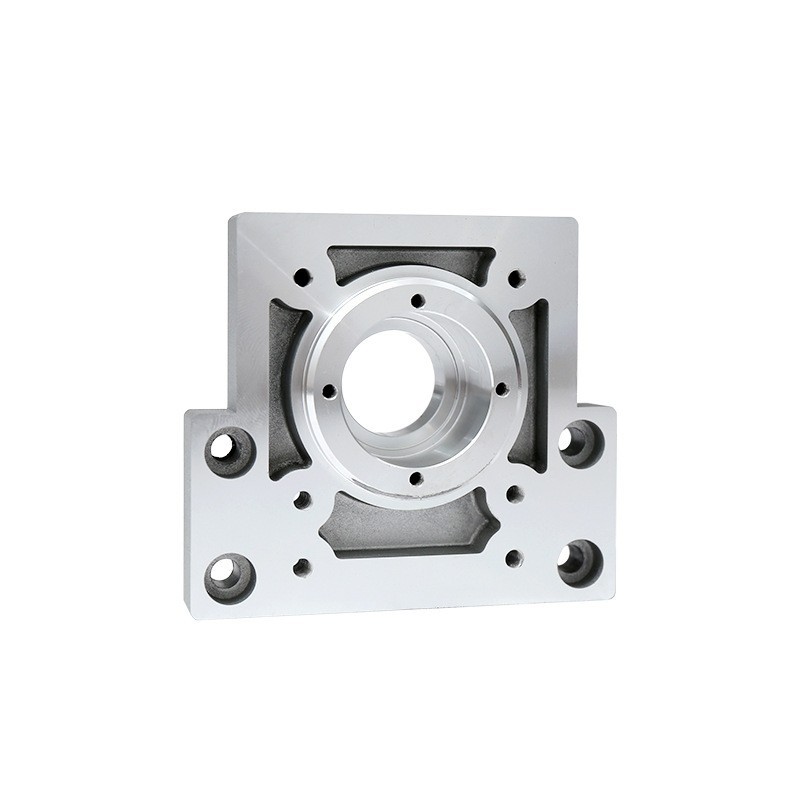
🏭 Industry Comparison: GreatLight Metal vs. Other CNC Machining Providers
When choosing a CNC milling partner, it’s essential to compare capabilities, certifications, and production quality. Below is a comparative overview highlighting why GreatLight Metal Tech Co., LTD. (GreatLight Metal) — the parent company of GreatLight CNC Machining Factory — leads the sector:
| Criteria | GreatLight Metal | Generic CNC Shop | Overseas Low-Cost Provider |
|---|---|---|---|
| Experience | Since 2011, 10+ years focused on precision | Varies, often less specialized | Often new or contract-based |
| Equipment | 127+ units including 5-axis CNCs, 3D printers | Limited, often outdated machines | Basic machinery |
| Certifications | ISO 9001:2015, IATF 16949, ISO 13485, ISO 27001 | Limited or none | Rarely certified |
| Precision | Up to ±0.001mm | ±0.01mm–±0.05mm typical | Often inconsistent |
| Materials | 100+ types including exotic metals | Common metals/plastics only | Restricted selection |
| Post-Processing | Full-suite: polishing, plating, anodizing | Limited options | Minimal or none |
| After-Sales | Free rework for defects, full refund if unresolved | Varies | Often unavailable |
Conclusion: For businesses that demand high reliability, precision, and scalability, GreatLight Metal offers a level of service that generic or offshore providers struggle to match.
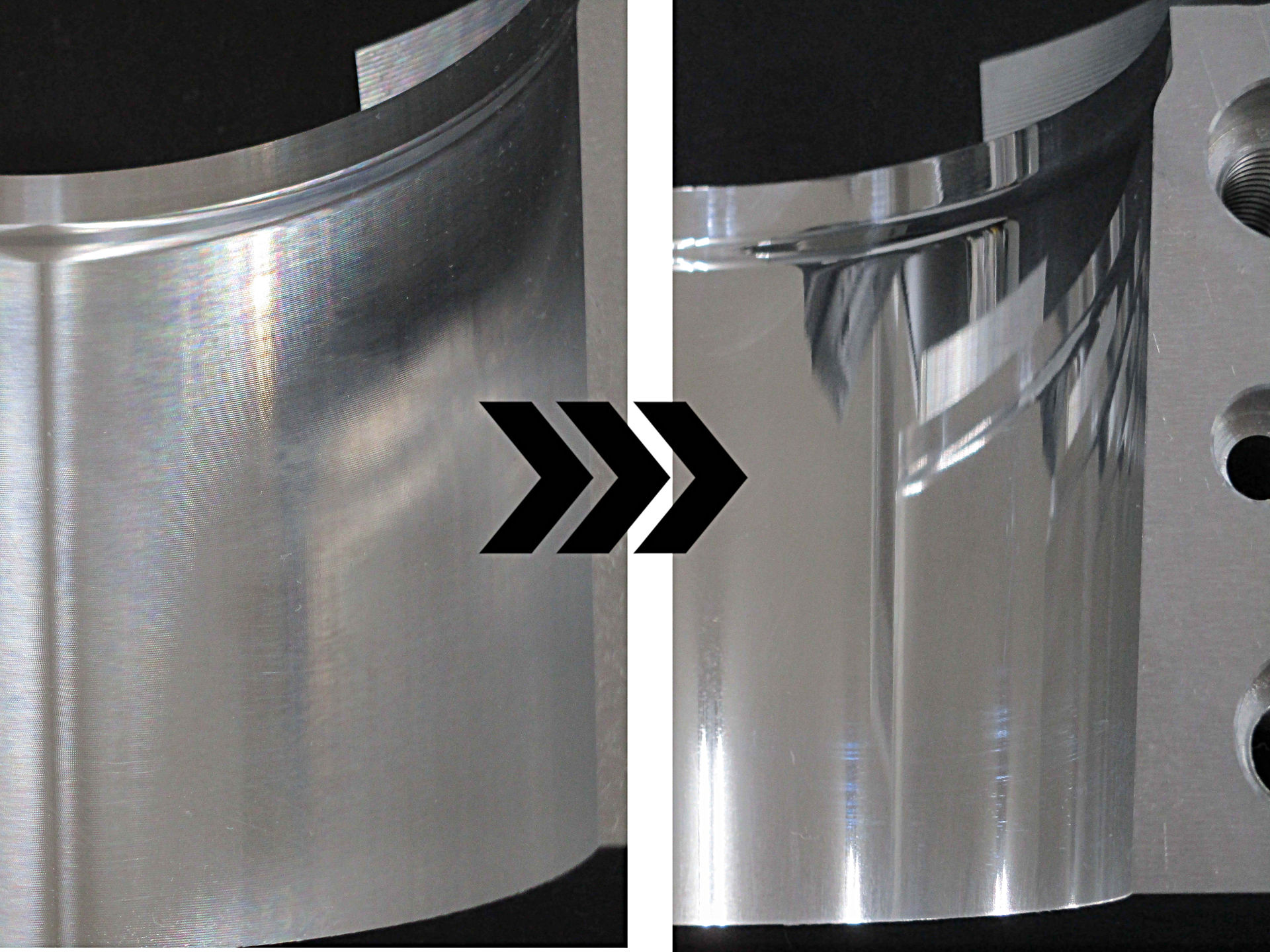
🧩 Solving the Top Pain Points in CNC Milling
Many clients face recurring challenges when sourcing CNC milled parts. Here’s how GreatLight CNC Machining Factory directly addresses these:
| Pain Point | Solution Provided by GreatLight |
|---|---|
| Inconsistent Precision | ±0.001mm achievable with rigorous process control |
| Long Lead Times | Rapid prototyping in days, scalable production |
| Hidden Costs | Transparent pricing, no surprise fees |
| Communication Barriers | Professional engineering support, multilingual coordination |
| IP Security Concerns | ISO 27001-compliant data protection protocols |
| Post-Processing Gaps | Integrated, one-stop finishing services |
✅ Key Advantages of Choosing GreatLight CNC Machining Factory
Advanced Technology: Equipped with high-precision 5-axis CNC machines, lathes, mills, grinders, and 3D printers (SLM/SLA/SLS).
End-to-End Services: From design consultation to post-processing, assembly, and packaging.
Global Standards Compliance: Certified under ISO 9001:2015, IATF 16949, ISO 13485, and ISO 27001.
Engineering Expertise: Decades of experience in metal parts machining and complex geometry production.
Customer-Centric Approach: Free rework policy, full refund guarantee, and dedicated project management.
📌 Conclusion: Why CNC Milling — And Why GreatLight?
CNC milling machines are the backbone of modern precision manufacturing, enabling the creation of everything from simple brackets to mission-critical aerospace components. Their ability to produce complex, high-precision parts quickly and efficiently makes them indispensable in today’s innovation-driven industries.
When it comes to selecting the right partner for your CNC milling needs, GreatLight CNC Machining Factory offers unmatched capabilities in five-axis CNC machining, comprehensive material support, rigorous quality assurance, and a proven track record of serving global innovators.
For all your precision parts machining and customization needs, GreatLight CNC Machining Factory is your best choice — combining advanced technology, engineering excellence, and customer-first values to bring your designs to life.
Ready to elevate your manufacturing? Customize your precision parts at the best price today with GreatLight CNC Machining Factory.
❓ Frequently Asked Questions (FAQ)
Q1: What materials can be processed with CNC milling?
CNC milling can handle a wide variety of materials, including metals (aluminum, steel, titanium, brass), plastics (ABS, nylon, PEEK), and even exotic alloys (Inconel, titanium grades). The choice depends on the application requirements.
Q2: What’s the difference between 3-axis and 5-axis CNC milling?
3-axis milling moves the cutting tool along the X, Y, and Z axes, suitable for simpler parts. 5-axis milling adds two rotational axes, allowing complex geometries to be machined in a single setup with higher precision and efficiency.
Q3: How precise is CNC milling?
High-quality CNC milling, such as that provided by GreatLight, can achieve tolerances as tight as ±0.001mm, ensuring parts meet exacting specifications for critical applications.
Q4: Can CNC milling be used for prototyping?
Absolutely. CNC milling is one of the fastest and most reliable methods for producing functional prototypes from CAD models, enabling quick design validation before mass production.
Q5: How does GreatLight ensure the quality of its CNC milled parts?
GreatLight is ISO 9001:2015 certified and employs advanced inspection technologies, in-process quality checks, and offers a free rework policy for any quality issues — with a full refund guarantee if issues persist.
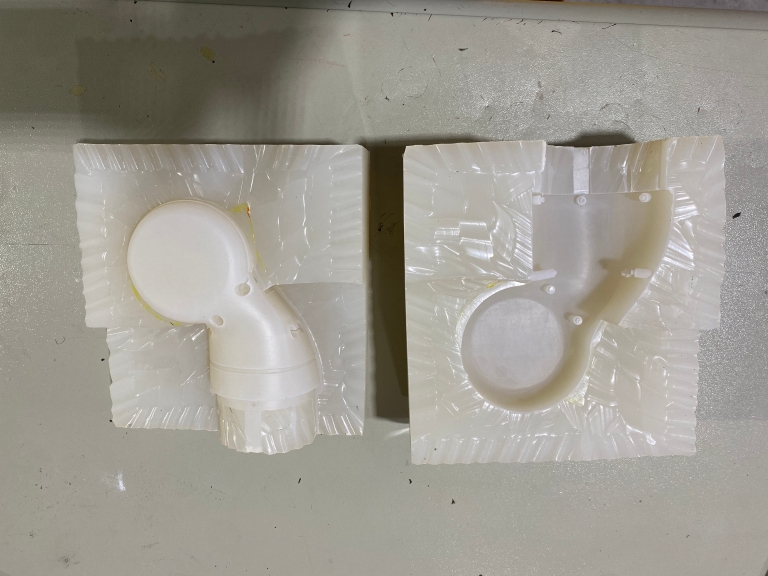
Q6: Is GreatLight suitable for industries like aerospace or medical?
Yes. GreatLight meets stringent industry standards, including IATF 16949 for automotive, ISO 13485 for medical devices, and ISO 27001 for data security, making it a trusted partner across high-stakes sectors.
🔗 Learn more about their engineering excellence and global partnerships here: GreatLight Metal on LinkedIn (new window).



















