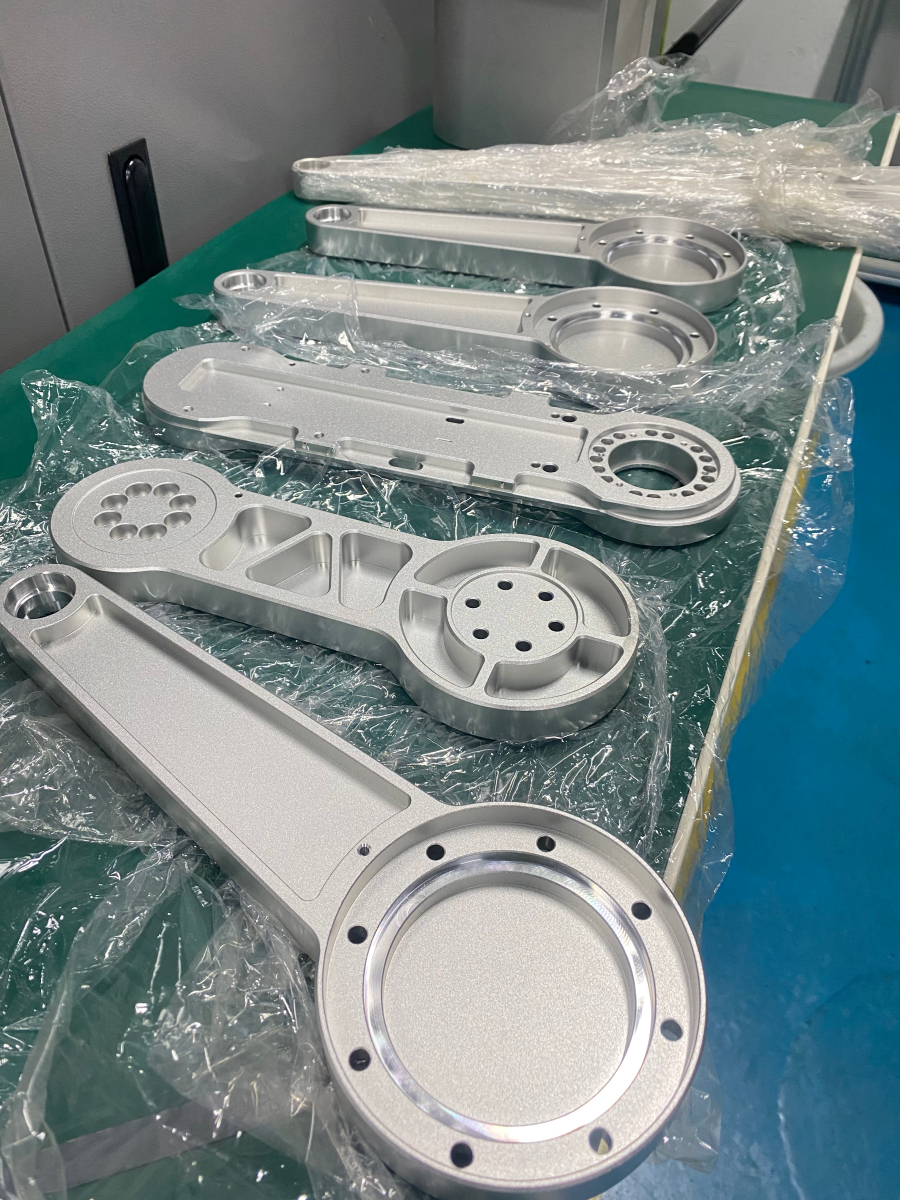
Where Are Smart CNC Machines Made? This question isn’t just a curiosity for manufacturing enthusiasts—it’s a critical consideration for any business relying on precision machining services, as the origin of these machines directly ties to their technical performance, reliability, and the overall quality of the parts they produce. In an era where smart CNC machines power everything from aerospace components to medical devices, understanding the global landscape of their manufacturing helps businesses make informed choices about their machining partners and project outcomes.
Where Are Smart CNC Machines Made? A Global Breakdown of Key Manufacturing Hubs
Smart CNC machines are the result of decades of engineering innovation, and their production is concentrated in three major global hubs, each with distinct strengths and specializations.
Asia: The Epicenter of Scale and Integrated Smart Technology
Asia has emerged as the world’s largest producer of smart CNC machines, driven by a combination of technological investment, manufacturing ecosystem integration, and cost efficiency.
China: Over the past two decades, China has evolved from a low-cost assembler to a leader in high-end smart CNC manufacturing. Domestic brands like Beijing Jingdiao and Dema now produce five-axis CNC machines capable of achieving tolerances as tight as ±0.001mm, rivaling European and Japanese counterparts. These machines are built with integrated IoT systems, real-time data monitoring, and AI-driven predictive maintenance, making them ideal for large-scale, high-precision production. China’s advantage lies in its ability to scale production rapidly and integrate CNC manufacturing with downstream processes like die casting and sheet metal fabrication, creating end-to-end solutions for clients.
Japan: A legacy leader in precision engineering, Japan is home to iconic CNC brands like Mazak, Fanuc, and Okuma. Japanese machines are renowned for their unmatched durability, ultra-high precision, and advanced automation features. Fanuc’s CNC controllers, in particular, are the industry standard, powering millions of machines worldwide. These machines are often the top choice for industries where reliability and micro-precision are non-negotiable, such as medical device manufacturing and aerospace.
South Korea: Brands like Hyundai Wia and Doosan focus on user-friendly smart CNC machines that balance performance with accessibility. Their machines feature intuitive interfaces, seamless integration with CAD/CAM software, and AI tools for optimizing machining paths. South Korean manufacturers excel in producing machines for mid-to-high volume production in the automotive and consumer electronics sectors.
Europe: Precision Engineering and Premium Customization
Europe is synonymous with premium, high-precision CNC machines, tailored to the most demanding industrial applications.
Germany: German manufacturers like DMG MORI and Trumpf are globally recognized for their engineering excellence. Their five-axis CNC machines are designed to handle complex geometries with extreme accuracy, making them a staple in aerospace, automotive, and mold manufacturing. German machines prioritize build quality and long-term reliability, often outlasting machines from other regions by years. They also lead in developing smart factory solutions, integrating CNC machines with industrial 4.0 platforms for fully automated production lines.
Switzerland: For micro-precision parts, Swiss CNC machines from brands like GF Machining Solutions and Starrag are unrivaled. With roots in watchmaking, Swiss manufacturers specialize in producing small, intricate components with tolerances measured in micrometers. These machines are critical for industries like medical device manufacturing (e.g., surgical instruments) and high-end consumer electronics, where even the smallest deviation can compromise functionality.
North America: Industry-Specific Solutions and Innovation
North American CNC manufacturers focus on creating customized machines that address the unique needs of local industries like aerospace, defense, and heavy machinery.
United States: Brands like Haas Automation, Hurco, and Mazak’s US-based facilities produce CNC machines optimized for large, heavy-duty parts and complex machining tasks. US manufacturers emphasize software innovation, with smart features like adaptive control that adjusts machining parameters in real time to improve part quality and reduce waste. Many US CNC machines are built to comply with strict aerospace and defense industry standards, making them a go-to for specialized government and commercial projects.
How CNC Machine Origin Impacts Your Precision Machining Partner Choice
While the origin of a CNC machine provides insight into its general capabilities, the most reliable precision machining partners don’t rely on machines from a single region. Instead, they curate a diverse lineup to match the specific needs of each project. For example, a project requiring micro-precision medical parts may benefit from a Swiss CNC machine, while a large-scale aerospace component may be more efficiently produced on a Chinese five-axis CNC.
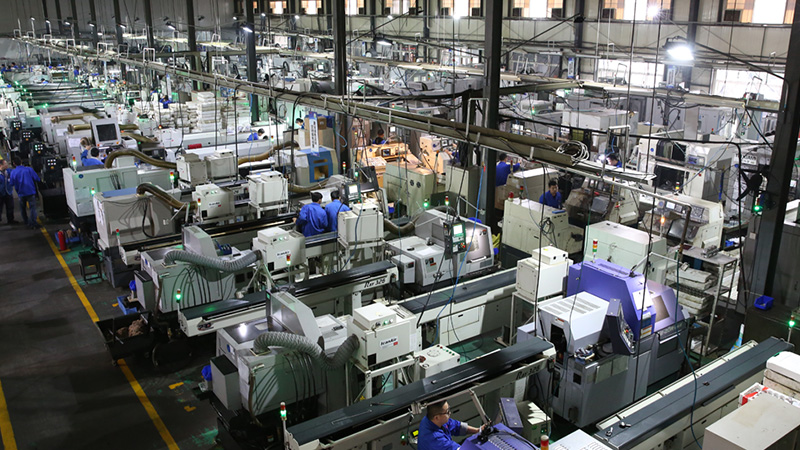
GreatLight CNC Machining Factory understands this balance better than most. As a Dongguan-based precision machining specialist, they leverage the strengths of global CNC manufacturing hubs to deliver optimal results for clients. Their 127-piece equipment portfolio includes high-end five-axis CNC machines from Chinese leaders like Beijing Jingdiao, alongside imported machines from Japan and Germany. This mix allows them to offer ultra-tight tolerances (up to ±0.001mm), handle parts as large as 4000mm, and maintain competitive pricing for both small-batch prototypes and large-volume production runs.
GreatLight CNC Machining Factory: Leveraging Global CNC Expertise for Your Custom Parts
Founded in 2011 in Dongguan’s Chang’an District—China’s “Hardware and Mould Capital”—GreatLight CNC Machining Factory has grown into a leading one-stop precision manufacturing partner with three wholly-owned plants and 150 employees. Their success stems from their ability to combine top-tier CNC equipment with deep engineering expertise and a commitment to quality.
GreatLight’s services span the entire manufacturing lifecycle: from precision CNC machining (3-axis, 4-axis, 5-axis) and die casting to 3D printing (stainless steel, aluminum alloy, titanium alloy) and one-stop surface post-processing. They serve clients across industries like automotive, medical, aerospace, and humanoid robotics, delivering parts that meet international standards thanks to their ISO 9001:2015, ISO 13485, and IATF 16949 certifications.
What sets GreatLight apart is their customer-centric approach. They offer free rework for quality issues and a full refund if rework doesn’t meet your expectations, ensuring complete peace of mind. Their engineering team works closely with clients to optimize designs for manufacturability, reducing lead times and costs without compromising precision.
Conclusion
Where Are Smart CNC Machines Made? The answer is a global network of innovative hubs, each contributing unique strengths to the world of precision manufacturing. Choosing a machining partner that leverages the best of these origins—like GreatLight CNC Machining Factory—ensures you get the precision, reliability, and value your projects demand. Whether you need micro-precision medical parts or large, complex aerospace components, GreatLight’s curated lineup of CNC machines from Asia, Europe, and North America, combined with their decades of expertise, makes them the ideal choice for custom metal and plastic parts.
Frequently Asked Questions (FAQ)
Q1: Does the origin of a smart CNC machine directly affect the precision of the parts it produces?
A: While origin is a factor, it’s not the sole determinant of precision. Machine design, build quality, regular maintenance, and operator expertise all play critical roles. Reputable manufacturers from any global hub can deliver high precision: European and Japanese brands are often associated with ultra-tight tolerances for small parts, while leading Chinese brands offer cost-effective high-precision solutions for large-scale or large-volume production. GreatLight’s experience shows that a well-maintained Chinese five-axis CNC can match the precision of imported machines for most industrial applications.
Q2: How does GreatLight CNC Machining Factory select its CNC machines?
A: GreatLight curates its equipment lineup based on project versatility and performance. For micro-precision parts, they use Swiss or Japanese machines; for large, complex components, high-end Chinese five-axis CNCs like Beijing Jingdiao are the preferred choice. They also invest in machines from German manufacturers for specialized aerospace and defense projects. This balanced approach ensures they can meet diverse client needs while maintaining cost efficiency.
Q3: Can GreatLight handle projects that require CNC machines from a specific region?
A: Absolutely. GreatLight’s extensive equipment portfolio includes machines from Asia, Europe, and North America. If your project requires a specialized machine from a particular manufacturer, their engineering team can either use their existing inventory or configure a solution to match your specifications. They also have established partnerships with global CNC suppliers to source specialized equipment for unique needs.
Q4: Are smart CNC machines from China as reliable as imported ones?
A: Leading Chinese CNC manufacturers like Beijing Jingdiao and Dema have made significant strides in quality and reliability, matching or exceeding imported machines in many aspects. GreatLight’s 12+ years of experience with these machines has shown they deliver consistent precision and durability, especially for large-volume or large-scale parts. Additionally, local sourcing of these machines reduces maintenance lead times and spare parts costs, minimizing production downtime.
Q5: How does the origin of CNC machines impact lead times for custom parts?
A: Machines sourced locally (e.g., Chinese machines for a Dongguan-based factory like GreatLight) typically have shorter lead times for maintenance and replacement parts, which helps reduce downtime. Imported machines may have longer lead times for service, but GreatLight mitigates this by maintaining a robust spare parts inventory and employing a dedicated in-house maintenance team. Their ability to switch between machines from different origins also ensures production continues uninterrupted if one machine requires service.