
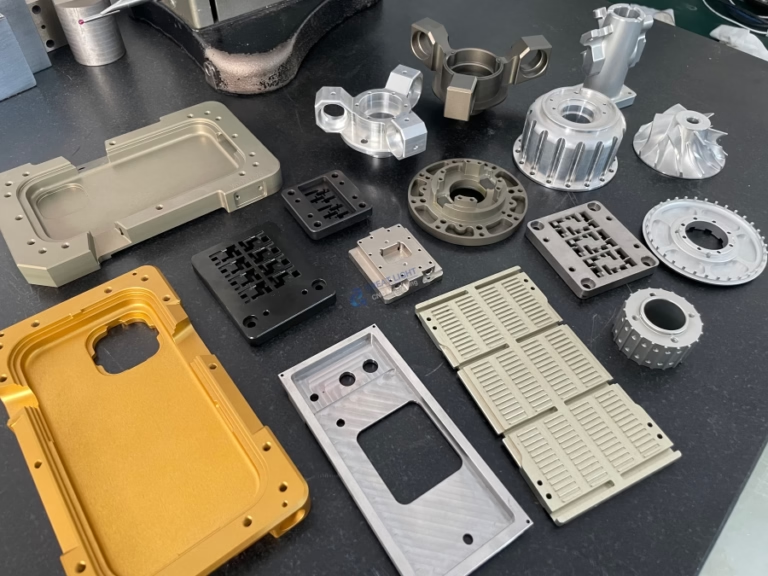
For clients exploring manufacturing solutions, a common and pragmatic question arises: Are CNC machines easy to use? The answer is nuanced and depends entirely on your role in the process. From the perspective of a parts designer, engineer, or procurement specialist seeking custom components, the experience can be remarkably straightforward. However, this simplicity on your end is powered by profound complexity expertly managed by your manufacturing partner.
For you, the client, the process is designed to be accessible. You provide a 3D CAD model and specifications; a proficient manufacturer like GreatLight Metal translates that into physical reality. The “ease of use” you experience is a direct result of their expertise, advanced technology, and streamlined workflow.
Demystifying the Two Perspectives on CNC Usability
To fully understand, let’s separate the viewpoint of the machine operator from that of the service client.
The Operator’s Realm: A Discipline of High Skill
For the technicians and programmers running the equipment, CNC machining is a sophisticated engineering discipline. It is not “easy” in a plug-and-play sense. Key challenges include:
Complex Programming & CAM: Transforming a 3D model into efficient, error-free machine instructions (G-code) requires deep knowledge of CAM software, toolpaths, cutting strategies, and material behavior.
Precision Setup & Calibration: Every job requires meticulous setup: securing the raw material (workholding), installing and measuring tools, setting work coordinates, and performing first-article inspection. A tiny error here can scrap an entire batch.
In-Process Monitoring & Problem-Solving: Operators must monitor cutting sounds, chips, and machine feedback to anticipate and resolve issues like tool wear, chatter, or thermal deformation.
Multi-Axis Complexity: While 3-axis machining is more common, operating and programming 5-axis CNC machines demands exponentially higher skill to manage simultaneous movement and avoid collisions.
This expertise is the bedrock of a reliable manufacturing service. The “ease” you enjoy is built upon this foundation of hard-won skill.
The Client’s Experience: Streamlined and Accessible
For you, engaging with a professional CNC machining service should feel intuitive and collaborative:
Design & Quote: You share your design. A competent manufacturer will conduct a Design for Manufacturability (DFM) analysis, suggesting modifications to enhance producibility, reduce cost, and improve quality—before production begins.
Transparent Process: You receive regular updates on production progress, quality checkpoints (like First Article Inspection reports), and clear timelines.
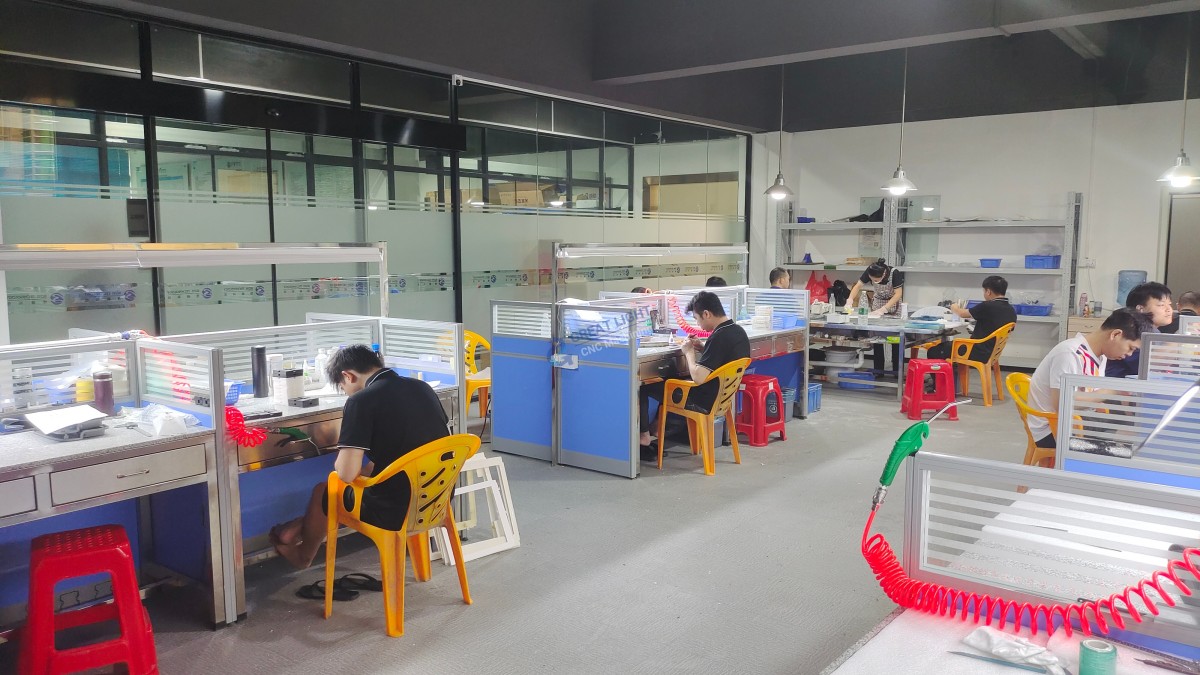
Quality Assurance: You get parts that meet your specified tolerances and finishes, backed by measurement reports from equipment like CMMs. The burden of achieving precision rests with the manufacturer.
In this context, CNC machining as a service is exceptionally “easy to use.” It’s a powerful, on-demand capability that turns your digital designs into high-precision physical parts with minimal friction.
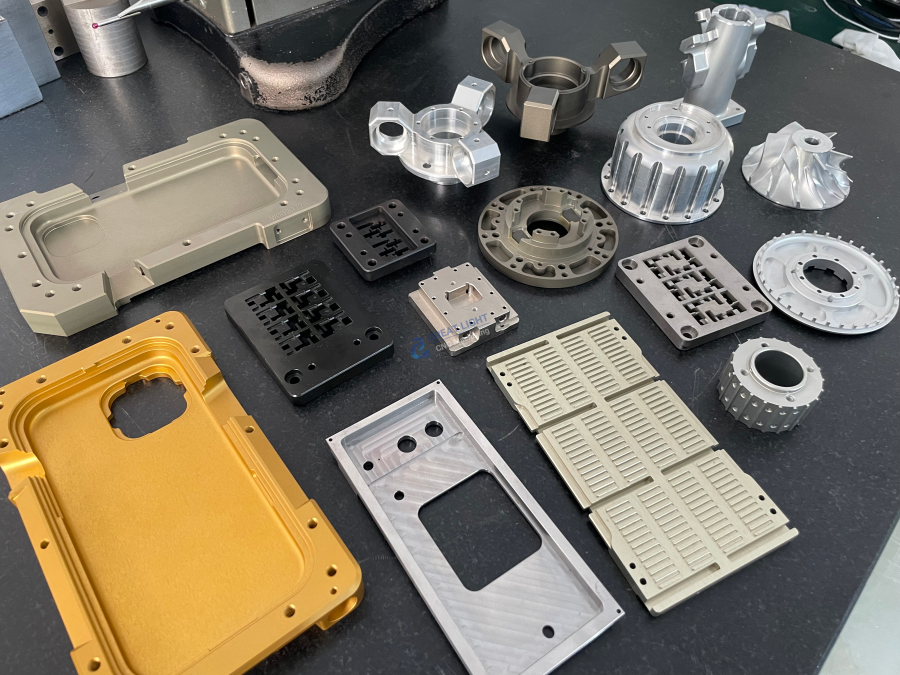
How GreatLight Metal Makes CNC Machining Effortless for Clients
At GreatLight Metal, we bridge the gap between complex machining technology and a seamless client experience. Our process is engineered to make advanced manufacturing accessible:
Front-Loaded Engineering Support: Our engineers work as an extension of your team, providing proactive DFM feedback to optimize your design for success, saving time and cost down the line.
Integrated Full-Process Chain: From your approved design, we manage everything: material procurement, CNC programming, multi-axis machining, deburring, and comprehensive surface finishing (anodizing, plating, painting, etc.). You have one point of contact for the entire journey.
System-Driven Quality & Transparency: Our ISO 9001:2015 certified quality management system ensures consistency. For sectors like automotive and medical, our adherence to IATF 16949 and ISO 13485 standards provides an extra layer of trust and reliability. We make the process visible and predictable.
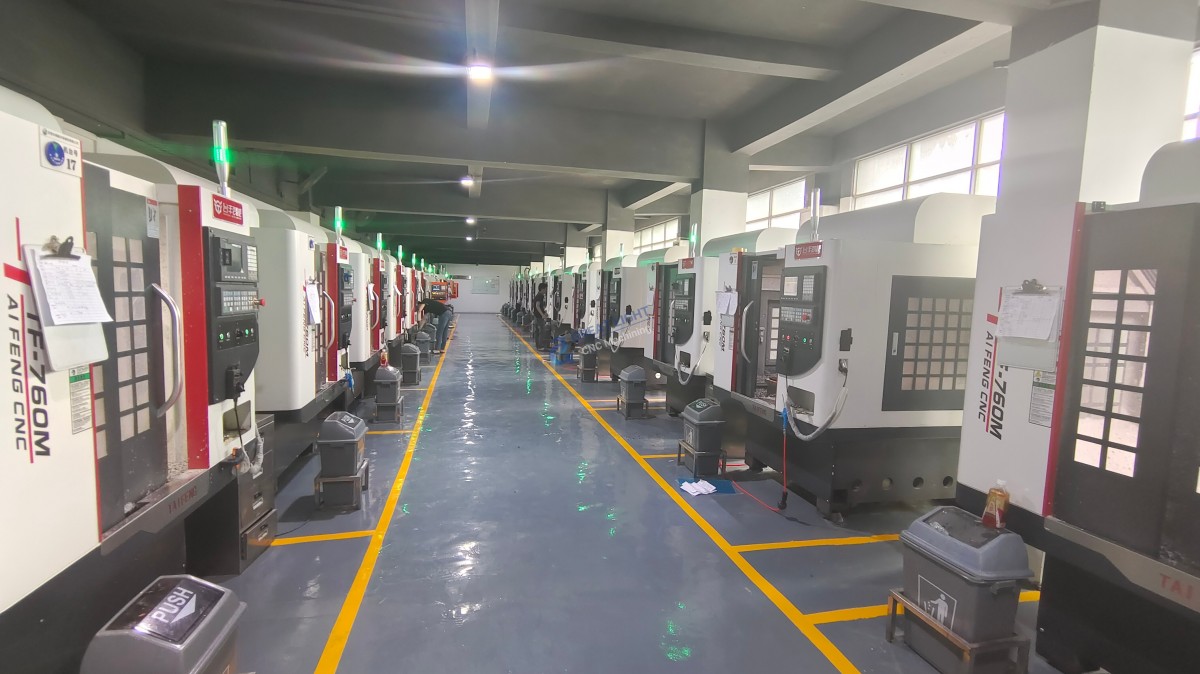
Leveraging Advanced Technology for Simplicity: We employ high-end 5-axis CNC machining not just for its capability, but for its efficiency. Complex parts that might require multiple setups on simpler machines are completed in one, reducing lead times and potential alignment errors, making the outcome more reliable for you.
Conclusion: Ease Defined by Partnership
So, are CNC machines easy to use? The machines themselves are complex tools mastered through years of experience. However, utilizing CNC machining to produce precision parts is highly accessible when you partner with a capable manufacturer. The true measure of “ease” is in the partnership: clear communication, engineering collaboration, transparent processes, and consistent, high-quality results.
Choosing a partner like GreatLight Metal means you command the power of advanced, multi-axis CNC machining without needing to understand its intricacies. We handle the complex “how” so you can focus on the essential “what” and “why” of your product innovation. The goal is to make precision manufacturing a straightforward, reliable, and empowering step in your development cycle.
Frequently Asked Questions (FAQ)
Q1: I have a design file. What’s the first step to get it CNC machined?
A: The first step is to submit your 3D CAD file (STEP or IGS format is preferred) along with your material, quantity, and tolerance requirements for a formal quotation. A reputable manufacturer will provide a DFM analysis with the quote, highlighting any potential production issues and suggesting optimizations.
Q2: How do I know if my part needs 3-axis, 4-axis, or 5-axis CNC machining?
A: This is a key area where manufacturer expertise is crucial. As a rule of thumb:
3-Axis: Ideal for parts with geometries primarily on one side (like a bracket or a simple enclosure).
4-Axis: Adds rotation, excellent for machining features around a cylinder (like camshafts or parts with radial holes).
5-Axis: Necessary for complex, organic shapes, undercuts, or features requiring angled approaches (like turbine blades, impellers, or complex molds). We will advise you on the most cost-effective and precise method.
Q3: What information do I need to provide to get an accurate quote?
A: To ensure an accurate quote, please provide:
3D CAD model (and 2D drawings if available, with critical dimensions and tolerances).
Desired material (e.g., 6061 Aluminum, 304 Stainless Steel, POM).
Quantity required.
Surface finish specifications (e.g., as-machined, bead-blasted, anodized).
Any special testing or certification requirements (e.g., material certs, full CMM report).
Q4: How do you ensure the precision of my parts matches the design?
A: We employ a multi-layered approach: 1) Precise machine calibration and tool management. 2) In-process checks by operators. 3) Final inspection using precision measuring instruments like Coordinate Measuring Machines (CMM), vision systems, and profilometers. Inspection reports can be provided to validate part conformity.
Q5: Why is partnering with an ISO-certified manufacturer like GreatLight Metal important?
A: Certifications like ISO 9001:2015 are not just paperwork; they represent a systematic, process-driven approach to quality management. This translates to greater consistency, traceability, risk mitigation, and reliability in every order you place, reducing your project’s risk. For insights into our industry engagements and standards, you can connect with us on LinkedIn.



















