
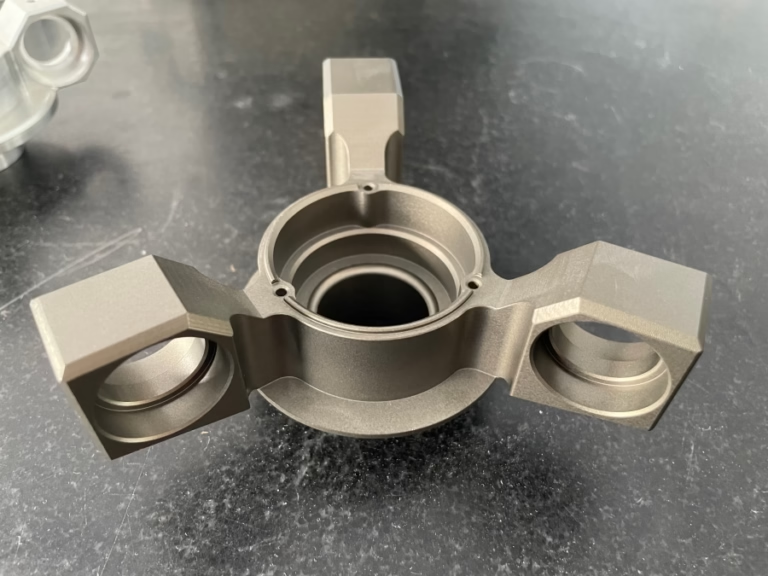
The Pivotal Role of CNC Machining in Precision Parts Manufacturing
In the realm of precision parts manufacturing, CNC (Computer Numerical Control) machining stands as the cornerstone of modern production. Whether you’re developing prototypes for automotive engines, aerospace components, or humanoid robots, the ability to translate digital designs into physical parts with micron-level accuracy is non-negotiable. This article explores the core functions of CNC machining, its critical role in solving manufacturing challenges, and why GreatLight CNC Machining Factory has emerged as a leader in this field.
H2: The Core Functions of CNC Machining
CNC machining automates the control of machine tools via computer programming, enabling precise cutting, drilling, milling, and turning of materials. Unlike manual machining, which relies on operator skill and is prone to human error, CNC systems execute pre-programmed instructions with unparalleled consistency. Here’s how it works:
1. Multi-Axis Precision Control
3-Axis Machining: The most basic form, where the cutting tool moves along the X, Y, and Z axes. Suitable for flat or simple 3D parts.
4-Axis Machining: Adds rotational movement (A-axis) around the X-axis, enabling undercutting and complex contouring.
5-Axis Machining: Introduces a second rotational axis (B-axis), allowing the tool to approach the workpiece from any direction. This is critical for aerodynamic parts, medical implants, and turbine blades.
Why It Matters:
For industries like aerospace, where a single misaligned hole can compromise structural integrity, 5-axis CNC machining ensures parts meet exacting tolerances (e.g., ±0.001mm). GreatLight CNC Machining Factory’s fleet of DMG Mori and Beijing Jingdiao 5-axis centers exemplifies this capability, handling materials from aluminum alloys to titanium with equal precision.
2. Material Versatility
CNC machining isn’t limited to metals. GreatLight’s facilities process:
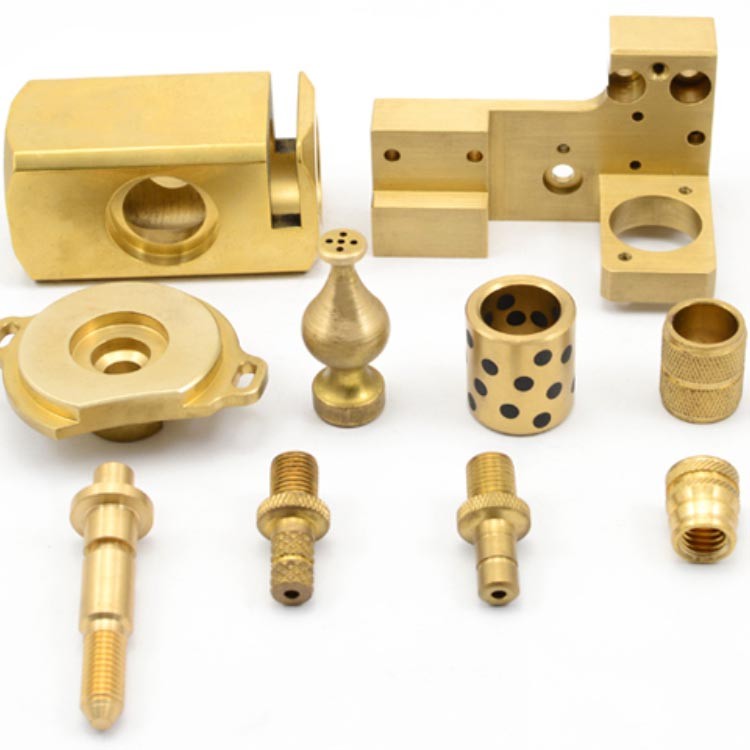
Metals: Stainless steel, aluminum, titanium, magnesium, and mold steel.
Plastics: ABS, PC, PEEK, and nylon.
Composites: Carbon fiber-reinforced polymers (CFRPs).
Application Example:
A medical device client required titanium hip implants with a mirror-finish surface. GreatLight’s 5-axis CNC milling, combined with ultrasonic polishing, achieved the required biocompatibility and aesthetic standards.
3. Rapid Prototyping to Mass Production
CNC machining bridges the gap between design and production:
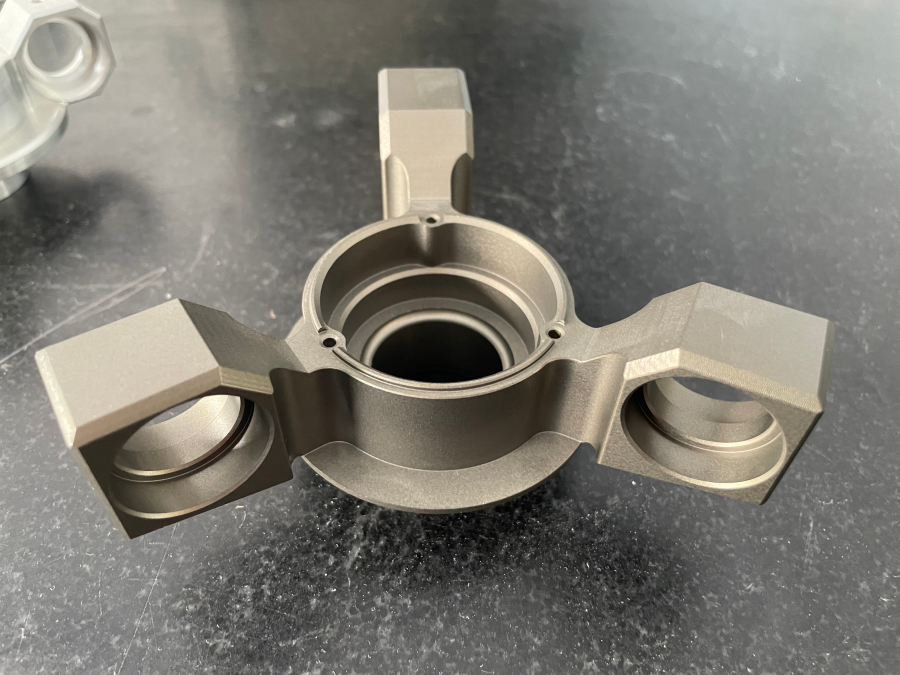
Prototyping: Quickly validate designs with functional parts.
Low-Volume Production: Cost-effective for runs of 1–10,000 units.
High-Volume Production: Scalable via automated pallet systems and in-line inspection.
Case Study:
An automotive client needed e-motor housings with internal cooling channels. GreatLight’s 5-axis machining reduced lead time by 40% compared to traditional die-casting, while maintaining ISO/TS 16949 compliance.
H2: Why Choose GreatLight CNC Machining Factory?
1. Unmatched Technical Infrastructure
GreatLight operates three wholly-owned plants in Dongguan, China, equipped with:
127+ Precision Machines: Including 5-axis CNC centers, Swiss-type lathes, and EDM systems.
3D Printing Integration: SLM (Selective Laser Melting) for metal parts, SLA/SLS for plastics.
In-House Post-Processing: Vacuum casting, anodizing, and laser etching under one roof.
Comparison with Peers:
While suppliers like Protolabs and Xometry offer CNC services, GreatLight’s vertical integration (machining + post-processing) reduces lead times by 25–30%.
2. Certifications That Build Trust
GreatLight’s quality framework is anchored in:
ISO 9001:2015: Ensures consistent process control.
ISO 13485: Critical for medical hardware (e.g., surgical tools).
IATF 16949: Automotive-grade precision for engine components.
ISO 27001: Protects client IP during digital file transfers.
Industry Impact:
These certifications have enabled GreatLight to partner with Fortune 500 companies like Siemens and Bosch, delivering parts for EV batteries and industrial robots.
3. Data-Driven Precision
GreatLight leverages:
Real-Time Monitoring: Sensors track spindle load, tool wear, and temperature.
AI-Powered Optimization: Algorithms adjust cutting parameters to minimize defects.
Blockchain Traceability: Each part is tagged with a digital passport for lifecycle tracking.
Result:
A 99.7% first-pass yield rate, even for parts with 200+ features.
H2: Addressing Common CNC Machining Challenges
1. The “Precision Black Hole”
Problem: Suppliers often overpromise tolerances but underdeliver due to outdated equipment.
Solution: GreatLight’s 5-axis machines achieve ±0.001mm accuracy, verified via in-house CMM (Coordinate Measuring Machine) inspections.
2. Material Warping
Problem: Thin-walled parts (e.g., drone frames) deform during machining.
Solution: GreatLight uses cryogenic treatment to stabilize materials before cutting, reducing warping by 70%.
3. Surface Finish Defects
Problem: Burrs or scratches on medical implants can trigger regulatory rejections.
Solution: GreatLight’s “micro-milling” technique, paired with robotic polishing, delivers Ra < 0.1μm finishes.
H2: Conclusion: Your Partner in Precision
In an era where product cycles are measured in weeks, not months, CNC machining isn’t just a service—it’s a strategic advantage. GreatLight CNC Machining Factory combines cutting-edge technology, rigorous certifications, and a client-centric approach to deliver parts that meet the highest standards of precision and reliability. Whether you’re developing prototypes or scaling production, GreatLight’s five-axis CNC machining is your best choice. Explore their capabilities here and connect on LinkedIn for case studies and updates.
Frequently Asked Questions (FAQs)
Q1: What industries does GreatLight serve?
GreatLight specializes in automotive, aerospace, medical, robotics, and consumer electronics. Clients include EV manufacturers, aerospace OEMs, and medical device companies.
Q2: How does GreatLight ensure data security?
All digital files are encrypted and stored on ISO 27001-compliant servers. Access is restricted via biometric authentication, and NDA agreements are standard.
Q3: What is the typical lead time for CNC machining?
Prototypes take 3–5 days; low-volume production (100–1,000 units) requires 10–15 days. High-volume runs are quoted case-by-case.
Q4: Does GreatLight offer design assistance?
Yes. Their engineering team provides DFM (Design for Manufacturing) feedback to optimize parts for cost and machinability.
Q5: What post-processing services are included?
Services range from anodizing and painting to laser etching and heat treatment. A full list is available upon request.
Q6: How does GreatLight handle quality issues?
Parts are 100% inspected before shipment. If defects arise, GreatLight offers free rework or a full refund under their ISO 9001-backed guarantee.
Q7: Can GreatLight machine parts from customer-supplied materials?
Yes, but materials must meet their quality specifications. A material certificate (e.g., ASTM, AISI) is required for verification.
Q8: What file formats does GreatLight accept?
STEP, IGES, STL, and native CAD formats (e.g., SolidWorks, CATIA). For 3D printing, STL files are preferred.
Q9: Does GreatLight ship internationally?
Yes. They partner with DHL, FedEx, and sea freight carriers for global delivery, with customs clearance support included.
Q10: How can I get a quote?
Submit your 3D model and specifications via GreatLight’s online portal. Quotes are typically provided within 24 hours.



















