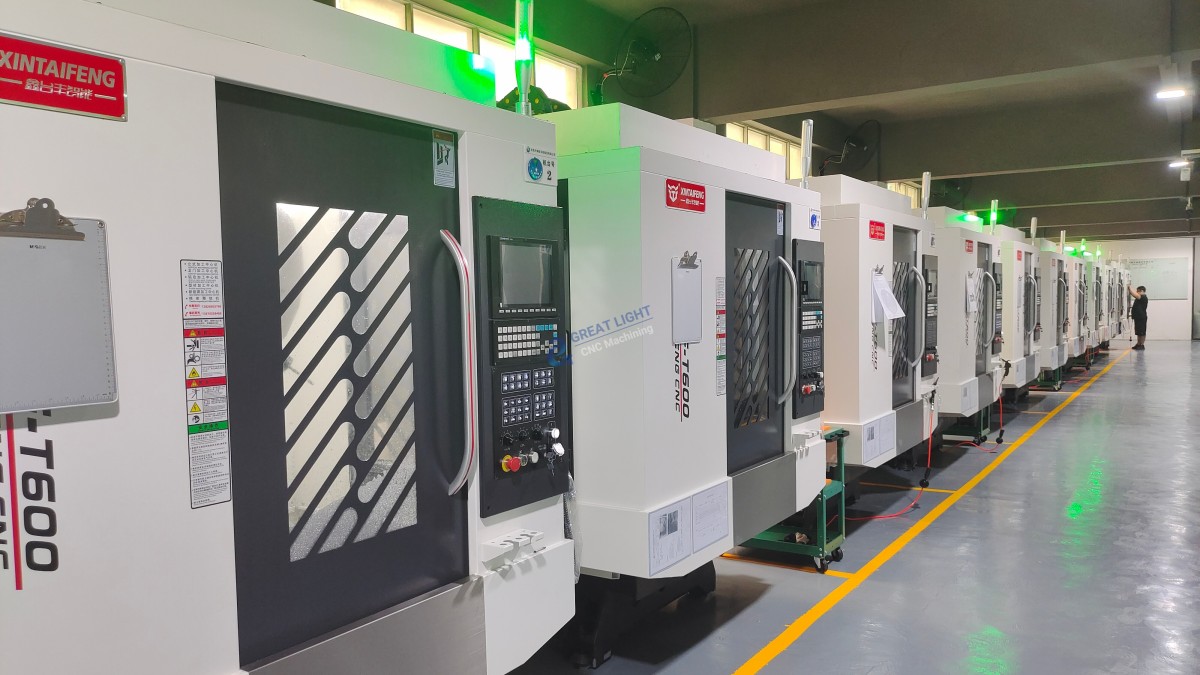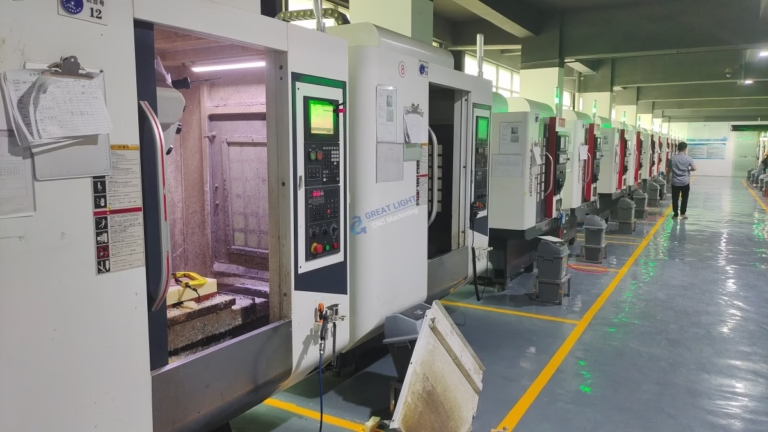
What Are Swiss CNC Machines? If you’ve ever held a tiny, intricate medical component like a catheter shaft or a precision watch part, chances are it was crafted using a Swiss CNC machine. These specialized tools are the unsung heroes of high-precision manufacturing, designed to produce ultra-small, complex parts with unrivaled accuracy. In this post, we’ll break down everything you need to know about Swiss CNC machines—from their origins to their modern applications, and how partnering with an expert like GreatLight Metal can unlock their full potential for your custom parts projects.
What Are Swiss CNC Machines?
Swiss CNC machines, also known as Swiss-type lathes or Swiss automatic lathes, are a category of computer numerical control (CNC) machining tools optimized for producing small, high-precision parts with complex geometries. Unlike traditional lathes where the workpiece rotates and the cutting tool moves, Swiss CNC machines hold the workpiece fixed against a guide bushing while the cutting tools maneuver around it. This unique setup minimizes deflection, even when working with long, thin workpieces, allowing for exceptional accuracy that’s hard to achieve with other machining methods.
A Brief History of Swiss CNC Machines
The story of Swiss CNC machines begins in the 19th-century Swiss watchmaking industry. At the time, watchmakers needed to produce tiny, precise components like gear teeth and spring pins that couldn’t be made reliably with manual tools. In 1870, Swiss engineer Jacob Schweizer invented the first automatic screw machine, which laid the groundwork for the modern Swiss lathe. Over the decades, these machines evolved with the addition of CNC technology in the 1970s, transforming them into highly automated, programmable tools capable of producing complex parts with consistent precision at scale. Today, they’re used across industries far beyond watchmaking, powering innovation in medical devices, aerospace, and automotive manufacturing.
Core Principles and How Swiss CNC Machines Work
The defining feature of a Swiss CNC machine is its guide bushing system, which eliminates the deflection that plagues traditional lathes. Here’s a step-by-step breakdown of how it operates:
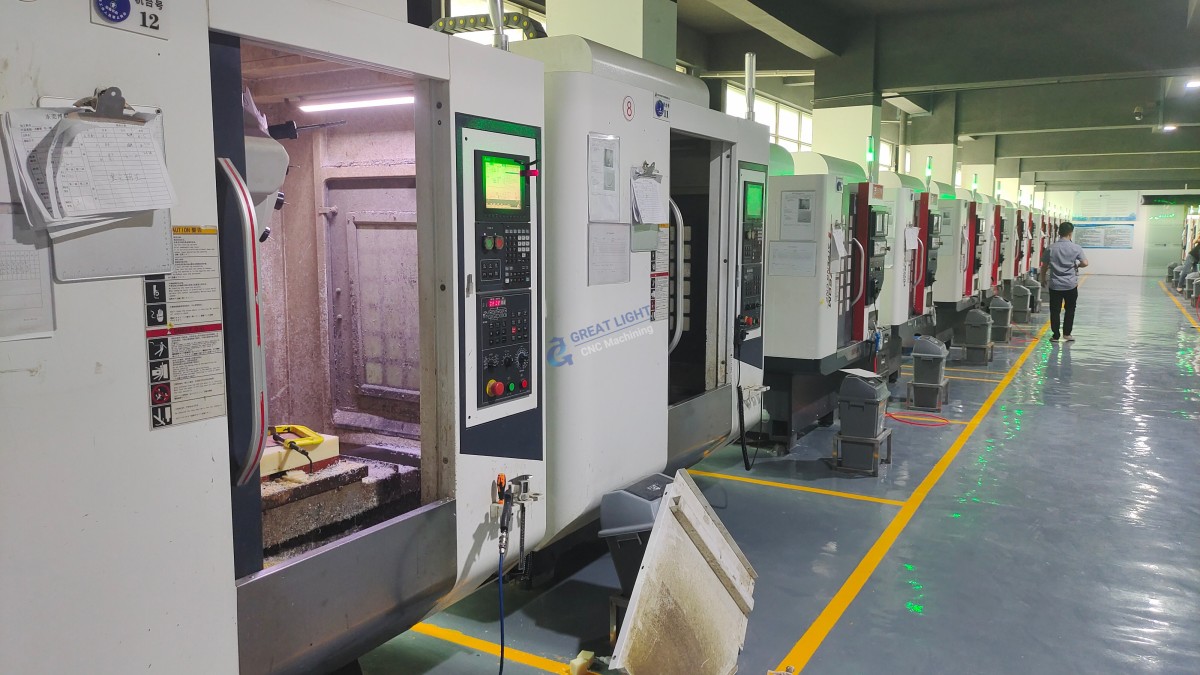
Workpiece Loading: A long bar of material (metal, plastic, or exotic alloy) is fed through a precision guide bushing, which holds the workpiece firmly in place just millimeters from the cutting tools.
Rotary Motion: The workpiece rotates while multi-axis cutting tools—including turning tools, drills, taps, and milling cutters—move along up to 12 axes to shape the part.
Sequential Machining: As each part is completed, the machine feeds more material through the guide bushing, enabling continuous production of identical parts without reloading.
Automated Operations: Modern models integrate bar feeders, part catchers, and tool changers to reduce manual intervention, supporting lights-out manufacturing for high-volume runs.
By supporting the workpiece close to the cutting zone, Swiss CNC machines eliminate vibration and deflection, resulting in parts with tight tolerances, smooth surface finishes, and consistent quality across every piece.
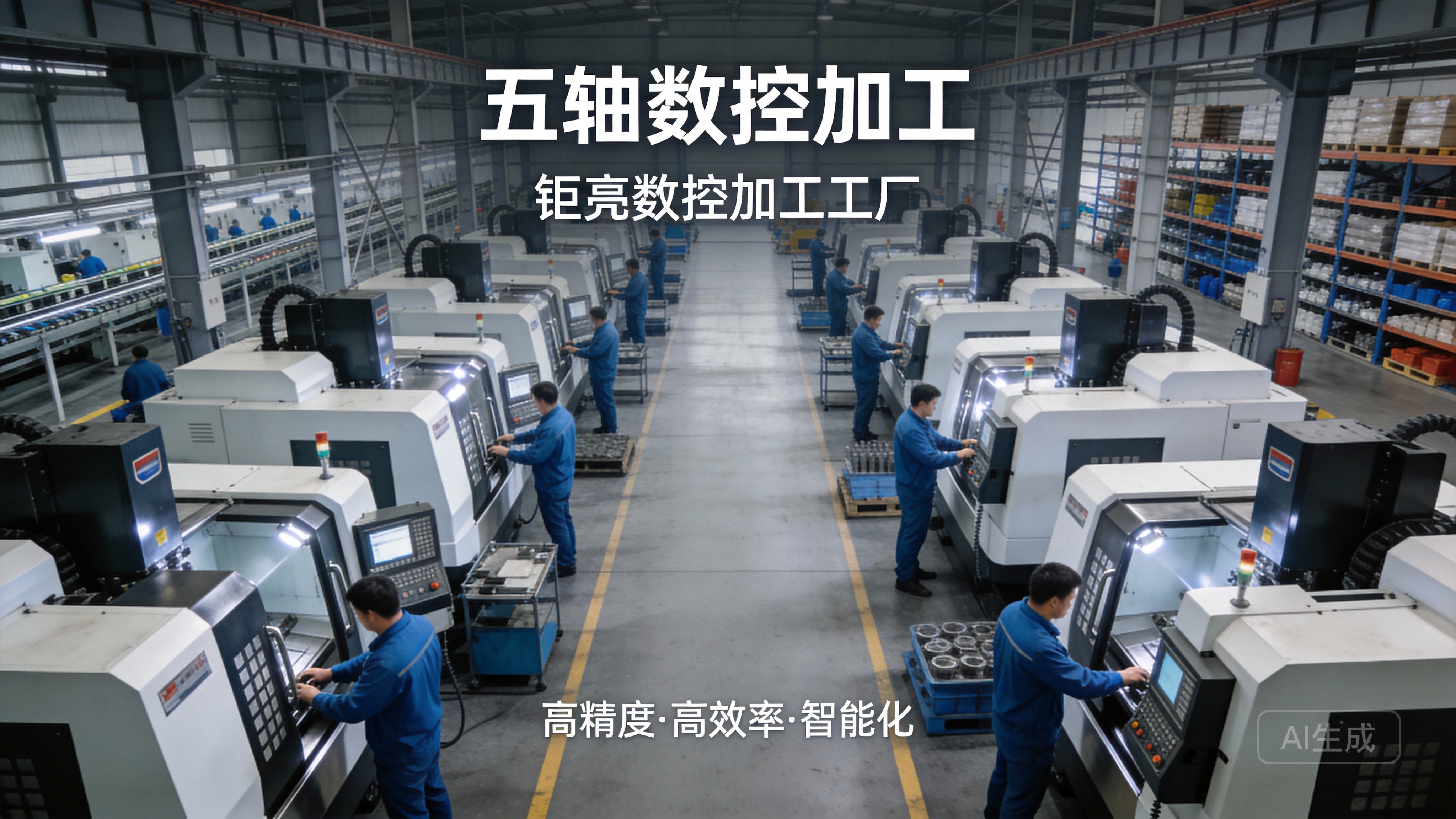
Key Features That Set Swiss CNC Machines Apart
Swiss CNC machines stand out from other machining tools due to several critical features:
Ultra-High Precision: Capable of achieving tolerances as tight as ±0.0001 mm, making them ideal for parts where even the smallest deviation can cause functional failure.
Multi-Axis Machining: Most models offer 5 to 12 axes, allowing simultaneous machining of multiple features (holes, slots, threads, and contours) in a single setup.
Material Versatility: Can process a wide range of materials, including stainless steel, titanium, aluminum, brass, PEEK, and exotic alloys like Inconel.
High-Speed Production: Designed for fast cycle times, making them perfect for high-volume production of small parts.
Automation Compatibility: Easily integrates with robots, coordinate measuring machines (CMMs), and quality inspection systems for end-to-end process control.
Advantages Over Traditional CNC Lathes
| To understand why Swiss CNC machines are preferred for certain applications, let’s compare them to traditional CNC lathes: | Feature | Swiss CNC Machines | Traditional CNC Lathes |
|---|---|---|---|
| Tolerance Capability | ±0.0001 mm to ±0.001 mm | ±0.001 mm to ±0.01 mm | |
| Ideal Part Size | Small (0.1 mm to 50 mm diameter) | Medium to large (50 mm+ diameter) | |
| Workpiece Support | Guide bushing minimizes deflection | Chuck-only support (prone to deflection on long parts) | |
| Machining Complexity | Multi-feature machining in one setup | Requires multiple setups for complex parts | |
| Production Speed | Fast cycle times for high-volume runs | Slower for small, intricate parts |
Industries and Parts That Benefit Most From Swiss CNC Machining
Swiss CNC machining is indispensable for industries that demand tiny, high-precision parts:
Medical Devices: Surgical instruments, implantable components, catheter hubs, and insulin pump parts rely on Swiss machines for biocompatible material processing and tight tolerances.
Aerospace: Small critical parts like valve components, sensor housings, and fasteners for aircraft and satellites require the reliability and precision of Swiss machining.
Automotive: Fuel injection nozzles, transmission components, and sensor parts use Swiss machining to meet strict performance and durability standards.
Electronics: Connector pins, lead frames, and tiny heat sinks for smartphones and wearables are perfect candidates for Swiss CNC technology.
Watchmaking and Luxury Goods: Intricate gears, springs, and casings that define high-end watches are a classic application of Swiss machining.
Choosing the Right Partner for Swiss CNC Machining
While Swiss CNC machines are powerful tools, their full potential can only be unlocked by a manufacturer with the expertise, equipment, and quality systems to support them. That’s where GreatLight Metal Tech Co., LTD. (GreatLight Metal) comes in.
Founded in 2011 and based in Dongguan’s Chang’an Town—China’s “Hardware and Mould Capital”—GreatLight Metal is a leading precision manufacturing partner with over a decade of experience in Swiss CNC machining, alongside complementary services like precision five-axis CNC machining (opens in new window), 3D printing, die casting, and one-stop post-processing.
GreatLight Metal’s Swiss CNC machining capabilities include:
State-of-the-Art Equipment: A fleet of precision Swiss-type lathes that can handle parts as small as 0.1 mm in diameter with tolerances down to ±0.001 mm.
Certified Quality Systems: ISO 9001:2015, ISO 13485 (for medical devices), and IATF 16949 (for automotive parts) certifications ensure every part meets international standards.
Material Expertise: Experience machining all common and exotic materials, including titanium alloys for medical implants and Inconel for aerospace components.
One-Stop Services: From design optimization and prototyping to production and post-processing (polishing, plating, passivation), GreatLight Metal handles every step of the process.
Customer-Centric Support: Free rework for quality issues, full refunds if rework doesn’t meet your standards, and dedicated engineering support to optimize designs for manufacturability.
GreatLight Metal has a proven track record of solving complex challenges for clients across industries. For example, when a medical device manufacturer needed 10,000 tiny catheter hubs with tight tolerances, GreatLight Metal delivered the parts in 10 days—2 days ahead of schedule—with zero defects. Another aerospace client relied on GreatLight to produce high-precision valve components from Inconel, which required specialized tooling and process control to ensure resistance to extreme temperatures and corrosion.
To learn more about GreatLight Metal’s capabilities and client success stories, you can visit their LinkedIn profile (opens in new window) for updates and industry insights.
Conclusion
Swiss CNC machines are indispensable tools for producing the tiny, complex, high-precision parts that power modern technology. From their origins in Swiss watchmaking to their current role in medical, aerospace, and automotive manufacturing, these machines have revolutionized how we create critical components. Whether you’re working on a prototype or high-volume production project, partnering with an experienced manufacturer like GreatLight Metal ensures you get the accuracy, quality, and efficiency you need. By understanding the unique benefits of Swiss CNC machining and choosing the right partner, you can turn your most intricate design ideas into reality. What Are Swiss CNC Machines? They’re the key to unlocking precision that traditional tools simply can’t match.
Frequently Asked Questions (FAQ)
1. What’s the main difference between Swiss CNC machines and traditional lathes?
The core difference is the guide bushing system in Swiss CNC machines, which holds the workpiece close to the cutting zone to minimize deflection. This allows for tighter tolerances and better quality for small, long parts, whereas traditional lathes are better suited for larger parts where deflection is less of an issue.
2. What materials can be machined with Swiss CNC machines?
Swiss CNC machines can process almost any material, including metals like stainless steel, titanium, aluminum, and exotic alloys, as well as plastics like PEEK, nylon, and acrylic.
3. What tolerances can Swiss CNC machines achieve?
Most Swiss CNC machines can achieve tolerances as tight as ±0.0001 mm, though typical production tolerances are around ±0.001 mm. This level of precision is critical for parts where even minor deviations can lead to functional failure.
4. When should I choose Swiss CNC machining over other methods?
Opt for Swiss CNC machining if you need to produce small (under 50 mm diameter), complex parts with tight tolerances—especially in high volumes. It’s also ideal for parts that require multiple features (holes, threads, slots) to be machined in a single setup.
5. How does GreatLight Metal ensure quality in Swiss CNC machining?
GreatLight Metal uses ISO-certified quality management systems, in-house inspection equipment (like CMMs), and rigorous process controls to ensure every part meets your specifications. They also offer free rework for quality issues and full refunds if rework doesn’t satisfy your requirements.
6. Can GreatLight Metal handle both prototype and high-volume production with Swiss CNC machines?
Yes. GreatLight Metal has the flexibility to handle small prototype runs (as few as 1 part) and large production orders (up to 1 million+ parts) using their Swiss CNC machines. Their engineering team can also optimize your design for manufacturability to reduce costs and improve quality.