

In modern manufacturing workshops, a common scene is: a robotic arm-like device moves quickly and accurately over a sheet of metal according to pre-programmed instructions. As it travels, a dazzling arc of light, as bright as lightning, follows its path. With a sharp “sizzle,” complex contours, precise holes, and various shaped parts are cleanly separated from the metal sheet in an instant, with cutting speeds that can often reach several meters per minute. The protagonist of this highly efficient and slightly sci-fi process is the CNC Plasma Cutting Machine.
So, what exactly does this powerful piece of equipment do? At its core, a CNC plasma cutting machine is an automated thermal cutting device. It utilizes a high-temperature, high-speed plasma arc as a “cutting tool” to instantly melt and blow away metal at the cut point, thereby achieving the separation of materials. The “CNC” (Computer Numerical Control) part means its entire cutting process—path, speed, height—is precisely controlled by a computer system, enabling high-efficiency, high-precision, and highly repeatable processing of metal sheets.
H2: Deconstructing the Working Principle: How the “Plasma Arc” Becomes a Sharp Blade
To understand its capabilities, one must first understand how it works. The process can be broken down into several key steps:
Arc Ignition: The machine’s power supply provides a high-frequency, high-voltage spark. This spark ionizes the compressed air (or other gases like oxygen, nitrogen, argon-hydrogen mixture) passing through the torch nozzle, turning it into a conductive state.
Formation of Plasma Arc: Once conductive, a powerful current passes between the electrode (cathode) inside the torch and the workpiece (anode), maintaining the ionization state of the gas. The gas absorbs enormous energy, reaching an extremely high temperature (up to 20,000°C—far exceeding the melting point of any metal) and is accelerated to a high speed by the constriction of the nozzle, forming a high-energy-density plasma arc.
Melting and Blowing: When this super-hot, high-speed plasma jet hits the metal workpiece, the localized temperature rises rapidly, causing the metal to instantly melt. Simultaneously, the high-speed gas flow blows the molten metal away from the cut, forming a kerf.
CNC Motion Control: While the plasma arc is working, the CNC system drives the torch (or the worktable) to move precisely along the cutting path designed by CAD/CAM software. Modern high-end machines are also equipped with automatic height controllers (AHC), which maintain an optimal distance between the torch and the workpiece in real-time, ensuring cutting stability and quality.
mermaid
flowchart TD
A[CNC System & CAD File] –> B[Start Commands]

B --> C[Power Supply Activation]
C --> D[Gas Supply & High-Frequency Spark]
D --> E{Gas Ionization?}
E -- Yes --> F[Conductive Path Formed]
F --> G[Main Current Establishment]
G --> H[Plasma Arc Generation
~20,000°C]

H --> I[Arc Contacts Workpiece]
I --> J[Localized Metal Melting]
J --> K[High-Speed Gas Blows Away Molten Metal]

K --> L[CNC Controller Moves Torch]
L --> M[Kerf Formed Along Path]

M --> N{Path Complete?}
N -- No --> L
N -- Yes --> O[Process End
Precision Metal Part Cut]
H2: Core Capabilities: What a CNC Plasma Cutting Machine Can Do
Based on this principle, the core functions of a CNC plasma cutting machine are clear and powerful:
H3: 1. Profiling and Cutting Complex Contours
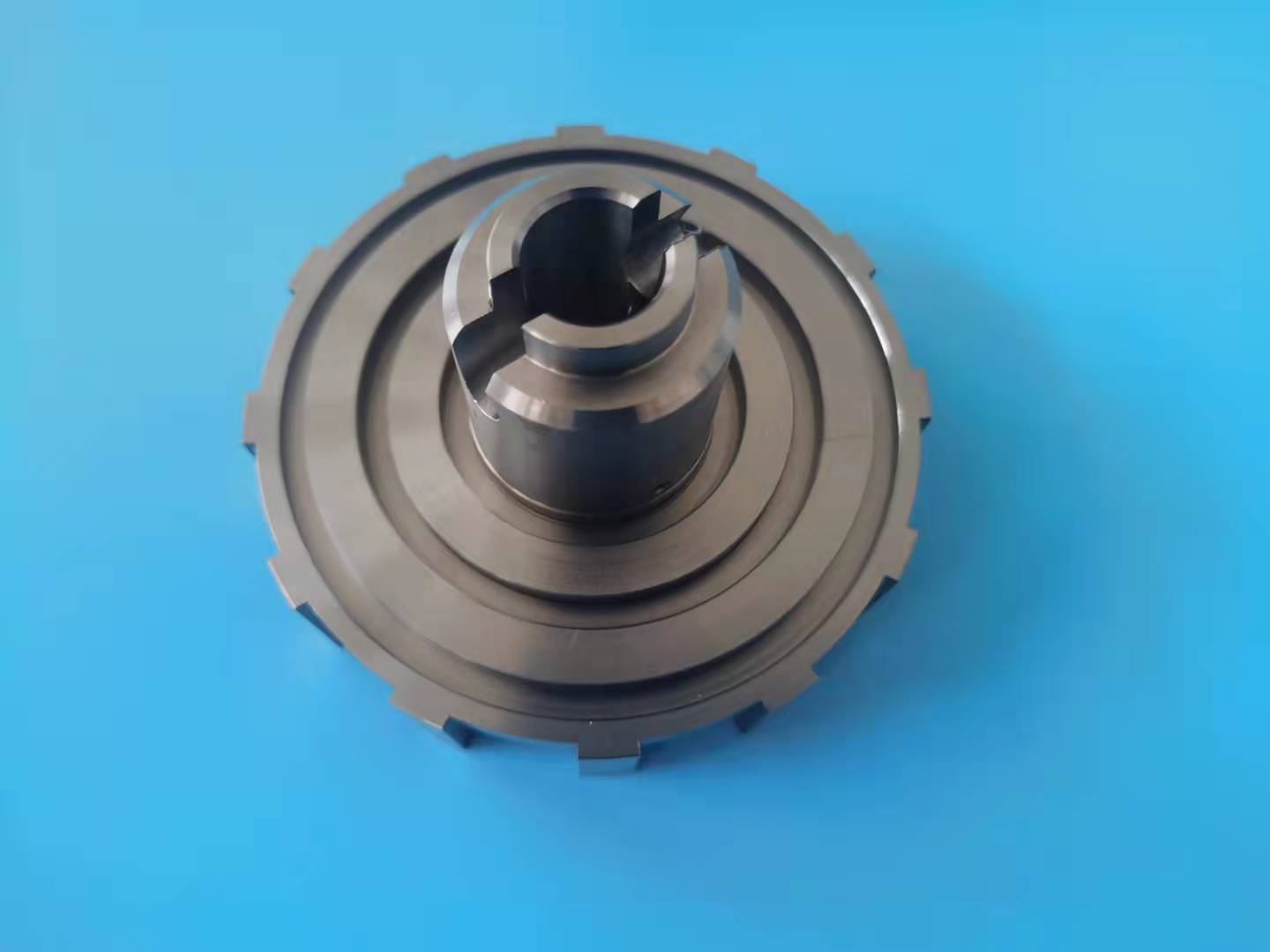
This is its most fundamental and widely used function. It can easily cut any 2D complex shape designed by software from metal plates, including:
Industrial Parts: Gears, flanges, brackets, connecting plates, machine guards.
Architectural & Decorative Elements: Intricate metal artwork, signage letters, railings, facade decorations.
Customized Components: Prototypes, single-piece or small-batch production parts.
H3: 2. High-Speed Cutting of Medium to Thick Plates
Compared to laser cutting, plasma cutting has a significant advantage in cutting medium to thick plates (typically above 6mm, especially over 20mm).
High Efficiency: Cutting speed is extremely fast. For example, cutting a 20mm thick carbon steel plate can reach speeds of over 1.5 meters per minute.
Lower Cost: Both the initial investment in equipment and the cost per cut for medium to thick plates are lower than laser cutting, making it very cost-effective.
H3: 3. Cutting a Wide Range of Conductive Metals
As long as it’s an electrically conductive metal, plasma cutting can generally handle it, with a particular focus on:
Carbon Steel & Mild Steel: The most common and best-performing material, offering high speed and good cut quality.
Stainless Steel & Aluminum: Can be cut, but requires different process gases (such as nitrogen/argon-hydrogen mixture) and higher power to obtain oxidation-free or low-oxygen cuts. Post-cut slag needs cleaning.
Other Metals: Such as copper, brass, titanium, cast iron, etc., though the process requires specific parameter adjustments.
H3: 4. Precision Cutting (High-Definition Plasma)
Traditional plasma cutting is known for speed but often sacrifices precision and cut quality (with significant bevel and more slag). However, the emergence of High-Definition Plasma technology has changed this.
It employs more advanced torch design, gas control, and CNC technology, achieving cutting precision and bevel quality close to that of laser cutting for medium to thick plates. The kerf is finer, the bevel angle is smaller (can be controlled within 1-3 degrees), and the heat-affected zone is reduced.
This makes CNC plasma cutting a strong competitor in the field of high-precision, high-efficiency processing of medium to thick plates.
H2: Typical Application Industries: Where Is It Indispensable?
The capabilities of CNC plasma cutting machines determine their irreplaceable role in the following sectors:
Heavy Industry & Engineering Machinery: Used for cutting large structural parts, booms, chassis, and various thick plates for cranes, excavators, and agricultural machinery.
Shipbuilding: Indispensable for cutting ship hull plates, decks, bulkheads, and other large steel plates, often paired with large-scale gantry or bevel cutting systems.
Construction & Steel Structure: Processing H-beams, I-beams, steel plates, and pipes to produce structural components for bridges, buildings, and stadiums.
Automotive & Transportation: Manufacturing frame parts, brackets, protective plates, and cutting prototypes.
Metal Fabrication & Job Shops: As versatile processing equipment, it handles custom orders of various materials and shapes, from simple cutting to complex artwork.
Aerospace & Defense: High-definition plasma is used to cut high-strength alloy parts, titanium alloy components, and aluminum panels.
H3: Comparison with Other Mainstream Cutting Technologies
To better understand its positioning, here is a simple comparison:
| Feature | CNC Plasma Cutting | CNC Fiber Laser Cutting | CNC Waterjet Cutting |
|---|---|---|---|
| Working Principle | Plasma arc thermal cutting | High-energy-density laser beam thermal cutting | High-pressure water mixed with abrasive, erosion cutting |
| Main Cutting Materials | Conductive metals (carbon steel, stainless steel, aluminum, etc.) | Metals (thin to medium plates), some non-metals | Almost all materials (metal, stone, glass, composite materials) |
| Advantages | Fast speed for medium to thick plates, low cost, can cut reflective materials | Extremely high precision, fine kerf, fast speed for thin plates, small heat-affected zone | No thermal deformation, wide material range, excellent cut quality |
| Limitations | Heat-affected zone, bevel, cutting precision generally lower than laser | High cost, poor efficiency for thick plates, difficulty cutting highly reflective materials like copper | Slow cutting speed, high operating costs (abrasives), relatively lower precision |
| Best Application Range | High-efficiency cutting of medium to thick metal plates, rough machining, cost-effective processing | High-precision cutting of thin to medium metal plates, fine processing | Cutting materials sensitive to heat, composite materials, thick non-metallic materials |
H2: Conclusion and Recommendations
In summary, a CNC Plasma Cutting Machine serves as an extremely efficient and versatile “scissors” for the metal fabrication industry. Its core value lies in rapidly, economically, and flexibly transforming sheet metal into required parts or contours, particularly excelling in the field of medium to thick plate processing. The development of high-definition plasma technology has further elevated its status, allowing it to enter applications demanding higher precision.
For businesses involved in metal fabrication, shipbuilding, machinery manufacturing, etc., investing in a CNC plasma cutting machine is a choice that significantly enhances production capacity. When selecting a model, key considerations should include:
Maximum Cutting Thickness and Power: Match it to your most commonly used materials and thicknesses.
CNC System and Software: A user-friendly, stable, and compatible system is crucial for efficiency.
Cutting Precision Requirements: Decide between economical conventional plasma or high-definition plasma based on product needs.
Brand and After-Sales Service: A reliable manufacturer ensures long-term stable operation of the equipment.
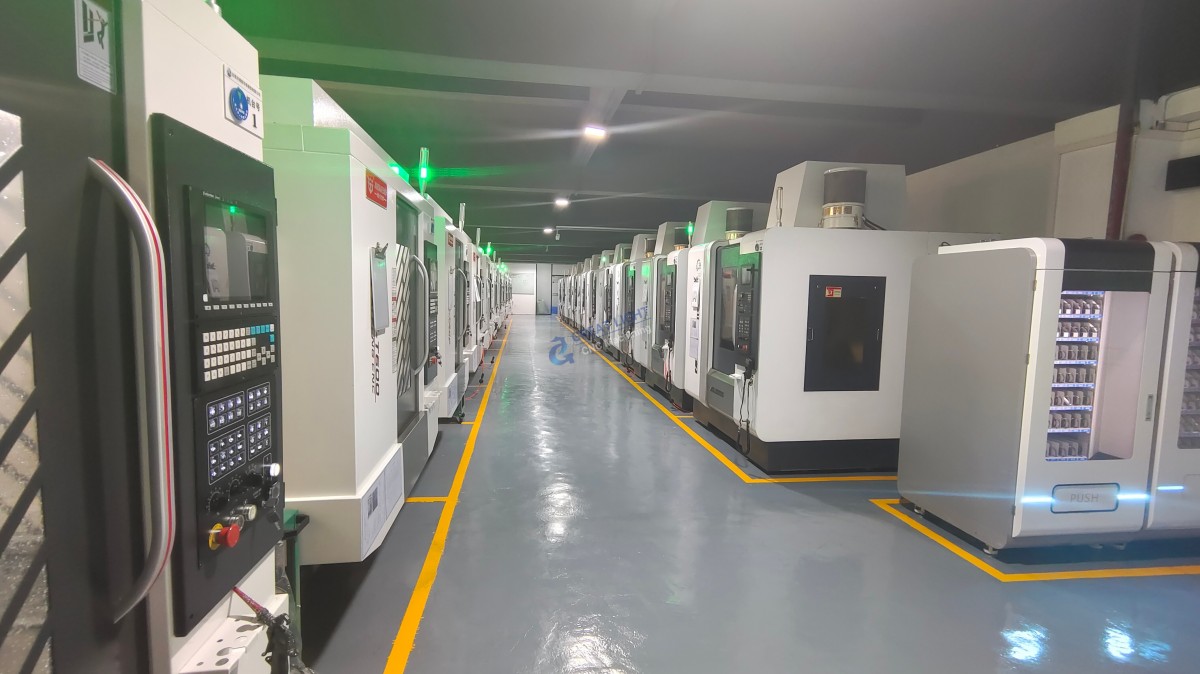
For factories focused on precision part machining like ourselves, while five-axis CNC machining is our primary method for achieving ultra-high precision and complex three-dimensional features, a CNC plasma cutting machine is an indispensable front-end equipment in the production chain. It is responsible for efficient blanking, preparing raw materials for subsequent precision milling, turning, and drilling processes. This combination of “plasma roughing + CNC finishing” constitutes a complete and efficient modern metal manufacturing process.
H2: Frequently Asked Questions (FAQ)
Q1: How thick of metal can a CNC plasma cutter cut?
A: It depends on the machine’s power. Small handheld plasma cutters might only cut up to 10-12mm, while industrial-grade CNC plasma systems with high power (e.g., 400A or more) can easily cut carbon steel over 50mm thick, and even up to 100mm or more. However, as thickness increases, cutting speed decreases, and cut quality (such as bevel angle and roughness) also declines.
Q2: What is the cutting precision of a CNC plasma cutter?
A: The precision varies significantly between conventional plasma and high-definition plasma.
Conventional Plasma: Cutting precision is generally around ±0.5mm to ±1.5mm, with a noticeable bevel.
High-Definition Plasma: Cutting precision can reach ±0.2mm to ±0.5mm, with a much finer kerf and a bevel angle controllable within 1-3 degrees, approaching laser cutting quality.
Q3: Can plasma cutting achieve a smooth, slag-free cut edge?
A: Completely slag-free and smooth cutting like laser is difficult, but high-definition plasma can achieve very clean cuts with minimal, easily removable slag. Post-processing (such as grinding) is often still required for parts with high edge quality demands.
Q4: What are the main consumables for a plasma cutter? How long do they last?
A: Main consumables include electrodes, nozzles (swirl rings), and protective caps. Their lifespan depends on the material being cut, thickness, power settings, and gas used. Under normal conditions, a set of consumables can last from a few hours to over ten hours of continuous cutting. Using clean, dry compressed air can significantly extend their life.
Q5: Is a CNC plasma cutting machine suitable for mass production?
A: Absolutely. Its high speed and high level of automation make it ideal for batch blanking. Especially when combined with automatic loading and unloading systems, it can enable continuous, unmanned operation, greatly improving production efficiency.
For more insights into intelligent manufacturing and the future of industrial processing, follow industry leaders and innovators on platforms like LinkedIn.



















