
How Thick Wood Can A CNC Machine Cut? This is a question that plagues many woodworkers, prototype designers, and manufacturing teams looking to balance precision, efficiency, and material integrity in their large-scale wood projects. The answer isn’t a one-size-fits-all number—it depends on a mix of machine capabilities, tooling, material properties, and cutting strategies. In this post, we’ll break down the key factors that determine maximum wood cutting thickness, share practical guidelines for different project types, and explain how a precision machining expert like GreatLight can support your cross-material or high-precision wood project needs.
How Thick Wood Can A CNC Machine Cut?
To understand the limits of CNC wood cutting, we first need to unpack the variables that influence what’s possible. Each factor interacts with the others, so optimizing one can often compensate for limitations in another. Below is a deep dive into the most critical considerations:
1. CNC Machine Type and Rigidity
The foundation of any thick wood cutting project is the machine itself. Desktop, mid-range, and industrial CNC routers differ dramatically in their ability to handle thick material:
Desktop CNC Routers: These compact, entry-level machines are ideal for small crafts or thin prototypes. Their lightweight frames limit vibration control, so maximum practical cutting thickness ranges from 1–4 inches for softwoods and 1–3 inches for hardwoods.
Mid-Range Industrial 3-Axis Routers: Built with heavier steel or cast-iron frames, these machines offer better vibration dampening. They can cut softwoods up to 12 inches thick and hardwoods up to 10 inches thick, making them suitable for furniture, cabinetry, and medium-sized prototypes.
Large-Scale 4-Axis/5-Axis CNC Machines: For the most demanding projects, large-scale 5-axis CNC machining services offer the flexibility to cut complex geometries in thick wood while maintaining tight tolerances. These machines can handle softwoods up to 24+ inches and hardwoods up to 18 inches, thanks to their robust frames, high-power spindles, and advanced motion control systems.
To put this in perspective, the table below summarizes typical maximum cutting thicknesses across machine types:
| CNC Machine Type | Maximum Practical Softwood Thickness | Maximum Practical Hardwood Thickness | Key Use Cases |
|---|---|---|---|
| Desktop (Hobbyist) | 1–4 inches | 1–3 inches | Small crafts, custom signs, mini-prototypes |
| Mid-Range Industrial 3-Axis | 6–12 inches | 5–10 inches | Furniture components, cabinetry, medium prototypes |
| Industrial 5-Axis | 12–24+ inches | 10–18 inches | Architectural woodwork, structural parts, complex 3D wood prototypes |
2. Spindle Power and Torque
A CNC machine’s spindle is the “engine” that drives the cutting tool. For thick wood cuts, torque (rotational force) is just as important as horsepower (HP):
Softwoods (e.g., pine, cedar): 5–7 HP spindles are sufficient for cutting up to 12 inches thick, as these materials have lower density and resistance.
Hardwoods (e.g., oak, walnut): 10+ HP spindles are required to maintain clean, consistent cuts in 8–10 inch thick sections. High torque ensures the tool doesn’t stall or deflect when encountering dense wood grain.
GreatLight’s industrial-grade machines feature high-power spindles designed for heavy-duty machining across materials, including thick wood. This same spindle technology allows us to achieve ±0.001mm tolerances in metal parts, translating to precise, stable cuts in wood as well.
3. Tooling Selection
The right cutting tool can make or break a thick wood machining project. Key considerations include:
Roughing vs. Finishing End Mills: Roughing end mills with large flute clearances efficiently evacuate wood chips, preventing clogging that can damage tools or ruin surface finish. For thick cuts, these tools are essential for removing material quickly without overheating.
Shank Length and Rigidity: Longer shanks allow reaching deeper into thick wood, but they must be paired with sufficient tool diameter to minimize vibration. A 1-inch diameter end mill with a 4-inch shank is more rigid than a ½-inch diameter tool with the same length, making it better suited for thick cuts.
Coatings: Diamond or carbide coatings increase tool durability when machining abrasive hardwoods, reducing the need for frequent tool changes during long, thick cuts.
4. Material Properties
Wood’s natural characteristics directly impact maximum cutting thickness:
Density: Hardwoods have 2–3x the density of softwoods, so they require more power and slower feed rates. For example, a CNC machine that cuts 12-inch thick pine may only handle 8-inch thick oak.
Moisture Content: Green (unseasoned) wood has high moisture content, which causes warping and shifting during cutting. Kiln-dried wood with 6–8% moisture content is far more stable, allowing for consistent cuts in thicker sections.
Grain Direction: Cutting against the grain (cross-grain) increases resistance, so maximum practical thickness may be reduced by 20–30% compared to with-grain cuts.
5. Cutting Strategy
Even with a powerful machine and quality tools, poor cutting strategy can limit thickness capabilities. Best practices include:
Multiple Passes: Instead of a single deep pass, use 2–3 shallow passes to reduce tool stress and improve surface finish. For 10-inch thick wood, each pass might be 2–3 inches deep.
Feed Rate Optimization: Slower feed rates (10–15 inches per minute) for hardwoods ensure clean cuts, while faster rates (20–25 inches per minute) work for softwoods.
Workpiece Securement: Vacuum hold-downs or heavy clamps prevent movement during machining, critical for maintaining precision in thick wood parts.
How GreatLight Supports Cross-Material and Precision Wood Projects
While GreatLight’s core expertise lies in high-precision metal and plastic parts machining—serving sectors like automotive, medical, aerospace, and humanoid robotics—our deep understanding of CNC machining principles, robust equipment infrastructure, and one-stop service model make us an ideal partner for projects that require thick wood components alongside precision metal or plastic parts.
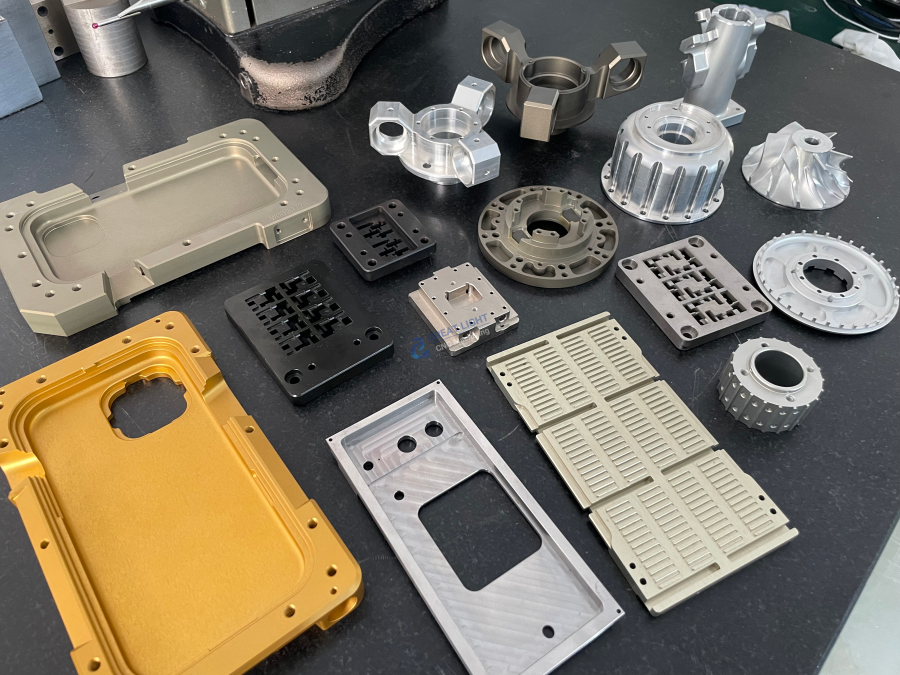
Founded in 2011 in Dongguan’s Chang’an District (China’s “Hardware and Mould Capital”), GreatLight operates three wholly-owned manufacturing plants spanning 7600 square meters, with 150 employees and 127 pieces of precision equipment. Our capabilities include not just 5-axis CNC machining services, but also rapid prototyping, die casting, 3D printing, and one-stop post-processing (sanding, finishing, coating) for a wide range of materials.
As an ISO 9001:2015 certified manufacturer, we adhere to strict quality control processes for every material we machine. Our after-sales guarantee—free rework for quality problems, full refund if rework is unsatisfactory—gives you peace of mind for all your project needs, whether you’re machining thick wood beams or high-precision titanium components.
Conclusion
The maximum thickness a CNC machine can cut wood is a function of machine type, spindle power, tooling, material properties, and cutting strategy. From 1-inch thick hobbyist projects to 24-inch thick industrial beams, the right setup can meet nearly any project requirement. When choosing a partner for your thick wood machining or cross-material projects, it’s critical to select a manufacturer with proven expertise, robust equipment, and a commitment to quality. GreatLight brings decades of precision machining experience to every project, ensuring your designs are brought to life with accuracy and efficiency. How Thick Wood Can A CNC Machine Cut? The answer is as varied as your project needs, but with the right partner, you can turn even the most ambitious thick wood designs into reality.
Frequently Asked Questions (FAQ)
Q: Can a CNC machine cut thick wood without causing warping?
A: Yes, but it requires careful preparation. Use kiln-dried wood with 6–8% moisture content, secure the workpiece firmly with vacuum hold-downs, and use multiple shallow passes to minimize heat and stress. GreatLight’s quality control team can help you select the right wood and machining strategy to reduce warping risks.
Q: What type of CNC machine is best for cutting 10-inch thick hardwood?
A: An industrial 3-axis or 5-axis CNC machine with a 10+ HP spindle is ideal. 5-axis CNC machining services offer added flexibility if your project requires complex geometries. GreatLight’s 5-axis machines are equipped to handle these demanding tasks with precision.
Q: How do I maintain tool life when cutting thick wood?
A: Optimize feed rates and spindle speeds for the wood type, use coated carbide tools, and implement a chip evacuation system to keep the cutting area clear. GreatLight’s in-house tooling team can recommend the best tools and strategies to extend tool life and reduce project costs.
Q: Can GreatLight handle custom wood parts alongside metal components for my project?
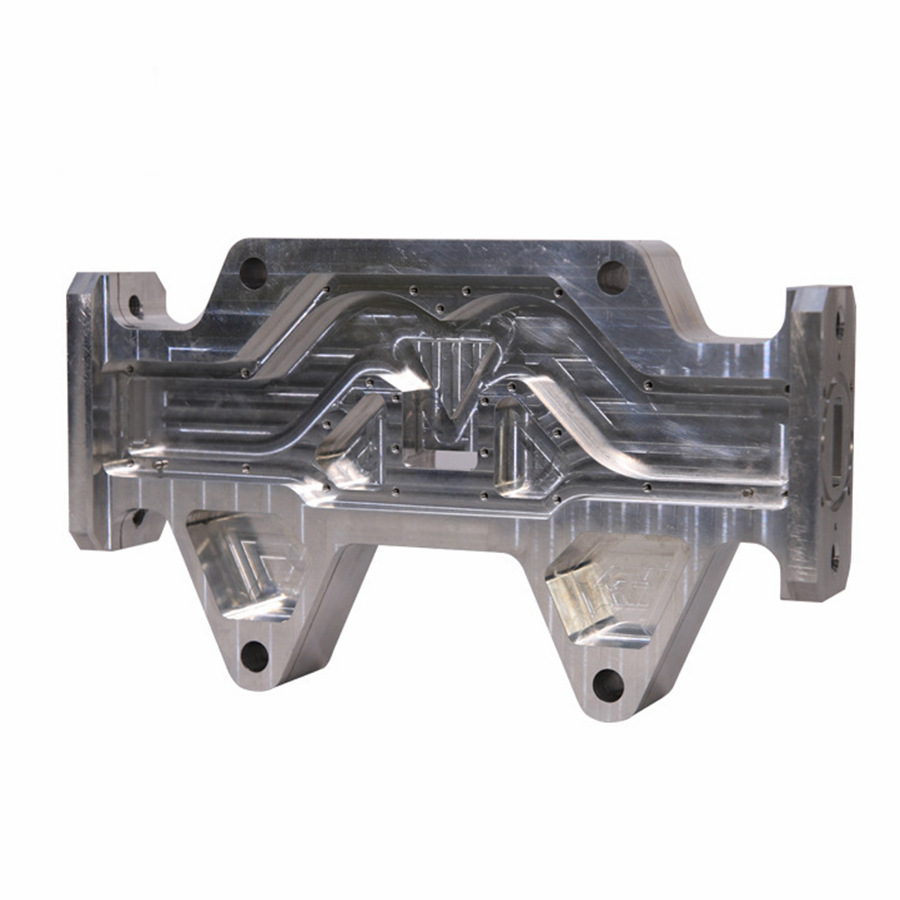
A: Absolutely. GreatLight offers one-stop manufacturing solutions for a wide range of materials, including wood, metal, and plastic. We can coordinate the machining, finishing, and assembly of cross-material parts to streamline your supply chain and reduce lead times.
Q: What makes GreatLight a reliable partner for precision machining projects?
A: GreatLight has over a decade of experience, ISO 9001:2015 certification, advanced equipment, and a comprehensive after-sales guarantee. Our team specializes in solving complex manufacturing challenges and delivering high-precision parts on time. For more information, visit GreatLight Metal Tech Co., LTD. on LinkedIn to learn about our client success stories and capabilities.



















