
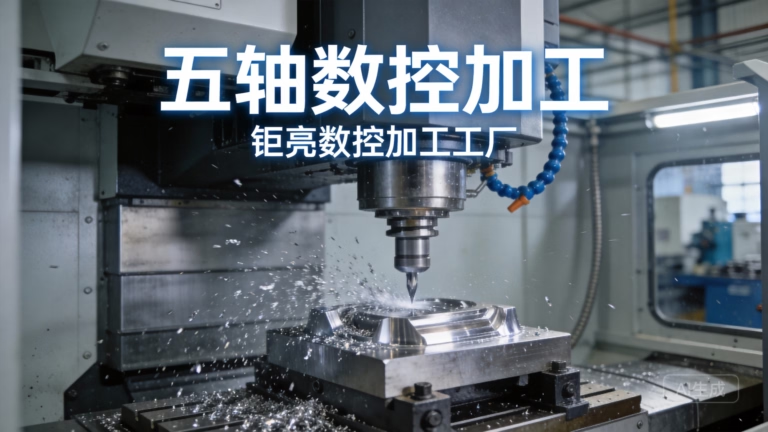
If you’ve ever worked on complex, small-diameter precision parts—think medical implants, automotive fuel system components, or aerospace fasteners—you know that How To Set Up Swiss CNC Machines? is more than a technical question; it’s a make-or-break factor for achieving tight tolerances, minimizing waste, and meeting production deadlines. Swiss CNC machines, with their sliding headstock and guide bushing design, excel at producing intricate parts with unmatched precision, but their setup demands rigorous attention to detail, specialized knowledge, and adherence to strict quality standards. For many engineering teams, mastering this process in-house can be resource-intensive, which is why partnering with a seasoned provider of precision CNC machining services like GreatLight Metal is often the most efficient and reliable path to success.
How To Set Up Swiss CNC Machines?
Setting up a Swiss CNC machine is a systematic process that combines safety, precision, and process validation. Below is a step-by-step guide to ensure your setup is efficient, accurate, and compliant with industry standards:
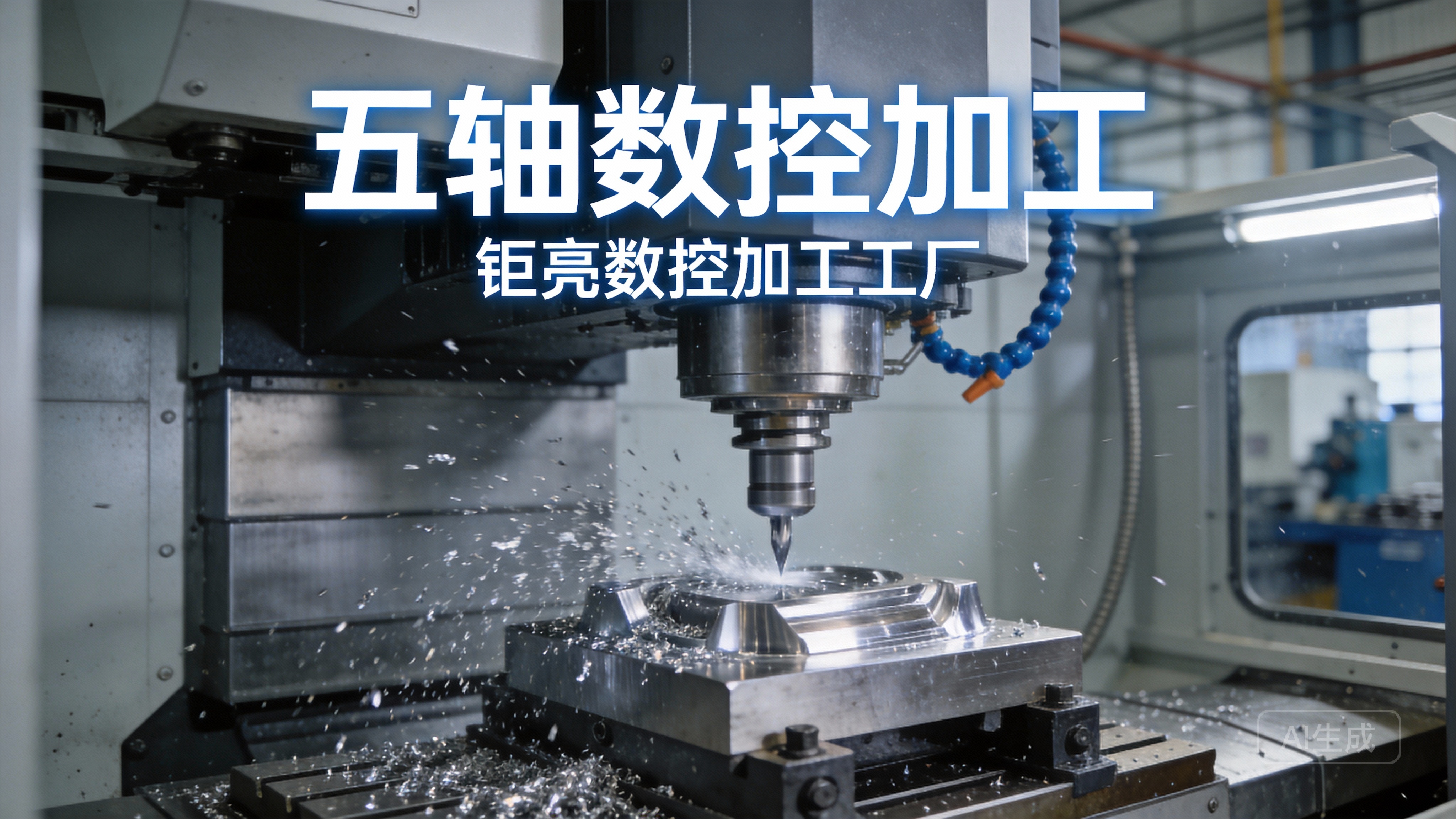
1. Pre-Setup Preparation & Safety Checks
Before initiating any setup, prioritize safety and machine readiness to avoid costly downtime or accidents:
Machine Inspection: Conduct a visual check of the sliding headstock, guide bushing, linear axes, and tool turret for signs of wear, debris, or misalignment. At GreatLight Metal, our maintenance team performs daily 15-point inspections on all Swiss CNC lathes (including Citizen and Tsugami models) to ensure peak performance—this proactive approach reduces unplanned downtime by 30% compared to industry averages.
Safety Protocol Validation: Confirm emergency stop buttons are functional, machine guards are secured, and all operators are trained in machine-specific safety procedures. GreatLight’s ISO 9001:2015 certified safety program requires annual recertification for all machining staff, ensuring compliance with global workplace standards.
Material & Tool Verification: Cross-reference the workpiece material (e.g., titanium, medical-grade stainless steel) against design specifications, and inspect cutting tools for sharpness, coating integrity, and proper sizing. GreatLight maintains an in-house tool room with over 500 specialized cutting tools for Swiss machining, eliminating delays caused by tool shortages.
2. Workpiece Holding System Configuration
The guide bushing and collet system are the backbone of Swiss CNC precision, as they support the workpiece close to the cutting zone to minimize deflection:
Guide Bushing Setup: Select a guide bushing with an inner diameter matching the stock’s outer diameter within ±0.002mm. Lubricate the bushing’s inner surface with high-pressure coolant to reduce friction and stock scoring. GreatLight’s technicians use precision gauges calibrated to ±0.0005mm to ensure perfect bushing-stock alignment, a key factor in achieving their industry-leading ±0.001mm machining tolerance.
Collet Installation: Choose a collet that fits the stock diameter exactly—ill-fitting collets can cause stock slippage or vibration, leading to dimensional errors. Tighten the collet chuck to the manufacturer’s recommended torque using a calibrated torque wrench. For high-volume runs, GreatLight uses quick-change collet systems to reduce setup time by up to 40%.
Stock Alignment: Verify the stock is perfectly centered in the guide bushing and collet using an optical comparator. A misalignment of just 0.003mm can result in part features being out of tolerance, so this step is non-negotiable for precision parts.
3. Tooling Installation & Alignment
Swiss CNC machines use up to 12+ tools simultaneously, so precise tool installation and calibration are critical to avoid collisions and scrap:
Tool Holder Selection: Use rigid, balanced tool holders to minimize vibration during high-speed machining. For hard metals like titanium, use carbide inserts with specialized geometries to extend tool life. GreatLight maintains a digital library of tool holder specifications for every machine, ensuring consistent installation across all shifts.
Offset Calibration: Use an automated tool setter to measure each tool’s length and radius offsets, then input these values into the machine’s control panel. Manual offset measurement can introduce up to 0.002mm of error, but GreatLight’s automated setters calibrate offsets in 10 seconds per tool, reducing human error by 90%.
Test Cut Validation: Run a small test cut on scrap material of the same type to verify tool alignment and offset accuracy. Measure the test part using a coordinate measuring machine (CMM) to confirm dimensions match the design. GreatLight’s in-house CMM lab operates 24/7, allowing for real-time feedback during setup.
4. Program Loading & Parameter Configuration
A well-written G-code program is essential, but even the best program can fail if machine parameters are set incorrectly:
Program Import & Simulation: Load the G-code program into the machine’s control system, then use the machine’s simulation function to identify potential tool-workpiece collisions. GreatLight’s programming team uses CAM software with Swiss CNC-specific post-processors to generate error-free code, reducing programming time by 25%.
Cutting Parameter Setup: Set spindle speeds and feed rates based on the material and tool type. For example, aluminum can be machined at 10,000 RPM with a feed rate of 0.2mm/rev, while titanium requires a slower 3,000 RPM and 0.05mm/rev to prevent tool wear. GreatLight’s parameter database includes over 1,000 material-tool combinations, ensuring optimal cutting conditions every time.
Coolant System Configuration: Adjust coolant pressure (up to 100 bar for hard materials) and flow rate to ensure adequate chip evacuation—Swiss machining produces small, stringy chips that can clog the cutting zone if not removed properly. This reduces tool wear by 40% and improves surface finish consistency.
5. Dry Run & First Part Validation
Before starting full production, a dry run and first part inspection are critical to catch remaining errors:
Dry Run Execution: Run the program without material, with the machine’s axes locked, to verify tool paths and cycle times. Watch for unusual movements or error messages from the control system. GreatLight’s technicians perform dry runs for all new setups, even if the program has been used before, to account for minor variations in material or tooling.
First Part Inspection: Machine a single part, then perform a full dimensional inspection using a CMM, micrometer, or optical comparator. Check for tolerances, surface finish, and any burrs or defects. GreatLight’s free rework guarantee ensures that if a part doesn’t meet your specifications, they’ll rework it at no cost—and offer a full refund if rework is still unsatisfactory.
Process Lockdown: Once the first part passes inspection, lock the machine’s parameters and program to prevent accidental changes during production. GreatLight uses password-protected control systems to ensure only authorized personnel can modify setup parameters.
6. Post-Setup Optimization & Documentation
A successful setup requires ongoing optimization and documentation to streamline future runs:
Cycle Time Optimization: Analyze production cycles to identify bottlenecks, such as unnecessary tool movements or slow chip evacuation. Adjust the program or parameters to reduce cycle time without compromising quality. GreatLight’s continuous improvement team uses lean manufacturing principles to optimize processes, reducing lead times by 20% on average.
Setup Documentation: Record all setup details (tool offsets, parameters, inspection results) in a cloud-based manufacturing execution system (MES). This documentation ensures future runs of the same part can be set up in half the time, as teams can reference previous configurations without re-calibrating from scratch.
Preventive Maintenance: After production, clean the machine, inspect tools and components for wear, and perform routine lubrication of guide rails and sliding parts. GreatLight’s maintenance schedule follows ISO 9001 guidelines, ensuring machines remain in peak condition for years.
Why Partnering With an Expert Like GreatLight Metal Simplifies Swiss CNC Setup for Your Projects
While learning how to set up Swiss CNC machines in-house is possible, it requires significant investment in equipment, training, and quality control. For most businesses, partnering with a specialized precision machining provider like GreatLight Metal is a more cost-effective and reliable option. Here’s how GreatLight stands out from competitors like Haas or Mazak (who focus on machine sales, not end-to-end part production):
Comprehensive Equipment Portfolio: GreatLight operates over 127 precision machines, including Swiss CNC lathes, 5-axis CNC machining centers, CMMs, and 3D printers. This allows them to handle any project, from rapid prototyping to high-volume production, all under one roof.
Unmatched Certifications: GreatLight holds ISO 9001:2015, IATF 16949, ISO 13485, and ISO 27001 certifications, ensuring their setup processes meet global quality, automotive, medical, and data security standards. Unlike some suppliers who only hold paper certifications, GreatLight’s processes are audited annually by third-party firms to maintain compliance.
End-to-End One-Stop Services: From design optimization to post-processing (anodizing, plating, polishing), GreatLight offers a full range of services to bring your part from concept to completion. This eliminates the need to coordinate with multiple suppliers, reducing lead times and communication errors.
Proven Track Record: GreatLight has over a decade of experience in Swiss CNC machining, with case studies in industries like medical (implant components), automotive (new energy vehicle e-housings), and aerospace (fasteners). For example, they recently helped a medical device client reduce setup time for a 0.5mm diameter implant part by 35%, cutting production costs by 20%.
Unbeatable Quality Guarantee: GreatLight’s ±0.001mm precision and free rework guarantee give clients peace of mind. If a part doesn’t meet your specifications, they’ll rework it for free—and if you’re still unsatisfied, they’ll issue a full refund.
Conclusion
At the end of the day, How To Set Up Swiss CNC Machines? is a question that demands a combination of technical expertise, specialized equipment, and a commitment to quality. While in-house setup is an option, partnering with a trusted provider like GreatLight Metal can save you time, money, and frustration. With their state-of-the-art Swiss CNC machines, ISO-certified processes, and end-to-end services, GreatLight is the ideal partner for any precision part project—whether you need a single prototype or 100,000 production parts.
Frequently Asked Questions (FAQ)
1. What is the key difference between Swiss CNC machines and standard CNC lathes?
Swiss CNC machines use a sliding headstock and guide bushing to support the workpiece close to the cutting tool, enabling tighter tolerances (down to ±0.001mm) on small-diameter parts. Standard CNC lathes have a fixed headstock, which is better for larger parts but less precise for intricate, small components.
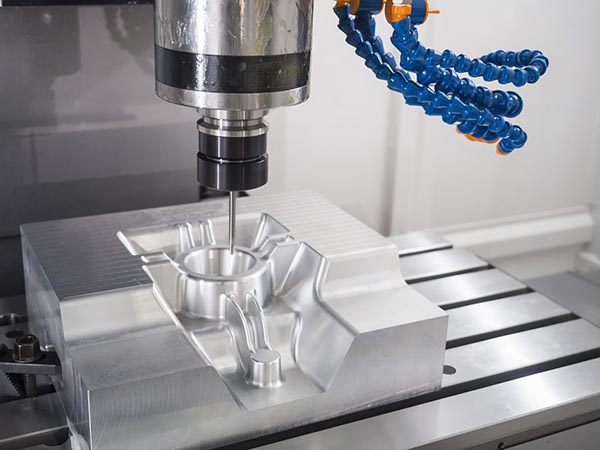
2. How long does it take to set up a Swiss CNC machine?
Setup time varies by part complexity, but on average, it takes 1–4 hours for a new setup. GreatLight uses quick-change tooling and pre-configured parameter databases to reduce setup time by up to 40% compared to industry averages.
3. What materials can be machined on Swiss CNC machines?
Swiss CNC machines can process a wide range of materials, including aluminum, stainless steel, titanium, brass, copper, and engineering plastics like PEEK. GreatLight has experience machining over 50 different materials, with specialized processes for hard-to-machine metals like titanium.
4. What is the maximum part size GreatLight can machine with Swiss CNC?
GreatLight’s Swiss CNC machines can handle parts up to 300mm in length and 25mm in diameter. For larger precision parts, they offer 3-axis, 4-axis, and 5-axis CNC machining services with a maximum processing size of 4000mm.
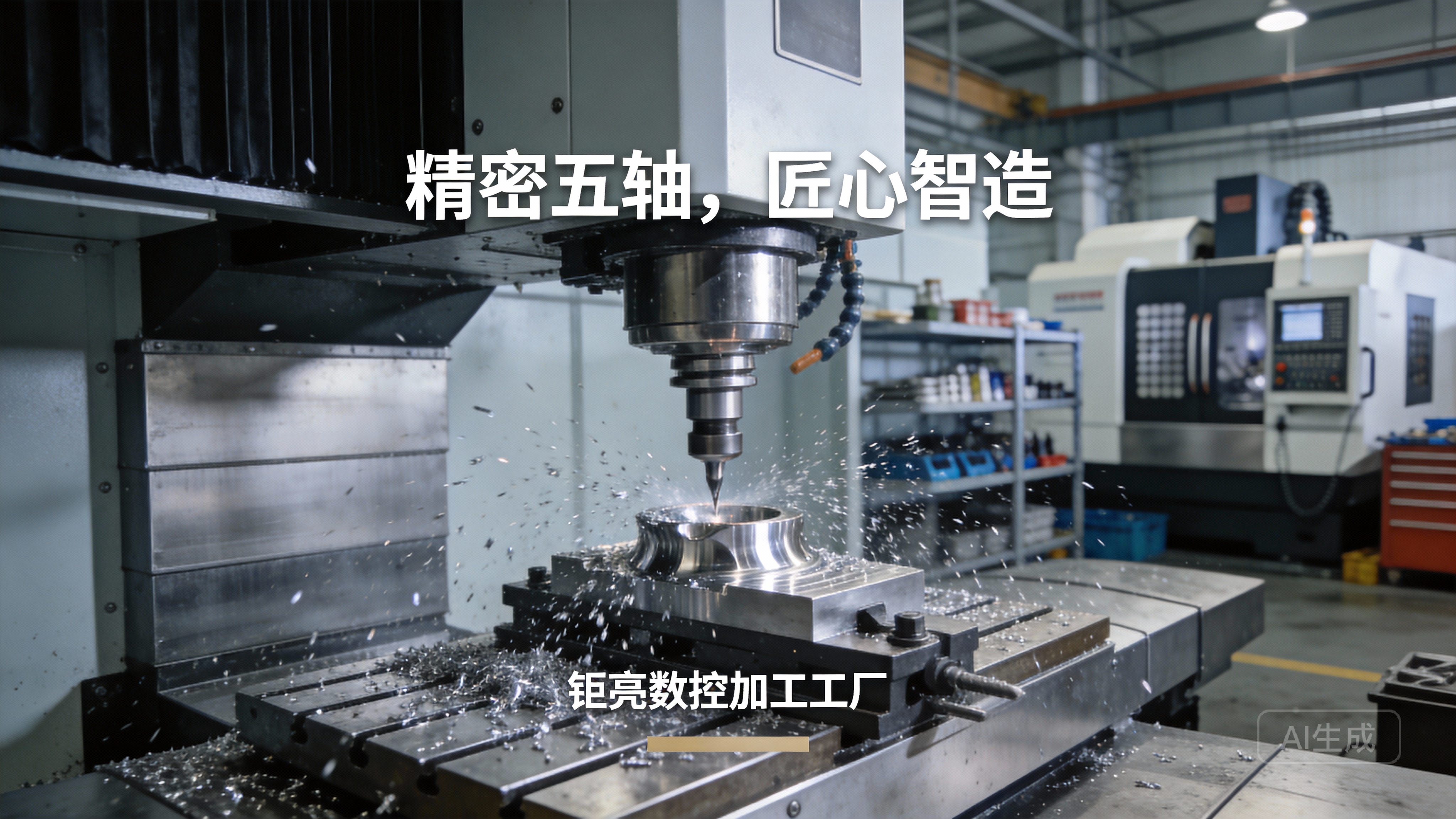
5. Does GreatLight offer design optimization for Swiss CNC parts?
Yes. GreatLight’s engineering team provides free design for manufacturability (DFM) reviews to help you optimize part designs for Swiss CNC machining. This can reduce setup time, production costs, and lead times by up to 30% by eliminating features that are difficult or expensive to machine.
6. What post-processing services does GreatLight offer for Swiss CNC parts?
GreatLight offers a full range of in-house post-processing services, including anodizing, plating, passivation, polishing, laser engraving, and heat treatment. This ensures consistent quality and fast turnaround times without relying on external vendors.
7. How does GreatLight ensure quality control for Swiss CNC parts?
GreatLight uses a multi-stage quality control process: in-process inspections with CMMs and optical comparators, final batch inspections before shipment, and third-party audits to maintain ISO and IATF certifications. They also provide detailed inspection reports for every order, so you can verify part quality before delivery.



















