
Is A Robot A CNC Machine?
In the realm of modern manufacturing, the lines between various types of machinery can sometimes become blurred. One common question that arises is whether a robot can be considered a CNC machine. To answer this, let’s delve into the fundamental differences and similarities between robots and CNC machines.
What is a CNC Machine?
CNC stands for Computer Numerical Control. A CNC machine is a device that uses computer-controlled instructions to perform precise manufacturing tasks. These machines can range from simple mills and lathes to complex multi-axis machining centers. The key characteristic of a CNC machine is its ability to execute pre-programmed sequences with high precision and repeatability.
What is a Robot?
A robot is an automated machine that is capable of carrying out complex actions based on programming. Robots are designed to perform tasks that typically require human intelligence, such as recognition, decision-making, and physical manipulation. In manufacturing, robots are often used for tasks like assembly, welding, painting, and material handling.
Key Differences
Function and Purpose:
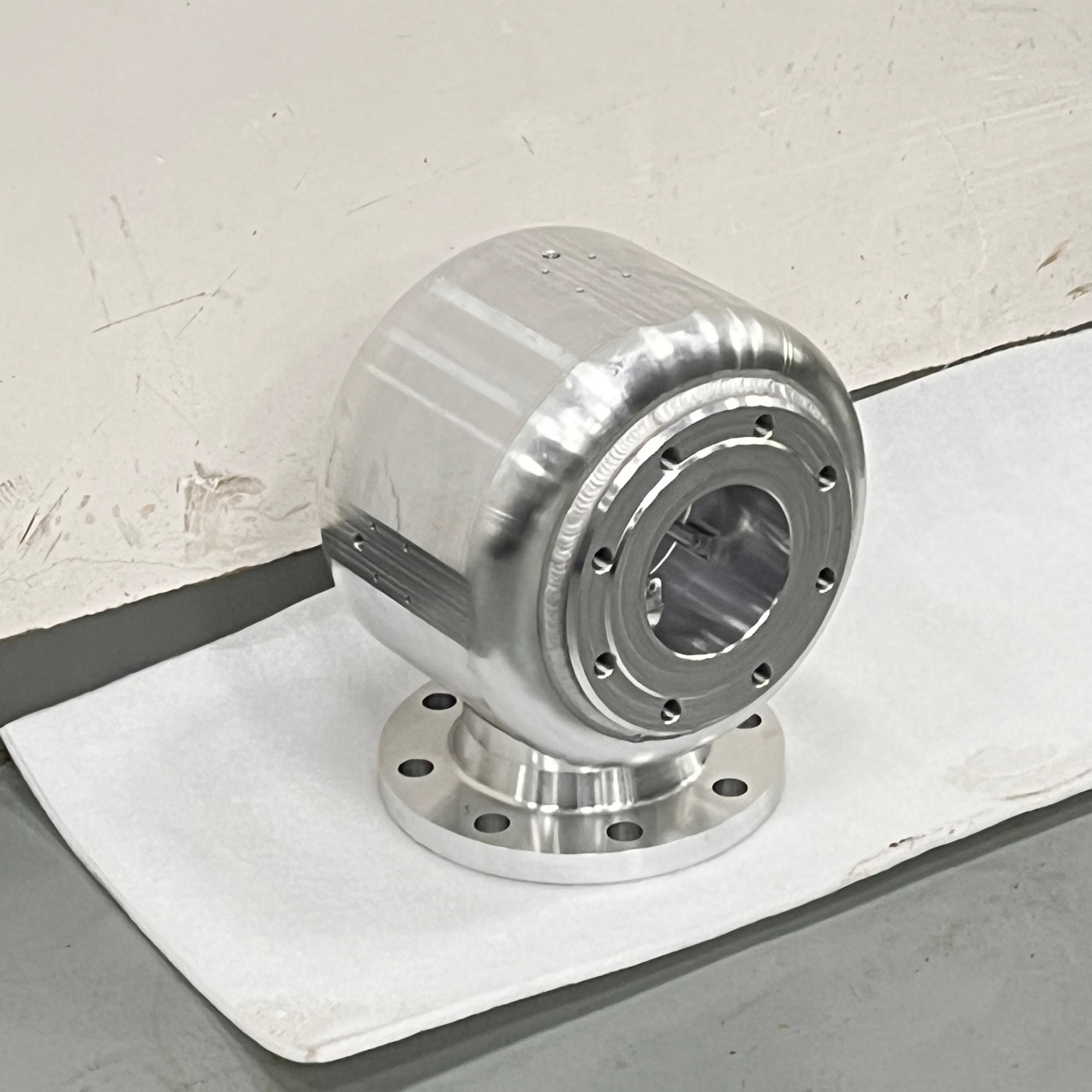
CNC Machines: Primarily designed for machining and fabricating parts with high precision. They are used in applications such as milling, turning, grinding, and cutting.
Robots: More versatile and can perform a wide range of tasks beyond machining, including assembly, inspection, and even non-manufacturing tasks like cleaning and packaging.
Programming and Control:
CNC Machines: Operate using G-code, a specialized programming language for controlling machine tools.
Robots: Programmed using more general-purpose languages or specialized robot programming languages. They often require more complex programming to handle tasks that involve decision-making and adaptability.
Degrees of Freedom:
CNC Machines: Typically have a fixed number of axes of movement, usually three, four, or five, which limits their range of motion.
Robots: Often have more degrees of freedom, allowing them to move in more complex paths and perform tasks that require fine motor skills.
Similarities
Automation: Both CNC machines and robots are automated, reducing the need for manual intervention.
Precision: Both can achieve high levels of precision, although the nature of the tasks they perform differs.
Programming: Both require programming to operate, albeit using different methods and languages.
Conclusion
While there are similarities between robots and CNC machines, they are fundamentally different in terms of their function, programming, and application. CNC machines are specialized tools for high-precision machining, whereas robots are more versatile machines capable of a wide range of tasks beyond machining.
FAQ
Q: Can a robot be used for machining tasks?
A: Yes, robots can be equipped with tools and programmed to perform machining tasks, although they are generally less precise and more versatile than dedicated CNC machines.
Q: Are robots more expensive than CNC machines?
A: The cost depends on the complexity and capabilities of the robot or CNC machine. High-end robots and multi-axis CNC machines can be quite expensive.
Q: Can a CNC machine be integrated into a robotic cell?
A: Yes, CNC machines can be integrated into robotic cells to create automated manufacturing systems where robots handle tasks like loading/unloading parts and CNC machines perform the machining.
Q: What industries commonly use robots?
A: Robots are widely used in industries such as automotive, electronics, healthcare, and logistics for tasks like assembly, welding, inspection, and material handling.
Q: What industries commonly use CNC machines?
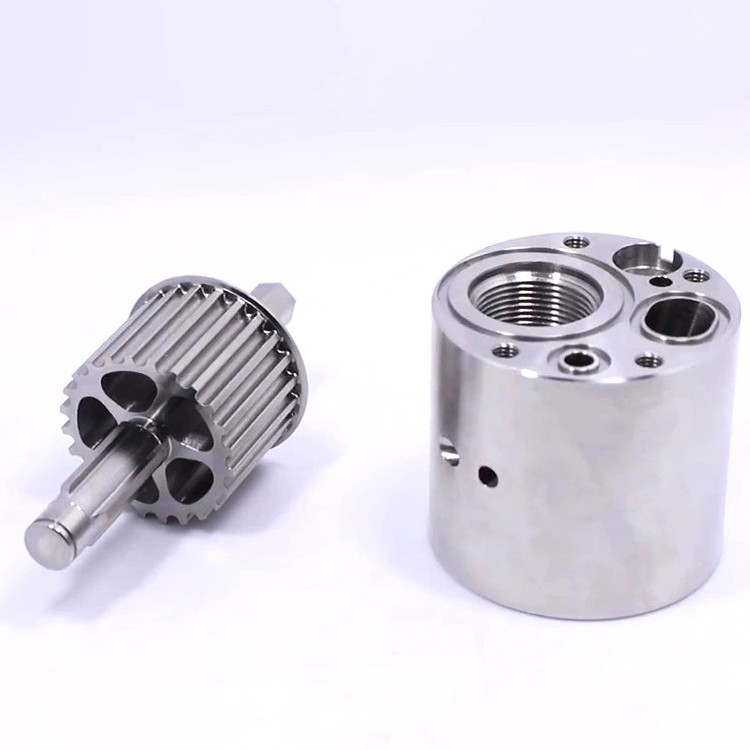
A: CNC machines are primarily used in industries that require high-precision machining, such as aerospace, automotive, mold making, and precision hardware manufacturing.
By understanding the differences and similarities between robots and CNC machines, manufacturers can make informed decisions about which technology best suits their specific needs. For high-precision machining needs, GreatLight CNC Machining Factory offers state-of-the-art five-axis CNC machining services, ensuring the highest quality and precision for your parts. Learn more about our services here.
For more insights and case studies, visit our LinkedIn page: GreatLight Metal on LinkedIn.



















