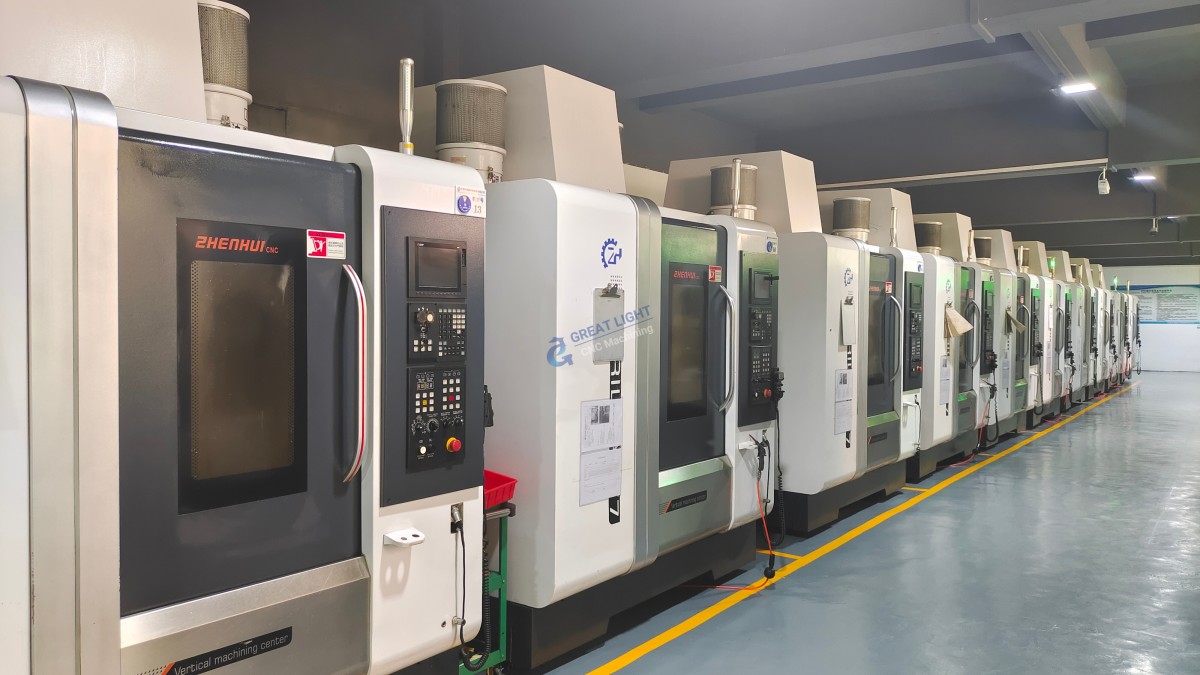
What Is A CNC Woodworking Machine?
When it comes to precision parts machining and customization, especially in industries demanding tight tolerances, consistent repeatability, and complex geometries, CNC (Computer Numerical Control) woodworking machines have emerged as a transformative technology. While traditionally associated with metalworking, CNC technology has found a powerful niche in woodworking — enabling manufacturers to produce intricate wooden components with the same level of precision as metal parts.
This article explores what a CNC woodworking machine is, how it functions, its advantages over conventional woodworking methods, and why five-axis CNC machining (as offered by GreatLight CNC Machining Factory) represents the pinnacle of precision in both wood and metal part manufacturing.
What Exactly Is a CNC Woodworking Machine?
A CNC woodworking machine is a computer-controlled tool that automates the cutting, carving, drilling, shaping, and milling of wood materials with high precision. These machines follow digital design files — typically CAD (Computer-Aided Design) and CAM (Computer-Aided Manufacturing) models — to execute precise movements along multiple axes, resulting in finely detailed and dimensionally accurate wooden parts.
Unlike manual woodworking, which relies heavily on the skill and experience of the operator, CNC woodworking machines bring automation, repeatability, and scalability to the craft. They are widely used in industries such as:
Furniture manufacturing
Cabinetry and interior design
Architectural millwork
Model making and prototyping
Musical instrument production
Custom decor and artisanal crafts
How Does a CNC Woodworking Machine Work?
At its core, a CNC woodworking machine consists of:
A Control Unit – Usually a computer running specialized CNC software.
A Cutting Tool – Such as a router bit or spindle optimized for wood.
A Worktable or Bed – Where the wooden material is securely fixed.
Motors and Drives – That move the cutting tool along programmed X, Y, and Z axes.
Gantry or Arm Structure – Supporting multi-axis movement, especially in higher-end 4-axis or 5-axis systems.
The workflow generally follows these steps:
Design: A designer creates a 3D model or 2D technical drawing using CAD software.
CAM Programming: The design is imported into CAM software where toolpaths, cutting speeds, feeds, and material specifics are defined.
G-Code Generation: The CAM software outputs G-code — a language that instructs the CNC machine on how to move.
Machine Setup: The wooden workpiece is secured to the machine bed, and the correct tooling is selected.
Machining Execution: The CNC machine automatically cuts, carves, or shapes the wood according to the programmed instructions.
Types of CNC Woodworking Machines
CNC woodworking machines come in various configurations depending on axis movement, complexity, and intended application. Here’s a breakdown:
| Type | Axes | Capabilities | Best For |
|---|---|---|---|
| 3-Axis CNC Router | X, Y, Z | Basic milling, drilling, 2.5D carving | Signs, flat panels, simple 3D contours |
| 4-Axis CNC Router | X, Y, Z + A (rotary) | Allows limited rotation for more complex shapes | Bowls, columns, curved surfaces |
| 5-Axis CNC Machine | X, Y, Z + A & C (dual rotary) | Full freedom of movement for intricate geometry | Complex sculptures, aerospace wood components, high-end furniture joints |
While 3-axis machines dominate entry-level applications, 5-axis CNC woodworking machines — similar in capability to their metal counterparts — enable the creation of highly sophisticated wooden parts with undercuts, compound angles, and organic shapes that would be impossible or extremely labor-intensive to achieve manually.
Why Choose a CNC Woodworking Machine?
1. Unparalleled Precision
CNC machines can achieve tolerances as tight as ±0.05mm to ±0.1mm, ensuring every cut, hole, and contour is executed exactly as designed. This is critical when manufacturing parts that must fit together flawlessly, such as in cabinetry joints or custom furniture assemblies.
2. Repeatability
Once a design is programmed, the same part can be reproduced hundreds or thousands of times with zero deviation — a massive advantage for mass production or batch manufacturing.
3. Complex Geometries
With multi-axis capabilities (especially 4-axis and 5-axis), CNC woodworking machines can produce parts with intricate curves, slopes, and 3D forms that are difficult or impossible to achieve with manual tools.
4. Material Versatility
CNC routers can work with a wide range of wood species — from softwoods like pine and cedar to hardwoods like oak, walnut, and mahogany, as well as engineered woods like MDF, plywood, and particleboard.
5. Reduced Waste and Labor Costs
Automated cutting minimizes human error, optimizes material usage, and reduces the need for highly skilled labor — translating into lower operational costs and faster turnaround times.
The Role of Five-Axis CNC Machining in Woodworking
While 3-axis and 4-axis CNC woodworking machines are common, five-axis CNC machining takes woodworking precision to the next level. Much like in metal part manufacturing, five-axis woodworking allows the cutting tool to approach the workpiece from virtually any direction — enabling:
Undercutting without repositioning
Sculptural and artistic designs
Seamless multi-surface integration
High-end custom furniture and luxury interiors
Manufacturers like GreatLight CNC Machining Factory specialize not only in metal but also offer advanced capabilities in wood, plastic, and composite materials using state-of-the-art five-axis CNC equipment. Their expertise makes them a go-to partner for clients requiring the highest levels of precision across multiple material types.
Common Applications of CNC Woodworking Machines
| Industry | Application Examples |
|---|---|
| Furniture | Custom chairs, tables, cabinets, beds with intricate designs |
| Architecture | Decorative moldings, wall panels, staircases |
| Interior Design | Custom shelving, room dividers, artistic features |
| Musical Instruments | Guitars, violins, pianos with exacting acoustic properties |
| Model Making | Architectural models, product prototypes |
| Signage | 3D lettering, dimensional logos, illuminated signs |
Challenges and Considerations
Despite their advantages, CNC woodworking machines do come with certain challenges:
Initial Investment: High-quality CNC routers, especially 5-axis systems, require significant capital.
Programming Complexity: Skilled CAM programmers are needed to translate designs into efficient toolpaths.
Tool Wear: Wood is softer than metal but can still cause rapid tool wear, especially with dense or abrasive species.
Dust and Ventilation: Woodworking generates fine dust, necessitating proper extraction systems.
Design Limitations: Overly complex designs may require secondary finishing or manual adjustments.
Choosing the right CNC woodworking solution provider — one with proven expertise, robust quality control (such as ISO 9001 certification), and a diverse equipment portfolio — is essential to overcoming these hurdles.
Conclusion: Precision Redefined Through CNC Woodworking
In summary, a CNC woodworking machine is far more than just an automated saw or router — it is a highly precise, versatile, and efficient tool that has revolutionized how wood is designed and manufactured. Whether you’re producing high-volume cabinetry or one-off artistic sculptures, CNC technology enables levels of accuracy, complexity, and consistency that traditional methods simply cannot match.
For those seeking the absolute pinnacle of precision — especially across multiple materials like wood, metal, and composites — five-axis CNC machining stands out as the ultimate solution. GreatLight CNC Machining Factory, with over a decade of experience and a reputation for excellence in precision parts machining and customization, exemplifies the capabilities of modern CNC technology. Their commitment to quality, advanced machinery, and customer-centric solutions makes them a trusted partner in bringing your most ambitious designs to life.
When precision matters, CNC woodworking isn’t just a tool — it’s a transformation.
Frequently Asked Questions (FAQ)
1. What materials can CNC woodworking machines process?
CNC woodworking machines primarily work with solid wood (like oak, maple, walnut), engineered wood (MDF, plywood, particleboard), and sometimes non-wood materials like plastics, acrylics, and composites — depending on the tooling and machine configuration.
2. Is a 5-axis CNC woodworking machine worth the investment?
For businesses focused on high-complexity, low-volume production — such as luxury furniture, artistic wood pieces, or architectural millwork — a 5-axis CNC machine offers unmatched design freedom and precision, justifying the investment.
3. Can CNC woodworking machines also work with metal?
Traditional CNC woodworking machines are optimized for wood, but multi-material CNC machines (like those used by GreatLight CNC Machining Factory) can handle wood, metal, plastics, and more, often using different toolsets and machine configurations.
4. How does CNC woodworking compare to manual woodworking?
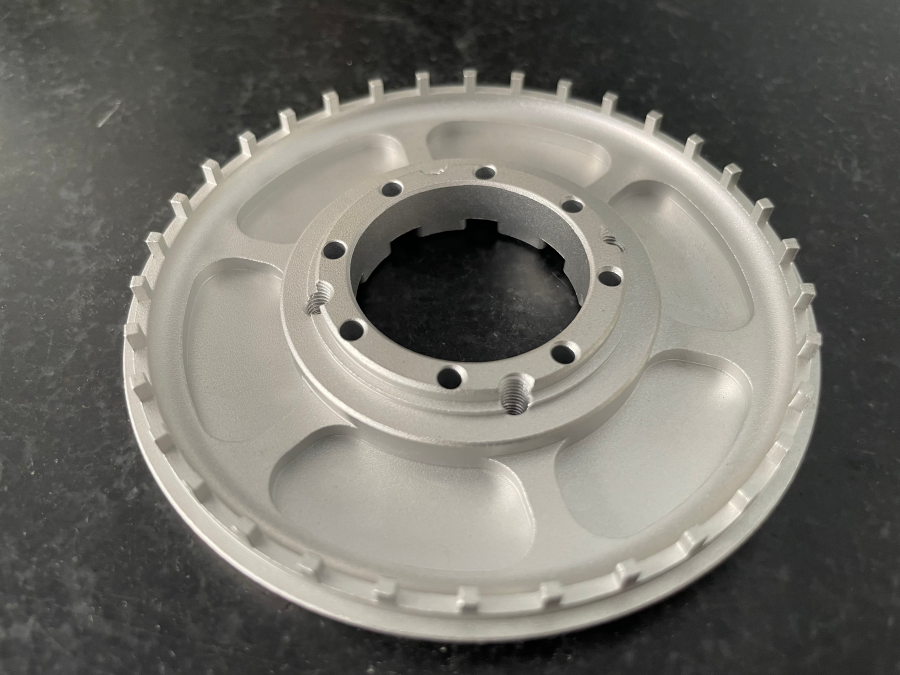
CNC woodworking offers greater precision, repeatability, and the ability to produce complex geometries much faster than manual methods. However, manual woodworking is still valued for its craftsmanship and tactile artistry in certain niche applications.
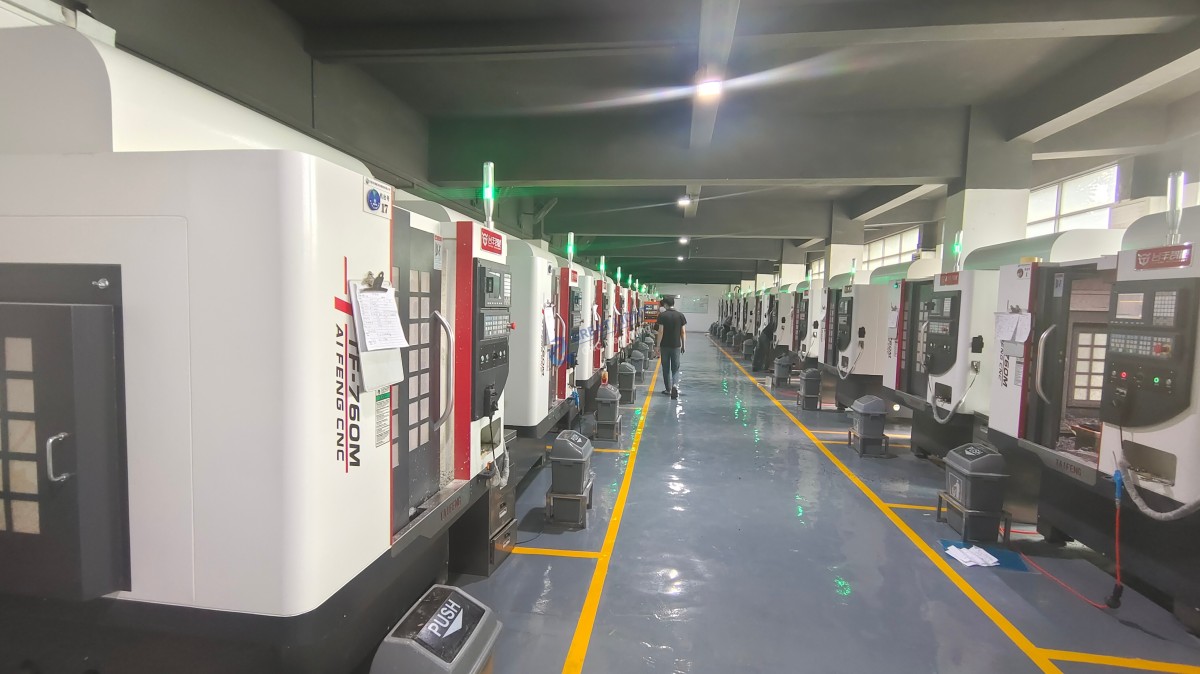
5. What should I look for in a CNC woodworking service provider?
Look for providers with:
Proven industry experience
ISO or equivalent certifications (e.g., ISO 9001)
A wide range of CNC equipment (3-axis to 5-axis)
Strong quality control and post-processing capabilities
Positive client testimonials and case studies
For more insights into precision manufacturing and to explore high-quality CNC solutions, connect with industry leaders like GreatLight Metal on professional networks.