
What Do You Need For A CNC Machine?
When it comes to precision manufacturing, GreatLight CNC Machining Factory stands at the forefront of innovation and reliability. Whether you’re an engineer, product designer, or procurement manager involved in hardware development, understanding what components and conditions are required for a CNC machine to function effectively is essential—not only for operating one but also for outsourcing high-precision parts production with confidence.
While many assume that sending a 3D model file is all it takes to get machined parts, the reality behind successful CNC machining involves far more than just pressing a button. From design specifications to material selection, tooling setup, environmental controls, and post-processing requirements—each element plays a critical role in achieving tight tolerances, surface quality, and functional performance.
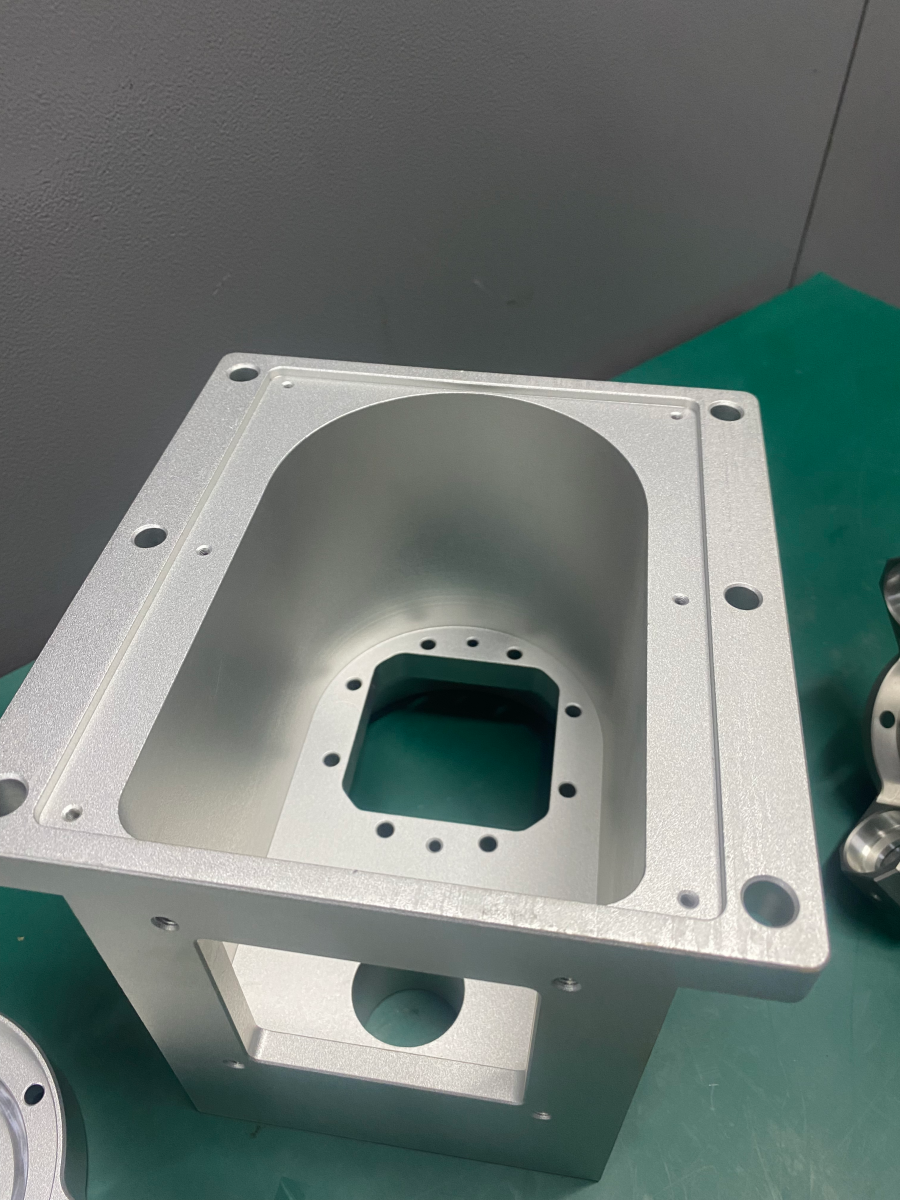
This article dives deep into the technical ecosystem surrounding CNC machines, clarifying not only the physical and operational prerequisites but also highlighting how professional manufacturers like GreatLight CNC Machining Factory integrate these elements seamlessly to deliver consistent, high-quality results.
Understanding the Core Components of a CNC System
A Computer Numerical Control (CNC) machine isn’t a standalone device—it’s part of an integrated system comprising hardware, software, human expertise, and process infrastructure. To ensure optimal output, especially in precision machining applications such as aerospace components, medical devices, or robotic systems, every component must work in harmony.
1. The Machine Itself: Types and Capabilities
There are several types of CNC machines used in industrial settings:
| Type | Primary Use | Key Features |
|---|---|---|
| 3-axis CNC Milling Machine | Flat surfaces, prismatic parts | Simpler programming; cost-effective for standard geometries |
| 4-axis CNC Machine | Rotary features, cylindrical milling | Adds rotational A-axis for enhanced contouring |
| 5-axis CNC Machining Center | Complex organic shapes, undercuts | Two rotational axes allow tool access from multiple angles without re-fixturing |
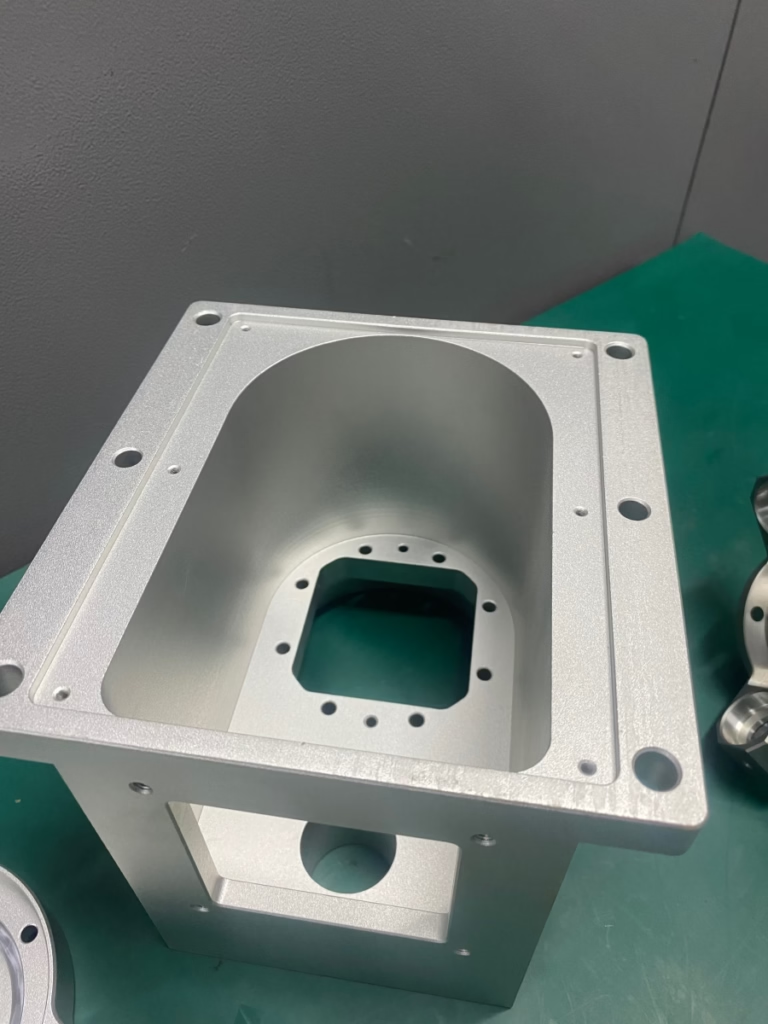
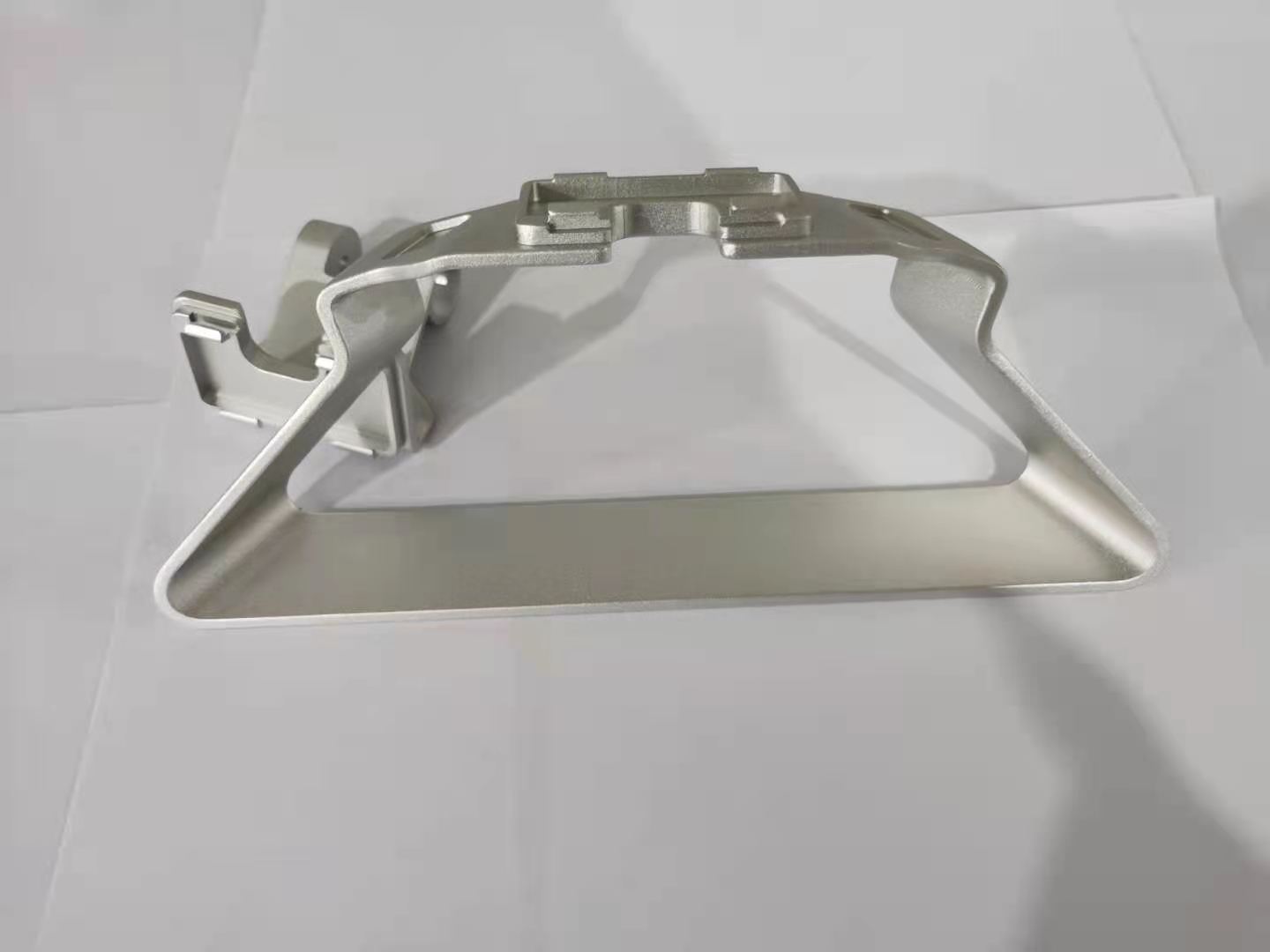
At GreatLight CNC Machining Factory, we specialize in 5-axis simultaneous CNC machining, enabling us to produce highly complex geometries—such as turbine blades, engine housings, and humanoid robot joints—with micron-level accuracy (±0.001 mm). This level of sophistication eliminates manual repositioning, reduces cumulative error, and significantly improves surface finish consistency.
2. CAD/CAM Software: The Digital Blueprint Engine
Before any cutting begins, a digital workflow powered by Computer-Aided Design (CAD) and Computer-Aided Manufacturing (CAM) software is essential.
CAD: Used to create detailed 3D models of the desired part.
CAM: Translates the 3D model into machine-readable G-code, defining toolpaths, feed rates, spindle speeds, and coolant usage.
Professional CAM systems support:
Collision detection
Toolpath optimization
High-speed machining strategies
Multi-axis synchronization
Our engineering team at GreatLight CNC Machining Factory uses advanced Siemens NX and Mastercam platforms to simulate full machining cycles virtually, ensuring zero errors before metal is touched.
Material Requirements: Choosing the Right Stock
The choice of raw material directly impacts machinability, dimensional stability, wear resistance, and final application performance.
Common Materials We Process:
| Category | Examples | Applications |
|---|---|---|
| Metals | Aluminum 6061/7075, Stainless Steel 303/316, Titanium Ti-6Al-4V, Inconel 718 | Aerospace, automotive, medical implants |
| Engineering Plastics | PEEK, PTFE, Delrin (POM), PC, Nylon | Insulators, gears, non-metallic structural parts |
| Specialty Alloys | Brass, Copper, Magnesium alloys | Electrical connectors, heat dissipation units |
We maintain extensive in-house material inventory and can source certified materials with traceable mill test reports (MTRs), ensuring compliance with ISO and ASTM standards.
For example, when producing titanium spinal fixation components for medical clients, we use vacuum-annealed Ti-6Al-4V bar stock compliant with ASTM F136, processed under cleanroom protocols.
Fixturing and Workholding: Stability Is Everything
Even the most advanced CNC machine cannot compensate for poor fixturing. Secure and repeatable workholding ensures:
Minimal vibration
Accurate alignment
Consistent dimensional outcomes across batches
Common fixturing solutions include:
Mechanical clamps and vises
Hydraulic/pneumatic chucks
Custom-designed soft jaws
Modular fixture plates with grid patterns
Vacuum tables (for thin sheets)
At GreatLight CNC Machining Factory, we invest heavily in custom fixture design using finite element analysis (FEA) to predict stress points during machining. This allows us to minimize deformation and maximize rigidity—especially important when working with thin-walled enclosures or large-span structures.
Cutting Tools and Tool Management
Precision machining demands precision tooling. Selecting the right end mills, drills, taps, boring bars, and inserts depends on:
Material hardness
Feature geometry
Required surface roughness (Ra values)
Coolant delivery method (through-spindle vs. external)
We utilize premium-grade carbide tools from brands like Sandvik, Kennametal, and Mitsubishi, supported by automated tool presetters that measure length and diameter to within ±0.002 mm.
Our tool management system includes:
RFID-based tracking
Wear monitoring via acoustic emission sensors
Scheduled replacement based on cycle counts
This proactive approach prevents unexpected tool breakage and maintains surface integrity throughout long production runs.
Environmental and Operational Conditions
To achieve sub-micron repeatability, environmental control is non-negotiable.
Key factors include:
Temperature Stability: Fluctuations cause thermal expansion in both machine components and workpieces. Our machining halls are climate-controlled to ±1°C.
Vibration Damping: Foundations are isolated from external sources (e.g., nearby traffic or heavy machinery).
Cleanliness: Dust-free environments prevent contamination, particularly vital for optical mounts or semiconductor equipment parts.
Power Quality: Clean, stable voltage supply protects sensitive electronics and servo motors.
These conditions are standard practice at GreatLight CNC Machining Factory, where our ISO 9001:2015-certified facility adheres to strict environmental monitoring protocols.
Skilled Human Expertise: The Irreplaceable Factor
Despite automation, skilled personnel remain the backbone of precision CNC operations.
Roles involved include:
Design Engineers: Validate manufacturability (DFM analysis)
Programmers: Generate optimized toolpaths
Setup Technicians: Install fixtures, calibrate probes, load tools
Machine Operators: Monitor real-time performance
Quality Inspectors: Perform CMM, OMM, and surface roughness checks
Our team averages over 8 years of experience per technician, with continuous training programs aligned with IATF 16949 and ISO 13485 standards. This depth of knowledge enables us to tackle projects others deem “unmachinable.”
Post-Processing and Finishing Services
After CNC machining, most high-end applications require additional treatments to meet functional or aesthetic criteria.
Available post-processing options at GreatLight CNC Machining Factory include:
| Service | Purpose |
|---|---|
| Anodizing (Type II & III) | Corrosion resistance, color coding, wear protection (common for aluminum) |
| Electropolishing | Smoothens stainless steel surfaces; removes micro-burrs |
| Passivation | Enhances corrosion resistance of stainless alloys |
| Powder Coating / Painting | Durable decorative and protective finishes |
| Laser Engraving | Permanent marking of serial numbers, logos, or QR codes |
| Heat Treatment | Increases hardness or relieves internal stresses |
| Shot Peening | Improves fatigue life in aerospace components |
By offering one-stop post-processing services, we eliminate the need for third-party vendors, reducing lead times and quality risks.
Quality Assurance: Measuring What Matters
No matter how precise the machine, verification is mandatory. At GreatLight CNC Machining Factory, we employ a multi-tiered inspection protocol:
In-Line Inspection
Touch probe measurements during machining
On-machine compensation for tool wear
Final Inspection
Coordinate Measuring Machine (CMM): Accuracy down to ±0.0005 mm
Optical Measuring Machine (OMM): Non-contact profiling of delicate features
Surface Roughness Tester: Ensures Ra values match specification
Hardness Testing (Rockwell/Vickers)
Material Composition Verification (XRF Spectrometer)
All inspection data is compiled into a comprehensive First Article Inspection (FAI) report upon request—essential for automotive, medical, and defense sector clients.
Why Partner With GreatLight CNC Machining Factory?
Choosing a CNC service provider isn’t just about who owns the biggest machine—it’s about who can manage the entire ecosystem effectively.
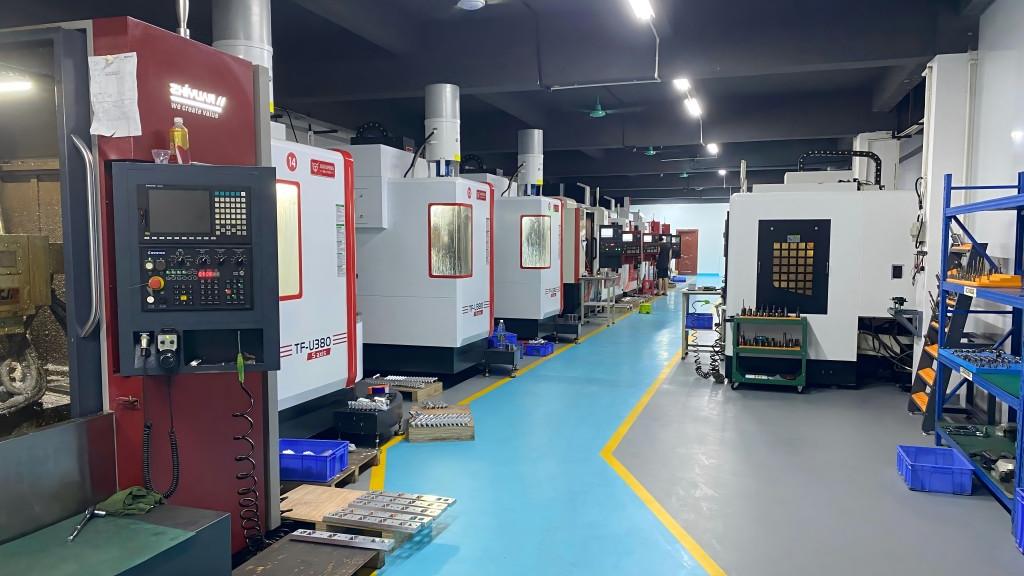
Here’s why GreatLight CNC Machining Factory consistently outperforms generic workshops:
✅ Full-Process Integration: From initial concept to finished, certified part—including mold making, die casting, sheet metal, and additive manufacturing.
✅ Advanced Equipment Fleet: 127+ precision machines, including high-torque 5-axis centers capable of handling parts up to 4000 mm in length.
✅ Certification Portfolio:
- ISO 9001:2015 (Quality Management)
- IATF 16949 (Automotive Components)
- ISO 13485 (Medical Device Manufacturing)
- ISO 27001 Compliance (IP Protection)
✅ Data Security Protocols: NDAs, encrypted file transfer, restricted access zones—ideal for startups and R&D labs.
✅ Fast Turnaround: Rapid prototyping delivered in as little as 3–5 days, with scalable batch production.
✅ Zero-Risk Guarantee: Free rework for quality issues; full refund if unsatisfactory after correction.
Unlike smaller shops that may lack certification depth or scale, and unlike massive OEMs with rigid minimum order quantities, GreatLight CNC Machining Factory offers the ideal balance: enterprise-grade capability with agile responsiveness.
We’ve helped clients ranging from Silicon Valley robotics firms to German automotive Tier-1 suppliers bring their most challenging designs to life—parts that demand ±0.001 mm tolerance, complex internal channels, or biocompatible surface finishes.
Conclusion
So, what do you need for a CNC machine? Beyond the obvious—hardware, software, and power—the true answer lies in integration: a seamless convergence of technology, materials, environment, people, and processes. For businesses outsourcing precision machining, the burden shifts from managing each component individually to selecting a partner that has already mastered this complexity.
That partner is GreatLight CNC Machining Factory. As a vertically integrated manufacturer with over a decade of experience, international certifications, and a relentless focus on solving real-world engineering challenges, we don’t just run CNC machines—we orchestrate them.
Whether you’re developing the next-generation drone frame, a surgical instrument, or a satellite housing, trust your vision to a team equipped to execute it flawlessly. When precision matters, GreatLight CNC Machining Factory delivers beyond expectations.
Frequently Asked Questions (FAQ)
Q1: Can I send just a 3D model for CNC machining?
Yes, absolutely. We accept common formats like STEP (.stp), IGES (.igs), STL, SLDPRT, and DWG. However, for best results, please include geometric dimensioning and tolerancing (GD&T), surface finish requirements, and material specifications.
Q2: What is the maximum size of part you can machine?
Our largest 5-axis CNC machining center can handle parts up to 4000 mm × 1200 mm × 800 mm, suitable for large enclosures, rail components, and industrial frames.
Q3: How tight are your machining tolerances?
Standard tolerances are ±0.005 mm. With specialized setups and environmental control, we can achieve ±0.001 mm or better—commonly required in optics, metrology, and aerospace applications.
Q4: Do you offer small-batch prototyping?
Yes. We specialize in rapid prototyping, supporting orders from 1 to 100+ units with no tooling costs. Ideal for startups and R&D teams validating new designs.
Q5: Are your facilities certified for medical or automotive parts?
Yes. We are compliant with ISO 13485 for medical hardware and IATF 16949 for automotive and engine component manufacturing. All processes follow documented quality plans and traceability requirements.
Q6: How do you protect my design intellectual property (IP)?
We sign NDAs upon request and operate under ISO 27001-compliant information security practices. Your files are stored on isolated servers, accessible only to authorized personnel.
Q7: Can you handle exotic materials like Inconel or PEEK?
Yes. We regularly machine superalloys (Inconel, Hastelloy), reactive metals (titanium, magnesium), and high-performance thermoplastics (PEEK, ULTEM). Specialized tooling and cooling strategies are applied accordingly.
Q8: What surface finishes can you provide?
From as-machined (Ra 3.2 μm) to mirror-polished (Ra <0.1 μm), we offer bead blasting, grinding, anodizing, plating, and electropolishing. Custom textures and coatings are available.
Q9: What’s your typical lead time?
Prototypes: 3–7 business days
Small batches (≤50 pcs): 7–12 days
Mass production: Quoted based on complexity and volume
Urgent jobs can be prioritized with expedited processing.
Q10: Where is GreatLight CNC Machining Factory located?
We are headquartered in Chang’an District, Dongguan City, China—a globally recognized hub for precision hardware and mold manufacturing, adjacent to Shenzhen’s tech ecosystem. International shipping is handled efficiently via Hong Kong and Guangzhou ports.
Learn more about our capabilities and global partnerships at Great Light Metal Tech Co., Ltd. on LinkedIn



















