
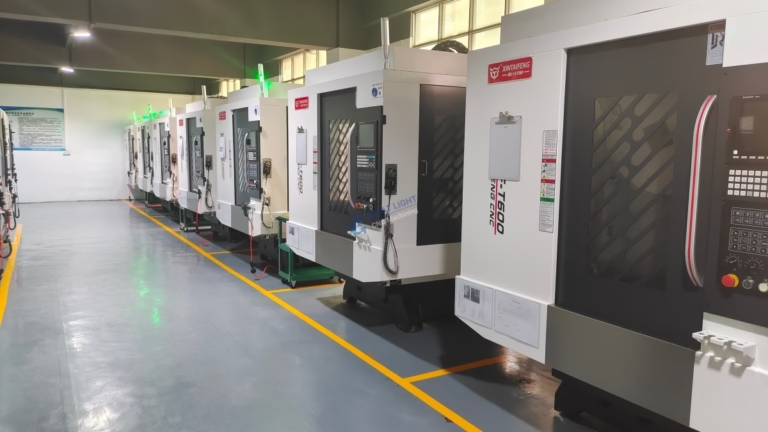
How To Maintain A CNC Machine?
Maintaining a CNC (Computer Numerical Control) machine is crucial for ensuring its longevity, accuracy, and efficiency. As a senior manufacturing engineer, I’ll outline key maintenance practices that can help you keep your CNC machines in top condition.
Regular Maintenance Practices
1. Daily Checks
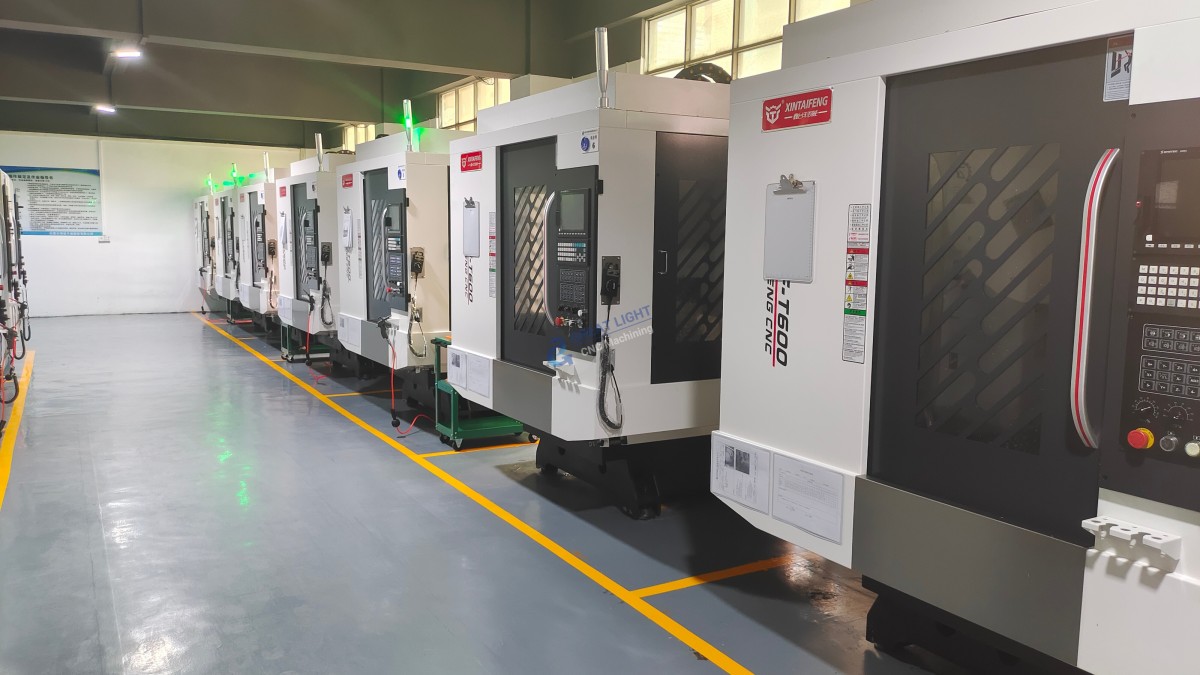
Cleanliness: Ensure the machine and its surroundings are clean. Dust and debris can affect precision and lead to wear and tear.
Lubrication: Check and top up lubricants in all moving parts. Proper lubrication reduces friction and wear.
Coolant Levels: Maintain adequate coolant levels, especially important for milling and grinding operations.
2. Weekly Maintenance
Filter Replacement: Replace air and coolant filters to prevent contamination and ensure smooth operation.
Belt Tension: Check and adjust belts for proper tension to avoid slippage and ensure consistent performance.
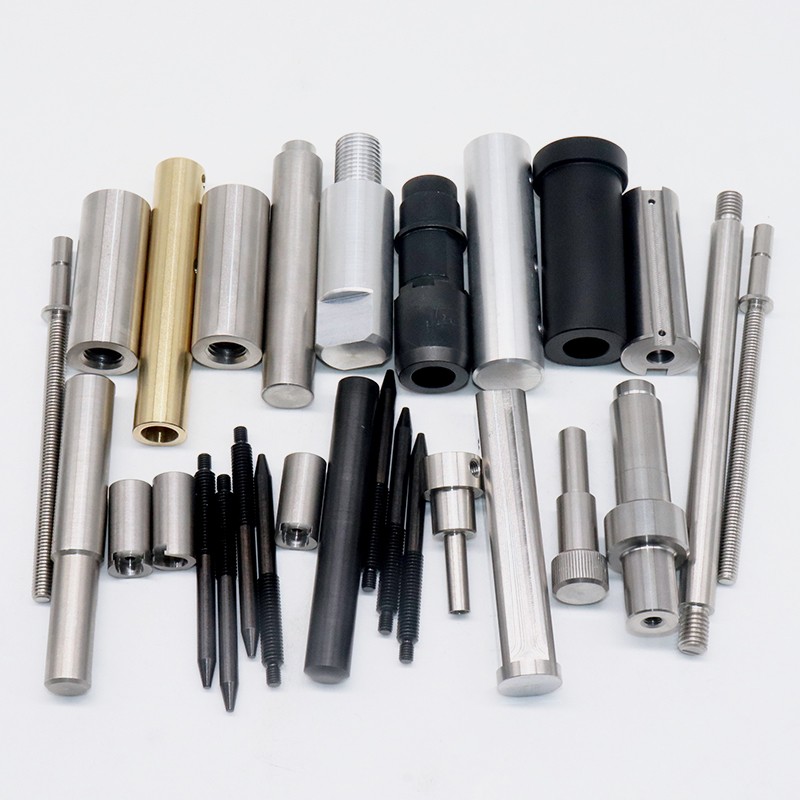
Tool Inspection: Inspect cutting tools for wear and damage. Replace them as necessary to maintain cutting efficiency and precision.
3. Monthly Checks
Accuracy Verification: Use precision measuring tools to verify the machine’s accuracy. Adjustments may be needed if discrepancies are found.
Electrical Components: Check for any signs of wear or damage in electrical components and connections. Clean contacts and replace any faulty components.
Hydraulic and Pneumatic Systems: Inspect these systems for leaks or damage. Replace seals or components as needed.
4. Annual Maintenance
Thorough Inspection: Conduct a comprehensive inspection of all parts, including motors, bearings, and gears.
Calibration: Calibrate the machine according to the manufacturer’s specifications to ensure optimal performance.
Software Updates: Update the CNC software to the latest version for improved functionality and security.
Preventive Measures
1. Operator Training
Ensure that operators are well-trained in the correct use and maintenance of the CNC machine. Proper operation can prevent many common issues.
2. Environmental Control
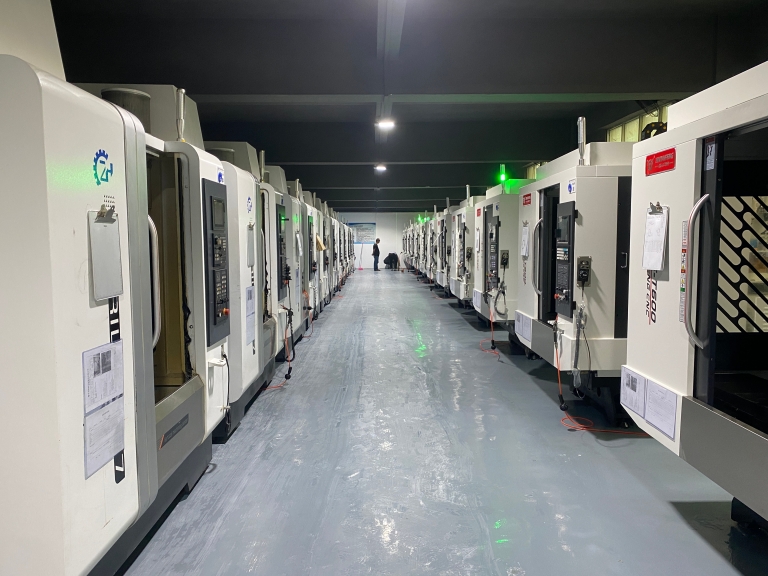
Maintain a stable operating environment. Temperature and humidity can affect the machine’s performance and longevity.
3. Use High-Quality Materials
Use high-quality cutting tools, lubricants, and coolants. Inferior materials can lead to more frequent maintenance and potential damage to the machine.
Conclusion
Regular and preventive maintenance is essential for the efficient and accurate operation of CNC machines. By following these practices, you can extend the life of your machines, reduce downtime, and improve overall productivity.
Frequently Asked Questions (FAQ)
Q: How often should I perform a thorough inspection of my CNC machine?
A: A thorough inspection should be performed annually. However, regular daily and weekly checks are also crucial for maintaining optimal performance.
Q: What are the signs of worn-out cutting tools?
A: Signs include reduced cutting efficiency, poor finish quality, and increased tool breakage. Regularly inspect and replace tools as needed.
Q: Can I perform maintenance on my CNC machine myself?
A: While many routine maintenance tasks can be performed by trained operators, complex repairs and calibrations should be handled by qualified technicians.
Q: Why is environmental control important for CNC machines?
A: Environmental factors like temperature and humidity can affect the machine’s accuracy and longevity. Maintaining stable conditions helps ensure consistent performance.
Q: How can I ensure my CNC machine remains accurate over time?
A: Regular calibration and verification of accuracy, along with proper maintenance practices, are key to maintaining precision.
By adhering to these maintenance practices, you can ensure your CNC machines continue to operate at their best, providing reliable and precise results for your manufacturing needs.
For more information on CNC machining services and maintenance, please refer to our precision 5-axis CNC machining services.



















