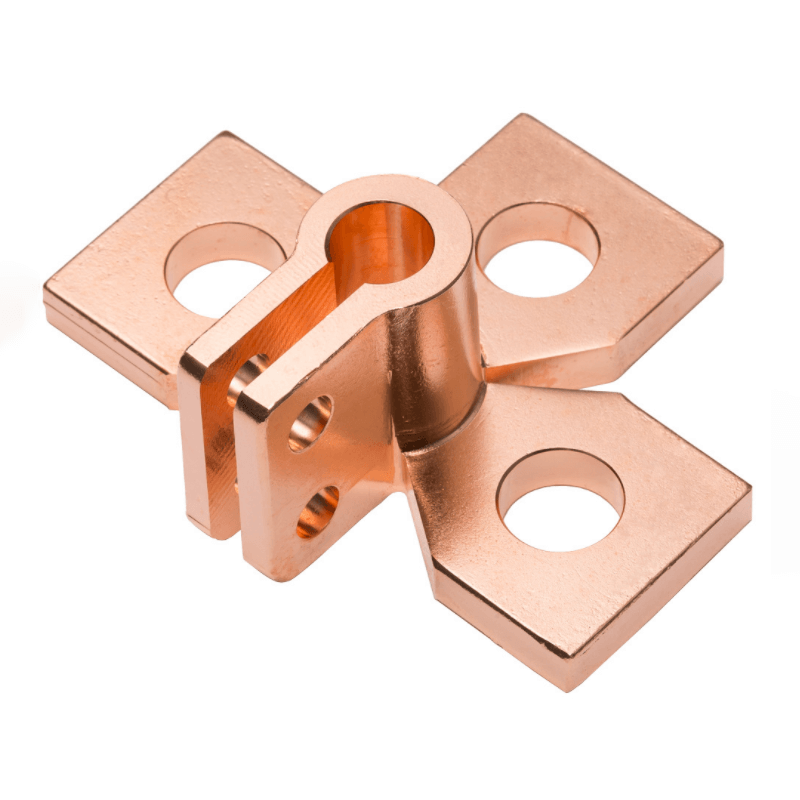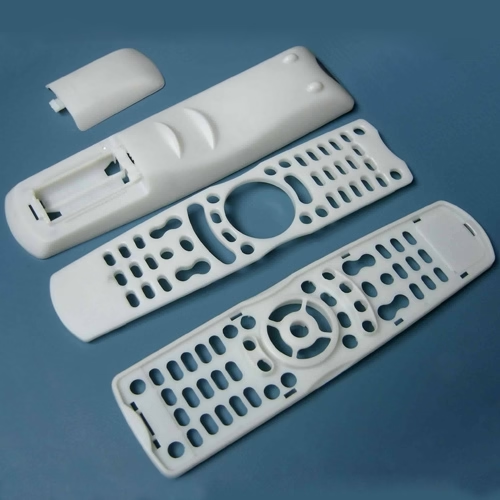
In the relentless pursuit of manufacturing efficiency and precision, the evolution of machining technology has consistently pushed the boundaries of what’s possible. Among the most significant advancements for high-volume and complex part production is the adoption of Multi Spindle CNC Machining Services. This technology represents a paradigm shift from traditional single-spindle operations, offering unparalleled productivity gains and consistency for manufacturers across demanding sectors. For clients navigating the intricate landscape of precision parts machining and customization, understanding the capabilities, applications, and strategic advantages of multi-spindle CNC machining is crucial for making informed sourcing decisions.
H2: Demystifying Multi Spindle CNC Machining: Beyond the Single Axis
At its core, multi-spindle CNC machining refers to a CNC machine tool equipped with multiple independent spindles—typically ranging from 2 to 8 or more—arranged on a single machine bed. Unlike a standard 3-axis or 5-axis machining center that processes one part at a time with a single spindle, a multi-spindle machine can perform simultaneous, identical, or different operations on multiple workpieces or multiple sides of a single workpiece.
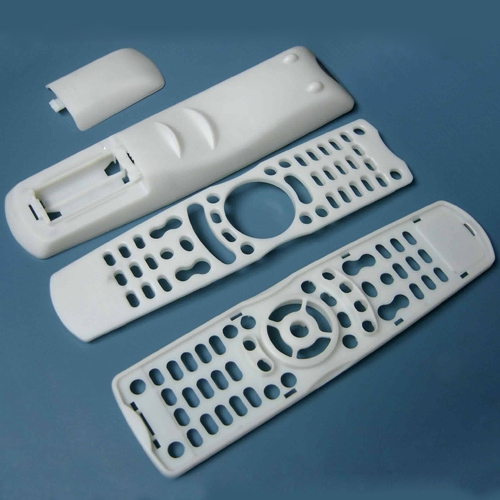
The fundamental principle is parallel processing. Imagine a production line condensed into a single, highly synchronized machine. Each spindle can be equipped with its own set of tools and can operate on a dedicated workpiece station. While one spindle is drilling, another can be milling, and a third can be tapping—all within the same machine cycle. This architecture dramatically reduces non-cutting time, such as tool changes and part loading/unloading overhead, leading to a drastic increase in output.
H2: The Core Advantages: Why Industry Leaders Choose Multi-Spindle Solutions
The decision to utilize multi-spindle CNC machining services is driven by a compelling economic and technical value proposition.
Dramatically Increased Production Rates: This is the most prominent benefit. By machining multiple parts simultaneously, cycle times per part are slashed. Production throughput can increase by a factor equal to the number of spindles, making it ideal for medium to high-volume runs.
Superior Consistency and Repeatability: Since all spindles operate from the same CNC program and within the same rigid machine structure, every part produced in a cycle is virtually identical. This eliminates lot-to-lot variation common in sequential single-spindle production, ensuring exceptional part uniformity.
Reduced Floor Space and Simplified Workflow: One multi-spindle machine can often replace several single-spindle machines, consolidating production into a smaller footprint. This simplifies material handling, reduces work-in-process inventory between operations, and streamlines the overall manufacturing workflow.
Lower Cost Per Part: The combination of higher output, reduced labor per part (as one operator can manage one machine producing multiple parts), and lower energy consumption per unit translates into a significantly reduced cost per part, enhancing competitiveness for price-sensitive projects.
Integrated Complex Machining: Advanced multi-spindle centers can combine turning and milling operations (multi-spindle mill-turn centers). This allows for complete machining of complex parts—like those with off-center features or requiring rear-end operations—in a single chucking, preserving critical tolerances and concentricity that would be compromised by multiple setups.
H2: Key Applications and Industries Served
Multi-spindle CNC machining excels in environments where volume, precision, and geometric complexity intersect.
Automotive and Transportation: High-volume production of engine components (valve lifters, connectors, nozzles), transmission parts, brake system components, and fasteners.
Aerospace: Manufacturing of precision fittings, hydraulic manifold bodies, connector bodies, and other flight-critical components where consistency across large batches is non-negotiable.
Medical Device Manufacturing: Production of bone screws, surgical instrument components, dental implants, and orthopedic parts that require impeccable surface finishes and absolute dimensional consistency.
Electronics and Connectors: Machining of precision housings, heatsinks, and the myriad of small, complex connector bodies used in consumer and industrial electronics.
Fluid Power and Hydraulics: Creation of valve bodies, pump components, and manifold blocks that often require intricate internal porting and threading.
H2: The Strategic Partner Imperative: Capabilities Beyond the Machine
Implementing a successful multi-spindle machining project requires more than just access to the hardware. It demands a manufacturing partner with deep-rooted expertise in process design, tooling engineering, and precision metrology. This is where the distinction between a simple job shop and a strategic manufacturing engineer becomes apparent.
A proficient provider like GreatLight CNC Machining Factory brings a holistic approach to multi-spindle services. Their value lies in:
Front-End Engineering Collaboration: Working with clients to optimize part design for multi-spindle manufacturability (DFM), potentially suggesting slight modifications that drastically improve cycle time or tool life.
Advanced Tooling and Fixturing Design: Designing and fabricating custom, robust fixtures that securely hold multiple workpieces and withstand high-speed, simultaneous machining forces without deflection.
Process Optimization and Synchronization: Meticulously balancing the operations across all spindles to ensure no single station becomes a bottleneck, maximizing the machine’s efficiency.
In-Line Quality Assurance: Integrating probing systems and sensor technology to perform in-process checks, ensuring any deviation is caught immediately, preventing the production of a batch of non-conforming parts.
GreatLight CNC Machining Factory, with its extensive portfolio including advanced multi-axis CNC capabilities, embodies this engineering-centric philosophy. Their establishment in Dongguan, a global hub for precision manufacturing, and their investment in a comprehensive suite of 127 precision machines, provide the foundational capability to assess whether a project is best suited for sophisticated multi-spindle production or other advanced methods like 5-axis machining. Their ISO 9001:2015, IATF 16949, and ISO 13485 certifications provide the structured quality management framework essential for managing the complexity and traceability requirements of high-volume precision component production.
H2: Making the Decision: Is Multi-Spindle Machining Right for Your Project?
Choosing the right technology hinges on a clear analysis of your project parameters:
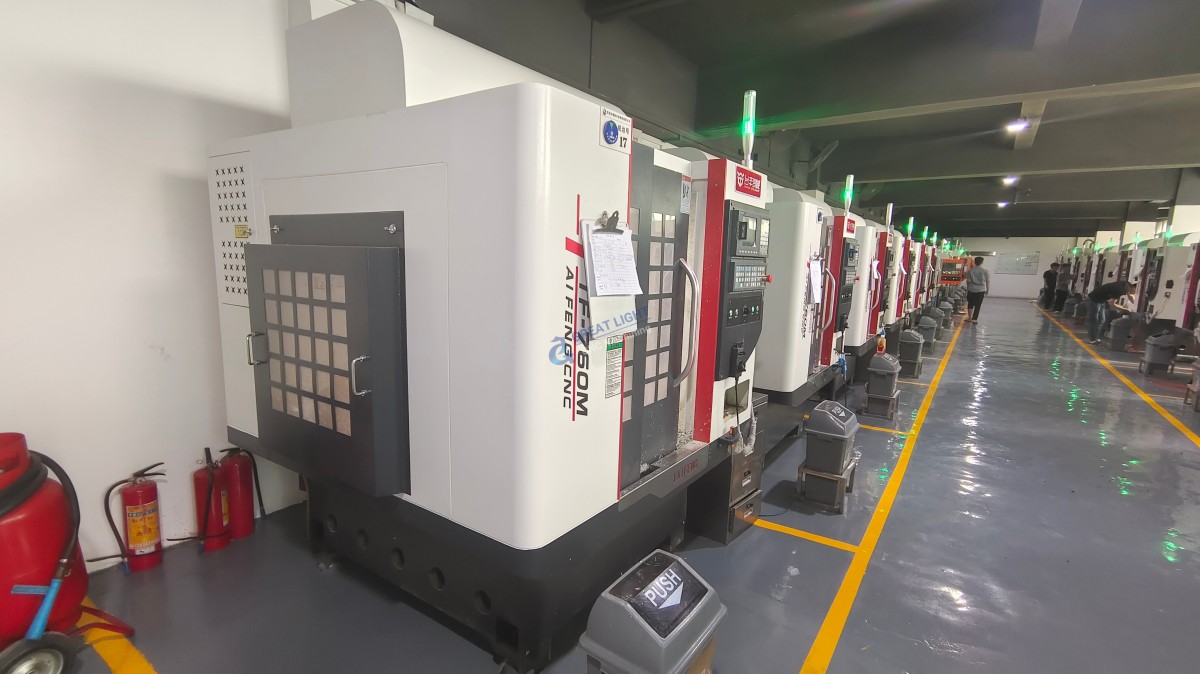
Volume: Ideal for annual quantities from thousands to hundreds of thousands. The upfront cost for programming and custom tooling is amortized over the large batch.
Part Complexity: While excellent for complex parts, extremely intricate geometries requiring continuous 5-axis interpolation might still be better served by a dedicated 5-axis machine. Multi-spindle mill-turn centers bridge this gap for rotational parts.
Material: Effective with a wide range of materials, from aluminum and stainless steels to engineering plastics and high-temperature alloys. The machine’s rigidity and power distribution per spindle are key considerations.
Lead Time: For validated designs requiring rapid, consistent output, multi-spindle machining is unmatched. For prototyping or very low volumes, other rapid prototyping services may be more economical.
Conclusion: Synchronizing Precision with Productivity
In the competitive arena of precision parts manufacturing, Multi Spindle CNC Machining Services stand as a testament to the power of intelligent engineering to overcome the traditional trade-off between speed and accuracy. It is a solution that transforms production lines, reduces costs, and delivers unwavering quality at scale. For OEMs and engineers seeking to scale production without compromising the meticulous standards their applications demand, partnering with a technically adept manufacturer is critical.
As you evaluate your next high-volume precision component project, consider the synchronized efficiency of multi-spindle technology. Engaging with a certified and experienced partner like GreatLight CNC Machining Factory ensures that the formidable potential of Multi Spindle CNC Machining Services is fully realized—from initial design consultation through to the delivery of consistently perfect parts, batch after batch. This strategic approach to manufacturing is what ultimately drives innovation and value in today’s most demanding industries.