The True Cost of CNC Machine Services: Why Precision, Certification, and Full-Process Capability Matter Most
In the era of Industry 4.0, CNC machining remains the backbone of high-precision part manufacturing. However, for R&D teams, hardware startups, and procurement engineers, selecting a CNC service provider often involves navigating a labyrinth of cost claims, equipment specs, and certification logos. The reality? The cheapest quote rarely delivers the best value—especially when dealing with complex geometries, tight tolerances, or mission-critical applications.
This article dissects the hidden costs of CNC machining services and explains why GreatLight CNC Machining Factory (a leader in five-axis CNC machining) stands out as a partner that balances cost, quality, and reliability.
The Precision Paradox: Why Tolerances Aren’t Just Numbers
Many suppliers advertise “±0.001mm tolerance” capabilities, but few consistently achieve it in mass production. Why?
Equipment aging: Older 3-axis or 4-axis machines struggle with multi-sided machining, requiring multiple setups that introduce errors.
Process instability: Lack of real-time monitoring systems means deviations go undetected until post-inspection.
Material variability: Inconsistent raw material quality (e.g., aluminum alloy composition) affects machinability and final dimensions.
GreatLight’s solution:
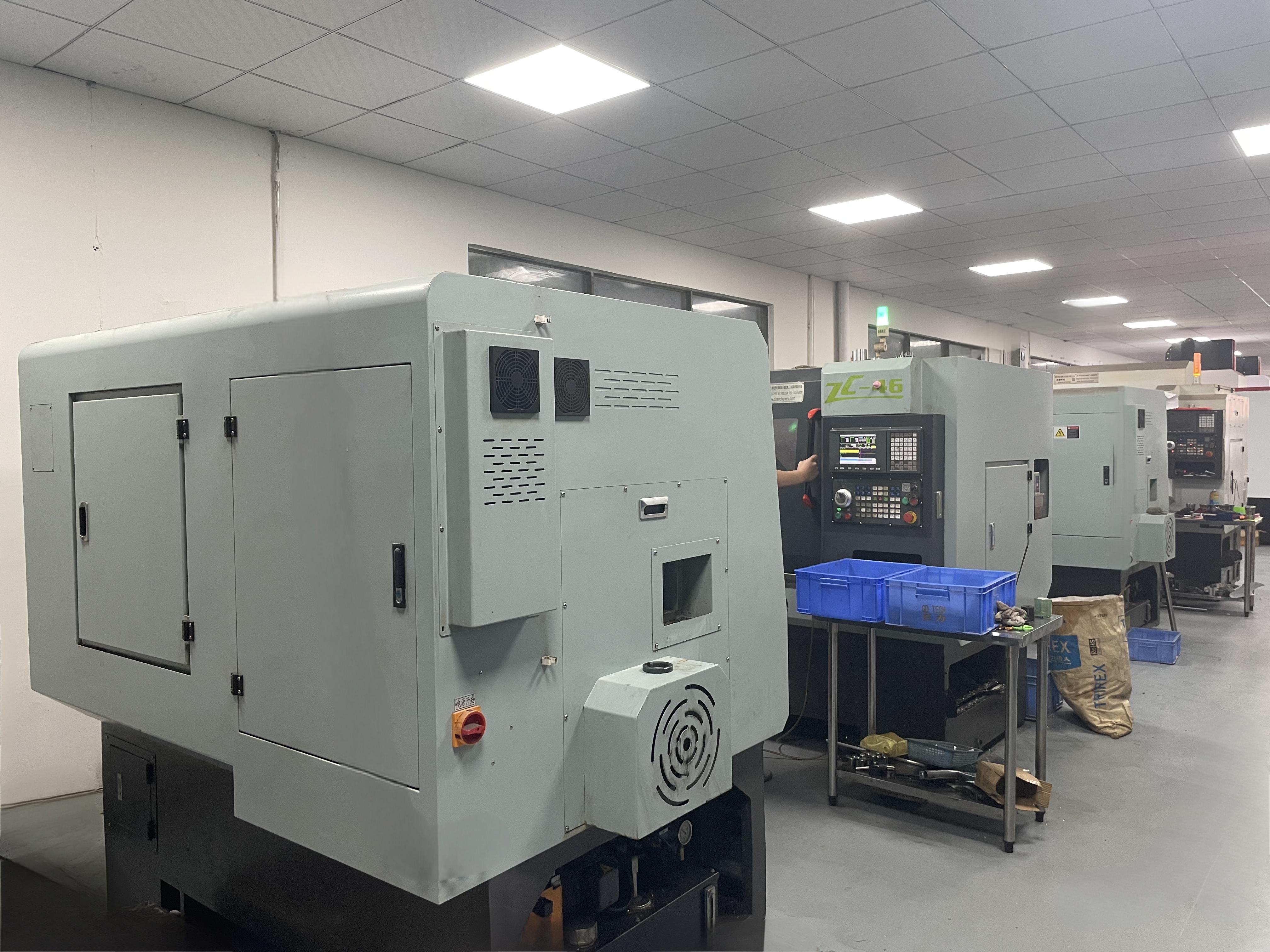
127+ precision machines, including Dema and Beijing Jingdiao five-axis CNC centers, enable single-setup machining of complex parts with ±0.001mm accuracy.
In-house metrology lab with CMMs and laser scanners verifies every batch against 3D CAD models.
Material traceability systems ensure compliance with AMS, ASTM, or customer-specific standards.
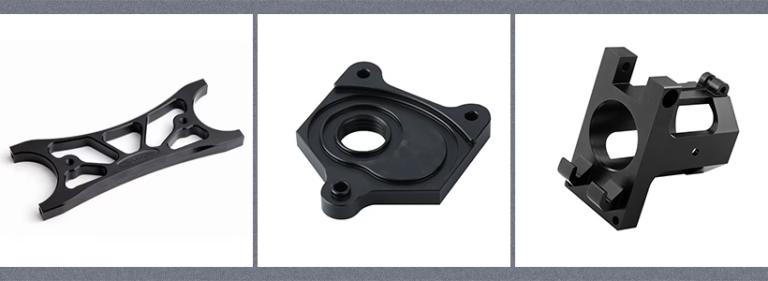
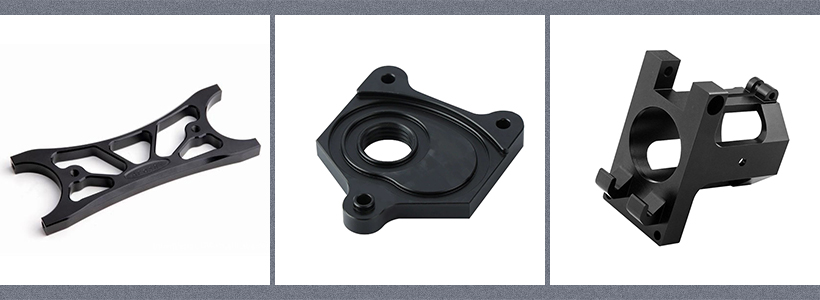
Case in point: A medical device client required titanium alloy components with 0.002mm flatness for surgical robots. GreatLight’s five-axis machining and post-process grinding achieved this at 20% lower cost than competitors due to reduced rework.
Certification Costs: Why ISO 9001 Is Just the Starting Point
While ISO 9001 is a baseline for quality management, industries like automotive, aerospace, and medical demand stricter standards:
| Certification | Industry Focus | GreatLight’s Compliance |
|---|---|---|
| ISO 9001:2015 | General quality management | ✅ |
| IATF 16949 | Automotive supply chain | ✅ |
| ISO 13485 | Medical hardware | ✅ |
| ISO 27001 | Data security (IP protection) | ✅ |
Why this matters:
IATF 16949 reduces supply chain risks by enforcing PPAP (Production Part Approval Process) and error-proofing.
ISO 13485 ensures cleanroom-level controls for implantable devices.
ISO 27001 protects your CAD files from leaks—critical for defense or proprietary tech.
Competitor comparison:
Foxconn excels in high-volume automotive parts but lacks medical certifications.
Protolabs offers rapid prototyping but often outsources complex five-axis work, increasing lead times.
GreatLight combines all certifications under one roof, eliminating the need for multiple vendors.
The Full-Process Advantage: How Integrated Services Cut Costs
Disjointed workflows (e.g., machining → outsourced polishing → separate assembly) inflate costs through:
Repeated handling (dings, scratches, misalignment).
Longer lead times (waiting for subcontractors).
Quality blame games (when defects occur, vendors point fingers).
GreatLight’s approach:
One-stop services: CNC machining → die casting → sheet metal → 3D printing → surface finishing (anodizing, PVD, painting).
In-house DFM (Design for Manufacturing) reviews: Identifies cost-saving tweaks before production (e.g., replacing undercuts with draft angles).
Automated quoting system: Generates prices in <24 hours by analyzing 3D models for machinability risks.
Client savings example:
An aerospace client reduced part costs by 35% by switching from Hass CNC (3-axis) + external polishing to GreatLight’s five-axis machining + in-house mirror polishing.
When “Cheap” CNC Quotes Backfire: Hidden Costs to Watch For
Tooling amortization scams: Some suppliers quote low per-part costs but hide high upfront tooling fees.
Quality fade: Parts pass initial inspection but fail in-field due to micro-cracks or stress risers.
Shipping delays: Outsourcing post-processing to third parties adds weeks to lead times.
GreatLight’s transparency:
No hidden fees: Tooling costs are itemized upfront.
Free rework guarantee: If parts fail inspection, we remake them at no charge.
Local inventory program: For recurring orders, we stock raw materials to slash lead times.
Why GreatLight CNC Machining Factory Outperforms Competitors
| Factor | GreatLight | Typical Competitors |
|---|---|---|
| Five-axis capacity | 12+ Dema/Jingdiao machines | 1–2 older machines (if any) |
| Max part size | 4,000mm (industry-leading) | ≤1,500mm |
| Certifications | All major ISO + IATF/13485 | Often just ISO 9001 |
| Lead time | 5–15 days (even for complex parts) | 3–4 weeks |
Final Verdict: The Smart Way to Evaluate CNC Costs
Instead of chasing the lowest per-part price, focus on:
Total cost of ownership (TCO): Include rework, delays, and quality risks.
Provider’s risk mitigation: Certifications, insurance, and contingency plans.
Scalability: Can the supplier handle 10x order volume without quality drops?
GreatLight CNC Machining Factory delivers where others fall short: precision you can verify, certifications you can trust, and costs you can control.
Explore our capabilities further on LinkedIn or request a free DFM analysis for your next project.