Precision Parts Machining and Customization: The Role of CNC Machine Service Technicians
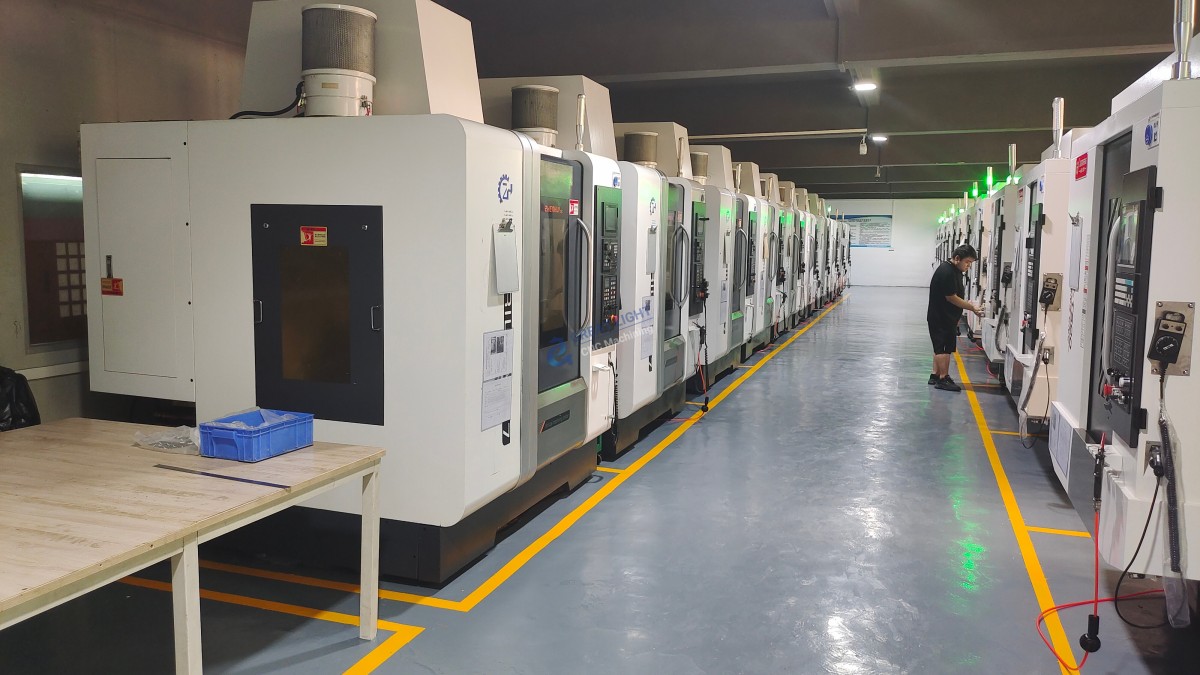
In the realm of precision parts machining and customization, CNC machine service technicians play a crucial role. These skilled professionals are responsible for operating, maintaining, and troubleshooting computer numerical control (CNC) machines, which are essential for producing high-precision components in various industries.
The Importance of CNC Machine Technicians
CNC machines are designed to perform repetitive tasks with high precision and accuracy. They are widely used in industries such as automotive, aerospace, medical devices, and consumer electronics. However, without the expertise of CNC machine service technicians, these machines cannot operate at their full potential. Technicians ensure that the machines are properly calibrated, maintained, and troubleshooted, minimizing downtime and maximizing productivity.
Key Responsibilities of CNC Machine Technicians
Machine Setup and Programming: Technicians set up CNC machines according to specific job requirements and program them to produce the desired parts. This involves understanding the design specifications and converting them into machine-readable code.
Operation and Monitoring: During production, technicians monitor the machines to ensure they are operating correctly and producing parts that meet the required specifications. They also make adjustments as needed to maintain quality and precision.
Maintenance and Repair: Regular maintenance is essential for the longevity and performance of CNC machines. Technicians perform routine maintenance tasks such as cleaning, lubricating, and replacing worn parts. They also troubleshoot and repair any issues that arise, ensuring minimal downtime.
Quality Control: Technicians inspect the finished parts to ensure they meet the required quality standards. They use various measuring tools and equipment to check dimensions, tolerances, and surface finishes.
Skills and Qualifications
To become a CNC machine service technician, individuals typically need:

Technical Training: A post-secondary certificate or diploma in CNC machining or a related field.
Mechanical Aptitude: A strong understanding of mechanical principles and the ability to read and interpret technical drawings.
Programming Skills: Proficiency in programming languages used in CNC machines, such as G-code and M-code.
Problem-Solving Abilities: The ability to troubleshoot and resolve issues quickly and effectively.
Attention to Detail: Precision is key in CNC machining, so technicians must be meticulous in their work.
The Future of CNC Machine Technicians
With advancements in technology, the role of CNC machine service technicians is evolving. Newer CNC machines are becoming more sophisticated, incorporating artificial intelligence and machine learning capabilities. Technicians will need to stay updated with these advancements and continuously improve their skills to remain relevant in the industry.
Conclusion
CNC machine service technicians are indispensable in the precision parts machining and customization field. Their expertise ensures that CNC machines operate efficiently, producing high-quality components that meet the strict requirements of various industries. GreatLight CNC Machining Factory, with its advanced five-axis CNC machining equipment and production technology, relies on the skills of these technicians to deliver precise and customized parts to its clients. For more information on our precision CNC machining services, visit GreatLight CNC Machining Services.
To learn more about GreatLight CNC Machining Factory and our team of skilled technicians, you can also visit our LinkedIn page: GreatLight on LinkedIn.