
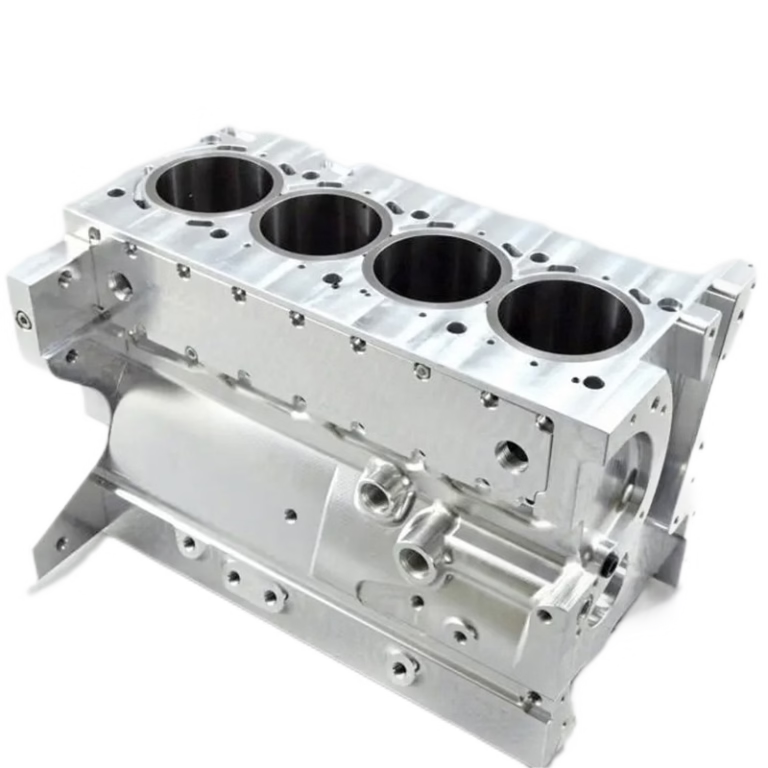
Precision Tolerances Achievable with CNC Machining
In the realm of precision parts machining and customization, one of the most critical aspects is the tolerance level that can be achieved. Tolerance refers to the permissible limit or limits of variation in the dimensions of a part, which is crucial for ensuring that the parts fit and function as intended. As a senior manufacturing engineer, I will delve into the capabilities of CNC machines, particularly those at GreatLight CNC Machining Factory, in achieving high-precision tolerances.
CNC Machining Tolerance Capabilities
CNC (Computer Numerical Control) machines are renowned for their ability to produce parts with extremely tight tolerances. The precision of CNC machining is largely dependent on the machine's design, the quality of the cutting tools, the material being machined, and the skill of the operator or programmer.
Advanced Machinery for Precision
GreatLight CNC Machining Factory boasts a fleet of advanced five-axis CNC machining centers, which are capable of producing parts with tolerances as tight as ±0.001mm (0.00004 inches). This level of precision is unheard of in traditional machining methods and is a testament to the factory's commitment to delivering high-quality, precision parts.
Factors Affecting Tolerance
Several factors influence the achievable tolerance in CNC machining:
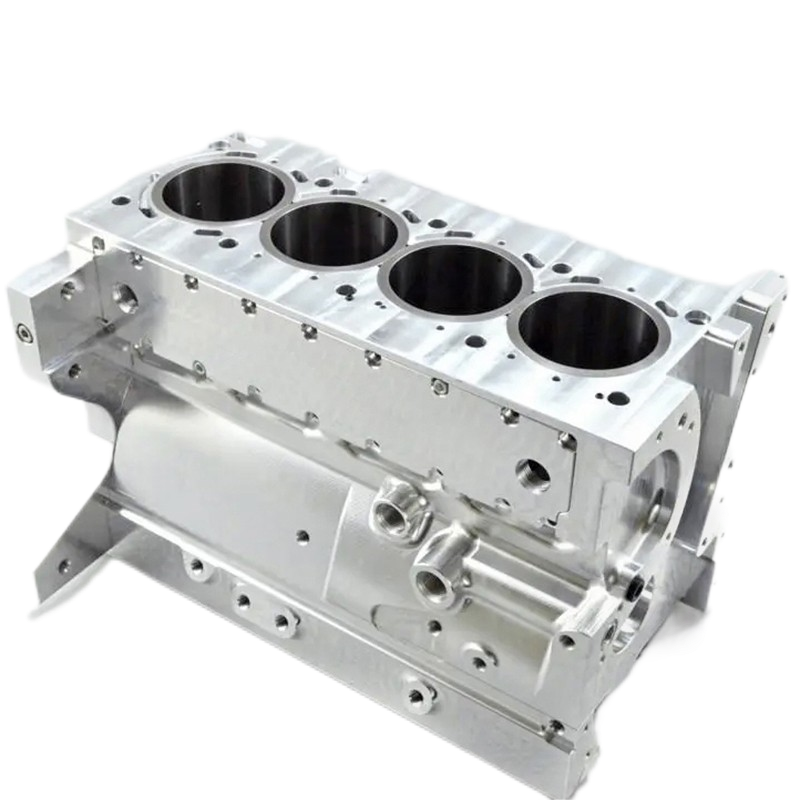
Machine Tool Precision: High-quality machine tools with advanced guideways and bearings are essential for achieving tight tolerances.
Cutting Tools: The sharpness and quality of cutting tools directly affect the surface finish and dimensional accuracy of the machined parts.
Material Properties: Different materials have varying hardness and machinability, which can affect the achievable tolerance.
Programming Accuracy: Precise programming is crucial for guiding the CNC machine to produce parts within the desired tolerance range.
Operator Skill: Skilled operators can fine-tune the machining process to achieve the desired tolerances.
Conclusion
In conclusion, CNC machining, especially when performed by a facility like GreatLight CNC Machining Factory, offers unparalleled precision and the ability to achieve very tight tolerances. Whether you need parts for automotive engines, aerospace components, or humanoid robots, the precision and reliability of CNC machining make it the ideal choice for your manufacturing needs.
Frequently Asked Questions (FAQ)
Q: What is the smallest tolerance that can be achieved with CNC machining?A: The smallest tolerance achievable with CNC machining can be as tight as ±0.001mm (0.00004 inches), depending on the machine's capabilities and the specific requirements of the part.
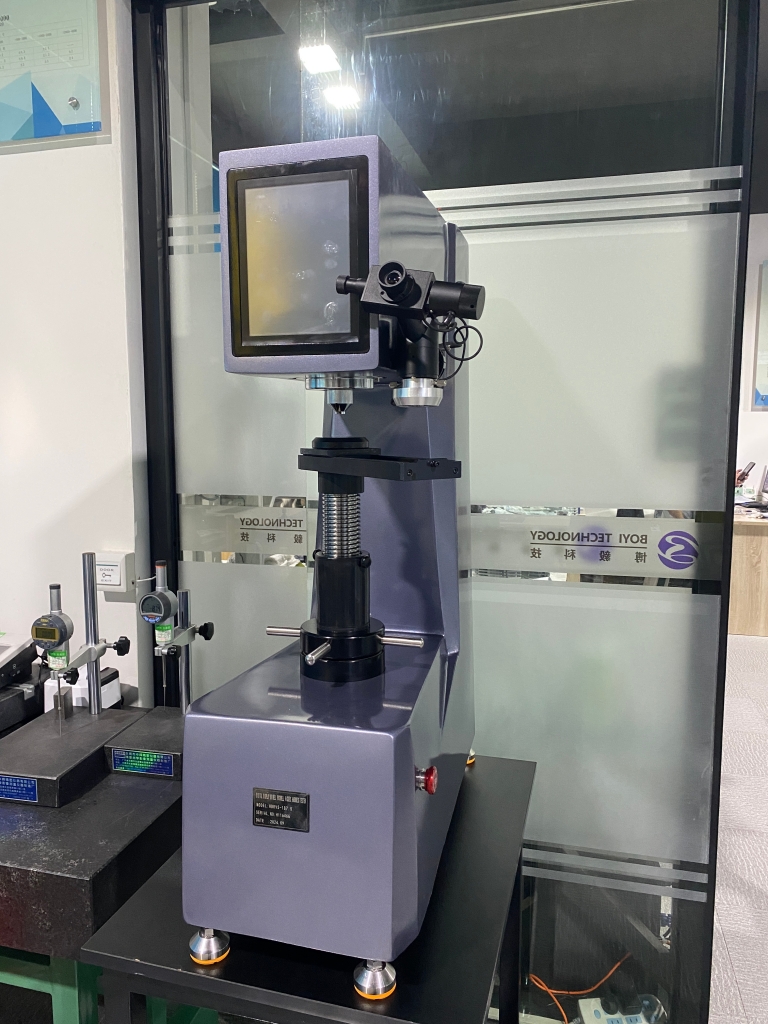
Q: How does the choice of material affect tolerance?A: Different materials have varying hardness and machinability, which can impact the achievable tolerance. Harder materials may require more precise machining techniques and quality cutting tools to achieve tight tolerances.
Q: Can tolerances be improved by using higher-quality cutting tools?A: Yes, higher-quality cutting tools with sharp edges and optimal geometries can improve the surface finish and dimensional accuracy, thereby achieving tighter tolerances.
Q: What role does programming play in achieving tight tolerances?A: Precise programming is crucial as it guides the CNC machine through the machining process. Any errors or inaccuracies in programming can lead to deviations from the desired tolerances.
Q: How can I ensure that my parts meet the required tolerances?A: To ensure your parts meet the required tolerances, work with a reputable CNC machining facility like GreatLight CNC Machining Factory that has the necessary expertise, advanced machinery, and quality control measures in place.

By understanding the capabilities and limitations of CNC machining, you can make informed decisions about the manufacturing processes best suited for your precision parts needs.



















