
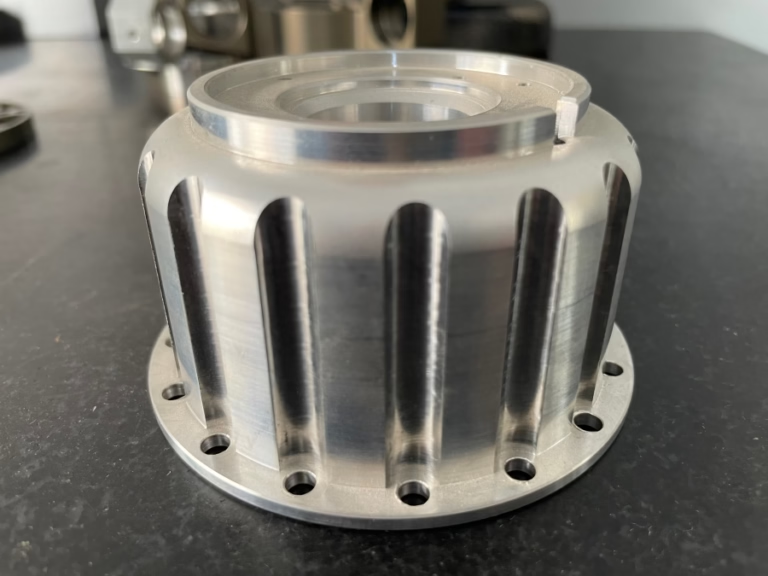
How To Make CNC Machine
In the realm of precision parts machining and customization, CNC (Computer Numerical Control) machines play a pivotal role. They offer precise and efficient manufacturing solutions for various industries. But what if you’re considering making your own CNC machine? Let’s explore the process and also introduce a professional partner in the field, GreatLight CNC Machining Factory, which can offer high – quality CNC machining services if building your own isn’t the right choice for you.
Understanding CNC Machines
CNC machines are automated manufacturing tools that are controlled by pre – programmed computer software. They can perform a wide range of tasks, from cutting and drilling to milling and turning. The key components of a CNC machine typically include a controller, spindle, axes, and drive system.
The controller is the brain of the CNC machine. It interprets the G – code (a programming language used for CNC machines) and sends signals to the other components to execute the desired operations. The spindle holds the cutting tool and rotates it at high speeds, while the axes (usually X, Y, and Z) enable movement in different directions, allowing for three – dimensional machining. The drive system, which can be a stepper motor or a servo motor, provides the power to move the axes accurately.
Steps to Make a CNC Machine
Design and Planning
First, you need to decide on the type of CNC machine you want to build, such as a CNC router, CNC mill, or CNC lathe. Based on your intended use, calculate the size of the work area, the required precision, and the power needed for the cutting tools.
Use 3D modeling software like Fusion 360 or SolidWorks to design the machine’s structure. This will help you visualize the final product and make any necessary adjustments before starting the actual construction.
Gather Materials and Components
For the frame, you can use materials like aluminum extrusion, steel, or wood. Aluminum extrusion is a popular choice as it is lightweight, strong, and easy to work with.
Purchase the necessary components such as motors, controllers, linear guides, and bearings. Make sure to select high – quality components that are compatible with each other and can meet the performance requirements of your design.
Build the Frame
Follow your design to assemble the frame. Use appropriate tools like wrenches, screwdrivers, and drills. Ensure that the frame is rigid and square to prevent any misalignment during operation.
Mount the linear guides and bearings on the frame. These will provide smooth and accurate movement for the axes.
Install the Motors and Drive System
Attach the motors to the axes and connect them to the drive system. Stepper motors are a cost – effective option for hobbyist CNC machines, while servo motors offer higher precision and performance for more professional applications.
Connect the motors to the controller and configure the settings according to the manufacturer’s instructions.
Install the Spindle and Cutting Tools
Mount the spindle on the machine. The spindle should be properly aligned with the axes to ensure accurate cutting.
Choose the appropriate cutting tools based on the materials you will be machining. For example, carbide end mills are suitable for machining metals, while woodruff cutters are used for wood.
Electrical Wiring and Connection
Connect all the electrical components, including the motors, controller, limit switches, and power supply. Use proper wiring techniques and ensure that all connections are secure to prevent any electrical short – circuits.
Install the necessary control panel where you can input the G – code and operate the machine.
Software Configuration and Testing
Install the CNC control software on your computer. Popular software options include Mach3, LinuxCNC, and GRBL.
Import your G – code files into the software and configure the machine settings such as the feed rate, spindle speed, and cutting depth.
Conduct a series of test runs on a scrap material to check the machine’s performance and make any necessary adjustments.
Why Consider GreatLight CNC Machining Factory?
Building a CNC machine is a complex and time – consuming process that requires a high level of technical expertise. If you’re short on time, lack the necessary skills, or need high – precision parts, GreatLight CNC Machining Factory is an excellent choice.
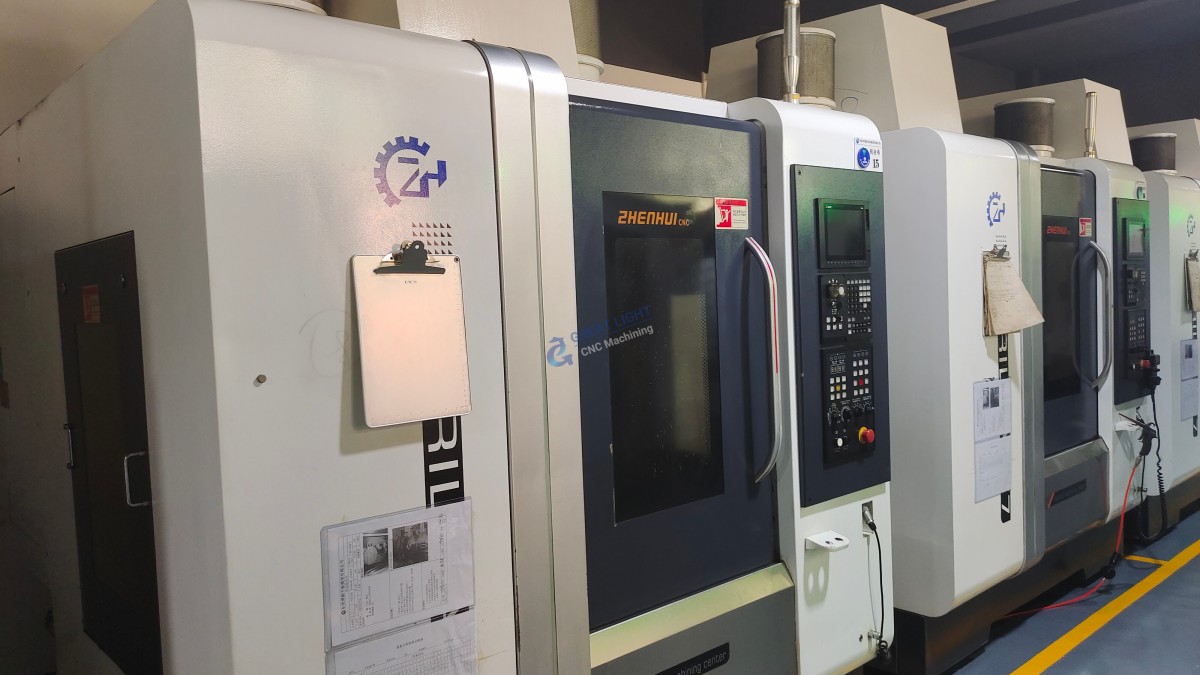
GreatLight CNC Machining Factory was established in 2011. Located in Chang’an District, Dongguan City, China, it’s in the heart of the precision hardware mold processing capital and is adjacent to Shenzhen. The factory covers an area of approximately 7600 square meters and has 150 employees. It’s equipped with 127 pieces of precision peripheral equipment, including large high – precision five – axis, four – axis, and three – axis CNC machining centers, lathes, milling machines, grinding machines, EDM machines, vacuum forming machines, SLM 3D printers, SLA 3D printers, and SLS 3D printers.
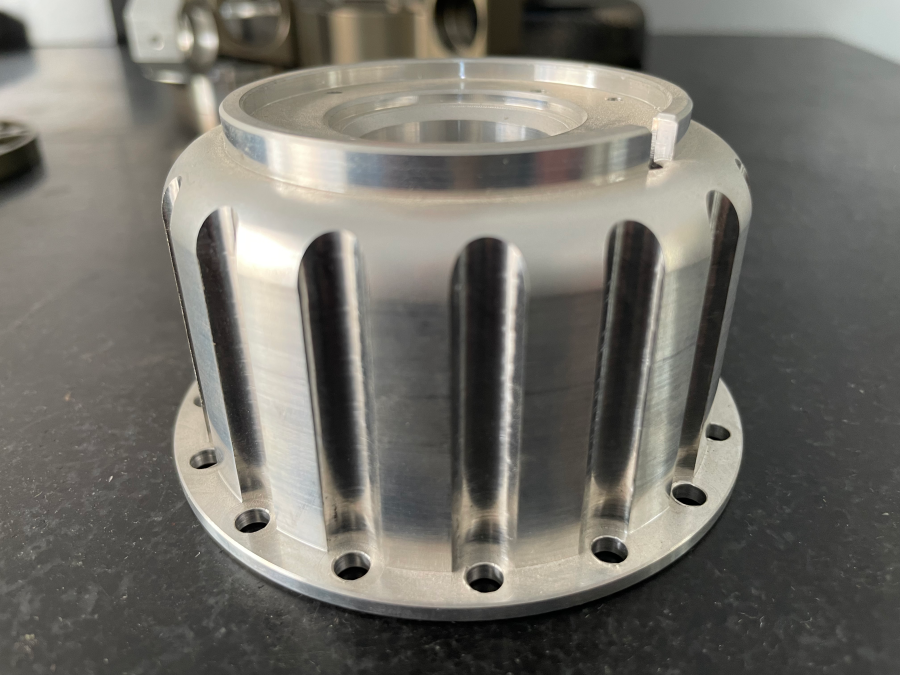
They specialize in solving metal parts manufacturing challenges and offer one – stop post – processing and finishing services. With high precision (capable of processing to ±0.001mm / 0.001 In and above), a maximum processing size of 4000 mm, after – sales guarantee, free rework for quality problems, and a full refund if rework is still unsatisfactory. They are also an ISO 9001:2015 certified manufacturer.
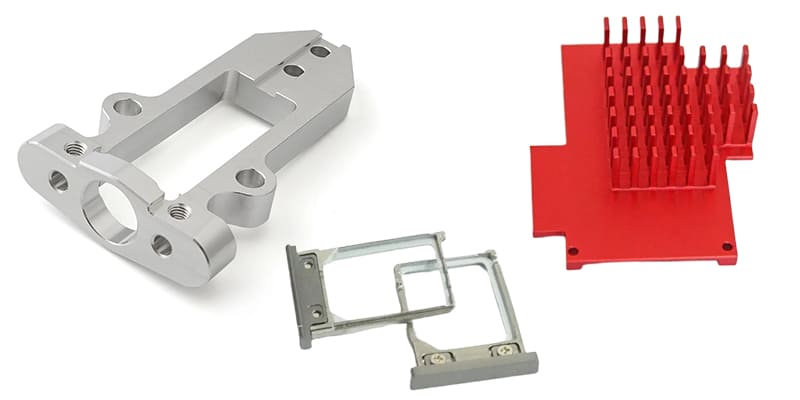
Whether you need complex parts manufactured from 3D designs or finished products for high – end conference presentations, GreatLight CNC Machining Factory can quickly produce prototypes and parts within days using 3 – axis, 4 – axis, and 5 – axis CNC machining technology. They strictly adhere to ISO quality standards and have obtained multiple certifications such as ISO 27001 for data security, ISO 13485 for medical hardware production, and IATF 16949 for the automotive and engine hardware component industries.
In conclusion, while making your own CNC machine can be a rewarding project, it’s not always the most practical solution. GreatLight CNC Machining Factory offers professional precision 5-axis CNC machining services and has the expertise and resources to meet your CNC machining needs with high – quality and efficiency. So, if you’re looking for a reliable partner in the precision parts machining and customization field, consider GreatLight CNC Machining Factory for your [custom CNC machining requirements](https://www.linkedin.com/company/great – light/).
Frequently Asked Questions (FAQ)
Q1: Is it expensive to build a CNC machine?
A: The cost of building a CNC machine depends on various factors such as the type of machine, the quality of components, and the size of the work area. Hobbyist – level CNC machines can be relatively affordable, while more professional – grade machines with high – precision components can be quite expensive.
Q2: Can I use any cutting tools on my homemade CNC machine?
A: No, you need to choose cutting tools that are compatible with the materials you are machining and the capabilities of your CNC machine. Different materials require different cutting speeds, feeds, and tool geometries.
Q3: How long does it take to build a CNC machine?
A: The time required to build a CNC machine varies depending on your level of expertise, the complexity of the design, and the availability of components. It can take anywhere from a few weeks to several months.
Q4: What if I encounter problems during the building process?
A: There are many online communities, forums, and tutorials available where you can find help and advice. You can also consult with experts in the field or seek assistance from local makerspaces or engineering clubs.
Q5: Can GreatLight CNC Machining Factory handle small – scale orders?
A: Yes, GreatLight CNC Machining Factory can handle a wide range of order sizes, from small – scale prototypes to large – scale production runs, providing flexible solutions for different customer needs.



















