
How To Build A DIY CNC Machine?
In the world of precision parts machining and customization, CNC (Computer Numerical Control) machines play a crucial role. While professional manufacturers like GreatLight CNC Machining Factory offer high – end, reliable CNC machining services, building a DIY CNC machine can be a rewarding project for hobbyists and small – scale makers.
Understanding the Basics of a CNC Machine
A CNC machine is a device that uses computer – controlled movements to perform various machining operations such as cutting, drilling, and milling. It consists of three main components: the control system, the drive system, and the mechanical structure.
The control system is the brain of the CNC machine. It interprets the G – code (a programming language for CNC machines) and sends signals to the drive system. The drive system, which includes motors and drivers, is responsible for moving the mechanical structure according to the instructions from the control system. The mechanical structure provides the framework for the machine and holds the cutting tools and the workpiece.
Planning Your DIY CNC Machine
Before you start building, you need to have a clear plan. Consider the following factors:
Purpose: Determine what you want to use the CNC machine for. Will it be for woodworking, metalworking, or something else? This will influence the size, power, and precision requirements of your machine.
Size: Decide on the working area of the machine. The size will depend on the size of the workpieces you plan to process.
Budget: Set a budget for your project. The cost of components can vary widely, so it’s important to plan accordingly.
Gathering the Components
Once you have a plan, it’s time to gather the necessary components. Here are some of the key components you’ll need:
Control System: You can use a dedicated CNC controller or a computer with CNC control software. Popular software options include Mach3, LinuxCNC, and GRBL.
Drive System: Stepper motors and drivers are commonly used in DIY CNC machines. They are relatively inexpensive and easy to control. You’ll need to choose motors with the appropriate torque and speed for your application.
Mechanical Structure: The mechanical structure can be made from materials such as aluminum extrusion, wood, or steel. Aluminum extrusion is a popular choice because it’s easy to work with and provides a rigid framework.
Cutting Tools: Depending on your application, you’ll need to choose the appropriate cutting tools such as end mills, drills, or routers.
Building the Mechanical Structure
The mechanical structure is the foundation of your CNC machine. Here are the general steps to build it:
Design the Frame: Use a CAD (Computer – Aided Design) software to design the frame of your machine. Make sure to include provisions for mounting the motors, drivers, and other components.
Cut and Assemble the Materials: Cut the materials according to your design and assemble them using bolts, nuts, and washers. Make sure the frame is square and level.
Install the Linear Rails and Lead Screws: Linear rails provide smooth and accurate movement, while lead screws convert rotational motion into linear motion. Install them on the frame and make sure they are properly aligned.
Installing the Drive System
The drive system is responsible for moving the mechanical structure. Here’s how to install it:
Mount the Motors: Mount the stepper motors on the frame using motor mounts. Make sure they are securely attached.
Connect the Drivers: Connect the stepper motor drivers to the motors and the control system. Follow the manufacturer’s instructions for wiring.
Test the Motors: Before proceeding further, test the motors to make sure they are working properly. You can use a motor test program to check the movement of the motors.
Installing the Control System
The control system is the heart of your CNC machine. Here’s how to install it:
Install the Software: Install the CNC control software on your computer. Follow the installation instructions provided by the software manufacturer.
Connect the Controller: Connect the CNC controller to your computer and the drive system. Make sure the connections are secure.
Configure the Software: Configure the software according to your machine’s specifications. This includes setting the motor steps per unit, the maximum feed rate, and the acceleration/deceleration rates.
Testing and Calibration
Once you have assembled the machine, it’s time to test and calibrate it. Here are the steps:
Test the Movement: Use the CNC control software to send simple movement commands to the machine. Check if the machine moves smoothly and accurately in all axes.
Calibrate the Machine: Calibrate the machine to ensure accurate positioning. This may involve adjusting the motor steps per unit, the backlash compensation, and the homing switches.
Perform a Test Cut: Once the machine is calibrated, perform a test cut on a scrap piece of material. Check the quality of the cut and make any necessary adjustments.
The Role of Professional CNC Machining Services
While building a DIY CNC machine can be a fun and educational project, there are limitations. Professional CNC machining services like those offered by GreatLight CNC Machining Factory have several advantages.
GreatLight CNC Machining Factory, established in 2011 and located in Chang’an District, Dongguan City, China, is a professional five – axis CNC machining manufacturer. With advanced five – axis CNC machining equipment and production technology, they can handle complex machining tasks with high precision. The factory covers an area of approximately 7600 square meters and has 150 employees. It is equipped with 127 pieces of precision peripheral equipment, including large high – precision five – axis, four – axis, and three – axis CNC machining centers.
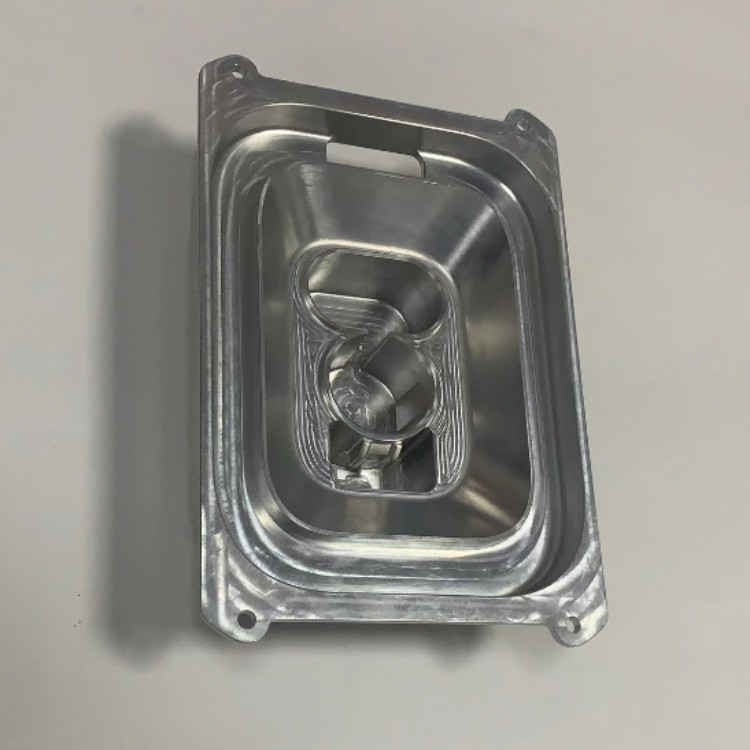
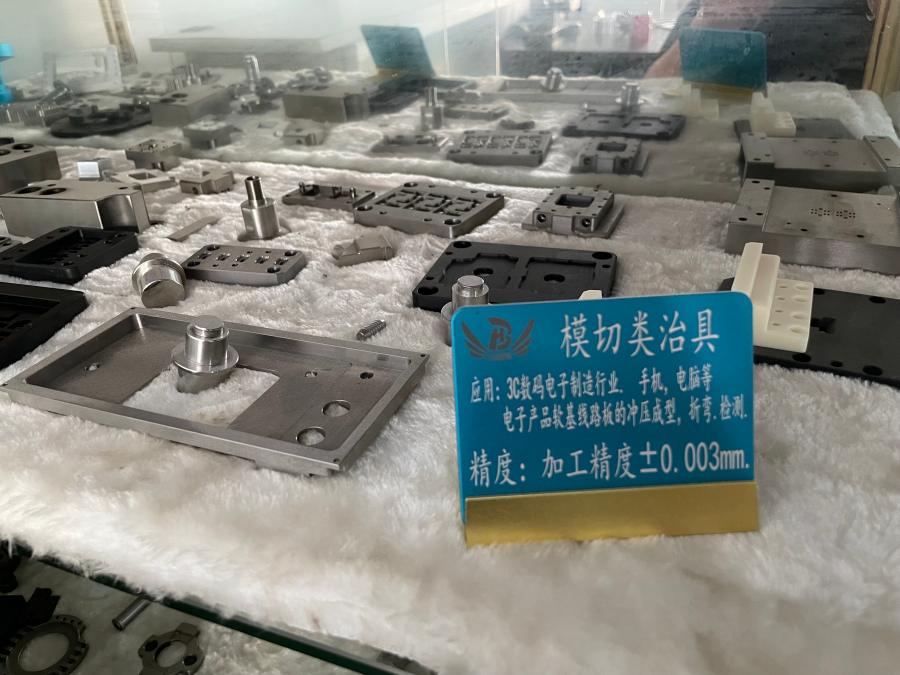
They offer a wide range of services, including precision CNC machining services (three – axis, four – axis, and five – axis machining), CNC milling services, die casting mold/metal die casting processing services, and nearly a hundred rapid prototyping processing services. Their high – precision machining capabilities (capable of processing to ±0.001mm / 0.001 In and above) and after – sales guarantee make them an ideal choice for custom metal and plastic parts.
Conclusion
Building a DIY CNC machine can be a challenging but rewarding project. It allows you to gain a deeper understanding of CNC technology and create your own custom – made machining solutions. However, for more complex and high – precision machining tasks, professional CNC machining services like those provided by GreatLight CNC Machining Factory are the way to go. Whether you choose to build your own CNC machine or rely on professional services, the world of precision parts machining offers endless possibilities.
Frequently Asked Questions (FAQ)
Is it difficult to build a DIY CNC machine?
Building a DIY CNC machine can be challenging, especially if you have limited experience with machining and electronics. However, with proper planning, research, and patience, it is definitely achievable.
How long does it take to build a DIY CNC machine?
The time required to build a DIY CNC machine depends on the complexity of the design and your level of experience. It can take anywhere from a few weeks to several months.
Can I use a DIY CNC machine for commercial purposes?
While it is possible to use a DIY CNC machine for commercial purposes, it may not be as reliable or precise as a professional machine. For commercial applications, it’s recommended to use the services of a professional CNC machining manufacturer like [GreatLight CNC Machining Factory](https://www.linkedin.com/company/great – light/).
What kind of maintenance does a DIY CNC machine require?
Regular maintenance is required to keep your DIY CNC machine in good working condition. This includes cleaning the machine, lubricating the moving parts, and checking the electrical connections.



















