introduce
Imagine sketching a physical object in mid-air—creating a sculpture, enhancing a model, or repairing a plastic item with freehand precision using a pen. That’s the magic of 3D printing pens and handheld devices that melt and extrude filament, allowing artists, hobbyists and designers to "painting" in three dimensions. While these pens democratize 3D creativity, they come with a learning curve. As professionals at GreatLight, the leader in industrial metal 3D printing, we understand the nuances of additive manufacturing. Here, we’ll share expert tips to take your 3D pen work to the next level, bridging the gap between hobbyist tools and industrial-grade fabrication.
Mastering the 3D Printing Pen: 8 Pro Tips
1. Material Matters: Choose Your Filament Wisely
3D pens usually use PLA or ABS plastic. PLA is biodegradable, has low odor, and is great for beginners due to its low melting point (160–180°C). ABS is tougher and heat-resistant, but requires higher temperatures (210–240°C) and good ventilation. For metallic finishes, choose composite filament (for example, PLA mixed with metal powder). But please note that these are not structural metals, they just imitate the appearance. Industrial applications, such as GreatLight’s metal 3D printing, use actual alloys (e.g., titanium, stainless steel) to create functional parts.
2. Improve temperature and speed
– temperature: Adjust the settings according to your filament. Too low? Clogs form. Too high? Strings and spots appear. Be sure to fully warm up your pen.
– speed: Slow extrusion produces thicker, more controlled lines; faster speeds are suitable for filling in details. Practice on scratch paper first to find a rhythm.
3. Learn the techniques for getting clean results
– Surface work: For 2D designs, sketch on parchment paper (non-stick) or glass.
– Freehand 3D: Start with the base layer on the surface. Build vertically "hover" After squeezing out a small dot, let it cool for 5-10 seconds before lifting.
– Connecting parts: Before adding new filament (like welding plastic), briefly melt the existing edges with the tip of the pen.
4. Avoid clogging
Cheap filament or inconsistent temperatures often cause clogging:
– Insert the filament smoothly and without force.
– Clean the nozzle after each use: heat the pen, squeeze out 10-20 mm of filament, then retract.
– Store filament in a sealed bag with desiccant to prevent moisture absorption.
5. Safety and Ergonomics
– ventilation: ABS emits fumes – use in a well-ventilated space or near an open window.
– deal with: Never touch the nozzle (200°C+). Wear gloves if necessary.
– Hold tight: Hold the pen like a pencil, but support it in the middle of the barrel to reduce fatigue.
6. Creative applications beyond art
– repair: Repair broken plastic gear, toys or phone cases "welding" seam.
– Prototyping: Quickly simulate ideas before committing to costly industrial printing.
– Mixed projects: Combine pen drawn elements with a 3D printed base (for example, add decorative filigree to the printed model).
7. Post-polishing treatment
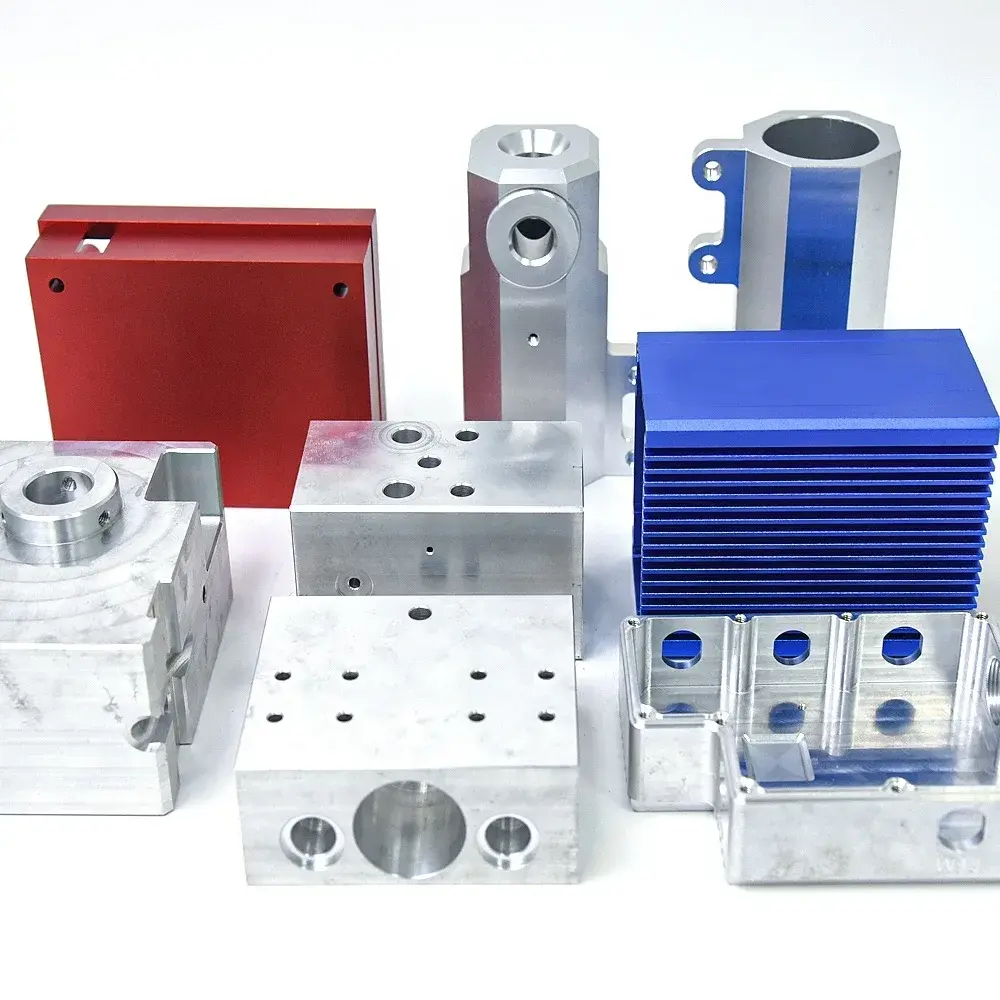
Sand rough edges with fine sandpaper (such as 400 grit). For a glossy finish, use epoxy or acrylic paint. Remember, these techniques only enhance aesthetics—functional metal parts require industrial post-processing, such as CNC machining or EDM, which GreatLight provides for its metal printing.
8. Know your limits
3D pens excel at creativity, but lack the precision of mechanical components. Filament can become brittle under pressure. For load-bearing parts, discover professional solutions: GreatLight’s metal 3D printing enables micron-level precision, stress resistance and custom geometries, perfect for aerospace, medical or automotive applications.
Conclusion: From Hobby to High-Risk Manufacturing
3D printing pens unleash intuitive, accessible 3D creativity, perfect for education, art, and quick fixes. However, these tools reach their limits when your project requires durability, precision, or metal properties. This is where industrial metal additive manufacturing shines. At GreatLight, we combine advanced laser sintering and binder jetting technologies with rigorous quality control to produce end-use parts without the constraints of traditional manufacturing. Whether you are prototyping a concept or scaling up production, our one-stop solutions include material customization (titanium, Inconel, aluminum), surface finishing and precision machining, all delivered at competitive speed and cost. Ready to transform your vision into a powerful, practical reality? Customize your precision metal parts with GreatLight today.
FAQ
Q1: Can 3D printing pens use metal wire?
A: While metal-infused filaments exist (such as copper/steel-PLA blends), they contain ≤30% metal powder and remain non-structural. Real metal parts require industrial processes like Selective Laser Melting (SLM), which completely melts metal powder, a technology GreatLight specializes in.
Q2: How to prevent the 3D pen from clogging?
A: Use high-quality supplies, store them in dry conditions, and clean the nozzles after each use. For persistent clogs, heat the pen and manually squeeze out the filament, or use the included cleaning tool.
Q3: Is ABS filament safe for children?
Answer: Not unsupervised. ABS releases styrene vapor at high temperatures. Choose child-friendly materials under adult guidance: PLA (non-toxic, low temperature).
Q4: Can I use 3D pen to create functional parts?
A: For decorative prototypes or minor restorations, yes. For load-bearing applications such as machinery, industrial 3D printing using metals or engineering polymers is crucial. GreatLight offers metal printing suitable for extreme environments.
Q5: What is the main difference between 3D pen and 3D printer?
A: Fountain pens offer freehand creativity but limited precision. The printer uses CAD files for automated, layer-by-layer construction, making it ideal for complex, repeatable parts.
Q6: Does Honglaite support metal parts from prototype to production?
Answer: Of course. From prototyping to mass production, we provide design consulting, 3D printing, CNC machining, surface treatment and quality inspection. Submit your design to get a quote!
Q7: How does the cost of metal 3D printing compare with traditional methods?
A: For low-volume, complex geometries, it is cost-effective and can reduce material waste and tooling expenses. GreatLight ensures competitive pricing through optimized workflows. Contact us for a tailor-made solution.