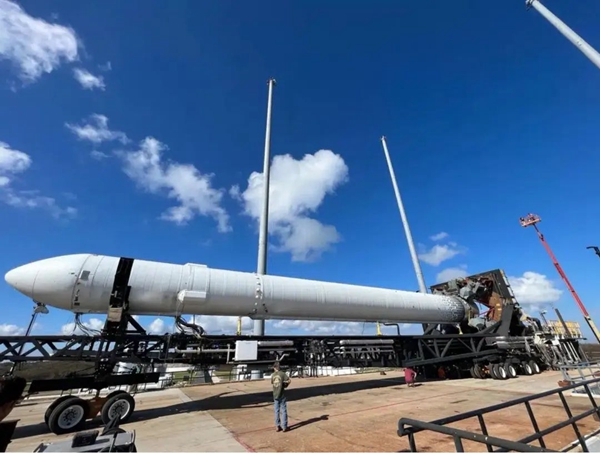
On March 23, 2023, according to Mohou.com, the world’s first 3D printed rocket achieved some success on its third launch attempt. However, an “anomaly” occurred during second stage ignition and failed to enter orbit. has not yet been announced and it is also unclear where the rocket will land.
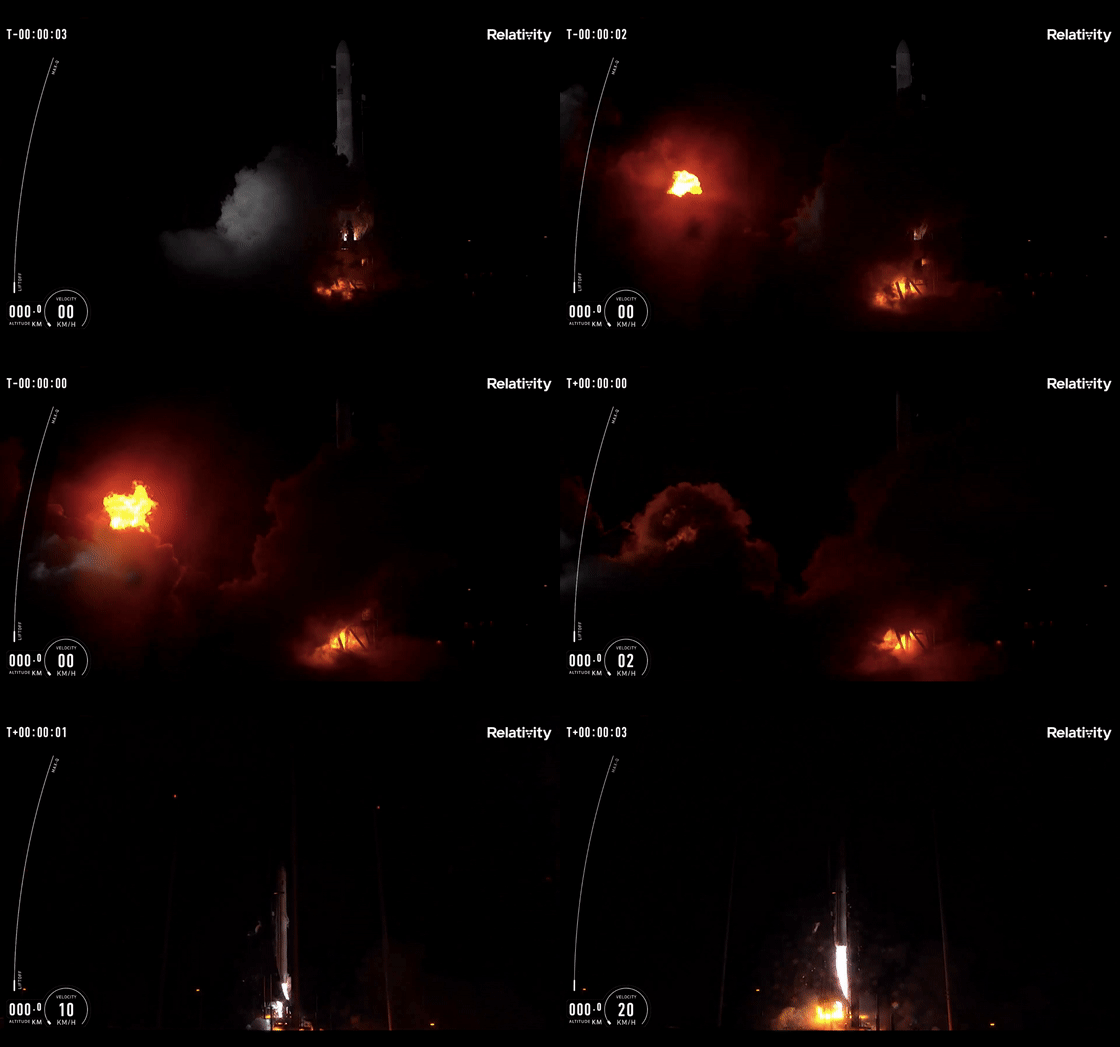
△The moment the 3D printed rocket is ignited and launched
Although the launch failed to enter the intended orbit, the Antarctic Bear still believed that it was a very successful launch, which at least to some extent proved the feasibility of manufacturing at large-scale rocket parts using 3D printing technology, and was also a historic breakthrough for humanity. According to professionals’ comments: “The main goal of the first flight is to obtain test data. The predefined objective of the mission is to reach the MAX-Q stage (indicating that the air resistance supported by the rocket at this moment reaches its maximum). It reaches MAX-Q 86 seconds after the success of the first ignition stage. “So to some extent the launch was successful.
The initial launch process was divided into the following five stages, and the third stage was successfully completed.
●0 seconds: takeoff (successful)
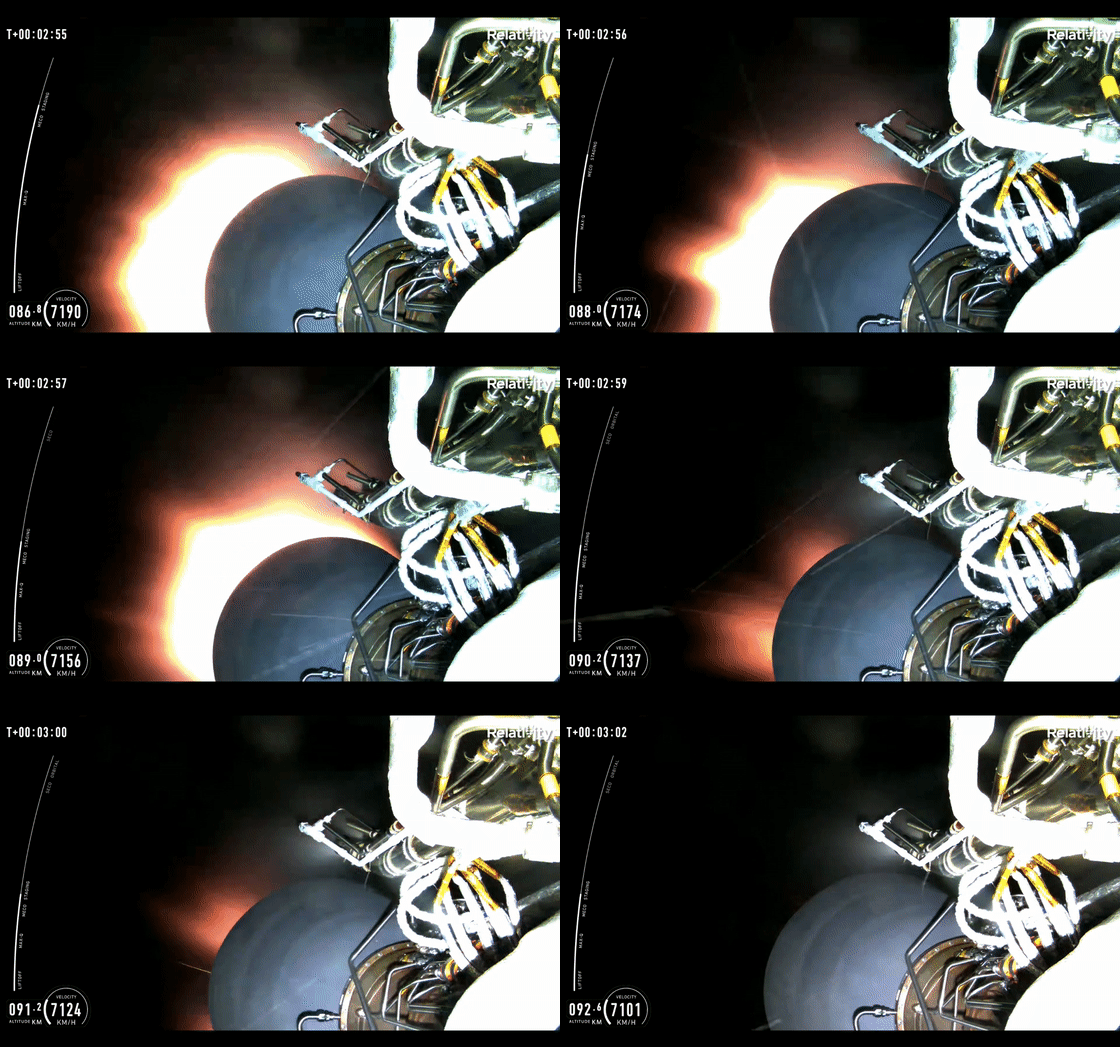
●2 minutes and 4 seconds: level 1 engine stalls (successful)
●2 minutes and 45 seconds: first stage engine separation (successful)
●2 minutes and 51 seconds: second engine start (failure)
●7 minutes and 43 seconds: second stage engine stalls (failed)
△In the first stage engine driving phase, the rocket speed reaches more than 7,000 km/h.
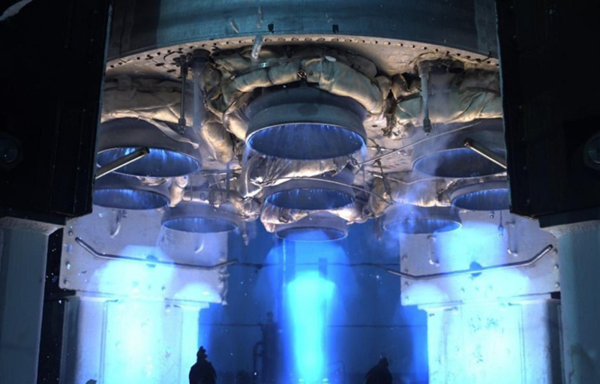
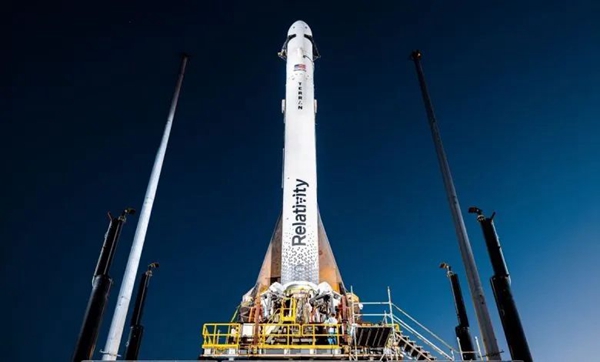
The “3D printed rocket” launched this time is called Terran 1 and was developed by Relativity Space. Since this was a launch attempt, there was no customer payload on the rocket, only some parts could not be printed. Measuring 110 feet tall and 7.5 feet wide, Terran 1 is the largest 3D printed rocket to attempt orbital flight. As a two-stage disposable rocket, Terran 1 has nine 3D printed Aeon engines on the first stage and an Aeon Vac on the second stage. Like their structures, all Relativity engines are fully 3D printed and use liquid oxygen (LOX) and liquefied natural gas (LNG), which are not only best suited for rocket propulsion, but are also reusable and easier to eventually switch to methane.

The Terran 1 series rocket is a rocket built almost entirely using 3D printing technology, meaning that almost all parts of the airframe and engine are printed via DED (via the in-house developed Stargate WAAM system) or metallic PBF (VELO3D and other additive systems).
△This 3D printed rocket is 33.5 meters tall. It is said to be the world’s largest 3D printed object to have attempted orbital flight. The rocket engine is also made using 3D printing technology.
The company said this mission primarily tested its unique 3D printing technology. Using this technology, the company can build rockets from raw materials in 60 days, while requiring fewer parts for 3D printing. According to Relativity, using additive manufacturing technology to produce rockets in highly automated factories means you can get:
●Greater reliability: 100 times fewer parts, therefore fewer sub-assemblies and therefore fewer possible breakage points;
●Higher production speed: production time is accelerated by 10 times;
●Greater flexibility: thanks to the absence of fixed tooling requirements and a simplified supply chain
●Optimize through improvements in quality and time of compound iterations
Brost, director of the American company Relativity Space: This method could make entry into space cheaper, make entry into space more frequent and reliable, and would also have a positive impact on people’s lives.
It is reported that the rocket’s payload capacity in low Earth orbit is 1,250 kilograms, but it did not carry any customer payloads during its first launch. The company said that currently 85% of the rocket is 3D printed and its goal is to increase this number to 95% in the future. According to information released by Relativity Space in 2020, each rocket launch mission will cost $12 million, or approximately more than 83 million yuan.
Source: Antarctic Bear
Daguang focuses on providing solutions such as precision CNC machining services (3-axis, 4-axis, 5-axis machining), CNC milling, 3D printing and rapid prototyping services.