
Which Electrolyte Is Used As A Coolant In CNC Machining? This is a critical question for precision manufacturing professionals, as the right coolant—especially one with the optimal electrolyte composition—can mean the difference between a flawless, high-precision part and one marred by tool wear, dimensional inaccuracies, or surface finish defects. For businesses relying on CNC machining to produce complex, tight-tolerance components, understanding electrolytic coolants is not just a technical detail but a strategic factor in maximizing production efficiency and product quality.
Which Electrolyte Is Used As A Coolant In CNC Machining?
Before diving into specific electrolytes, it’s essential to clarify why electrolytes matter in CNC machining coolants. Unlike standard cutting fluids, electrolytic coolants rely on dissolved ionic compounds to enhance key performance metrics:
Electrical conductivity: Critical for electrical discharge machining (EDM) processes, where the coolant acts as a medium to transfer electrical current between the electrode and workpiece.
Corrosion inhibition: Electrolytes form protective layers on metal surfaces, preventing rust and degradation during and after machining.
Heat transfer: Ionic compounds improve the coolant’s thermal conductivity, effectively dissipating heat generated by high-speed cutting or EDM sparks.
Lubrication: Certain electrolytes reduce friction between the tool and workpiece, extending tool life and improving surface finish.
In CNC machining, electrolytes are most commonly associated with EDM processes, but they also play a role in high-performance cutting coolants for precision milling, turning, and grinding. Below, we break down the most widely used electrolytes, their applications, and key benefits.
Common Electrolytes Used in CNC Machining Coolants
To simplify selection, we’ve compiled a comparative table of the top electrolytes for CNC machining:
| Electrolyte Type | Primary CNC Applications | Key Benefits | Ideal Materials |
|---|---|---|---|
| Sodium Nitrate (NaNO3) | Die-sinking EDM, wire EDM | High electrical conductivity, low electrode wear, stable spark discharge | Steel, aluminum, copper alloys, mold steel |
| Potassium Nitrate (KNO3) | High-temperature EDM, heavy-duty cutting | Superior thermal stability, reduced coolant degradation, extended service life | Titanium, nickel alloys, high-strength steel |
| Sodium Silicate (Na2SiO3) | Synthetic cutting fluids, precision grinding | Excellent corrosion protection, forms a durable protective film | Cast iron, stainless steel, carbon steel |
| Ammonium Chloride (NH4Cl) | Grinding, deburring processes | Enhances chip flushing, reduces tool clogging, improves surface finish | Aluminum alloys, brass, non-ferrous metals |
| Organic Carboxylic Acids | Semi-synthetic coolants, medical/aerospace machining | Enhanced lubrication, eco-friendly, low foam, non-toxic | Medical-grade titanium, aerospace aluminum, food-grade stainless steel |
How to Choose the Right Electrolyte Coolant for Your CNC Project
Selecting the optimal electrolyte depends on three core factors:
Machining Process: For EDM, conductivity is non-negotiable—sodium or potassium nitrate are top choices. For precision 5-axis milling, organic electrolytes in semi-synthetic coolants offer the best balance of lubrication and heat transfer.
Workpiece Material: Medical-grade titanium requires non-toxic, corrosion-resistant organic electrolytes, while mold steel benefits from potassium nitrate’s thermal stability.
Precision Requirements: For parts requiring ±0.001mm precision (a standard at leading manufacturers like GreatLight CNC Machining Factory), coolant consistency is critical. Electrolyte concentration must be monitored closely to avoid dimensional drift.
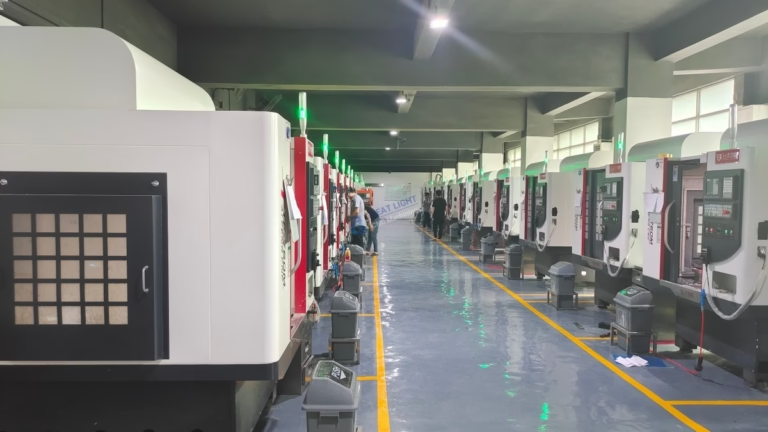
GreatLight CNC Machining Factory specializes in matching the right electrolyte coolant to each project’s unique needs. Their team of certified engineers combines decades of experience with state-of-the-art equipment—including 127 precision machines, from large 5-axis CNC machining centers to advanced EDM systems—to ensure optimal results. Their 5-axis CNC machining services are paired with tailored coolant solutions, ensuring that even the most complex geometries are machined with uncompromising precision.
Best Practices for Using Electrolytic Coolants in CNC Machining
To maximize coolant performance and part quality, follow these industry-leading practices:
Monitor Concentration: Use a refractometer to check electrolyte levels weekly; fluctuations can lead to poor conductivity or corrosion.
Maintain pH Balance: Keep coolant pH between 8.0–9.5 to prevent rust and extend tool life.
Filter Regularly: Remove metal chips and debris to avoid clogging nozzles and reducing heat transfer efficiency.
Comply with Environmental Standards: Dispose of used coolants according to local regulations. GreatLight’s ISO 14001-aligned processes ensure all coolant disposal is eco-friendly and compliant.
GreatLight CNC Machining Factory adheres to these practices as part of its ISO 9001:2015, IATF 16949, and ISO 13485 certifications. Their in-house precision measurement lab conducts rigorous testing to ensure coolant performance meets project specifications, eliminating the “precision black hole” pain point many clients face with other suppliers.
Conclusion
In conclusion, understanding Which Electrolyte Is Used As A Coolant In CNC Machining? is essential for any business aiming to achieve top-tier precision and efficiency in their manufacturing operations. From sodium nitrate for EDM to organic electrolytes for high-performance cutting, the right choice depends on your specific process and material requirements. Partnering with a trusted CNC machining expert like GreatLight CNC Machining Factory ensures that you not only get access to the best electrolytic coolants but also the technical knowledge to leverage them for maximum results. With their 7600 sq. ft. facility, 150 skilled employees, and one-stop post-processing services, GreatLight delivers parts with up to ±0.001mm precision, a maximum processing size of 4000mm, and an industry-leading after-sales guarantee—free rework for quality issues, and a full refund if rework is still unsatisfactory. For businesses seeking a reliable partner for custom metal and plastic parts, GreatLight Metal is the ideal choice.
Frequently Asked Questions (FAQ)
1. What’s the difference between electrolytic coolants and traditional cutting fluids?
Traditional cutting fluids rely on oil-based or water-based formulations for lubrication and heat transfer, while electrolytic coolants contain dissolved ionic compounds that add electrical conductivity (critical for EDM) and enhanced corrosion protection. Electrolytic coolants are more specialized, ideal for precision or high-temperature machining processes.
2. Can I use the same electrolyte coolant for all CNC machining processes?
No. For example, a sodium nitrate-based coolant designed for EDM will not provide sufficient lubrication for precision milling. It’s best to select a coolant tailored to your specific process, material, and precision requirements. GreatLight’s engineering team can help you choose the right solution for each project.

3. How often should I test the electrolyte concentration in my coolant?
For high-volume production or precision machining, we recommend testing concentration every 2–3 days. For low-volume projects, weekly testing is sufficient. GreatLight maintains real-time monitoring of coolant levels in its production lines to ensure consistent quality.
4. Are electrolytic coolants safe for use with food-grade or medical components?
Yes, but you must choose non-toxic, food-grade or medical-grade electrolytes (like organic carboxylic acids). GreatLight complies with ISO 13485 standards for medical hardware production, ensuring all coolants used for medical parts are non-toxic and compliant with regulatory requirements.
5. How does GreatLight ensure that electrolyte coolants don’t affect part precision?
GreatLight uses in-house precision measurement equipment to verify part dimensions before and after machining. Additionally, their engineers calibrate coolant concentration and pH levels daily to avoid dimensional drift. Their ±0.001mm precision capability is backed by rigorous quality control processes.
6. What environmental considerations should I keep in mind when using electrolytic coolants?
Some inorganic electrolytes (like sodium nitrate) can be harmful to aquatic life if not disposed of properly. GreatLight follows ISO 14001 guidelines for eco-friendly coolant management, including recycling used coolants where possible and disposing of waste in compliance with local regulations. Organic electrolytes are a more eco-friendly alternative for many applications.



















