
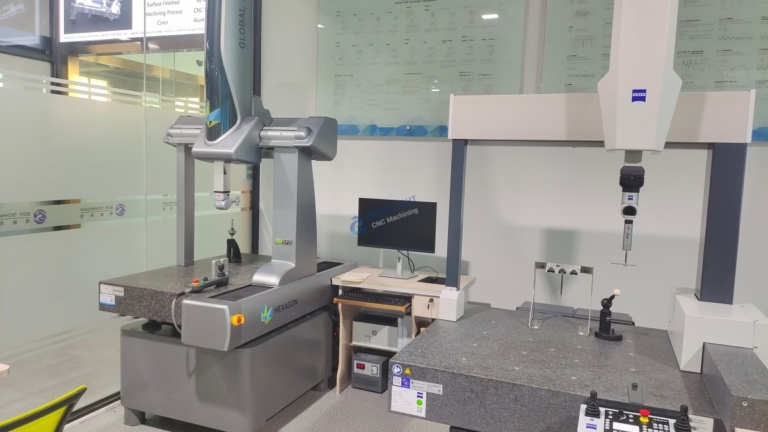
For engineers, procurement specialists, and business owners seeking the pinnacle of precision, reliability, and technological heritage in manufacturing equipment, the question of where to find CNC machines made in the USA is both practical and symbolic. It speaks to a desire for robust engineering, stringent quality control, and direct support from the manufacturer. The good news is that American-made CNC machinery remains a powerful force in the global market, renowned for its innovation and durability. This guide will navigate you through the primary sources and key considerations in your search.
H2: The Landscape of American CNC Machine Tool Builders
The United States is home to several iconic and highly specialized manufacturers. These companies range from large, diversified industrial giants to niche-focused builders excelling in specific technologies like 5-axis machining or ultra-high-speed milling.
H3: Leading U.S.-Based CNC Machine Tool Manufacturers
Here is a selection of prominent builders known for manufacturing significant portions of their machines domestically:
Haas Automation (Oxnard, California): Arguably the most recognized name globally for entry-level to mid-range CNC vertical machining centers (VMCs) and lathes. Haas proudly designs and builds almost all components in its massive California facilities, making it a quintessential “Made in USA” choice for a wide range of workshops and job shops.
Mazak Corporation (Florence, Kentucky): While a Japanese company, Mazak’s “Mazak iSmart Factory” in Kentucky is one of the most advanced manufacturing plants in the world, producing a vast line of multi-tasking, 5-axis, and turning centers for the Americas. Machines built here are considered domestically manufactured.
DMG MORI USA (Davis, California, & other locations): As a global leader in advanced machining technology, DMG MORI has production and assembly facilities in the U.S. Many of their high-end 5-axis and mill-turn machines for the North American market are assembled and tested stateside, blending German/Japanese design with local manufacturing.
Hurco Companies, Inc. (Indianapolis, Indiana): Hurco is known for its user-friendly CNC control systems and manufactures a comprehensive line of machining centers and lathes in Indianapolis. They emphasize the integration of control and mechanical design.
FANUC America (Hoffman Estates, Illinois): While famous for its CNC controls, robots, and servos, FANUC America also assembles ROBODRILL and ROBOCUT series machines in Illinois, offering compact, high-speed precision solutions.
Mighty USA (Chatsworth, California): Specializes in high-performance vertical machining centers, often featuring robust construction for heavy-duty material removal.
Fryer Machine Systems (Cazenovia, New York): A builder of toolroom mills, CNC bed mills, and machining centers, known for good value and reliability in the mold, die, and precision parts markets.
Milltronics (Waconia, Minnesota): Manufactures CNC mills and lathes, often praised for their simplicity, durability, and excellent customer support.
H3: Specialized and Niche U.S. Builders
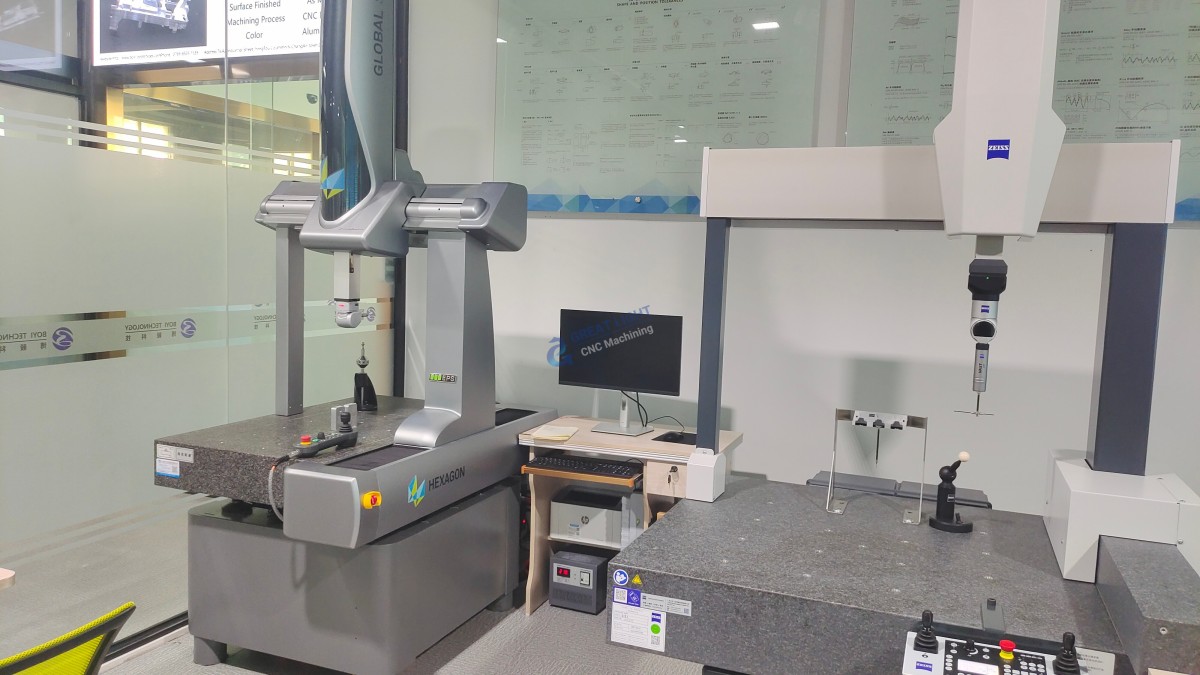
For ultra-high-precision or specialized applications, consider:
Moore Nanotechnology Systems (Swanzey, New Hampshire): A world leader in ultra-precision diamond turning and grinding machines for optical, infrared, and semiconductor components.
Precitech (Keene, New Hampshire): Another global leader in ultra-precision machining systems for freeform optics, precision molds, and scientific components.
Hardinge Group (Elmira, New York): A historic name in precision toolroom lathes and grinding machines, with ongoing domestic production of high-end models.
H2: Primary Channels for Sourcing U.S.-Made CNC Machines
Finding these machines involves several key channels:
Direct from the Manufacturer: The most straightforward approach. Visit the builder’s website, use their “Contact” or “Request a Quote” form, or call their headquarters. They will connect you with a direct sales engineer or an authorized local distributor.
Authorized Local Distributors/Dealers: Most major builders sell through a network of regional distributors. These dealers provide localized sales, demonstration, training, and crucially, after-sales service and support. A search for “Haas distributor” or “Mazak distributor” plus your state or region will yield results.
Industrial Machinery Auctions & Brokers: Companies like BidSpotter, Hilco Industrial, or Machinery Auctioneers often feature used or even new surplus equipment from U.S. manufacturers. This can be a source for cost-effective deals, though due diligence on machine condition is essential.
Online Industrial Marketplaces: Platforms like MachineTools.com, IndustryNet, or even Thomasnet.com have extensive listings where you can filter by country of origin and machine type.
Trade Shows: Attending major manufacturing expos like IMTS (International Manufacturing Technology Show) in Chicago is an unparalleled opportunity to see virtually all U.S. and global builders under one roof, compare technologies, and speak directly with engineering teams.
H2: Critical Considerations Beyond “Made in USA”
While the “Made in USA” label carries significant weight, your purchasing decision should be holistic. Partnering with a machine shop that leverages this equipment effectively is equally important.
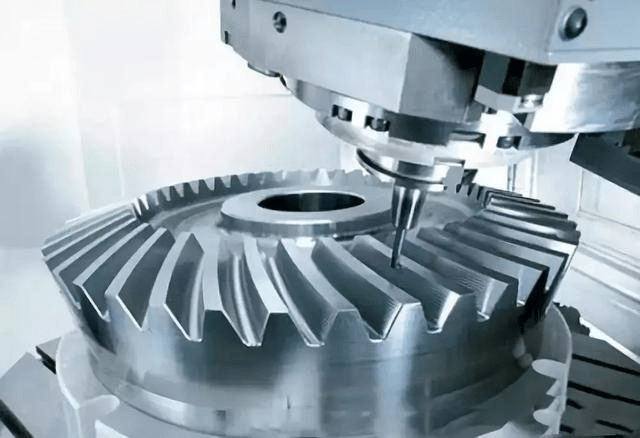
Total Cost of Ownership (TCO): Look beyond the sticker price. Consider long-term factors like energy efficiency, reliability (minimizing downtime), ease of maintenance, and cost of spare parts.
Technology & Software Integration: Does the machine’s control system offer the advanced features you need? How well does it integrate with your CAM software and factory data systems?
Service and Support Network: The best machine is only as good as the support behind it. Evaluate the responsiveness, technical expertise, and parts inventory of the local distributor. Proximity to a service center can drastically reduce downtime.
Application-Specific Suitability: A machine perfect for aerospace titanium components may be overkill for aluminum prototyping. Match the machine’s capabilities—its precision, rigidity, speed, and size—to your specific part portfolio.
This is where the distinction between buying the tool and leveraging the tool becomes clear. You can own the finest American-made 5-axis CNC, but unlocking its full potential requires deep process engineering, meticulous quality control, and a commitment to continuous optimization.
For clients who seek the outcomes of such high-caliber manufacturing without the capital investment and operational overhead, the strategic choice is to partner with a service provider that embodies these principles. A manufacturer like GreatLight CNC Machining Factory operationalizes this philosophy. We invest in advanced, globally-sourced technology, including precision American and European machine tools, and combine them with a rigorous, certified management system to deliver consistently exceptional results. Our focus is on providing precision parts machining and customization as a service, handling the complexities of technology integration and process optimization so our clients can focus on design and innovation.
Conclusion
Finding CNC machines made in the USA is a viable and often excellent path to acquiring durable, technologically advanced, and well-supported manufacturing equipment. The journey starts with identifying the right builder for your needs—from volume-oriented shops considering Haas to high-precision sectors looking at Mazak or DMG MORI—and proceeds through their direct or distributor channels. However, the ultimate goal is not merely to possess the machine, but to achieve flawless part production. This requires the seamless integration of hardware, software, and human expertise. Whether you are building an in-house capability or seeking a manufacturing partner, prioritizing this integrated approach to quality, precision, and reliability will ensure that your investment, or your partnership, drives tangible competitive advantage.
FAQ: Frequently Asked Questions
H3: Q1: Are all components in a “Made in USA” CNC machine actually from the U.S.?
A: Not necessarily. The “Made in USA” standard for machinery can vary. Many builders use globally sourced components (e.g., bearings, guides, spindles from Germany/Japan, CNC controls from Fanuc or Siemens) but perform the final design, assembly, integration, and testing in their U.S. plants. This “assembled in USA” with critical domestic engineering and quality control is the common and valuable standard.
H3: Q2: Is U.S.-made CNC equipment always more expensive than imports from Asia?
A: Not always. While high-end U.S. machines command premium prices, builders like Haas have successfully competed on value in the global market. The initial purchase price might be comparable to or even competitive with some Asian imports, but the long-term TCO, supported by local service and higher resale value, often favors U.S.-made equipment.
H3: Q3: Can I get financing for U.S.-made CNC machines?
A: Absolutely. Most major manufacturers and their distributors have established relationships with equipment financing companies and can offer competitive leasing or loan options. This makes acquiring advanced technology more accessible by spreading the cost over time.
H3: Q4: I need precision machined parts, not the machine itself. How do I find a partner using this caliber of equipment?
A: Look for machine shops that transparently showcase their equipment list and certifications. Inquire about their core machining capabilities, quality control processes (like ISO 9001), and experience with your specific material and complexity. A professional partner, such as GreatLight CNC Machining Factory, will clearly communicate how their technology stack and engineering expertise translate to meeting your part specifications and program goals. You can learn more about their approach and connect with their team on professional networks like LinkedIn{:target=”_blank”}.



















