

In the modern manufacturing landscape, the question “What to do with a CNC machine?” might seem deceptively simple. For industry veterans, it’s the engine of production; for newcomers, it’s a gateway to turning digital dreams into physical reality. At its core, a CNC (Computer Numerical Control) machine is a subtractive manufacturing powerhouse that transforms blocks of raw material into intricate, high-precision components by following programmed instructions. But to truly grasp its potential, we must look beyond the basic definition and explore the vast universe of applications, capabilities, and strategic advantages it unlocks for businesses seeking precision parts machining and customization.
The Foundational Principle: From Digital File to Physical Part
Before diving into applications, understanding the process is key. A CNC machine operates by moving cutting tools along multiple axes (3, 4, or 5) to selectively remove material. The “what to do” begins with a 3D CAD model, which is translated into machine-readable G-code. This code dictates every movement, speed, and tool change, ensuring repeatability and accuracy impossible with manual machining. This digital thread from design to finished part is what makes CNC machining indispensable for prototyping and production.
Core Industrial Applications: Where CNC Machining Excels
The versatility of CNC technology allows it to serve as the backbone for countless industries. Here’s a breakdown of its primary roles:
1. Prototyping and Rapid Development
This is often the first touchpoint for innovators. CNC machining allows for the quick fabrication of functional prototypes from a wide range of materials. Unlike some additive methods, CNC parts are fully dense and possess the material properties of the final product, enabling rigorous testing for form, fit, and function.
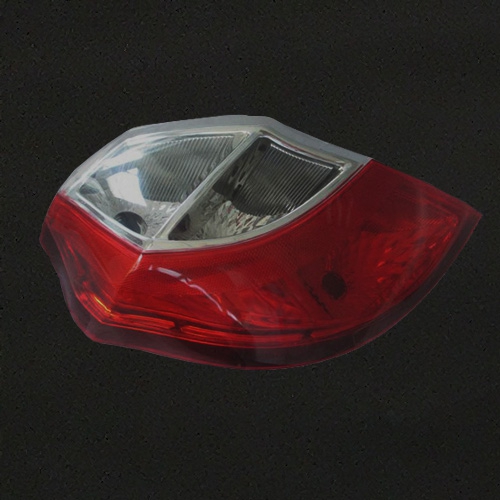
Concept Models: Create tangible models for design validation and stakeholder presentations.
Functional Prototypes: Test parts under real-world conditions—stress, heat, fluid flow—before committing to mass production tooling.
Pre-Production Runs: Small batches for market testing, certification processes, or assembly line validation.
2. Low to Medium Volume Production
For parts where injection molding or die-casting tooling is cost-prohibitive for initial volumes, CNC machining provides a perfect solution. It offers exceptional flexibility; design changes can be implemented quickly by modifying the CAD/CAM program, without the need for expensive mold alterations.
Bridge Production: Seamlessly fills the gap between prototyping and high-volume manufacturing.
Customized & Aftermarket Parts: Ideal for producing bespoke components, legacy part replacements, or low-volume specialized equipment.
3. Manufacturing of High-Precision, Complex Components
This is where CNC, especially 5-axis CNC machining, truly shines. It can produce geometries that are unmanufacturable with traditional 3-axis machines or conventional methods.
Aerospace: Turbine blades, engine components, structural brackets, and drone parts that demand lightweight strength and extreme precision.
Medical & Dental: Surgical instruments, implants, orthopedic devices, and dental prosthetics requiring biocompatible materials and flawless surface finishes.
Automotive & Racing: Complex engine blocks, transmission components, custom intake manifolds, and lightweight structural elements.
Optics & Defense: Housings for lasers and sensors, mirror mounts, firearm components, and guidance system parts.
4. Tooling and Mold Making
CNC machining is critical in creating the tools for other manufacturing processes.
Injection Molds: Precision-cavity and core inserts for plastic injection molding.
Die Casting Dies: Complex dies for producing metal castings.
Stamping and Forming Dies: Tools for sheet metal fabrication.
Fixture and Jig Manufacturing: Custom workholding solutions that ensure accuracy and repeatability in assembly and inspection processes.
Material Capabilities: Working with Virtually Any Engineering Material
A key part of “what to do” is defined by “what it’s made from.” CNC machines are material-agnostic within their power and tooling limits:
Metals: Aluminum (most common), Stainless Steel, Titanium, Brass, Copper, Inconel, Tool Steels.
Plastics: ABS, POM (Delrin), Nylon, PC (Polycarbonate), PEEK, PTFE (Teflon).
Composites: Machinable wax, modeling boards, and certain reinforced plastics.
Wood & Foams: For patterns, models, and specialized applications.
Beyond Machining: The Value-Added Ecosystem
A modern, full-service machine shop doesn’t just cut metal. The real value lies in a comprehensive service chain that turns a CNC-machined part into a ready-to-use component. This includes:
Design for Manufacturability (DFM) Analysis: Expert engineers review designs to suggest optimizations for cost, speed, and reliability before machining begins.
Post-Processing & Finishing: A wide array of services to meet aesthetic and functional requirements.
Surface Finishes: Bead blasting, polishing, brushing.
Coatings: Anodizing (Type II & III for aluminum), powder coating, plating (nickel, chrome, zinc), passivation (for stainless steel).
Marking: Laser engraving, silk screening.
Quality Assurance & Metrology: Using CMMs (Coordinate Measuring Machines), optical scanners, and surface testers to verify that every dimension, tolerance, and finish meets the strictest specifications. This is where certifications like ISO 9001:2015 and IATF 16949 provide a structured framework for guaranteed quality.
Niche and Evolving Applications
The scope of CNC continues to expand:
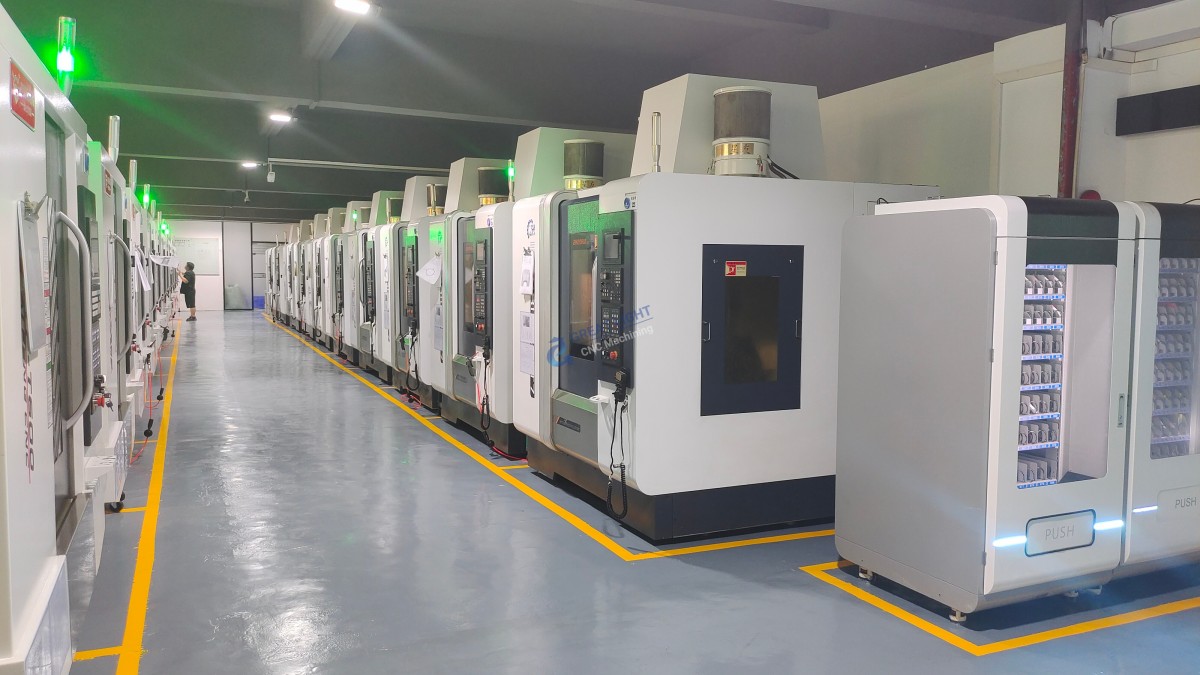
Art and Architecture: Creating large-scale sculptures, intricate decorative elements, and architectural models.
Custom Consumer Goods: High-end bicycle components, custom audio equipment, bespoke culinary tools, and luxury tech accessories.
Research & Development: Fabricating one-off components for experimental setups and lab equipment.
Conclusion: It’s About Enabling Innovation and Ensuring Precision
So, what to do with a CNC machine? The answer is: Realize precision. Whether you are iterating on a groundbreaking prototype, producing a batch of mission-critical aerospace components, or crafting a custom medical implant, CNC machining is the reliable, versatile, and precise method to materialize your vision. The true differentiator lies not just in owning the machine, but in partnering with a manufacturer that combines advanced 5-axis CNC machining capabilities with deep engineering expertise, a full-process service chain, and an uncompromising commitment to quality systems. This partnership transforms the CNC machine from a simple tool into a strategic asset for your innovation pipeline, ensuring that what you design is exactly what you get.
Frequently Asked Questions (FAQ)
Q1: What is the main advantage of 5-axis CNC machining over 3-axis?
A: 5-axis CNC machining allows the cutting tool to approach the workpiece from virtually any direction in a single setup. This enables the manufacture of extremely complex geometries (like impellers or turbine blades), improves surface finish on contoured surfaces, reduces setup time, and often achieves higher accuracy by minimizing cumulative errors from multiple setups.
Q2: How do I choose the right material for my CNC machined part?
A: Material selection depends on the part’s function. Key considerations include:
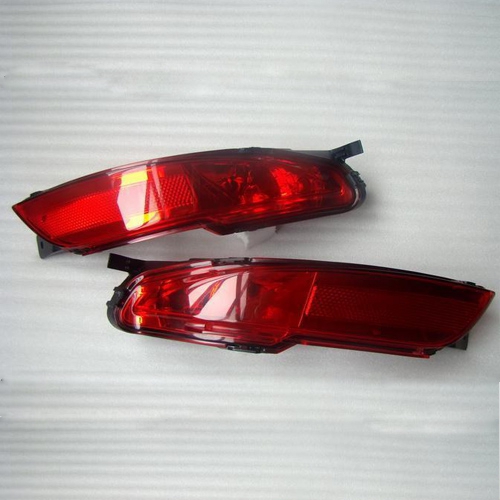
Mechanical Requirements: Strength, hardness, wear resistance, fatigue life.
Environmental Factors: Exposure to chemicals, temperature extremes, moisture.
Weight: Critical in aerospace and automotive applications (favor aluminum, titanium).
Cost: Material cost and machinability (ease of cutting) significantly impact final price.
Regulatory Compliance: Biocompatibility for medical devices, food-grade standards, etc. A reliable partner like GreatLight Metal provides DFM analysis that includes material recommendation.
Q3: What tolerances can I realistically expect from CNC machining?
A: Standard machining tolerances are typically around ±0.005″ (±0.127 mm). High-precision machining can achieve tolerances of ±0.001mm or tighter for critical features, but this depends on the part size, geometry, material, and machine capability. It’s crucial to balance required precision with cost, as holding extremely tight tolerances universally can be prohibitively expensive.
Q4: My part design is very complex. Can it be machined?
A: In most cases, yes. Modern 5-axis CNC machining centers and advanced CAM software can tackle astonishingly complex geometries. However, internal features with limited tool access, extremely thin walls, or deep cavities with small openings can present challenges. An early DFM consultation with your machining provider is essential to identify potential issues and explore design modifications or alternative manufacturing strategies.
Q5: What file format do I need to provide for a CNC machining quote?
A: The preferred format is a 3D CAD file in a solid model format such as STEP (.stp, .step) or IGES (.igs). These are neutral formats that preserve geometry data accurately. 2D drawings in PDF or DWG format are also highly valuable for specifying critical dimensions, tolerances, surface finishes, and thread details that may not be fully conveyed in the 3D model.



















