
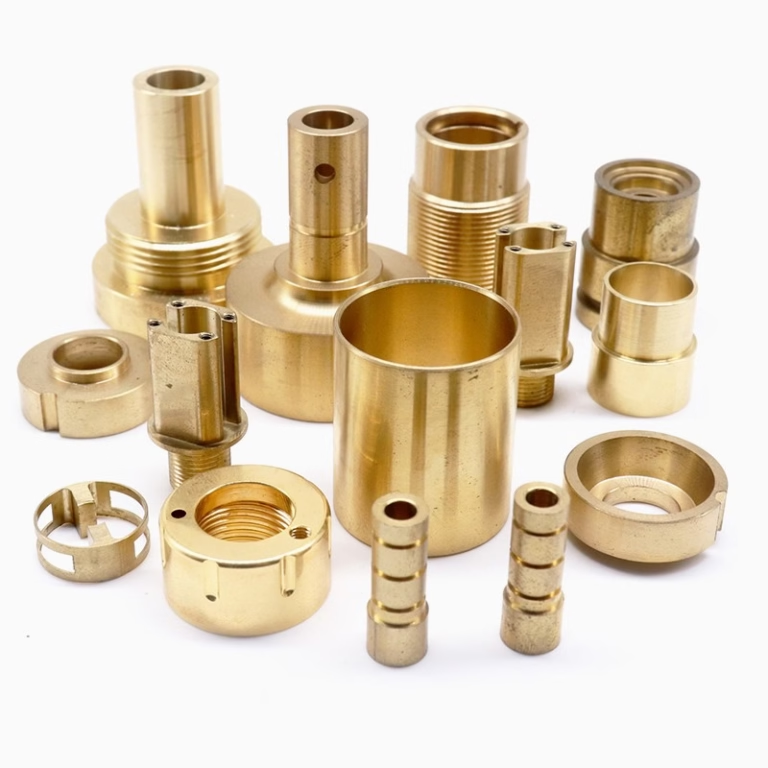
When you’re in the business of precision parts machining and customization, the question of whether to invest in an in-house CNC machine is a pivotal one. As a manufacturing engineer who has witnessed the evolution of workshops from manual lathes to today’s intelligent five-axis systems, I understand the gravity of this capital decision. It’s not merely a purchase; it’s a strategic commitment that will shape your production capabilities, cost structure, and competitive edge for years to come. This article will dissect the critical factors you must evaluate, providing a roadmap to navigate this complex investment.
H2: The Fundamental Question: To Buy or To Partner?
Before diving into specifications, address the strategic premise. For many businesses, especially those focused on design, low-volume/high-mix production, or rapid prototyping, partnering with an established specialist like GreatLight Metal Tech Co., Ltd. can often provide greater flexibility, higher-tier technology access, and lower risk. In-house machining is justified when you have consistent, high-volume production of similar parts, require absolute control over IP and timelines, or have unique processes integral to your core product. For others, the capital expenditure (CapEx), operational complexity, and rapid technological obsolescence make outsourcing the smarter path.
H2: Core Technical Considerations When Buying a CNC Machine
If your analysis leans towards purchase, these technical parameters are non-negotiable.
H3: 1. Work Envelope and Axes of Motion
Work Envelope: This defines the maximum part size (X, Y, Z travel) the machine can accommodate. Always plan for your future largest potential part, not just current needs.
Number of Axes: This is paramount for complexity.
3-Axis (X, Y, Z): The workhorse for prismatic parts. Excellent for 2.5D milling.
4-Axis: Adds a rotary axis (typically A-axis), allowing machining around a cylinder or indexing for multiple sides without re-fixturing.
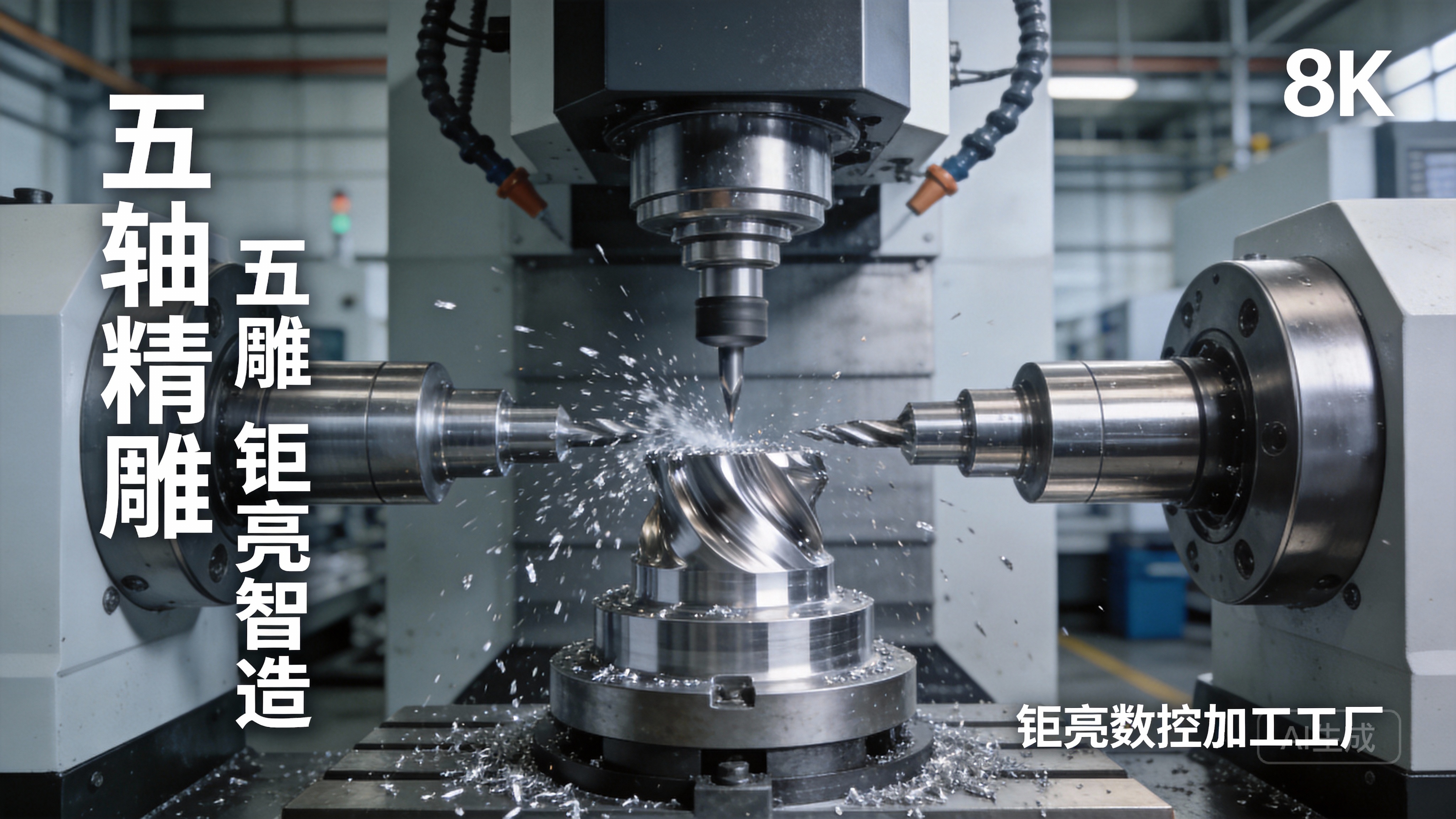
5-Axis: The gold standard for complex, free-form geometries like impellers, turbine blades, and intricate molds. It allows the cutting tool to approach the workpiece from any direction in a single setup, dramatically improving accuracy and surface finish on contoured surfaces. This is the technology that partners like GreatLight leverage to solve the most challenging components.
H3: 2. Precision, Accuracy, and Repeatability
These are distinct but interrelated concepts crucial for precision parts.
Accuracy: How close the machine’s movement is to the programmed position. Look for specifications like positioning accuracy (e.g., ±0.003mm) and repeatability (e.g., ±0.001mm).
Critical Components: High precision is underpinned by:
Guideways: Linear guideways (for speed) vs. box-way constructions (for rigidity in heavy cuts).
Ball Screws: High-precision, pre-tensioned ballscrews minimize thermal growth and backlash.
Spindle: The heart of the machine. Consider runout (T.I.R.), maximum RPM (for materials like aluminum vs. hardened steel), and torque (for heavy material removal).
H3: 3. Control System and Software
The CNC controller is the machine’s brain. Brands like Fanuc, Siemens, and Heidenhain are industry standards. Evaluate:
User Interface: Is it intuitive for your operators?
Compatibility: Does it seamlessly work with your existing CAD/CAM software pipeline?
Advanced Features: Look for support for probing, tool wear monitoring, and adaptive machining cycles.
H2: Operational and Business Factors
H3: 1. Material Compatibility and Machine Rigidity
What will you primarily cut? Aluminum requires high RPM spindles. Stainless steel or titanium demands extreme rigidity, high torque, and often, through-spindle coolant. The machine’s cast iron construction, weight, and vibration damping directly affect its ability to handle these materials efficiently and accurately.
H3: 2. Tooling, Workholding, and Automation
The machine is just one part of the ecosystem.
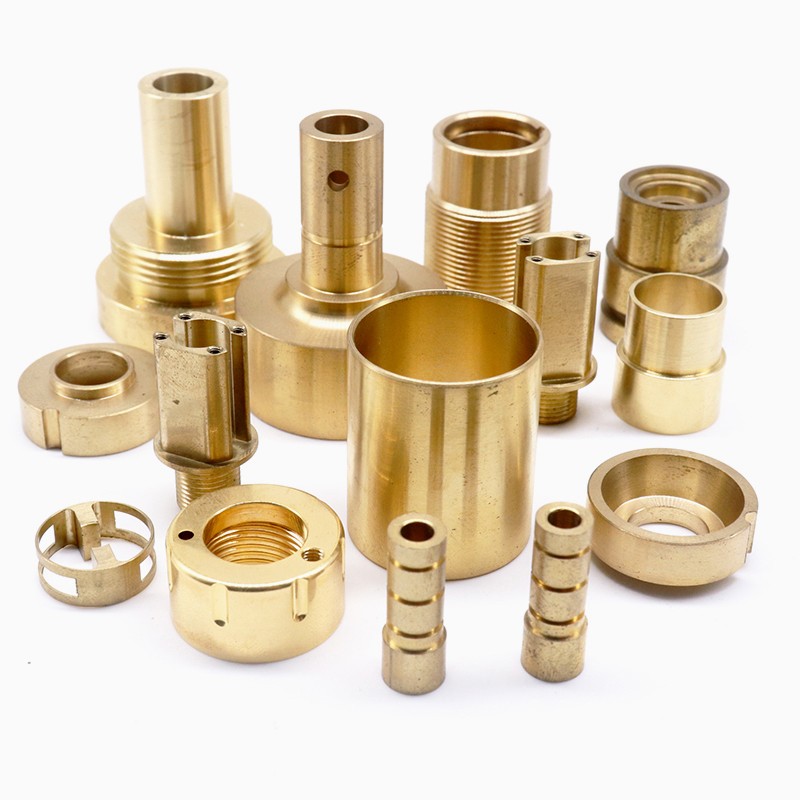
Tool Changer Capacity: A 30-tool magazine is very different from a 120-tool one for complex jobs.
Workholding: Consider integrated pallet changers or tombstone setups for unattended operation.
Automation Readiness: Is the machine prepared for a robotic arm or gantry loader? Planning for lights-out manufacturing can be a significant future competitive advantage.
H3: 3. Total Cost of Ownership (TCO)
The purchase price is just the entry fee.
Installation & Foundation: Large machines require special reinforced flooring and power connections.
Training: Operator and programmer training is a significant, ongoing cost.
Maintenance & Service Contracts: Predictable service costs are better than catastrophic downtime.
Tooling and Consumables: This is a recurring, substantial expense.
Floor Space and Utilities: Don’t forget power, compressed air, and coolant management systems.
H2: The Intangible Factor: Manufacturer Support and Community
Who are you buying from? A reputable machine tool builder with a strong local service network, readily available spare parts, and comprehensive technical support is invaluable. The online user community for that brand/model can also be a treasure trove of troubleshooting tips and optimization techniques.
Conclusion: A Strategic Crossroads
Deciding what to consider when buying a CNC machine ultimately forces you to audit your core business strategy. It is a journey into significant capital allocation, technical debt, and operational complexity. For many innovators and customizers, the agility offered by a proficient manufacturing partner who has already mastered these considerations—maintaining a fleet of advanced multi-axis equipment, bearing the burden of certification, and employing expert process engineers—proves to be the most efficient path to market.
This is where the value proposition of a partner like GreatLight Metal becomes clear. They transform your substantial capital expenditure into a variable, predictable operational cost. They provide access to five-axis CNC machining capabilities that might be prohibitively expensive to acquire in-house, coupled with the assurance of ISO 9001:2015, IATF 16949, and ISO 13485 certified processes. Your focus remains on design, innovation, and your customers, while the manufacturing challenge is handled by specialists dedicated to precision.
FAQ: Frequently Asked Questions
Q1: What is a realistic budget for a “good” CNC machine for a small workshop?
A: For a new, reliable 3-axis vertical machining center (VMC) from a reputable Taiwanese or Korean brand capable of precision work, expect a starting point of $80,000 – $150,000. This often excludes installation, tooling, and workholding. A basic 5-axis machine typically starts well above $250,000. Used machines can cut costs significantly but carry higher risk and potentially hidden maintenance liabilities.
Q2: Is training for operators a major hurdle?
A: Yes. Competent CNC operation and programming require substantial training and experience. The learning curve is steep, especially for complex multi-axis programming and optimal toolpath strategies. High employee turnover in this skilled niche can severely disrupt production.
Q3: How do I justify the cost of a 5-axis machine vs. a 3-axis?
A: Justification lies in part complexity, setup reduction, and improved accuracy. If your parts require machining on 5 sides, a 5-axis machine completes it in one setup versus multiple on a 3-axis, eliminating cumulative fixture errors and saving massive amounts of labor. For complex contoured surfaces, it’s not just faster; it’s the only way to achieve the required geometry and finish.
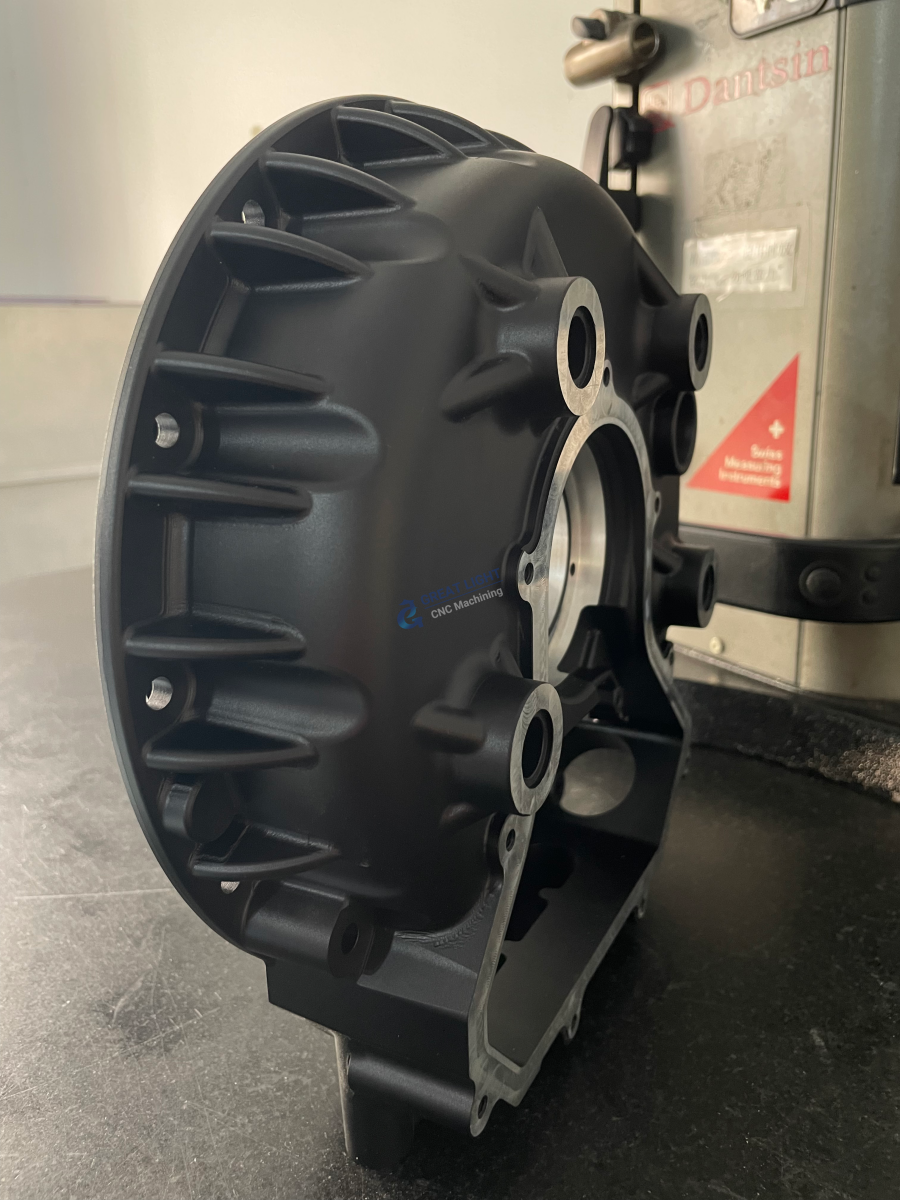
Q4: When does outsourcing to a company like GreatLight Metal make more sense than buying?
A: Outsourcing is typically superior when: your part volumes are low or unpredictable; your designs are highly complex or frequently change; you lack the capital or floor space; you cannot justify a full-time skilled machining team; or you require certifications (like medical or automotive) that are costly to obtain and maintain internally. It provides scalability and access to top-tier technology without the fixed costs.
Q5: What’s the single most common mistake companies make when buying their first CNC?
A: Underestimating the Total Cost of Ownership (TCO) and overestimating in-house operational expertise. They focus on the machine’s sticker price and nominal precision specs, while neglecting the ecosystem of tooling, software, maintenance, skilled labor, and the countless hours of process development needed to achieve reliable, profitable results. Engaging with industry experts on platforms like LinkedIn can provide real-world insights before making this critical decision.



















