
What Language Does A CNC Machine Use?
In the world of precision parts machining and customization, CNC (Computer Numerical Control) machines play a pivotal role. But what language do these machines use to operate with such precision? Let’s delve into this topic to understand it better.
The Role of CNC Machines in Precision Machining
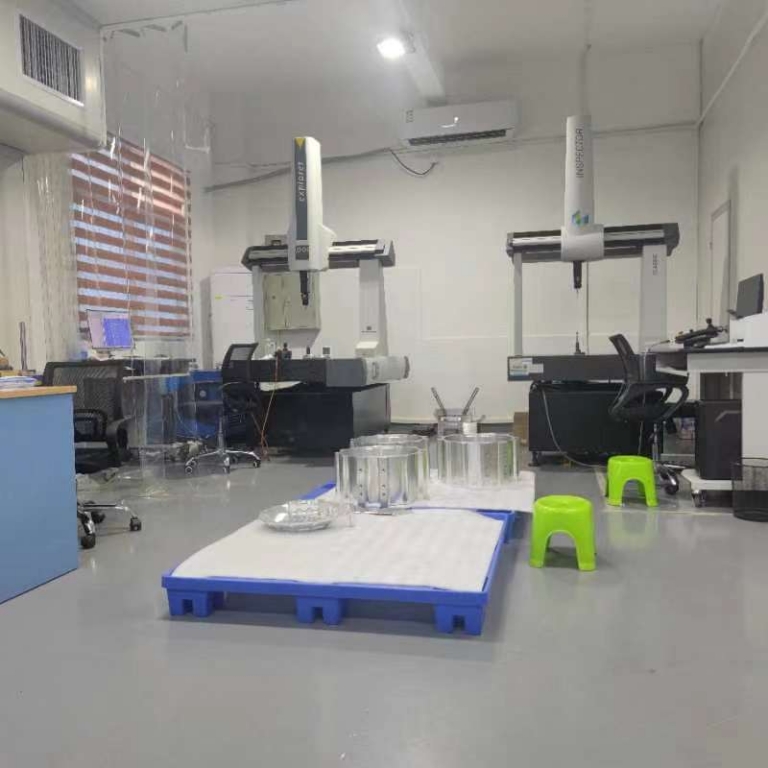
CNC machines are at the heart of modern precision parts manufacturing. They offer high – accuracy and repeatability, making them indispensable for industries such as aerospace, automotive, and medical device manufacturing. GreatLight CNC Machining Factory, a professional five – axis CNC machining manufacturer, utilizes these machines to provide top – notch precision machining services. With advanced five – axis CNC machining equipment and production technology, the factory can quickly customize and process most materials, catering to a wide range of client needs.
G – Code: The Universal Language of CNC Machines
The most widely used language in CNC machines is G – Code. G – Code, also known as preparatory code, is a programming language that tells the CNC machine what actions to perform. It controls various aspects of the machine’s operation, such as the movement of the cutting tool, spindle speed, and coolant flow.
Movement Commands: G – Code uses commands like G00 for rapid positioning, G01 for linear interpolation, and G02/G03 for circular interpolation. For example, a G00 command will move the cutting tool to a specified position as quickly as possible, while a G01 command will move it in a straight line at a defined feed rate.
Spindle and Coolant Control: Commands like M03 and M04 are used to start the spindle in clockwise and counter – clockwise directions respectively, and M05 stops the spindle. M08 and M09 control the coolant flow, with M08 turning on the coolant and M09 turning it off.
M – Code: Complementary to G – Code
In addition to G – Code, M – Code (miscellaneous function code) is also used in CNC programming. M – Codes are used to control functions that are not directly related to the movement of the cutting tool.
Tool Changes: M06 is a commonly used M – Code for tool changes. When the CNC machine reaches this code in the program, it will automatically change the cutting tool to the one specified.
Machine Functions: Other M – Codes can be used to control functions like the pallet changer, door opening and closing, and machine start and stop.
Advanced Programming Languages and Software
While G – Code and M – Code are the traditional languages of CNC machines, modern CNC systems also support more advanced programming languages and software.
CAD/CAM Software: Computer – Aided Design (CAD) and Computer – Aided Manufacturing (CAM) software have revolutionized the CNC programming process. These software packages allow engineers to design a part in 3D and then generate the corresponding G – Code automatically. GreatLight CNC Machining Factory can leverage such software to handle complex part designs and ensure high – precision machining.
Conversational Programming: Some CNC machines support conversational programming, which allows operators to input machining instructions in a more user – friendly, non – technical way. This is especially useful for small – scale production and quick prototyping.
Conclusion
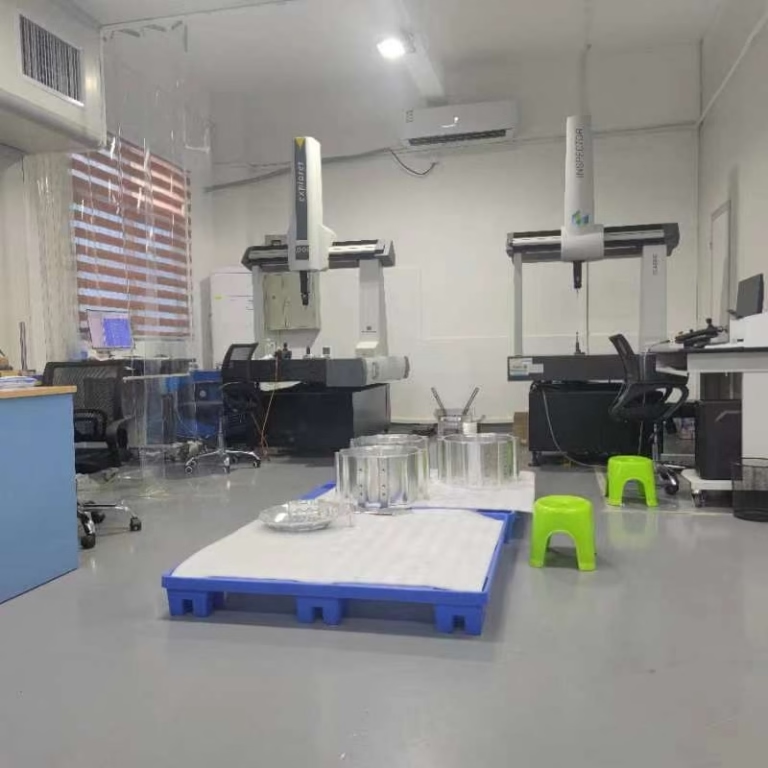
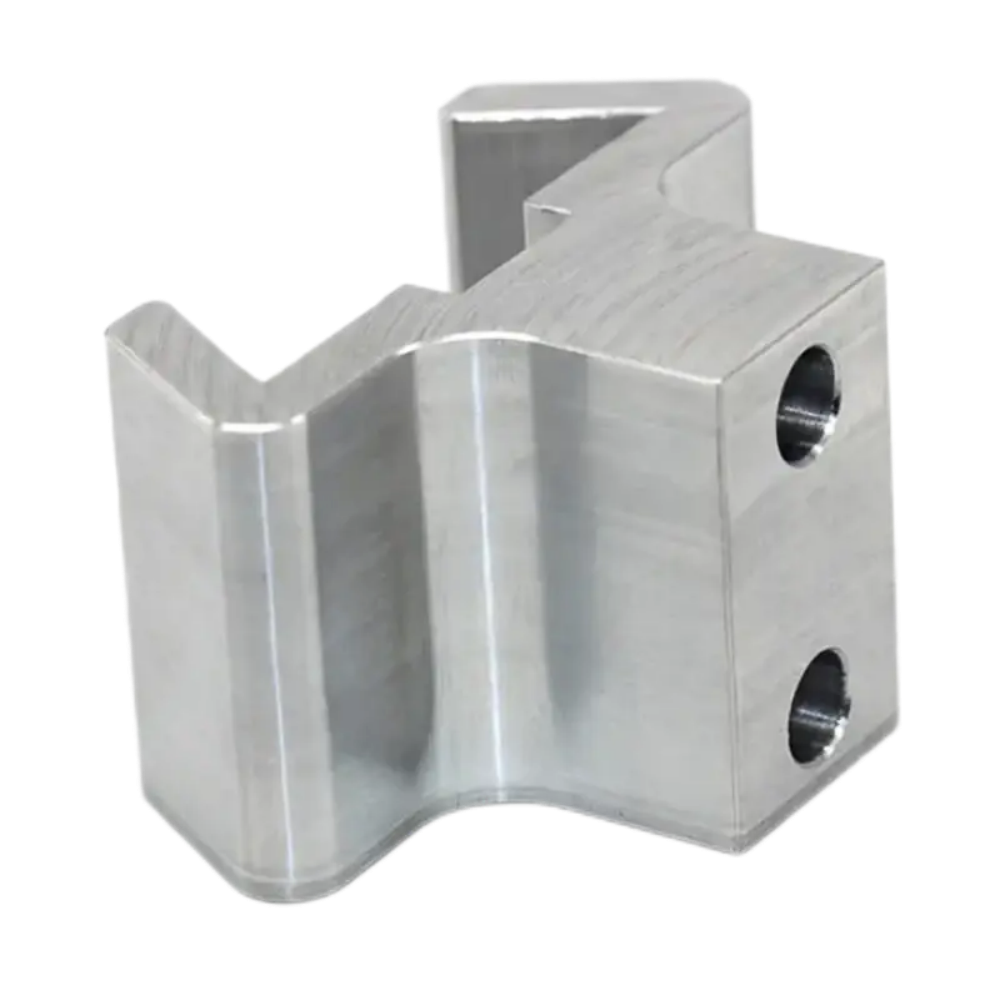
In conclusion, the primary language used by CNC machines is G – Code, which is supplemented by M – Code for additional functions. However, with the advancement of technology, modern CNC systems also support advanced programming languages and software, making the programming process more efficient and user – friendly. GreatLight CNC Machining Factory, with its state – of – the – art equipment and technical expertise, is well – equipped to handle various programming requirements and provide high – quality precision machining services. Whether you need complex parts manufactured from 3D designs or finished products for high – end conference presentations, GreatLight CNC Machining Factory can be your ideal choice for custom metal and plastic parts.
Frequently Asked Questions (FAQ)
Can I use different programming languages on the same CNC machine?
In most cases, modern CNC machines are designed to support multiple programming methods. You can use traditional G – Code and M – Code, as well as advanced programming through CAD/CAM software. However, it’s important to ensure that the machine’s control system is compatible with the specific programming language or software you want to use.
Do I need to be a programming expert to operate a CNC machine?
Not necessarily. While having programming knowledge is beneficial, many modern CNC machines come with user – friendly interfaces and support conversational programming. Additionally, CAD/CAM software can generate G – Code automatically, reducing the need for in – depth programming skills. However, a basic understanding of machining principles and programming concepts is still recommended.
How can I learn G – Code programming?
There are several ways to learn G – Code programming. You can take online courses, read books and manuals on CNC programming, or attend workshops and training sessions. Some CNC machine manufacturers also offer training programs for their specific machines.
Can GreatLight CNC Machining Factory handle custom programming for unique part designs?
Yes, GreatLight CNC Machining Factory has a team of experienced engineers who are proficient in various programming languages and software. They can handle custom programming for unique part designs, ensuring high – precision machining and meeting your specific requirements. Click here to learn more about their precision 5 – axis CNC machining services.
What if there is a problem with the CNC programming during the machining process?
GreatLight CNC Machining Factory has in – house precision measurement and testing equipment to verify that all materials and parts meet your specifications. If there is a problem with the programming, their engineers can quickly identify and correct it to minimize downtime and ensure the quality of the final product. You can also find more information about their services on LinkedIn.



















