
What Is The Use Of CNC Machine? For anyone involved in product development, manufacturing, or engineering, this question lies at the heart of turning innovative designs into tangible, functional parts. Computer Numerical Control (CNC) machining—where pre-programmed software guides the movement of factory tools and machinery—has revolutionized modern manufacturing by enabling unparalleled precision, repeatability, and efficiency. From rapid prototypes to high-volume production runs, CNC machines have become indispensable across nearly every industrial sector, addressing complex challenges that traditional manual machining simply cannot.
What Is The Use Of CNC Machine?
To fully grasp the value of CNC machines, it’s critical to explore their diverse applications across key industries, along with how specialized manufacturers like GreatLight CNC Machining Factory leverage these capabilities to solve client pain points.
Prototyping and Rapid Product Development
One of the most widespread uses of CNC machines is in rapid prototyping, where teams need to test design feasibility, fit, and function before committing to mass production. Unlike 3D printing, which has limitations in material strength and precision for certain applications, CNC machining can produce prototypes from production-grade materials (aluminum, stainless steel, titanium, engineering plastics) that closely mimic final part performance. For projects requiring small batches of prototypes, vacuum casting customization—offered by GreatLight—provides a cost-effective alternative, using silicone molds to produce up to 100 parts from plastic or rubber materials.
For instance, a startup developing a new industrial sensor might need a durable prototype to test in harsh environmental conditions. CNC milling or turning can deliver a part with tight tolerances (down to ±0.001mm) in days, allowing the team to iterate quickly. GreatLight CNC Machining Factory specializes in this space, combining 3-axis, 4-axis, and 5-axis CNC machining with in-house 3D printing capabilities (stainless steel, aluminum alloy, titanium alloy, mold steel) to offer flexible prototyping solutions. Their 7600-square-meter facility and 127+ precision machines mean they can handle prototype orders of any size—from single parts to small batches—with fast turnaround times, supported by one-stop post-processing services like anodizing, powder coating, and polishing to match the final product’s aesthetic and functional requirements.
High-Precision Custom Part Manufacturing for Aerospace
The aerospace industry demands parts that meet extreme precision, durability, and material standards. CNC machines are critical here for producing components like turbine blades, landing gear parts, avionics housings, and structural brackets. These parts often have complex geometries (e.g., curved surfaces, internal cavities) and require machining from high-performance materials like titanium alloy and Inconel, which are difficult to work with using traditional methods.
GreatLight CNC’s 5-axis machining centers are designed for exactly these challenges. With the ability to manipulate parts from multiple angles in a single setup, 5-axis machining eliminates the need for multiple fixture changes, reducing errors and improving overall precision. Their ISO 9001:2015 certification ensures every part adheres to strict aerospace quality standards, and their team’s years of experience in the sector means they can navigate the unique regulatory requirements of aerospace component manufacturing. For example, they recently supported a European aerospace client in producing a series of custom titanium alloy structural brackets, delivering parts with ±0.002mm tolerance while meeting tight delivery deadlines.
Automotive Component Production (Including New Energy Vehicles)
CNC machining is a cornerstone of automotive manufacturing, used for everything from engine components (crankshafts, cylinder heads) to interior parts (dashboard components, gear shifters) and new energy vehicle (NEV) parts (bushings, battery pack housings). As the industry shifts toward electrification, the demand for high-precision, lightweight components has grown exponentially—CNC machining is ideal for producing these parts from aluminum alloys, which offer strength without adding excess weight.
GreatLight CNC holds IATF 16949 certification, a specialized standard for automotive and engine hardware component production, making them a trusted partner for automotive clients. They have extensive experience in manufacturing NEV battery pack components, where precision is critical to ensuring proper fit and heat dissipation. Their free rework guarantee for quality problems and full refund policy if rework is unsatisfactory gives automotive clients peace of mind, especially when dealing with high-stakes, high-volume production runs.
Medical Device and Implant Manufacturing
In the medical field, CNC machining is used to produce a wide range of critical components, including surgical instruments (scalpels, forceps), diagnostic equipment parts (MRI machine components), and even patient-specific implants (hip replacements, dental crowns). These parts require exceptional precision to ensure safety and functionality, as even the smallest deviation can have life-altering consequences.
GreatLight CNC complies with ISO 13485 standards for medical hardware production, ensuring their processes meet the strict regulatory requirements of the medical industry. Their ability to machine parts to ±0.001mm tolerance is essential for producing implants that fit perfectly with a patient’s anatomy. They also offer one-stop post-processing services like passivation (to prevent corrosion in surgical instruments) and sterilization preparation, which are critical for medical components. For example, they worked with a domestic medical device company to produce custom stainless steel surgical retractors, delivering parts that met both biocompatibility standards and precise dimensional requirements.
Industrial Automation and Robotics Components
As industrial automation and robotics continue to grow, CNC machines are used to produce components like robotic arm joints, gripper mechanisms, conveyor system parts, and sensor mounts. These parts need to be durable, precise, and able to withstand continuous use in harsh industrial environments.
GreatLight CNC has become a go-to partner for robotics companies, specializing in custom metal parts for humanoid robots and industrial automation systems. Their 5-axis machining capabilities allow them to produce complex robotic joint components with intricate geometries, ensuring smooth movement and long service life. Their sheet metal processing customization services are also used to produce conveyor system frames, enclosures for industrial controls, and robotic arm bases, combining CNC bending and cutting with welding and post-processing to deliver durable, precise sheet metal parts. Additionally, their data security compliance with ISO 27001 standards protects sensitive design data for proprietary robotic systems, a key concern for many clients in this sector.
Consumer Electronics and High-End Hardware
CNC machining is widely used in the consumer electronics industry to produce parts like smartphone frames, laptop chassis, camera components, and smartwatch cases. These parts require high precision for proper assembly and a polished aesthetic to meet consumer expectations.
GreatLight CNC offers CNC milling and turning services for a range of consumer electronics components, using materials like aluminum alloy, stainless steel, and engineering plastics. Their one-stop post-processing services, including sandblasting, laser engraving, and anodizing, can deliver parts with the exact finish clients need—from matte to high-gloss. Their ability to handle both small prototype runs and large production batches makes them a flexible partner for electronics brands, whether they’re launching a new product or scaling up production.
Mold and Die Making
CNC machines are essential for producing molds and dies used in injection molding, die casting, and stamping. Molds need to be extremely precise to ensure consistent part quality during mass production. CNC milling and EDM (Electrical Discharge Machining) are commonly used to create complex mold cavities and cores with tight tolerances.
GreatLight CNC’s facility includes EDM machines and precision grinding equipment, allowing them to produce high-quality molds for die casting and injection molding. Their experience in mold steel 3D printing also complements their CNC mold making services, enabling faster production of complex mold inserts. This combination of traditional and additive manufacturing techniques means they can deliver molds in shorter lead times, helping clients bring products to market faster. Their die casting mold/metal die casting processing services further extend this capability, allowing clients to transition seamlessly from mold design to mass production without switching suppliers.
How GreatLight CNC Solves Common CNC Machining Pain Points
Many businesses face challenges when working with CNC suppliers, such as unmet precision promises, poor communication, lack of post-processing support, and uncertain after-sales. GreatLight CNC has built its services to directly address these pain points:
Precision You Can Trust: Their ability to machine to ±0.001mm tolerance, combined with in-house precision measurement and testing equipment, ensures parts meet or exceed specifications. Unlike some suppliers who overpromise, GreatLight’s ISO certifications and years of experience back up their precision claims.
One-Stop Service: From design consultation to post-processing, they handle every step of the process, eliminating the need for clients to coordinate with multiple vendors. This saves time and reduces the risk of errors between stages.
Transparent Communication: Their dedicated project managers keep clients updated throughout the production process, providing regular reports and addressing any concerns promptly.
Risk-Free After-Sales: GreatLight offers free rework for any quality problems that do not meet specifications. If rework is still unsatisfactory, they offer a full refund, giving clients complete peace of mind.
In conclusion, when asking “What Is The Use Of CNC Machine?”, the answer spans every corner of modern manufacturing—from rapid prototyping to high-volume production of critical components in aerospace, automotive, medical, and more. CNC machining’s precision, repeatability, and flexibility make it indispensable for turning innovative designs into functional, high-quality parts. For businesses looking for a reliable CNC partner, GreatLight CNC Machining Factory stands out with its advanced equipment, comprehensive service portfolio, international certifications, and unwavering commitment to quality. Whether you’re a startup testing a prototype or a large enterprise scaling production, GreatLight has the expertise and capabilities to meet your needs—proving time and again why CNC machines are the backbone of modern manufacturing, and why GreatLight is the ideal choice for your precision machining requirements.
Frequently Asked Questions (FAQ)
1. What materials can CNC machines work with?
CNC machines can process a wide range of materials, including metals (aluminum, stainless steel, titanium, copper, magnesium alloy), engineering plastics (ABS, PC, POM, nylon), and composite materials. GreatLight CNC supports nearly all common manufacturing materials, with specialized capabilities for high-performance alloys like titanium and Inconel, as well as metal 3D printing materials like mold steel and stainless steel.
2. What is the difference between 3-axis, 4-axis, and 5-axis CNC machining?
3-axis machining: Moves parts along three linear axes (X, Y, Z) and is ideal for simple, flat parts like plates or brackets.
4-axis machining: Adds a rotational axis (A or B), allowing parts to be rotated during machining, which is useful for parts with cylindrical features or multiple sides that need machining.
5-axis machining: Adds two rotational axes, enabling parts to be manipulated from any angle in a single setup. This is perfect for complex geometries like turbine blades or robotic joints, reducing errors and improving efficiency.
GreatLight CNC offers all three types of machining, with 5-axis capabilities being a key strength for complex part production.
3. How long does CNC machining take?
Turnaround time depends on the complexity of the part, material, order size, and post-processing requirements. For simple prototypes, GreatLight can deliver parts in 1-3 days. For complex 5-axis machined parts or larger batches, lead times may be 5-15 days. Their project managers can provide a detailed timeline based on your specific requirements.
4. What post-processing services are available?
GreatLight CNC offers a full range of one-stop post-processing services, including anodizing, powder coating, polishing, sandblasting, laser engraving, passivation, electroplating, painting, and sterilization preparation for medical parts. These services enhance the part’s durability, aesthetic appeal, and functional performance.
5. What quality guarantees does GreatLight CNC offer?
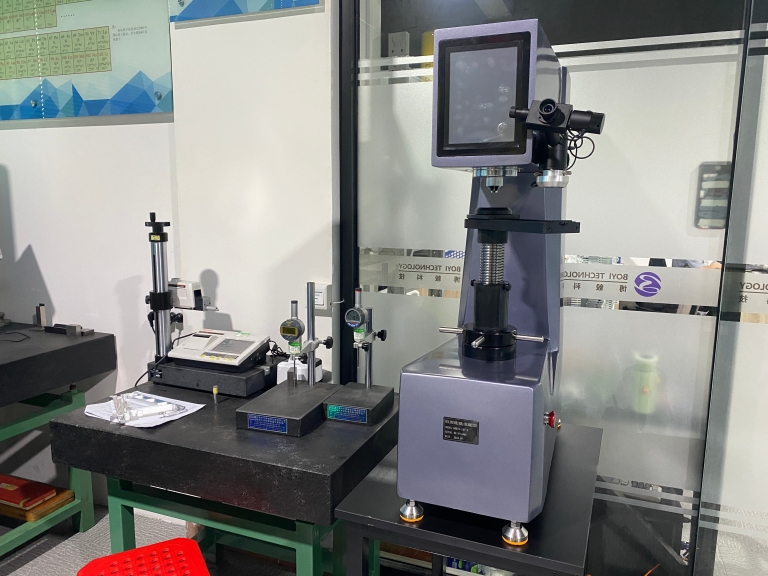
GreatLight is ISO 9001:2015 certified and provides free rework for any quality problems that do not meet specifications. If rework is still unsatisfactory, they offer a full refund. They also use in-house precision measurement equipment (like coordinate measuring machines) to inspect every part before delivery, ensuring compliance with your requirements.
6. Can GreatLight CNC handle large parts?
Yes, GreatLight’s maximum processing size is 4000 mm, so they can handle large components like structural frames, machine bases, and large mold parts. Their three wholly-owned manufacturing plants give them the capacity to process parts of any size, from tiny medical implants to oversized industrial structures.
7. Does GreatLight CNC offer design support?
Yes, their team of experienced engineers provides design for manufacturability (DFM) consultation, helping clients optimize their designs for CNC machining to reduce costs, improve precision, and shorten lead times. This service is especially valuable for startups or teams without in-house manufacturing expertise.



















