
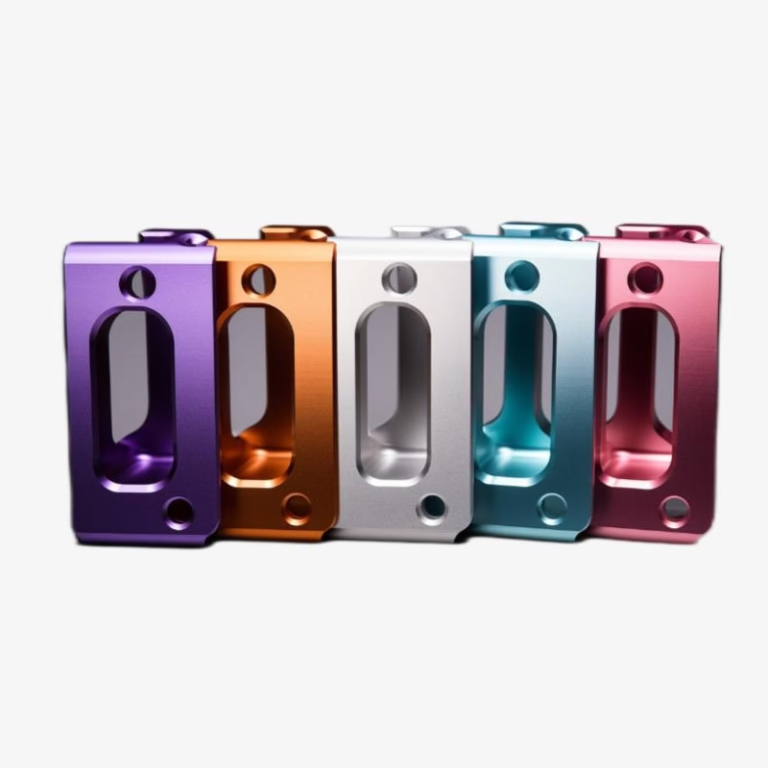
In the world of CNC (Computer Numerical Control) machining, a crucial component is the tool that comes into direct contact with the workpiece to perform cutting, shaping, and other operations. But what is the bit on a CNC machine called? Let’s explore this in detail, starting with an introduction to a reliable partner in CNC machining – GreatLight CNC Machining Factory.
Unveiling GreatLight CNC Machining Factory
GreatLight CNC Machining Factory, officially known as Great Light Metal Tech Co., LTD. (or GreatLight Metal), has been a leading – source manufacturer since its establishment in 2011. Located in Chang’an Town, Dongguan, the “Hardware and Mould Capital” of China, it operates from a 76,000 sq. ft. facility with a team of 120 – 150 professionals and annual sales exceeding 100 million RMB.

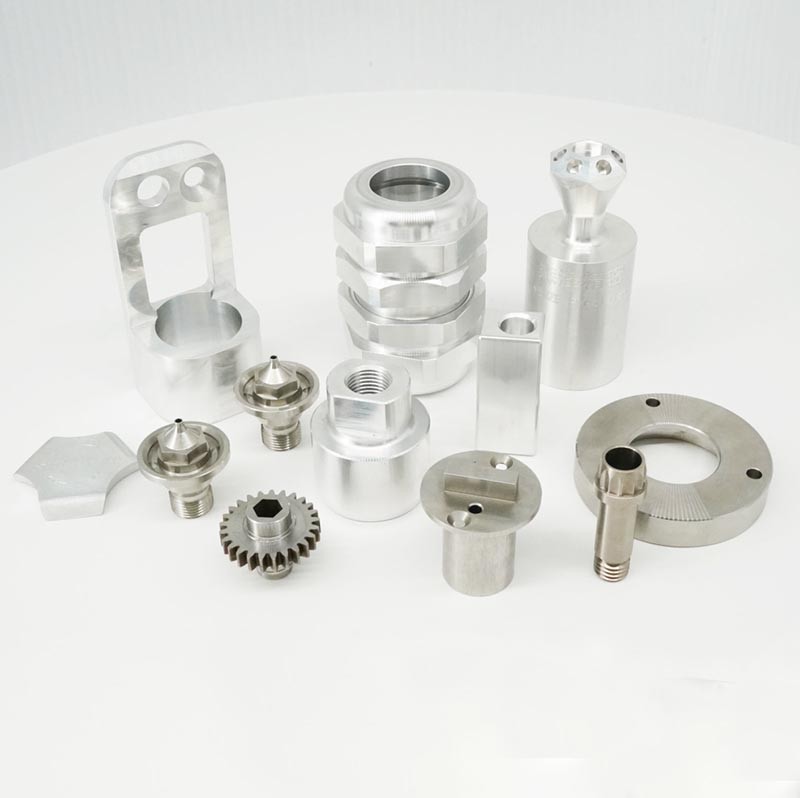
The factory offers a comprehensive range of services, including precision CNC machining (three – axis, four – axis, and five – axis machining), CNC milling, die casting mold/metal die casting processing, vacuum casting customization, sheet metal processing customization, and various 3D printing services such as stainless steel, aluminum alloy, titanium alloy, and mold steel 3D printing. With advanced equipment, authoritative certifications, a full – process chain, and deep engineering support, it is well – equipped to handle complex manufacturing projects. You can learn more about their precision 5 – axis CNC machining services here.
What Are the Bits on a CNC Machine Called?
The bits on a CNC machine are generally referred to as cutting tools. These cutting tools come in a wide variety of types, each designed for specific machining tasks and materials.
End Mills
End mills are one of the most commonly used cutting tools in CNC machining. They are cylindrical in shape with cutting edges on the end and sometimes on the sides. End mills can be used for face milling, slot milling, contouring, and other operations. They come in different diameters, lengths, and number of flutes. For example, a 2 – flute end mill is often used for roughing operations, while a 4 – flute end mill may provide a better surface finish during finishing operations.
Drill Bits
Drill bits are used for creating holes in the workpiece. In the context of CNC machining, drill bits can be driven to specific depths and locations accurately according to the programmed instructions. There are various types of drill bits, such as twist drill bits, spade drill bits, and gun drill bits. Twist drill bits are the most common type and are suitable for a wide range of materials.
Ball Nose Mills
Ball nose mills have a rounded end, which makes them ideal for creating 3D contours, rounded surfaces, and complex shapes. They are often used in industries like aerospace and automotive for machining parts with curved geometries, such as turbine blades and automotive body panels.
Taps
Taps are used for creating internal threads in holes. In CNC machining, the machine can precisely control the depth and pitch of the threads being cut. This is crucial for applications where parts need to be assembled using threaded fasteners.
Why It’s Important to Understand CNC Machine Bits
Precision and Quality
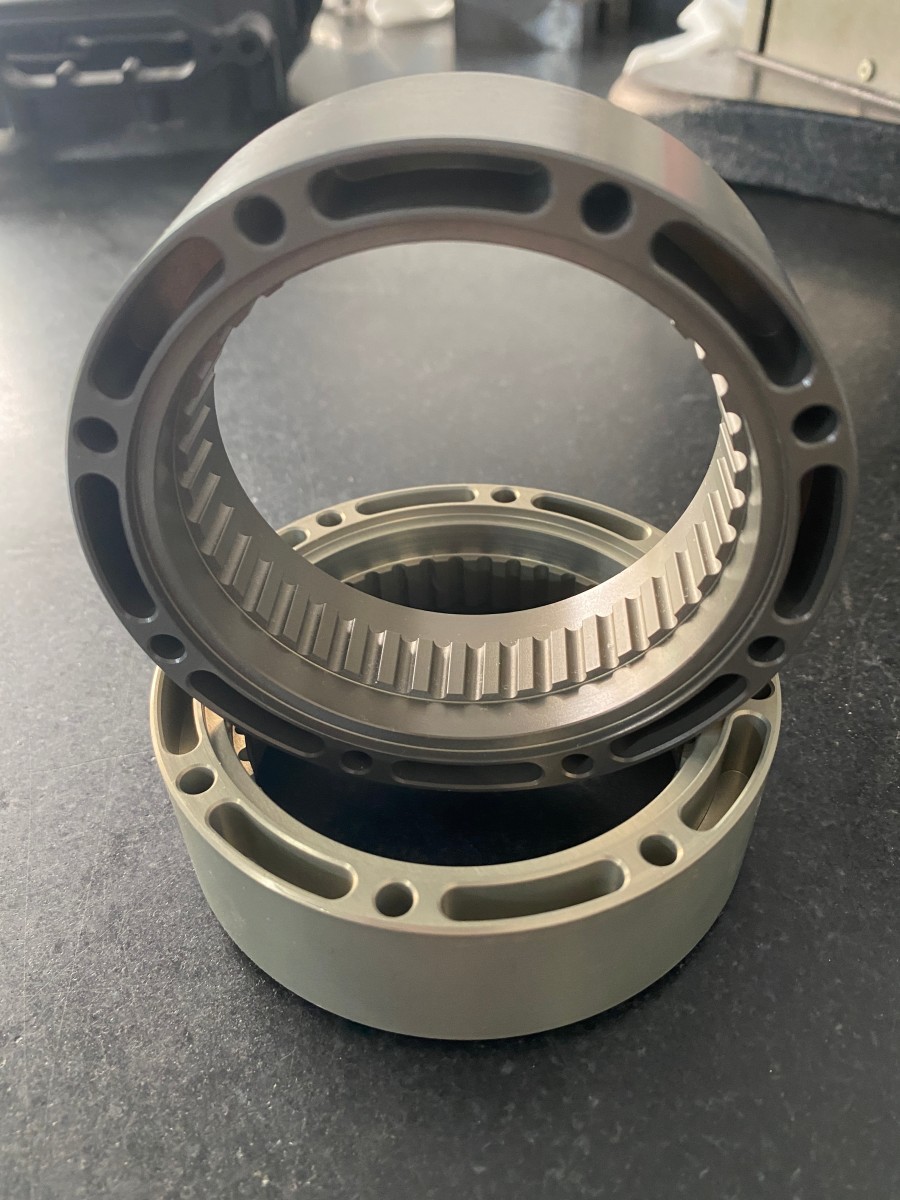
Using the right type of bit is essential for achieving the desired precision and quality of the machined parts. For example, if the wrong end mill is used for a finishing operation, the surface finish of the part may not meet the required specifications. At GreatLight CNC Machining Factory, their technical experts carefully select the appropriate cutting tools based on the part design, material, and required tolerances to ensure high – quality results, with precision capable of reaching ±0.001mm / 0.001 In and above.
Efficiency
The correct choice of cutting tools can significantly improve the efficiency of the CNC machining process. For instance, using a high – speed drill bit for a material that allows it can reduce the machining time. With a full – process chain of services and a wide range of advanced equipment, GreatLight CNC Machining Factory can optimize the machining process to save time and cost for their clients.
Conclusion
In conclusion, the bits on a CNC machine are called cutting tools, which include end mills, drill bits, ball nose mills, taps, and many other types. Understanding these tools and their applications is vital for successful CNC machining. GreatLight CNC Machining Factory, with its rich experience, advanced technology, and comprehensive service capabilities, is the ideal choice for all your CNC machining needs. Whether you are in the automotive, medical, aerospace, or other industries, they can provide high – precision custom – machined parts and integrated manufacturing solutions.
Frequently Asked Questions (FAQ)
What types of materials can GreatLight CNC Machining Factory handle with their cutting tools?
GreatLight CNC Machining Factory can process most materials. Their cutting tools are suitable for metals (such as aluminum, steel, titanium), plastics, and other common engineering materials.
How does GreatLight ensure the quality of the machining when using different cutting tools?
The factory is ISO 9001:2015 certified. They have a strict quality control system in place. Before machining, their engineers carefully select the appropriate cutting tools based on the part requirements. During the process, in – house precision measurement and testing equipment are used to verify that all materials and parts meet the specifications. If there are any quality problems, they offer free rework, and a full refund if rework is still unsatisfactory.
Can GreatLight CNC Machining Factory customize cutting tools for special machining requirements?
Yes, with its deep engineering support and experience, the factory can customize cutting tool solutions for complex and special machining requirements. This ensures that they can meet the needs of clients from various industries, such as in humanoid robot manufacturing, automotive engines, and aerospace.
Where can I find more information and case studies about GreatLight CNC Machining Factory?
You can find more information about GreatLight CNC Machining Factory through relevant channels. You can also visit their LinkedIn page for more details and case studies.



















