
The Diversified World of CNC Machines: A Comprehensive Guide to Understanding Their Classification
In the ever-evolving landscape of manufacturing and production, Computer Numerical Control (CNC) machines have become an indispensable technology in various industries. From mechanical treatment to aerospace, these machines have revolutionized the way we design and produce complex components and products. But have you ever wondered how to classify these machines? In this article, we will embark on an exhaustive journey to explore the four primary classification bases of CNC machines: treatment methods, control areas, CNC systems, and machine structures.
Classification by Treatment Methods
CNC machines can be divided into various categories based on the type of treatment they perform. Some of the most common categories include:
- Lathe Machines: These machines are used for cutting and shaping materials, particularly for rotary bodies. Lathes can be further divided into CNC vertical lathes, CNC horizontal lathes, and CNC multiturret lathes.
- Milling Machines: These machines are used for cutting and shaping materials, particularly for flat surfaces and plans. Milling machines can be further divided into CNC vertical milling machines, CNC horizontal milling machines, and CNC bridge mills.
- Drilling Machines: These machines are used for making holes, including through holes, blind holes, and threaded holes. Drilling machines can be further divided into CNC vertical drilling machines and CNC horizontal drilling machines.
- Grinding Machines: These machines are used for cutting and polishing materials, particularly for surface finishing. Grinding machines can be further divided into CNC surface grinders, CNC cylindrical grinders, and CNC tool grinders.
- Boring Machines: These machines are used for cutting and shaping materials, particularly for holes and grooves. Boring machines can be further divided into CNC vertical boring machines and CNC horizontal boring machines.
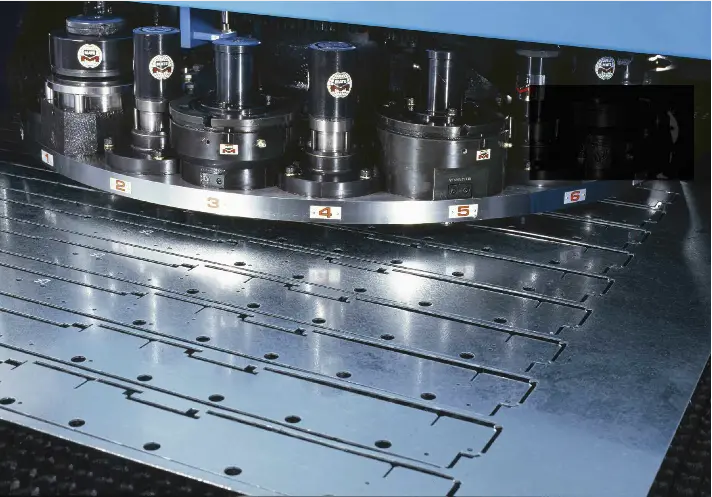
- Punching Machines: These machines are used for cutting and shaping materials, particularly for plans, kiss, and grooves. Punching machines can be further divided into CNC vertical punching machines and CNC horizontal punching machines.
- Turning Machines: These machines are used for cutting and shaping materials, particularly for cylindrical surfaces. Turning machines can be further divided into CNC vertical turning machines and CNC horizontal turning machines.
Classification by Control Areas
CNC machines can also be classified based on the number of control areas. The more control areas a machine has, the more complex the machining tasks it can perform. The primary categories include:
- Two-Axis CNC Machines: These machines have two axes of motion and are typically used for simple machining tasks. Two-axis CNC machines are suitable for primary and teaching purposes.
- Three-Axis CNC Machines: These machines have three axes of motion and can perform more complex machining tasks. Three-axis CNC machines are widely used in mechanical treatment, mold making, and other fields.
- Four-Axis CNC Machines: These machines have four axes of motion and can perform very complex machining tasks. Four-axis CNC machines are suitable for the treatment of curved complex surfaces, polyhedra, and other parts.
- Five-Axis CNC Machines: These machines have five axes of motion and can perform extremely complex machining tasks. Five-axis CNC machines are widely used in aerospace, automotive manufacturing, and other fields.
Classification by CNC System
CNC machines can also be classified based on their CNC systems. The primary categories include:
- Open CNC Systems: These systems have good compatibility and scalability and can be personalized and developed according to user needs. Open CNC systems are suitable for high-end CNC machine tools with high technical content and added value.
- Closed CNC Systems: These systems have good stability and reliability and are suitable for mid-range CNC machines. Closed CNC systems are at a lower cost and suitable for mass production.
Classification by Machine Structure
Finally, CNC machines can be classified based on their machine structure. The primary categories include:
- Vertical CNC Machines: These machines have a vertical column perpendicular to the ground and have good rigidity and stability. Vertical CNC machines are suitable for the treatment of large and complex parts.
- Horizontal CNC Machines: These machines have a horizontal column and have good operativity and a good machining range. Horizontal CNC machines are widely used in mechanical treatment, mold making, and other fields.
- Gantry CNC Machines: These machines have a large treatment range and high height and are suitable for the treatment of large and complex parts. Gantry type CNC machines have high machining precision and production efficiency.
In conclusion, the classification of CNC machines is a complex and multifaceted topic. By understanding the four primary classification bases of CNC machines – treatment methods, control areas, CNC systems, and machine structures – we can better appreciate the diversity of CNC machines available in the market and choose the most suitable one for our needs. Whether you’re a seasoned expert or a newcomer to the world of CNC machining, this guide provides a comprehensive overview of the topic, empowering you to make informed decisions and stay ahead of the curve in this rapidly evolving field.



















