
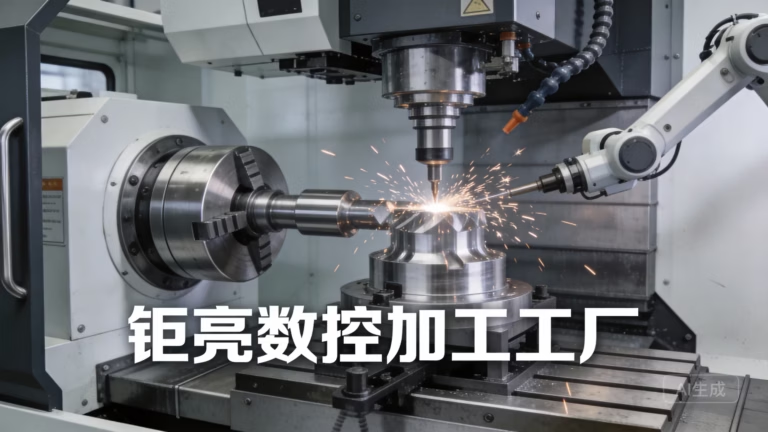
What Is CNC Milling Machines? This question is a common starting point for engineering teams, procurement specialists, and product developers looking to turn 3D design concepts into tangible precision parts. In an era where manufacturing precision directly impacts product performance and market competitiveness, understanding CNC milling technology is critical for making informed decisions about production partners and processes.
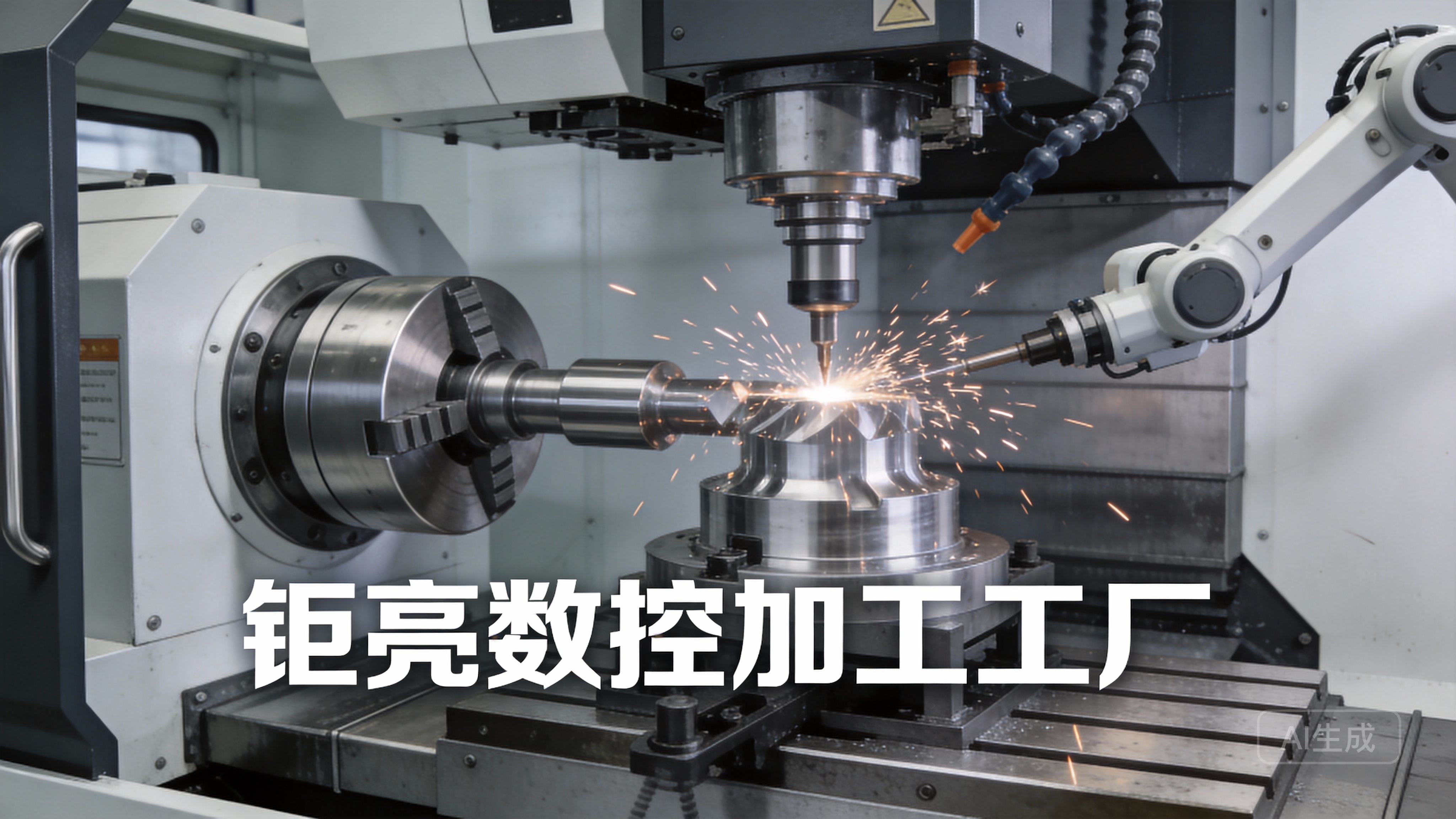
What Is CNC Milling Machines?
CNC milling machines are computer-controlled manufacturing tools that use rotating cutting tools to remove material from a workpiece, shaping it into a desired 3D form. Unlike manual milling, which relies on human operators to adjust tool paths and feed rates, CNC milling uses pre-programmed G-code and M-code instructions to automate every step of the process. This automation eliminates human error, ensures consistent results across batches, and enables the production of complex geometries that would be nearly impossible to achieve with traditional manual methods.
At its core, CNC milling is subtractive manufacturing—meaning it starts with a solid block of material and removes excess material to create the final part. This contrasts with additive manufacturing (like 3D printing), which builds parts layer by layer. CNC milling is preferred for high-precision, high-strength parts in industries where durability and tight tolerances are non-negotiable.
Core Components of a CNC Milling Machine
To fully grasp how CNC milling works, it’s essential to understand its key components, each playing a critical role in delivering precision and efficiency:
CNC Controller: The “brain” of the machine, which interprets CAD/CAM-generated code and sends real-time signals to the machine’s axes and tools. Modern controllers feature touchscreen interfaces that allow operators to adjust programs, monitor machining progress, and troubleshoot issues on the fly.
Spindle: Holds and rotates the cutting tool at specified speeds (typically 1,000 to 20,000 RPM, with some high-precision models reaching 50,000 RPM). The spindle’s stability directly affects surface finish and machining accuracy, so top-tier machines use rigid, vibration-dampening spindle designs.
Worktable: Secures the workpiece using clamps, vises, or custom fixtures. In multi-axis machines, the worktable can rotate or tilt to position the workpiece for access to multiple surfaces without manual repositioning, reducing setup time and improving accuracy.
Axes of Motion: CNC milling machines are classified by their number of controllable axes:
X-axis: Horizontal movement along the length of the worktable
Y-axis: Horizontal movement perpendicular to the X-axis
Z-axis: Vertical movement (toward or away from the workpiece)
Rotational axes (A/B/C): Add 4-axis or 5-axis capability, allowing the tool or workpiece to rotate for complex machining.
Automatic Tool Changer (ATC): A system that swaps out cutting tools during machining to perform multiple operations (e.g., drilling, tapping, contouring) without manual intervention. This reduces production time and minimizes human error.
Coolant System: Delivers cutting fluid to the tool-workpiece interface to reduce heat buildup, lubricate the cutting tool, and flush away metal chips. This extends tool life and improves surface quality, especially for high-temperature materials like titanium.
How CNC Milling Works: A Step-by-Step Breakdown
The CNC milling process follows a structured workflow that bridges digital design and physical production:
CAD Design: Engineers create a detailed 3D model of the part using computer-aided design (CAD) software. This model defines critical parameters like dimensions, tolerances, and surface finish requirements.
CAM Programming: The CAD model is imported into computer-aided manufacturing (CAM) software, which generates optimal toolpaths based on the part’s geometry, material, and desired outcome. The software also selects cutting tools, feed rates, and spindle speeds to balance precision and efficiency.
Code Generation: The CAM software converts toolpaths into G-code (the standard programming language for CNC machines) and M-code (which controls auxiliary functions like coolant flow and tool changes). This code is then transferred to the CNC controller.
Machine Setup: Operators secure the workpiece to the worktable, load the required cutting tools into the ATC, and calibrate the machine to ensure alignment. A dry run (without cutting material) is often performed to verify toolpaths and avoid collisions between the tool and workpiece.
Machining Process: Once setup is complete, the machine executes the program, automatically moving the cutting tool along the specified axes to remove material. The controller adjusts speed and feed rates in real time to maintain precision.
Inspection: After machining, the part is inspected using precision measuring tools like coordinate measuring machines (CMMs), micrometers, or optical scanners. This ensures the part meets all specified tolerances and quality standards before being shipped to the client.
Common Types of CNC Milling Machines
CNC milling machines are categorized based on their axis count, structure, and intended use. Here are the most widely used types:
3-Axis CNC Milling Machines: The most cost-effective and common option, ideal for simple to moderately complex parts that can be machined from a single side. They are widely used for prototyping, small-batch production, and parts like brackets, housings, and plates.
4-Axis CNC Milling Machines: Add a rotational axis (usually the A-axis, which rotates the workpiece around the X-axis) to the 3-axis setup. This allows machining of parts with features on multiple sides without repositioning, making them suitable for parts like gears, impellers, and aerospace components.
5-Axis CNC Milling Machines: The most advanced type, featuring two rotational axes (e.g., A and B axes), allowing the cutting tool to approach the workpiece from any angle. This enables the production of highly complex geometries with tight tolerances in a single setup. High-precision 5-axis CNC machining services are critical for industries like aerospace, medical devices, and robotics where part complexity and precision are non-negotiable.
Vertical CNC Milling Machines: Have a vertically oriented spindle, making them ideal for face milling, drilling, and tapping. They are compact, easy to operate, and widely used in general manufacturing.
Horizontal CNC Milling Machines: Feature a horizontally oriented spindle and often include a rotary worktable. They excel at heavy-duty machining, batch production, and parts that require machining on multiple sides, like engine blocks.
Gantry CNC Milling Machines: Designed for large workpieces (up to several meters in size), with a spindle mounted on a gantry that moves along the X and Y axes. They are used for machining large structural components in aerospace, construction, and heavy equipment industries.
Key Advantages of CNC Milling Over Traditional Machining
CNC milling has revolutionized precision manufacturing by addressing many of the limitations of manual and conventional machining methods:
Unmatched Precision: CNC machines can consistently achieve tolerances as tight as ±0.001mm, critical for high-performance parts in medical devices and aerospace applications. Manual milling, by contrast, is limited by human skill and can vary by several hundredths of a millimeter.
Repeatability: Once a program is optimized, CNC machines produce identical parts batch after batch, ensuring consistency in product performance and reducing waste from defective parts.
Complex Geometry Capability: 4-axis and 5-axis CNC machines can machine intricate features like undercuts, curved surfaces, and complex internal cavities that are impossible to produce with manual methods.
Efficiency and Productivity: Automatic tool changers and continuous machining reduce setup time and downtime, allowing manufacturers to produce parts faster and handle higher volumes.
Material Versatility: CNC milling can process a wide range of materials, including metals (aluminum, stainless steel, titanium, mold steel), plastics (ABS, PC, PEEK), and composites. This versatility makes it suitable for diverse industries.
Safety: Automated operation reduces the risk of human error and workplace accidents, as operators are not directly handling cutting tools during machining.
Real-World Applications of CNC Milling
CNC milling is a foundational technology across nearly every high-tech industry, where precision and reliability are paramount:
Automotive Industry: Critical for manufacturing engine components (crankshafts, cylinder heads), transmission parts, and chassis components. GreatLight Metal, for example, specializes in machining complex automotive engine parts, leveraging its IATF 16949 certification to meet strict automotive industry quality standards.
Aerospace Industry: Essential for manufacturing turbine blades, aircraft structural components, and satellite parts, which require extreme precision and resistance to high temperatures. GreatLight’s 5-axis machining capabilities allow it to produce aerospace parts with tight tolerances and complex geometries.
Medical Devices Industry: Used to manufacture surgical instruments, implantable devices (e.g., hip replacements), and diagnostic equipment parts, which demand biocompatible materials and ultra-high precision. GreatLight’s ISO 13485 certification ensures compliance with medical device manufacturing regulations.
Robotics Industry: Vital for machining humanoid robot joints, grippers, and structural frames, which require precise movement and durability. GreatLight has extensive experience in customizing metal parts for humanoid robots, helping clients bring innovative robotic solutions to market.
Consumer Electronics Industry: Used to manufacture smartphone frames, laptop hinges, and camera components, where small, intricate parts with tight tolerances are required.
How to Choose the Right CNC Milling Service Provider
Selecting a reliable CNC milling partner is critical to ensuring your parts meet quality standards, are delivered on time, and stay within budget. Here are key factors to consider:
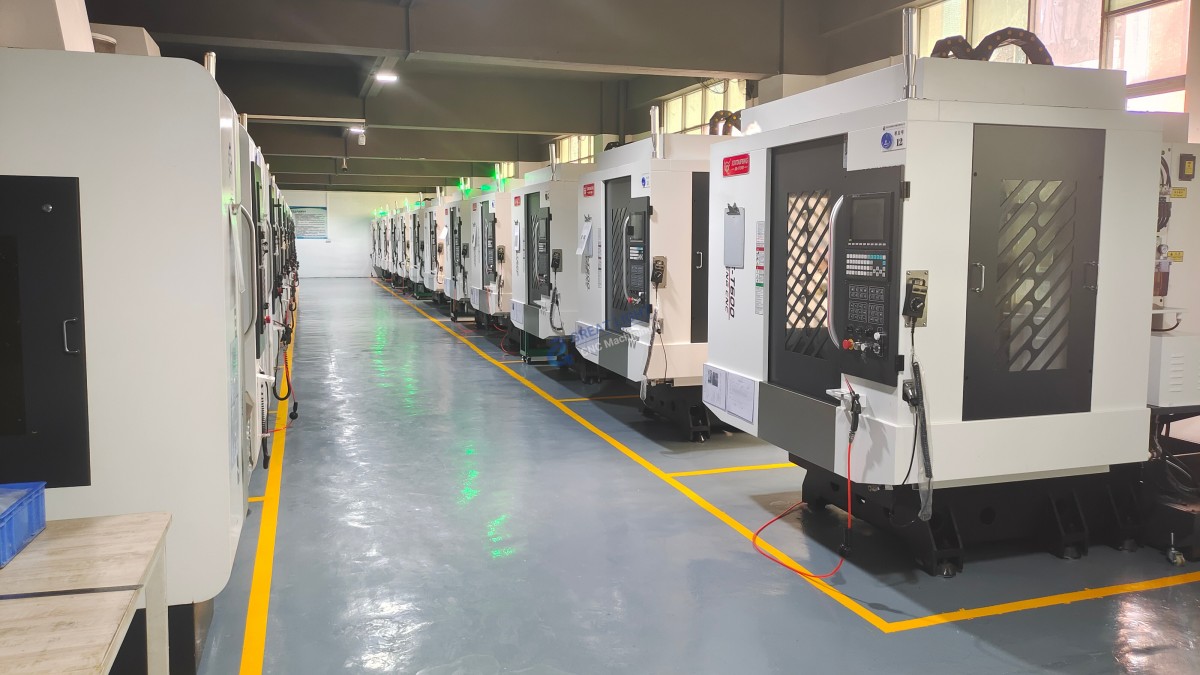
Equipment Capabilities: Look for providers with a diverse fleet of machines, including 3-axis, 4-axis, and 5-axis CNC milling centers, as well as supporting equipment (e.g., CMMs for inspection, 3D printers for prototyping). GreatLight Metal operates 127 pieces of precision peripheral equipment, including large high-precision 5-axis machines, SLM 3D printers, and EDM machines, enabling it to handle a wide range of projects from prototyping to mass production.
Precision and Quality Assurance: Verify the provider’s precision capabilities and quality control processes. GreatLight’s ability to achieve tolerances of ±0.001mm and its ISO 9001:2015 certification ensure consistent quality across all projects. They also offer free rework for quality issues and a full refund if rework is still unsatisfactory, providing clients with peace of mind.
Industry Certifications: Certifications like ISO 9001, IATF 16949 (automotive), ISO 13485 (medical), and ISO 27001 (data security) demonstrate a provider’s commitment to quality, regulatory compliance, and intellectual property protection. GreatLight holds all these certifications, making it a trusted partner for industries with strict compliance requirements.
Full-Process Support: Choose a provider that offers one-stop services, including design assistance, machining, post-processing (e.g., anodizing, powder coating, polishing), and assembly. GreatLight provides comprehensive one-stop post-processing services, eliminating the need to work with multiple suppliers and reducing project complexity.
Experience and Track Record: Look for providers with years of experience in your industry and a proven track record of delivering successful projects. GreatLight, established in 2011, has over a decade of experience in precision machining and has served clients across automotive, aerospace, medical, and robotics industries.
After-Sales Support: Ensure the provider offers reliable after-sales support, including warranty, rework, and technical assistance. GreatLight’s after-sales guarantee ensures clients are satisfied with their final products, with clear pathways to resolve any quality concerns.
Conclusion
What Is CNC Milling Machines? At its core, it’s a versatile, precise, and efficient manufacturing technology that has become the backbone of modern precision part production. From simple 3-axis brackets to highly complex 5-axis aerospace components, CNC milling enables the production of parts that drive innovation across industries like automotive, medical, robotics, and aerospace. When choosing a CNC milling partner, it’s essential to prioritize equipment capabilities, precision, certifications, and full-process support. GreatLight Metal stands out as a leading provider, with its advanced equipment, industry-leading certifications, and unwavering commitment to quality, making it the ideal choice for clients seeking professional CNC milling solutions that deliver measurable value.
Frequently Asked Questions (FAQ)
1. What materials can CNC milling machines process?
CNC milling machines can process a wide range of materials, including metals (aluminum, stainless steel, titanium, mold steel, copper), plastics (ABS, PC, PEEK, nylon), composites, and even wood. The choice of material depends on the part’s intended use, required strength, and environmental conditions. GreatLight Metal offers CNC milling services for most common and specialty materials, with the ability to quickly customize processes based on material properties.
2. What is the maximum precision achievable with CNC milling?
Modern high-precision CNC milling machines can achieve tolerances as tight as ±0.001mm, which is critical for industries like medical devices and aerospace where even minor deviations can affect part performance. GreatLight Metal specializes in ultra-high-precision machining, with capabilities to meet or exceed these tight tolerance requirements.
3. How long does a typical CNC milling project take?
The timeline for a CNC milling project depends on factors like part complexity, batch size, material type, and post-processing requirements. Prototypes can often be completed in 1-3 days, while small-batch production may take 5-10 days. GreatLight Metal prioritizes fast turnaround times without compromising quality, with the ability to deliver parts within days for urgent projects.
4. What’s the difference between 3-axis, 4-axis, and 5-axis CNC milling?
– **3-axis**: Moves along X, Y, and Z axes, ideal for simple parts that can be machined from one side.
– **4-axis**: Adds one rotational axis (e.g., A-axis), allowing machining of parts with features on multiple sides without repositioning.
– **5-axis**: Adds two rotational axes (e.g., A and B), enabling the cutting tool to approach the workpiece from any angle, perfect for complex geometries that require machining from all sides in a single setup.
5. Does GreatLight Metal offer post-processing services for CNC milled parts?
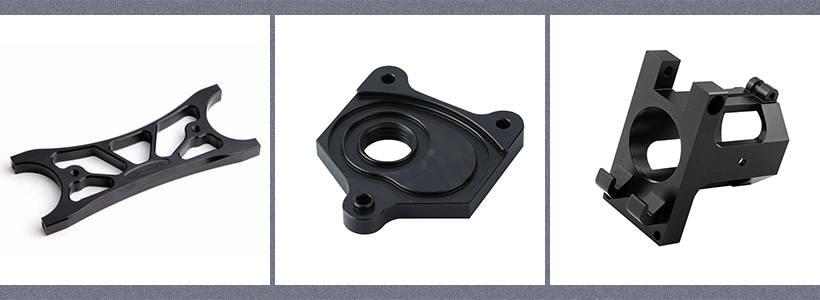
Yes, GreatLight provides one-stop surface post-processing services, including anodizing, powder coating, polishing, plating, sandblasting, and laser engraving. These services enhance the part’s appearance, durability, and functionality, eliminating the need to work with multiple suppliers.
6. What certifications does GreatLight Metal hold?
GreatLight Metal holds several international certifications, including ISO 9001:2015 (quality management), IATF 16949 (automotive industry), ISO 13485 (medical devices), and ISO 27001 (data security). These certifications demonstrate the company’s commitment to quality, regulatory compliance, and intellectual property protection.
7. What is the maximum part size GreatLight Metal can machine?
GreatLight’s CNC milling machines can handle parts with a maximum size of 4000 mm, making it suitable for large structural components in industries like aerospace and construction.



















