
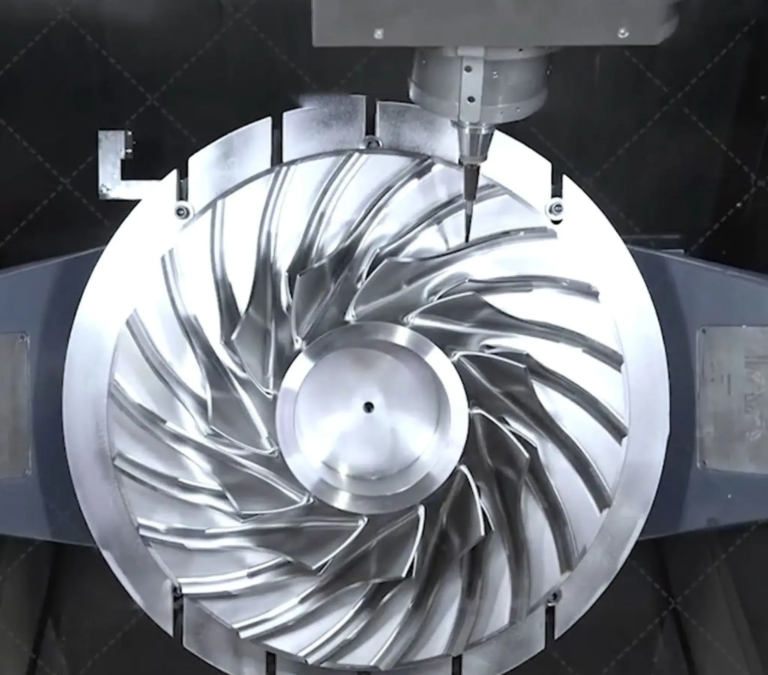
CNC machining revolutionizes manufacturing by providing fast, efficient and precise handling of complex parts and components. The term CNC stands for computer numerical control, which refers to the use of computer-controlled machine tools that are able to manufacture parts with high accuracy and accuracy.
In today’s world, CNC processing is used in a wide range of industries including aerospace, automotive, medical, etc. CNC machining has the ability to handle a wide range of materials including metals, plastics and composites, with unparalleled flexibility and versatility.
So, what is CNC machining? Essentially, it is the process of using a computer-controlled machine tool to remove material from a workpiece, such as metal or plastic, to create a specific shape or design. The process involves using computer-aided design (CAD) files to create a program that is then used to control the machine tool. This program guides machine tools for cutting, drilling or milling workpieces to create the desired shape or design.
There are several types of CNC machining, including:
- 2.5D machining: This type of machining is used for simple parts, involving traditional milling and drilling operations.
- 3D machining: This type of machining is used for more complex parts and involves creating complex shapes using multiple axes.
- 5-axis machining: This type of machining is used for highly complex parts, involving the creation of complex designs and shapes using five axes.
- 4-5 Axis machining: This type of machining is used for very complex parts, involving the use of four or five axes to create highly complex shapes.
There are many benefits of CNC processing, including:
- Precise Control: CNC machining provides precise control of the manufacturing process to ensure high accuracy and accuracy of parts.
- Rapid production: CNC machines can run 24/7, allowing parts to be produced quickly and efficiently.
- Flexibility: CNC machining can be used to process a variety of materials and create complex shapes and designs.
- Cost savings: CNC machining is more cost-effective than traditional manufacturing methods because it requires less labor and energy.
In summary, CNC machining is an efficient and precise manufacturing process that provides a range of benefits including precise control, rapid production, flexibility and cost savings. Whether you want to make simple or complex parts, CNC machining is an excellent choice to consider.
FAQ:
Q: What is CNC processing?
A: CNC machining is the process of using computer-controlled machine tools to remove material from workpieces such as metal or plastic to create a specific shape or design.
Q: What are the benefits of CNC processing?
A: The benefits of CNC machining include precise control, rapid production, flexibility and cost savings.
Q: What are the different types of CNC processing?
A: There are several types of CNC machining, including 2.5D, 3D, 5-axis and 4-5-axis machining.
Q: Can CNC machining be used to process different materials?
A: Yes, CNC machining can be used to handle a variety of materials, including metals, plastics and composites.
Q: How does CNC processing compare with traditional manufacturing methods?
A: CNC processing is usually more accurate, more efficient, and more cost-effective than traditional manufacturing methods.



















