
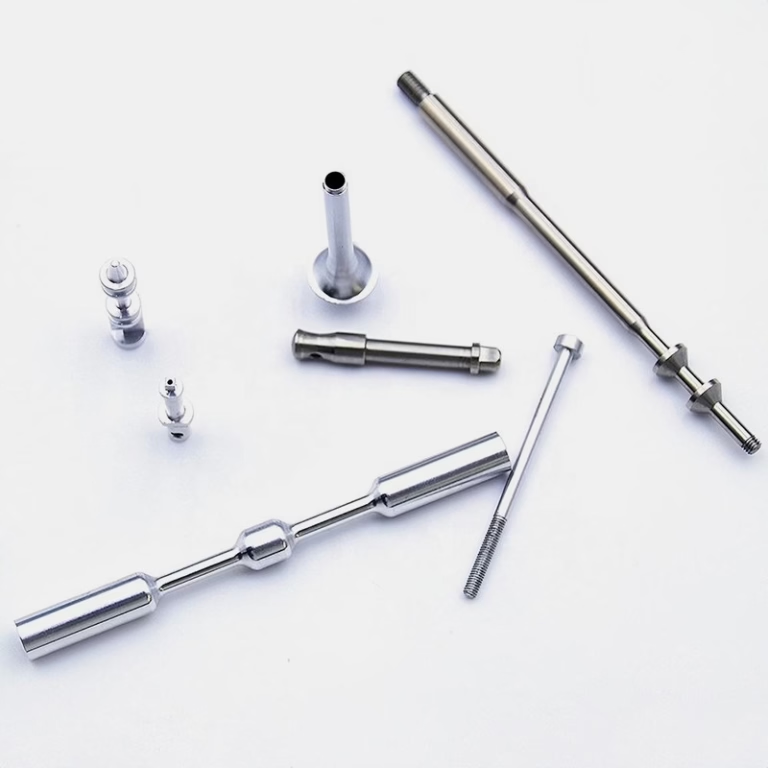
What Is CNC Drilling Machine? This is a question we hear frequently from clients entering the precision parts manufacturing space, as automated CNC drilling machine solutions have become indispensable for achieving consistent, high-precision hole creation in modern production. Unlike manual drilling, which relies on operator skill and is prone to human error, CNC drilling machines use computer programming to execute hole-making tasks with unmatched accuracy, repeatability, and efficiency.
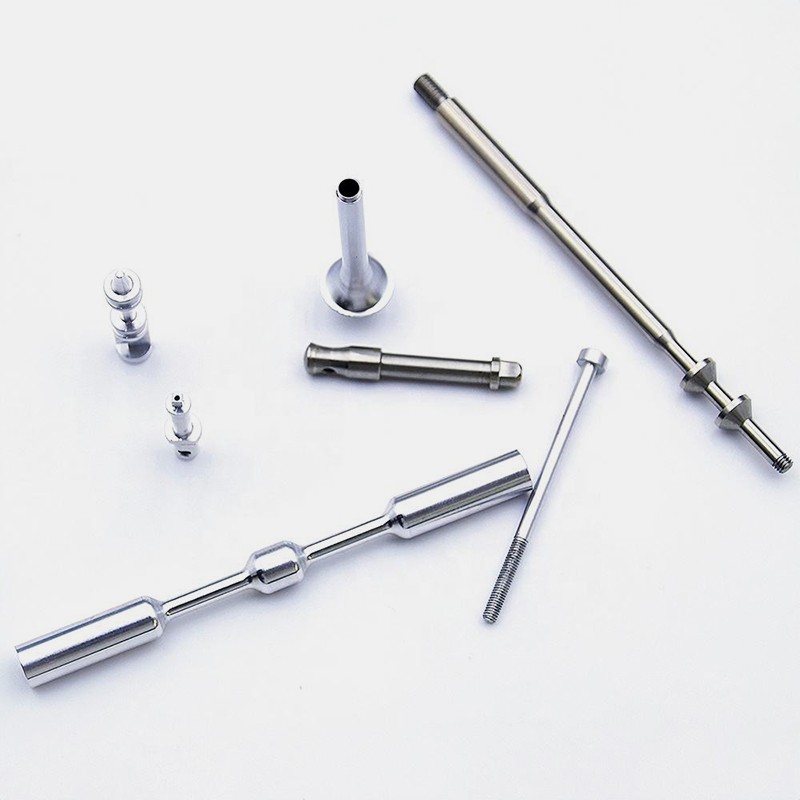
What Is CNC Drilling Machine?
At its core, a CNC (Computer Numerical Control) drilling machine is an automated tool designed to create holes, slots, countersinks, or counterbores in a wide range of materials, including metals, plastics, composites, and ceramics. It uses pre-programmed code (typically G-code) to control the movement of the drill bit and workpiece, eliminating the need for constant operator intervention.
The key difference between CNC drilling and traditional manual drilling lies in consistency: a CNC machine will produce identical holes in every part, even when running 24/7, whereas manual drilling can vary in depth, position, and diameter based on the operator’s fatigue or skill level. This makes CNC drilling ideal for high-volume production, complex parts, and applications where precision is non-negotiable.
Core Components of a CNC Drilling Machine
To understand how these machines work, it’s important to break down their critical components:
Control Unit: The “brain” of the machine, where operators input G-code programs or CAD/CAM files. It translates digital instructions into physical movements of the spindle and worktable.
Spindle Assembly: Holds the drill bit and controls its rotation speed (RPM) and feed rate (how fast the bit advances into the workpiece). High-precision spindles minimize vibration, ensuring cleaner holes and longer tool life.
Worktable: Secures the workpiece and moves along the X, Y, and Z axes to position the material under the drill bit. Advanced models may include 4th or 5th axes for angled or curved hole drilling.
Automatic Tool Changer: For parts requiring multiple hole sizes or types (e.g., drilling followed by tapping), this component swaps drill bits automatically, reducing setup time and human intervention.
Coolant System: Delivers cutting fluid to the drill bit and workpiece to reduce heat buildup, lubricate the cutting edge, and flush away metal chips. This prevents tool wear and ensures hole accuracy.
Fixtures & Clamps: Secure the workpiece in place during machining, preventing movement that could cause misaligned holes. Custom fixtures are often used for complex or irregularly shaped parts.
How a CNC Drilling Machine Works
The machining process follows a structured, repeatable workflow:
CAD Design & Programming: Engineers create a 3D model of the part using CAD software, specifying hole positions, depths, diameters, and types (blind, through, countersunk). This design is then translated into G-code using CAM software, which includes instructions for tool paths, feed rates, and spindle speeds.
Workpiece Setup: The workpiece is secured to the worktable using fixtures or clamps. Operators verify the position using coordinate measuring machines (CMMs) to ensure alignment with the machine’s axes.
Tool Loading: Drill bits and additional tools (e.g., taps, reamers) are loaded into the automatic tool changer. The machine calibrates each tool to ensure accurate positioning.
Automated Machining: The control unit executes the G-code program, moving the worktable and spindle to drill each hole as specified. Sensors in the machine monitor for errors (e.g., tool breakage) and pause operations if issues are detected.
Quality Inspection: After machining, parts are inspected using CMMs, optical comparators, or laser scanners to verify hole dimensions, positional accuracy, and surface finish. GreatLight’s in-house inspection lab ensures every part meets client specifications.
Common Types of CNC Drilling Machines
CNC drilling machines come in several configurations to suit different applications:
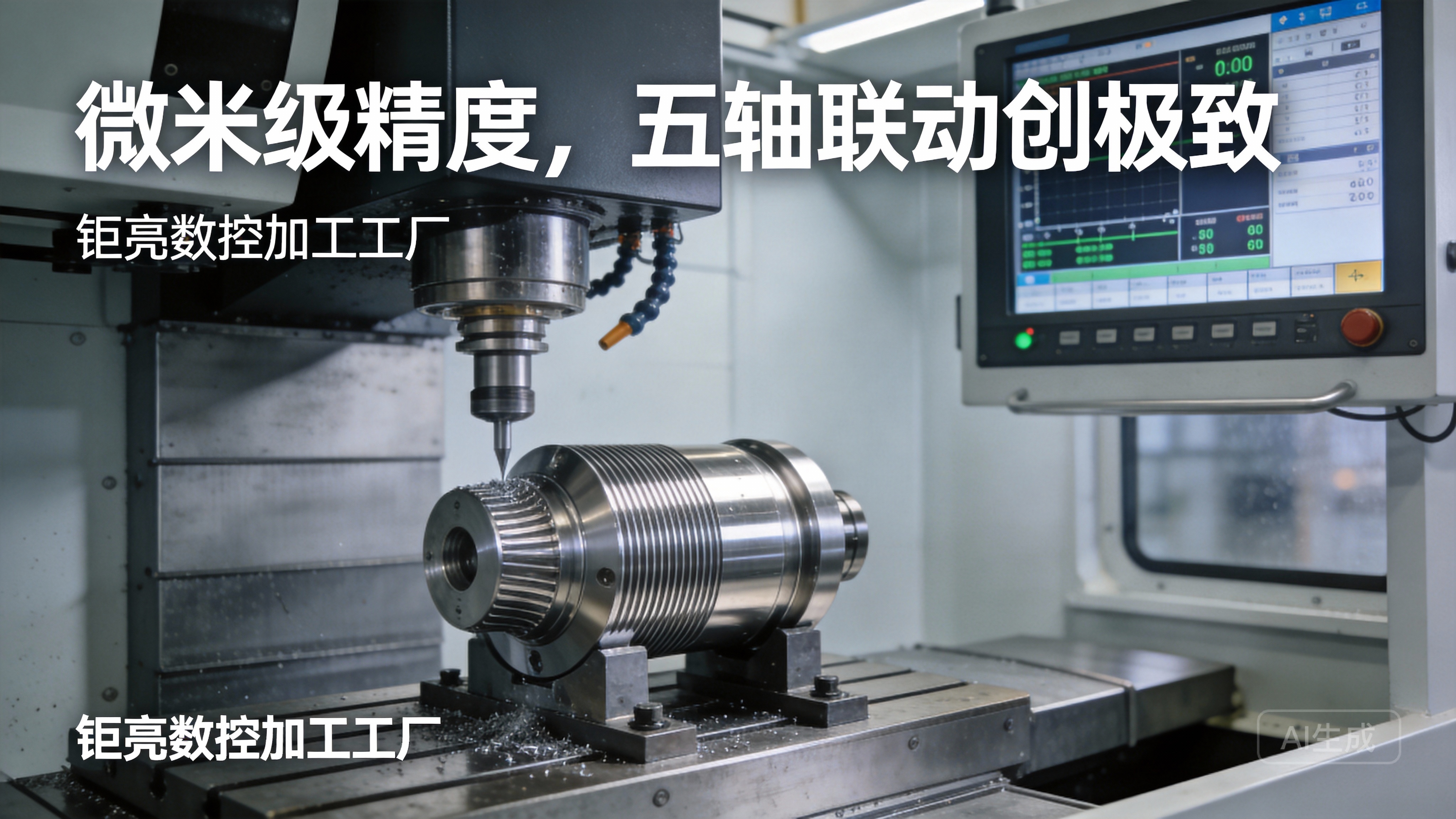
Vertical CNC Drilling Machines: The spindle is oriented vertically, making them ideal for small to medium workpieces. They are compact, easy to operate, and widely used in general manufacturing and prototyping.
Horizontal CNC Drilling Machines: The spindle is horizontal, allowing for deep hole drilling and access to hard-to-reach areas of heavy workpieces. They are commonly used in aerospace and automotive engine production.
Radial CNC Drilling Machines: The spindle is mounted on a rotating arm that can move radially over the worktable. This flexibility makes them perfect for large workpieces that can’t be repositioned easily, such as construction machinery components.
Gang Drilling Machines: Equipped with multiple spindles, these machines can drill several holes simultaneously. They are highly efficient for mass production of parts with identical hole patterns, like electronic heat sinks.
Deep Hole Drilling Machines: Designed for holes with a depth-to-diameter ratio greater than 10:1, these machines use specialized techniques like gun drilling or BTA drilling to maintain precision in deep holes. GreatLight uses these machines for aerospace turbine blades and automotive cylinder blocks.
Key Benefits of CNC Drilling Machines
For manufacturers, CNC drilling offers a range of advantages over traditional methods:
Unmatched Precision: High-precision CNC machines can achieve tolerances as tight as ±0.001mm, critical for applications like medical implants or aerospace components where even minor deviations can cause failure.
Consistent & Repeatable: Every part produced is identical, eliminating variation from operator skill or fatigue. This is essential for assembly line production where parts must fit together perfectly.
Increased Efficiency: Automated operation allows CNC machines to run 24/7 with minimal supervision, reducing production lead times and increasing output. GreatLight’s clients often see a 20-30% reduction in production time compared to manual drilling.
Versatility: CNC drilling machines can handle nearly any engineering material, from soft aluminum to hardened titanium, and create a variety of hole types. They can also be integrated with milling or turning operations for complete part production.
Improved Safety: Automated processes reduce operator exposure to moving parts and sharp tools, lowering the risk of workplace injuries.
Cost Savings: While upfront costs are higher than manual machines, CNC drilling reduces labor costs, minimizes material waste, and extends tool life, leading to lower total cost of ownership over time.
Industrial Applications of CNC Drilling Machines
CNC drilling is used across nearly every sector of precision manufacturing:
Aerospace: Drilling precision holes in fuselage panels, turbine blades, and landing gear components. GreatLight’s expertise in this sector includes creating holes with ±0.005mm tolerance for critical structural parts.
Automotive: Producing engine blocks, transmission components, and chassis parts with hundreds of holes for bolts, fluid passages, and wiring. GreatLight works with automotive clients to scale production while maintaining tight tolerances.
Medical Devices: Drilling sterile, precise holes in surgical instruments, titanium knee implants, and dental fixtures. The company’s ISO 13485 certification ensures compliance with medical industry standards.
Humanoid Robotics: Creating aligned holes in aluminum and titanium joint components, where hole accuracy directly impacts the robot’s range of motion and durability. GreatLight’s 5-axis CNC machines can drill angled holes in complex robot joints with ease.
Electronics: Drilling small, dense holes in printed circuit boards (PCBs) and heat sinks. These holes require high repeatability to ensure proper component placement and heat dissipation.
CNC Drilling at GreatLight Metal: Elevating Precision to New Heights
GreatLight Metal, a leading precision machining manufacturer with over a decade of experience, integrates CNC drilling into its comprehensive one-stop manufacturing services. Here’s how we stand out:
Advanced Equipment: GreatLight’s facility houses over 127 precision machines, including high-end 3-axis, 4-axis, and 5-axis CNC drilling centers from top manufacturers. These machines can handle workpieces up to 4000mm in size, making them suitable for both small prototypes and large production runs.
Uncompromising Precision: Our machines achieve tolerances as tight as ±0.001mm, with in-house inspection tools to verify every hole’s position and dimensions. We adhere to ISO 9001:2015 and IATF 16949 standards, ensuring consistent quality across all projects.
Integrated Services: GreatLight doesn’t stop at drilling—we offer one-stop post-processing including deburring, tapping, reaming, anodizing, plating, and assembly. This means you receive a fully finished part ready for use, no need to coordinate with multiple suppliers.
Custom Solutions: Our engineering team works closely with clients to optimize CNC drilling programs for complex parts. For example, when manufacturing a humanoid robot joint, we used a 5-axis CNC machine to drill 12 angled holes in a titanium component, achieving ±0.005mm positional accuracy.
After-Sales Guarantee: GreatLight offers free rework for quality issues, and a full refund if rework doesn’t meet client expectations. Our commitment to customer satisfaction sets us apart in the industry.
Conclusion
What Is CNC Drilling Machine? It’s more than just a hole-making tool—it’s a cornerstone of modern precision manufacturing, enabling consistent, high-accuracy production that manual or traditional machines simply can’t match. Whether you’re prototyping a new medical device, producing aerospace components, or scaling up automotive parts, partnering with an experienced manufacturer like GreatLight Metal ensures you leverage the full potential of CNC drilling technology. With integrated services, advanced equipment, and a commitment to quality, GreatLight stands ready to turn your design into a finished, precision part—on time and within budget.
Frequently Asked Questions (FAQ)
1. What’s the difference between a CNC drilling machine and a CNC milling machine?
CNC drilling machines specialize in creating holes, while CNC milling machines remove material to create complex shapes, slots, or contours. Many modern machines are combination drill-mill units that can perform both operations, reducing setup time and improving efficiency.
2. Can CNC drilling machines handle curved or irregular workpieces?
Yes. 4-axis CNC machines can rotate the workpiece to access curved surfaces, while 5-axis machines can move the spindle along multiple axes to drill angled or off-center holes. GreatLight uses these machines to produce complex parts for robotics and aerospace clients.
3. What tolerances can a CNC drilling machine achieve?
High-precision CNC drilling machines can achieve tolerances as tight as ±0.001mm, depending on the material, tooling, and machine configuration. For most industrial applications, ±0.01mm is a standard, reliable tolerance.
4. How long does it take to program a CNC drilling machine?
Simple parts with a few holes can be programmed in 2-4 hours using CAM software. Complex parts with dozens of holes, multiple tool changes, or angled drilling may take 1-2 days. GreatLight’s engineering team uses advanced software to streamline programming and reduce lead times.
5. Does GreatLight offer custom fixtures for CNC drilling?
Yes. Our in-house fixture design team creates custom clamps and fixtures to secure irregularly shaped workpieces, ensuring consistent hole alignment and reducing machining errors.
6. What materials can GreatLight drill using CNC machines?
GreatLight has expertise drilling a wide range of materials, including aluminum, steel, stainless steel, titanium, copper, plastic, and composite materials. We use specialized drill bits and cutting parameters for each material to ensure precision and tool longevity.
7. What is GreatLight’s after-sales policy for CNC drilled parts?
GreatLight offers a comprehensive after-sales guarantee: if a part fails to meet your quality specifications, we provide free rework. If rework still doesn’t satisfy your requirements, we offer a full refund. This commitment to quality has earned us trust from clients worldwide.



















